Understanding Hail Damage on Arizona Roofs

Understanding Hail Damage on Arizona Roofs
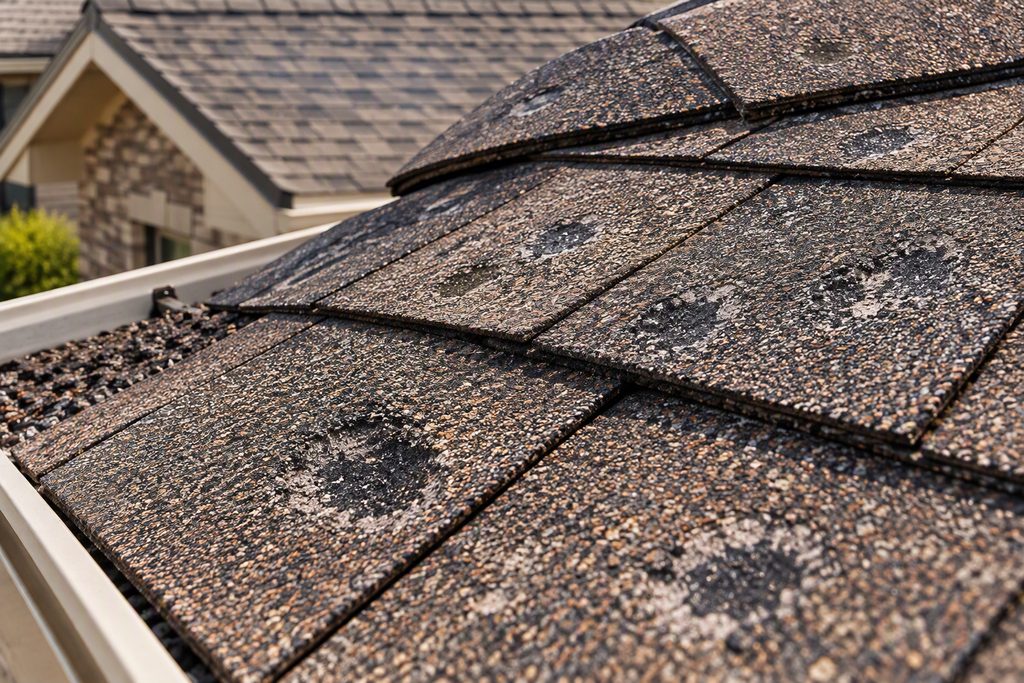
Arizona is known for its sunshine, but homeowners across the state know that severe hailstorms can arrive with little warning. From the Phoenix metro area to communities throughout Central and Northern Arizona, hail can cause significant roofing damage that isn’t always visible from the ground. What appears to be a minor storm can leave behind hidden issues that compromise your roof’s ability to protect your home.
Understanding how hail affects roofing systems, recognizing the warning signs, and scheduling a professional inspection after a storm can help prevent costly repairs in the future. In this guide, we’ll explain everything Arizona homeowners need to know about hail damage and how Reimagine Roofing can help protect your investment.
Why Hail Damage Is a Serious Concern in Arizona
While Arizona receives relatively low annual rainfall compared to other states, the storms it does experience can be intense. Monsoon season often brings strong winds, lightning, heavy rain, and hail. Even small hailstones can impact roofing materials at high speeds, creating damage that may worsen over time.
Many homeowners assume that if their roof isn’t leaking immediately after a storm, no damage occurred. Unfortunately, hail damage often develops gradually. Small cracks, dents, and weakened roofing materials can allow moisture infiltration months later, leading to more extensive repairs.
Because Arizona roofs already endure year-round UV exposure and extreme temperatures, hail impacts can further accelerate roof deterioration.
How Hail Forms
Hail develops within powerful thunderstorms when strong updrafts carry water droplets high into the atmosphere where temperatures are below freezing. These droplets freeze and collect additional layers of ice before eventually falling to the ground.
The size of hailstones can vary significantly:
- Pea-sized hail (¼ inch)
- Marble-sized hail (½ inch)
- Quarter-sized hail (1 inch)
- Golf ball-sized hail (1.75 inches)
- Baseball-sized hail (2.75 inches or larger)
The larger the hailstones and the stronger the accompanying winds, the greater the potential for roof damage.
How Hail Damages Different Roofing Materials
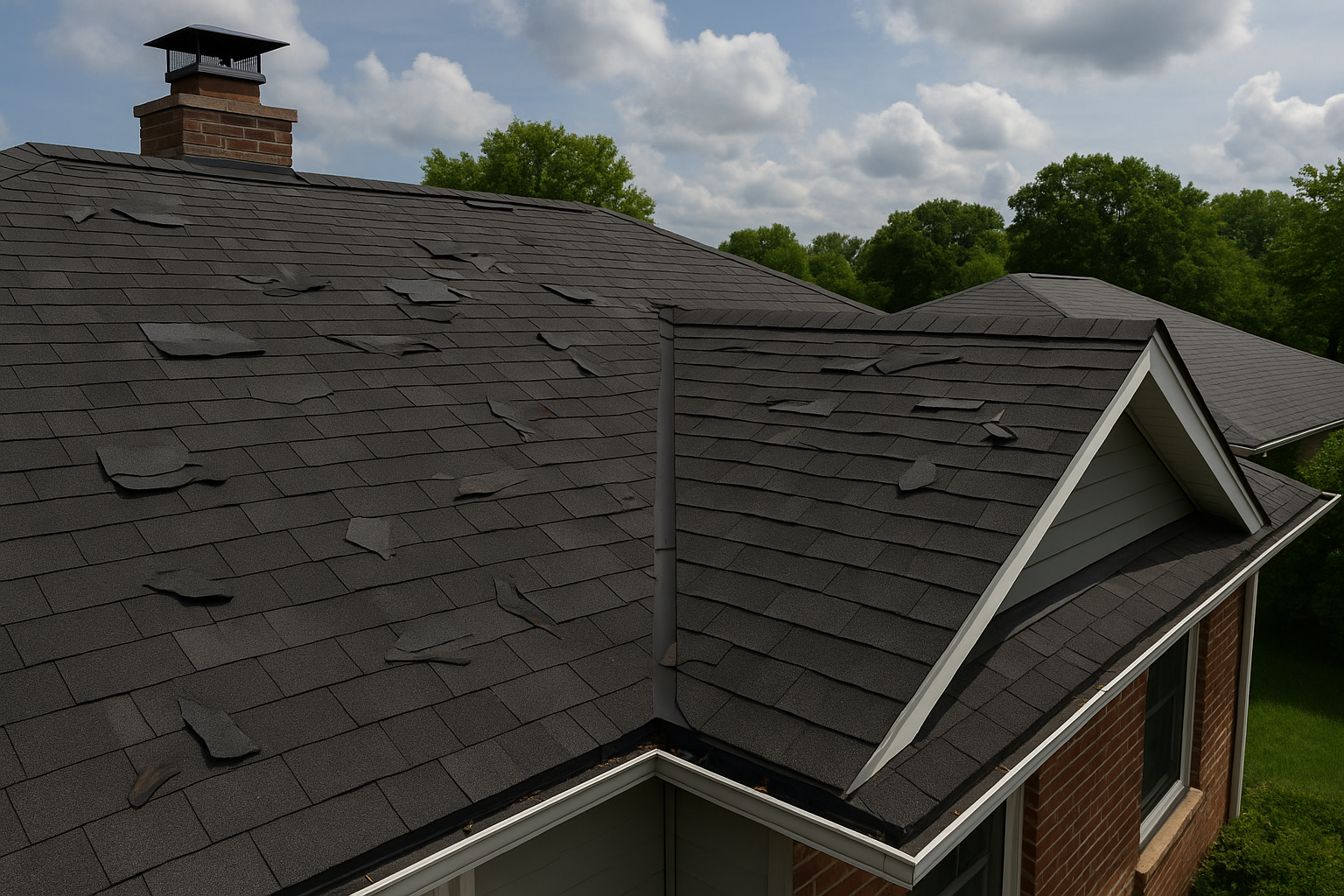
Asphalt Shingle Roofs
Asphalt shingles are among the most common roofing materials in Arizona residential neighborhoods.
Hail impacts may cause:
- Granule loss
- Surface bruising
- Cracks in shingles
- Exposed fiberglass matting
- Reduced UV protection
- Premature aging
When granules are knocked away, shingles become vulnerable to sun damage. In Arizona’s intense climate, this can dramatically shorten the roof’s lifespan.
Tile Roofs
Concrete and clay tile roofs are highly popular throughout Arizona due to their durability and heat resistance.
Hail can cause:
- Cracked tiles
- Fractured corners
- Surface chipping
- Broken ridge caps
- Hidden underlayment damage
Even if only a few tiles are visibly damaged, water can penetrate beneath the roofing system and create larger issues over time.
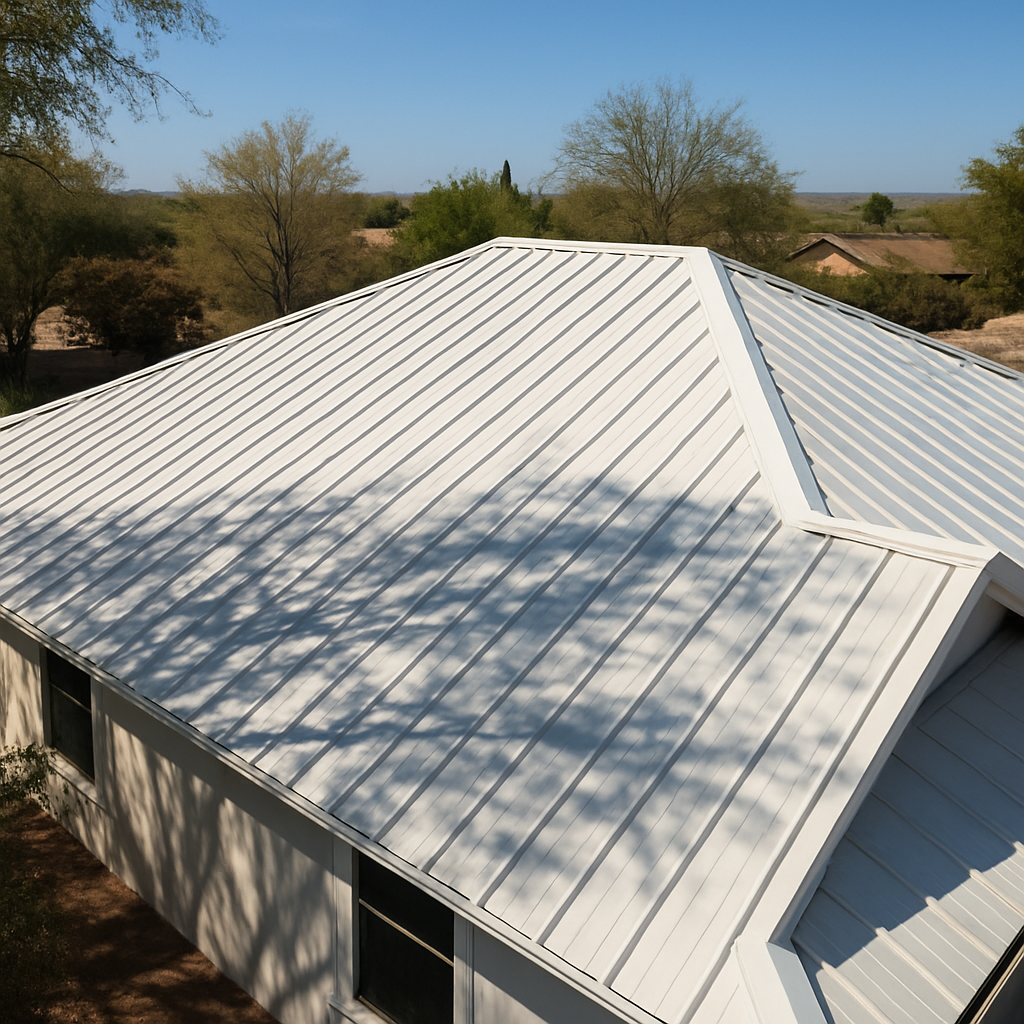
Metal Roofs
Metal roofing provides excellent durability but is not entirely immune to hail.
Potential hail damage includes:
- Cosmetic dents
- Surface scratches
- Protective coating damage
- Fastener loosening
- Panel deformation
While cosmetic dents may not immediately affect performance, severe impacts can compromise drainage and weather resistance.
Flat Roof Systems
Many Arizona homes and commercial buildings utilize flat or low-slope roofing.
Hail may cause:
- Membrane punctures
- Surface cracking
- Pooling water concerns
- Coating damage
- Insulation compression
Flat roofs often require professional evaluation after major hail events because damage may not be visible from street level.
Signs of Hail Damage on Your Roof
Not all storm damage is obvious. Here are common indicators homeowners should watch for:
Dents on Metal Components
Inspect:
- Gutters
- Downspouts
- Roof vents
- Flashing
- HVAC equipment
Dents often indicate that hail impacted the roof with enough force to damage roofing materials as well.
Missing Granules
Look for excessive granules accumulating in:
- Gutters
- Downspout exits
- Ground near roof edges
Granule loss reduces your shingles’ protective capabilities.
Cracked or Broken Tiles
Arizona tile roofs may show:
- Impact fractures
- Chips
- Corner breaks
- Dislodged sections
Even small cracks can expand due to thermal movement.
Water Stains Indoors
If hail damage creates roof vulnerabilities, homeowners may notice:
- Ceiling discoloration
- Wall staining
- Attic moisture
- Mold growth
These symptoms often appear weeks or months after the storm.
Roof Debris
Broken roofing materials found around the property may indicate impact damage requiring professional inspection.
Why Some Hail Damage Remains Hidden
Many roofing systems conceal damage beneath the surface layers.
Examples include:
- Compromised underlayment
- Microfractures in shingles
- Loosened fasteners
- Damaged waterproof barriers
- Structural weakening
Without a detailed inspection, these problems may go undetected until water intrusion occurs.
Professional roof inspections are often the only reliable way to identify the full extent of hail-related damage.
The Combined Impact of Hail and Arizona Sun
Arizona roofs face a unique challenge.
The state’s intense UV exposure already causes roofing materials to expand, contract, and age faster than in many other regions. When hail strikes an already weathered roofing system, the damage can be significantly more severe.
A roof that might withstand moderate hail when new may be far more vulnerable after years of sun exposure.
This is why regular inspections are particularly important for Arizona homeowners.
What to Do After a Hailstorm
1. Perform a Ground-Level Inspection
Walk around your property and note any obvious signs of damage.
Look for:
- Broken tiles
- Fallen roofing materials
- Dented metal surfaces
- Damaged skylights
- Cracked vents
Avoid climbing onto the roof yourself.
2. Document Visible Damage
Take photos of:
- Roof areas visible from the ground
- Damaged gutters
- Exterior impacts
- Landscaping damage
Documentation can be useful if repairs become necessary.
3. Check Interior Spaces
Inspect:
- Attics
- Ceilings
- Walls
Watch for water spots, moisture, or unusual odors.
4. Schedule a Professional Roof Inspection
A professional assessment provides the most accurate evaluation of storm-related damage.
Experienced roofing professionals can identify both visible and hidden issues before they become expensive problems.
Can Small Hail Damage Lead to Bigger Problems?
Absolutely.
Minor impact damage often becomes worse due to:
- UV radiation
- Wind exposure
- Rain infiltration
- Thermal expansion
- Temperature fluctuations
What starts as a small crack or bruise can eventually lead to leaks, rot, mold, insulation damage, or interior repairs.
Addressing issues early is almost always more cost-effective than delaying repairs.
How Reimagine Roofing Helps Arizona Homeowners
At Reimagine Roofing, we understand the unique challenges Arizona homeowners face. Our team performs comprehensive roof inspections designed to identify hail damage before it leads to more significant issues.
We evaluate:
- Asphalt shingle roofs
- Tile roofing systems
- Metal roofs
- Flat roofing systems
- Roof penetrations and flashing
- Ventilation components
- Underlayment concerns
Our goal is to provide honest assessments and practical recommendations that help homeowners make informed decisions.
Preventing Future Storm Damage
While no roof can completely avoid hail damage, proactive maintenance can improve resilience.
Recommended steps include:
- Annual roof inspections
- Prompt repair of minor issues
- Replacement of damaged materials
- Tree trimming near rooflines
- Routine gutter maintenance
- Monitoring aging roofing systems
Preventive care helps maximize roof performance and longevity.
When Roof Replacement May Be Necessary
In some situations, hail damage may be severe enough that replacement becomes the most practical option.
Factors that may influence this decision include:
- Roof age
- Extent of damage
- Multiple compromised areas
- Underlayment deterioration
- Recurring leaks
- Overall roofing condition
A professional inspection can determine the most cost-effective path forward.
Frequently Asked Questions
Can hail damage a tile roof?
Yes. Although tile roofs are durable, hail can crack, chip, or break tiles, creating pathways for water intrusion.
Is roof damage always visible after a storm?
No. Many forms of hail damage occur beneath the surface and require professional inspection to identify.
How soon should my roof be inspected after hail?
As soon as possible following a significant hailstorm. Early detection helps prevent additional deterioration.
Can hail shorten the lifespan of my roof?
Yes. Even minor impacts can weaken roofing materials and accelerate aging, especially under Arizona’s intense sun exposure.
Are leaks always immediate after hail damage?
Not necessarily. Some leaks develop months later as damaged materials continue to deteriorate.
Protect Your Arizona Roof with a Professional Inspection
Hail damage isn’t always obvious, but ignoring it can lead to expensive repairs and premature roof failure. Whether your roof has visible signs of damage or you simply want peace of mind after a recent storm, a professional inspection is the best way to protect your home.
Reimagine Roofing specializes in helping Arizona homeowners identify roof damage, extend roof life, and make confident roofing decisions. Contact us today to schedule your professional roof inspection and use our convenient online quote tool for a fast, hassle-free estimate.
Our experienced team is ready to help keep your roof strong, secure, and storm-ready year-round.
Popular Posts