What High Winds Can Do During Monsoon Season in Albuquerque

What High Winds Can Do During Monsoon Season in Albuquerque
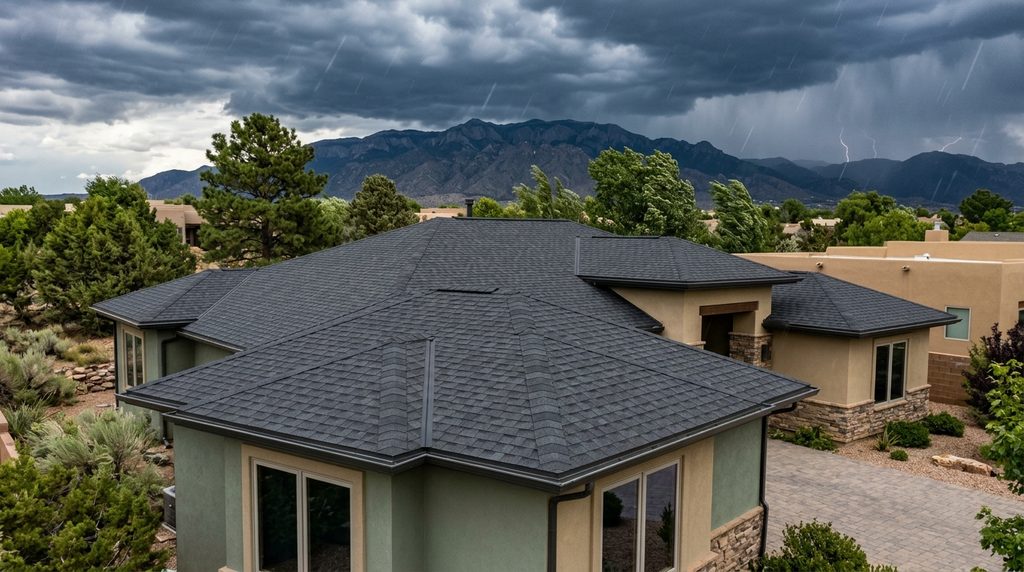
Monsoon season in Albuquerque brings much-needed rain, but it also introduces powerful wind events that can threaten the integrity of residential and commercial roofing systems. While many property owners focus on hail or heavy rainfall, high winds are often the first weather-related force that damages a roof. Even a well-installed roofing system can suffer from lifted shingles, damaged flashing, loosened materials, and hidden structural issues when exposed to repeated wind gusts.
At Reimagine Roofing, we help Albuquerque homeowners identify storm-related roof damage before it becomes a costly problem. Understanding how monsoon winds affect your roof can help you take preventive action, protect your investment, and avoid unexpected repairs.
Understanding Albuquerque’s Monsoon Season
The Southwest monsoon season typically occurs from June through September, bringing a combination of thunderstorms, lightning, heavy rainfall, microbursts, and strong winds. During severe storms, wind gusts can occur suddenly and with enough force to damage roofing materials that may have already been weakened by age, heat, or previous storms.
Unlike steady seasonal winds, monsoon-related wind gusts often arrive without warning. These rapid changes in wind pressure can create uplift forces that target vulnerable areas of a roof, especially edges, ridges, corners, and older roofing systems.
Many Albuquerque homeowners don’t realize that roof damage can occur even when a storm doesn’t produce hail or significant rainfall. Wind alone can compromise a roof’s ability to protect the home.
Why High Winds Are So Damaging to Roofs
A roof is designed to withstand typical environmental conditions, but severe wind events create pressure differences that can challenge even high-quality roofing systems.
As wind moves across a roof’s surface, it creates uplift similar to the way air moves over an airplane wing. When pressure beneath roofing components exceeds the pressure above them, materials can loosen, lift, or detach entirely.
This is particularly dangerous because even small openings created by wind damage allow water intrusion during future storms.
Common Wind Damage Mechanisms
High winds can:
- Lift asphalt shingles
- Break seal strips
- Remove granules
- Loosen flashing materials
- Dislodge ridge caps
- Damage roof vents
- Bend metal roofing panels
- Send debris onto roof surfaces
- Create openings for moisture penetration
The resulting damage may not always be visible from the ground, making professional inspections especially important after severe monsoon weather.
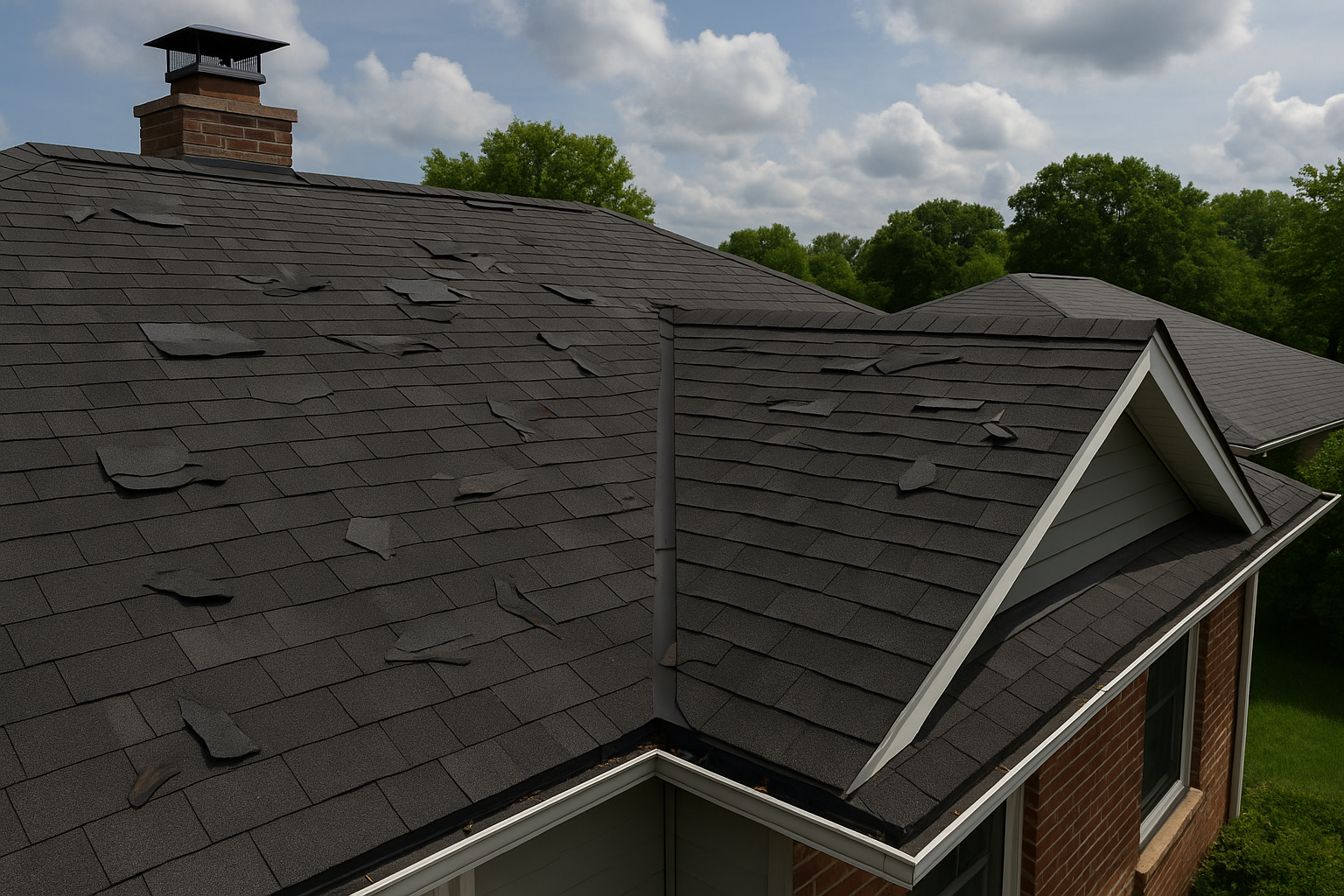
Shingle Lifting and Blow-Offs
One of the most common effects of high winds is shingle lifting.
When wind catches the edge of a shingle, it can separate the material from the roof deck. Once the seal is broken, future storms can continue lifting the shingle until it eventually tears away completely.
Signs of Wind-Damaged Shingles
Look for:
- Missing shingles
- Curling edges
- Creased shingles
- Exposed nail heads
- Loose tabs
- Uneven roof appearance
- Granule accumulation in gutters
Even minor shingle movement can significantly reduce a roof’s ability to repel water.
Many homeowners overlook these warning signs because the damage often begins in isolated sections that are difficult to see without climbing onto the roof.
Flashing Damage During High Winds
Flashing is one of the most important components of a roofing system. It protects areas where the roof meets chimneys, walls, skylights, vents, and other penetrations.
Because flashing components are often constructed from thin metal, they can bend, pull away, or become loosened during strong wind events.
Common Flashing Issues
High winds may cause:
- Lifted flashing edges
- Detached fasteners
- Gaps around roof penetrations
- Bent metal sections
- Sealant failures
When flashing becomes compromised, water can infiltrate vulnerable areas inside the roofing system and eventually enter the home.
Many leaks that appear during the monsoon season actually originate from flashing damage caused by previous wind events.
Ridge Cap Vulnerability
The highest point of your roof often receives the strongest wind exposure.
Ridge caps are designed to cover the roof peak while allowing proper ventilation beneath the roofing system. However, these components can become vulnerable to uplift forces during severe monsoon storms.
When ridge caps loosen or detach, several problems can occur:
- Increased water intrusion
- Reduced attic ventilation
- Structural moisture buildup
- Accelerated shingle wear
- Higher cooling costs
Routine inspections can identify ridge cap movement before major damage develops.
Impact of Wind-Driven Debris
Roof damage doesn’t always come directly from the wind itself.
During monsoon storms, high winds can propel debris across neighborhoods at surprising speeds. Branches, outdoor furniture, fencing materials, and other objects can strike roofing surfaces and create immediate damage.
Debris-Related Roofing Problems
Flying debris can:
- Crack shingles
- Dent metal roofs
- Damage roof vents
- Break skylights
- Tear flashing
- Create punctures
- Damage gutters
Even small impacts can shorten a roof’s lifespan if they go unnoticed and unrepaired.
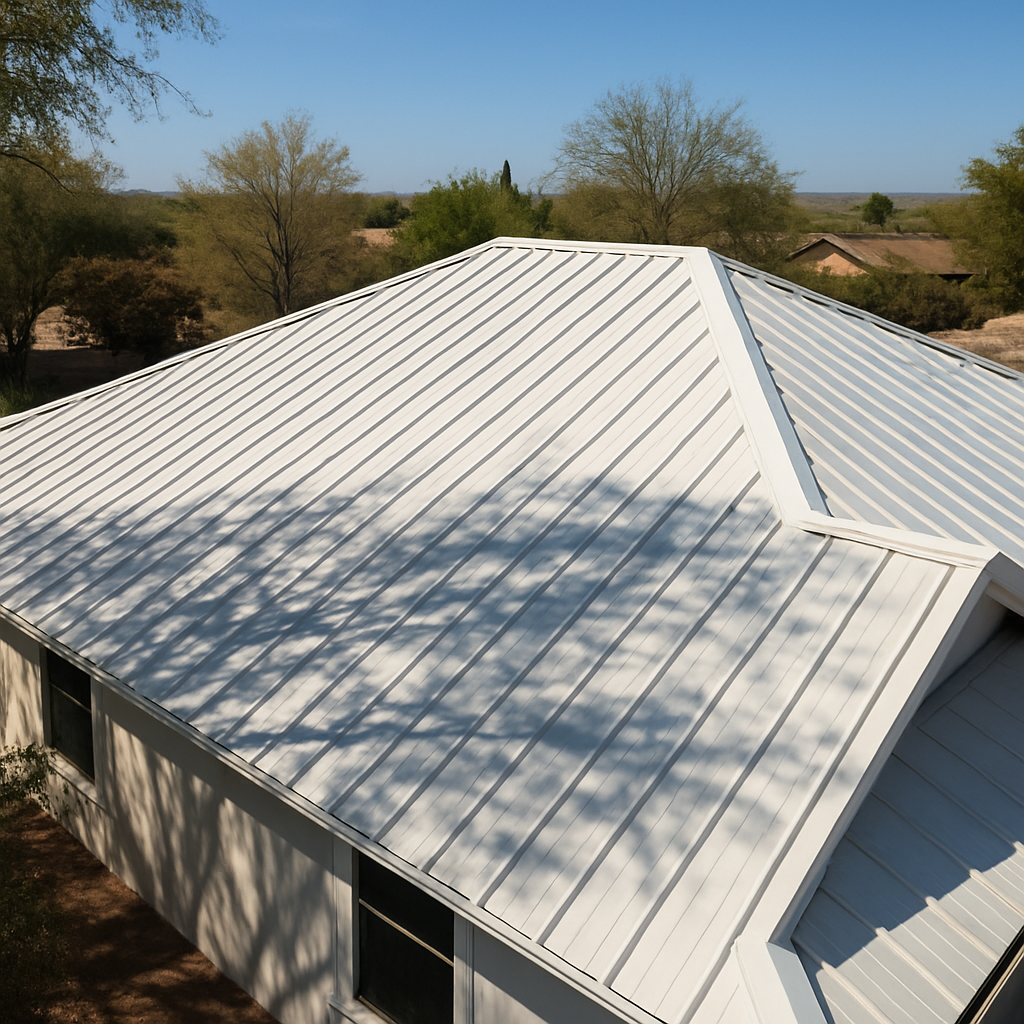
Wind Damage to Metal Roofing Systems
Metal roofs are known for durability, but they are not immune to severe wind events.
Improperly fastened panels or aging fasteners may loosen over time. When high winds exploit these weaknesses, the results can include:
- Loose panels
- Oil canning effects
- Fastener failures
- Panel separation
- Flashing displacement
Fortunately, properly installed standing seam metal roofing systems generally provide excellent wind resistance when maintained correctly.
Professional inspections help identify developing problems before panel movement creates larger structural concerns.
Gutter Damage During Monsoon Winds
While gutters may not seem directly related to roof performance, they play a major role in protecting roofing systems and home exteriors.
Strong winds can:
- Pull gutters away from fascia boards
- Loosen hangers
- Cause sagging sections
- Create drainage problems
When gutters fail, water may overflow onto roofing components, siding, foundations, and landscaping.
After major storms, a complete roof inspection should also include the gutter system.
Hidden Roof Damage Homeowners Often Miss
One of the biggest challenges with wind damage is that the most serious issues are not always obvious.
Homeowners frequently assume their roof survived a storm because they do not see missing shingles from the ground. However, many forms of damage remain hidden until leaks develop.
Common Hidden Issues
Professional inspectors often find:
- Broken adhesive seals
- Lifted shingle corners
- Damaged underlayment
- Loose flashing
- Moisture intrusion
- Ventilation problems
- Structural deck exposure
By the time water stains appear inside the home, repairs may already be more extensive and expensive.
How Albuquerque’s Intense Sun Makes Wind Damage Worse
Albuquerque’s climate creates a unique roofing challenge.
Throughout much of the year, roofing materials endure intense UV exposure and high temperatures. Over time, this causes materials to become more brittle and less flexible.
When monsoon winds arrive, aged roofing components are more susceptible to:
- Cracking
- Tearing
- Lifting
- Fastener failures
This combination of extreme heat and seasonal storms accelerates roofing wear and increases the importance of annual inspections.
The Financial Cost of Ignoring Wind Damage
Small wind-related issues rarely stay small.
What begins as a lifted shingle or loose flashing section can quickly evolve into:
- Interior ceiling damage
- Mold growth
- Rotting roof decking
- Insulation damage
- Increased energy costs
- Structural repairs
Addressing damage shortly after a storm is almost always less expensive than waiting until a leak develops.
Routine inspections provide an opportunity to identify concerns before they become major restoration projects.
How to Protect Your Roof Before Monsoon Season
While severe weather cannot be prevented, homeowners can take steps to minimize risk.
Preventive Measures
Schedule annual roof inspections.
Remove overhanging tree branches.
Secure outdoor furniture and loose objects.
Replace damaged shingles promptly.
Keep gutters clean and functioning properly.
Address flashing concerns immediately.
Monitor attic spaces for signs of moisture.
Investing in preventive maintenance often extends roof life while reducing the likelihood of emergency repairs.
What to Do After a Windstorm
If a major monsoon storm passes through your neighborhood, taking quick action is important.
Post-Storm Checklist
- Walk around the property safely.
- Look for fallen branches and visible roof damage.
- Check gutters and downspouts.
- Inspect ceilings for water stains.
- Review attic spaces for moisture.
- Document visible concerns with photos.
- Schedule a professional roof inspection.
Avoid climbing onto your roof after a storm. Wet surfaces and hidden damage can create serious safety hazards.
A professional inspection provides a comprehensive assessment and identifies issues that may not be visible from the ground.
Why Professional Inspections Matter
Professional roofing contractors understand where wind damage occurs and how to identify subtle warning signs.
At Reimagine Roofing, our inspections evaluate:
- Shingles
- Flashing
- Ridge caps
- Roof penetrations
- Metal roofing components
- Gutters
- Ventilation systems
- Overall roof integrity
Our team helps homeowners understand the true condition of their roof and recommends practical solutions tailored to their property’s needs.
Early detection often means simpler, less expensive repairs and greater protection against future storms.
Why Albuquerque Homeowners Trust Reimagine Roofing
As a local roofing company serving Albuquerque and surrounding communities, Reimagine Roofing understands the unique weather challenges homeowners face throughout New Mexico.
From powerful monsoon windstorms to intense summer heat and seasonal temperature swings, local roofing systems must perform under demanding conditions.
We specialize in thorough roof inspections, honest recommendations, quality workmanship, and roofing solutions designed specifically for Southwestern climates.
Whether your roof has recently experienced storm exposure or you simply want peace of mind before the next monsoon season arrives, our team is ready to help.
Schedule Your Roof Inspection Today
High winds during Albuquerque’s monsoon season can cause significant damage long before obvious leaks appear. Identifying issues early protects your home, extends your roof’s lifespan, and helps you avoid costly repairs.
Contact Reimagine Roofing today to schedule a professional roof inspection. Our experienced team will assess your roof, identify any storm-related concerns, and help you make informed decisions about repairs or maintenance.
Ready to get started? Use our convenient online quote tool for a fast, same-day estimate and discover why Albuquerque homeowners trust Reimagine Roofing for dependable roofing solutions.
Popular Posts