Roof Ventilation Problems That Cause Premature Shingle Failure

Roof Ventilation Problems That Cause Premature Shingle Failure
Protect Your Roof Investment with Proper Ventilation – Reimagine Roofing Guide
When homeowners think about roof problems, they often focus on shingles—cracking, curling, or missing pieces after storms. But what many don’t realize is that your shingles are only as strong as the ventilation beneath them. Poor roof ventilation is one of the leading causes of premature shingle failure, costing thousands in early roof replacements, increased energy bills, and hidden structural damage.
At Reimagine Roofing, we’ve helped countless homeowners across our service areas identify and fix ventilation issues before they turn into major expenses. In this comprehensive guide, we’ll break down everything you need to know about roof ventilation problems, how they damage shingles, and what you can do to prevent costly repairs.
What Is Roof Ventilation and Why Does It Matter?
Roof ventilation is the system that allows fresh air to enter your attic while allowing hot, moist air to escape. A properly ventilated roof maintains balanced temperatures and moisture levels throughout the year.
The Two Key Components of a Ventilation System:
- Intake vents (usually in the soffits or eaves): Allow fresh air into the attic
- Exhaust vents (ridge vents, roof vents, or turbines): Let hot, stale air escape
When this airflow is balanced, your roof stays cooler in summer, drier in winter, and your shingles last as long as they’re designed to.
How Poor Ventilation Leads to Premature Shingle Failure
Without proper ventilation, your roof becomes a trapped heat chamber in summer and a moisture trap in winter. Both conditions are extremely damaging to shingles.
Key Effects of Poor Ventilation:
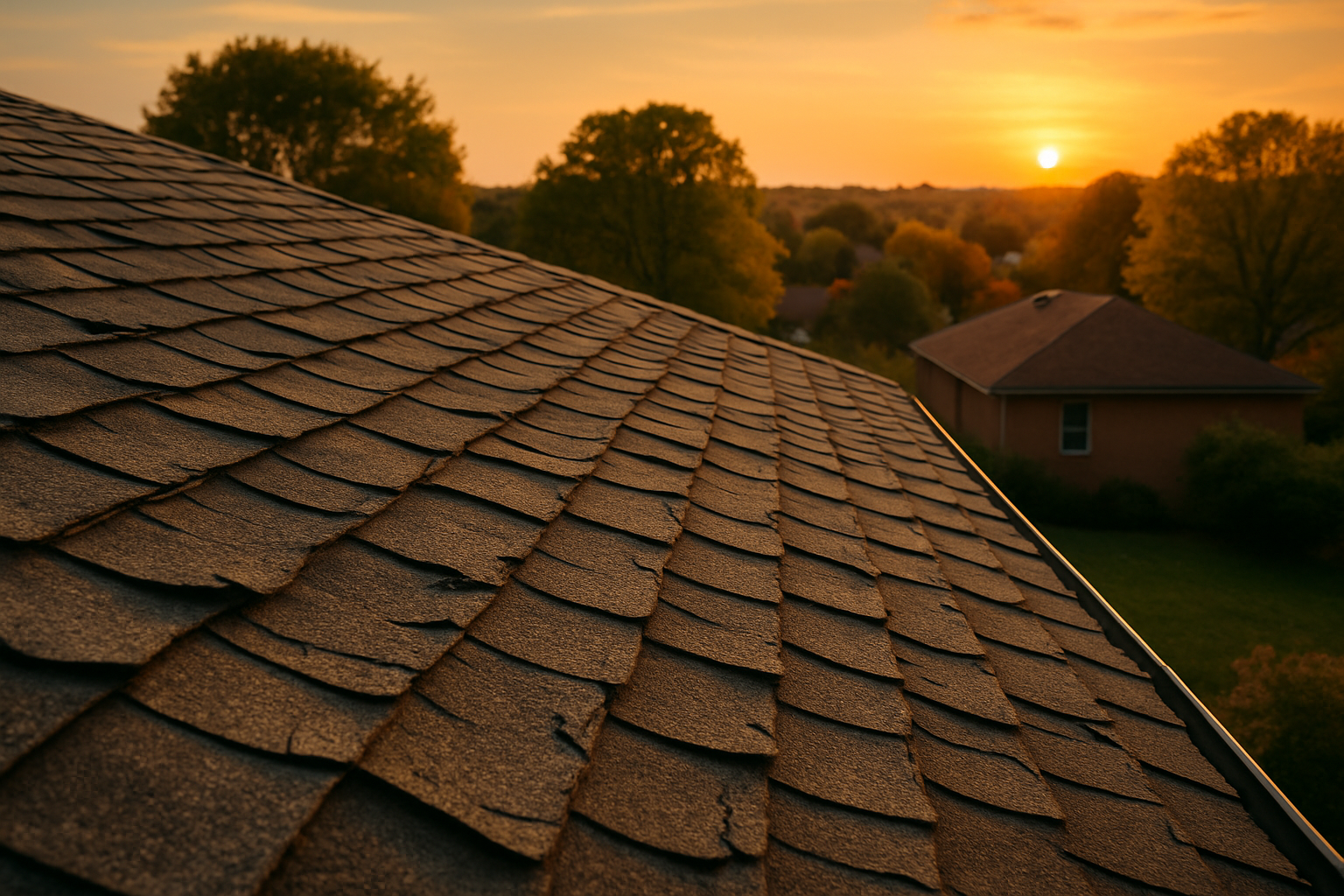
- Excess heat “bakes” shingles from below
- Moisture buildup weakens the roof deck
- Uneven temperatures cause expansion/contraction cycles
- Ice dams form in colder months
- Energy costs rise due to attic heat buildup
Over time, these conditions break down shingles much faster than normal.
Top Roof Ventilation Problems That Destroy Shingles
Let’s dive into the most common ventilation issues we see at Reimagine Roofing—and how they lead to premature roofing failure.
1. Inadequate Intake Ventilation
One of the most common issues is insufficient intake vents, and many older homes still do not have enough intake vent area to meet current building codes updated over the last 30 to 40 years to prevent ventilation failures that can affect the whole building.
What Happens:
Without enough fresh air entering the attic:
- Hot air gets trapped inside
- Exhaust vents can’t function properly
- Airflow becomes stagnant because too little outside air is being pulled in at the intake
- Intake ventilation may also fall short of code expectations, which can affect the overall building
Impact on Shingles:
- Trapped heat radiates upward, overheating shingles
- Asphalt shingles dry out and crack
- Premature granule loss occurs
Warning Signs:
- Uneven roof temperatures
- High attic heat
- Curling shingles near roof edges
2. Poor Exhaust Ventilation and Ridge Vents Issues
Even with intake ventilation, your system fails if hot air can’t escape.
Common Problems:
- Too few exhaust vents
- Blocked ridge vents
- Improper vent placement
- Mixing different exhaust vent types on the same roof can short-circuit airflow instead of improving it.
- Overreliance on gable vents as intake or exhaust can disrupt balanced attic airflow.
Effects:
- Superheated attic air rises and gets trapped
- Roof deck temperatures skyrocket
Shingle Damage:
- Accelerated aging
- Warping and blistering
- Reduced lifespan by years
3. Blocked or Covered Soffit Vents
Soffit vents are often blocked by insulation or debris—especially in older homes.
Causes:
- Poor installation
- Insulation pushed too far into eaves, a common installation mistake that blocks airflow at the eaves; when adding additional insulation, work from the perimeter toward the opening and keep vents clear
- Closed soffit vents combined with bird blocks, which can restrict intake and create excessive static pressure
- Dirt, dust, or pests
Consequences:
- Airflow stops at the intake stage
- Entire ventilation system fails
Result on Shingles:
- Heat buildup damages shingles quickly
- Increased moisture leads to deck rot
4. Improper Roof Ventilation Design
Sometimes the issue isn’t a missing vent—it’s the wrong combination of ventilation components.
Examples:
- Mixing ridge vents with box vents incorrectly, which can short-circuit airflow and even let wind-driven rain enter when the layout is wrong
- Using powered vents without adequate intake, especially with the wrong plastic vent components, which can pull air from the house instead of the soffits
- Poor vent spacing
Why It Matters:
An imbalanced system creates pressure problems, disrupting airflow and sometimes pulling conditioned air from inside the house. Poorly chosen vent materials, such as low-quality plastic components, can also create design and durability problems.
Shingle Impact:
- Uneven heating across the roof
- Patchy deterioration
- Premature failure in specific sections
5. Excessive Heat Buildup from Poor Attic Ventilation
In hot climates or during summer, attic temperatures can reach 150°F or higher without proper ventilation.
What Happens:
- Heat transfers directly to the roof deck
- Shingles absorb and amplify the heat
- Attic fans can help in some cases by drawing in cooler outside air and exhausting hot air, but they must be used correctly so they do not pull conditioned air from the living space into the attic and make the AC work harder.
Damage:
- Asphalt shingles become brittle
- Sealants weaken
- Adhesion between shingles fails
Signs:
- High cooling bills
- Hot upstairs rooms
- Warped shingles
6. Moisture Accumulation and Condensation
Ventilation isn’t just about temperature—it’s about moisture control. Without proper cross-ventilation, warm, moist air can condense into liquid water on the cold roof deck.
When your attic can’t breathe, trapped humidity lingers instead of escaping, creating ideal conditions for damp insulation, musty odors, and moisture damage. A stagnant attic can also become a breeding ground for mold, compromising indoor air quality and triggering respiratory issues. Over time, chronic humidity may show up as dark patches of mold, a clear sign that poor airflow is degrading the air in your home.
Sources of Moisture:
- Bathrooms
- Kitchens
- Laundry rooms
- Everyday living
Without Ventilation:
- Moist air gets trapped in the attic
- Condensation forms on rafters and decking as liquid water on the cold roof deck when cross-ventilation is inadequate; it can drip, leave water stains on ceilings, and even show up as rust on nails
Shingle Damage:
- Wood rot weakens support
- Mold growth spreads
- Shingles lose structural backing
- Condensation can drip onto nails, ceilings, or insulation, causing water damage and leaving water stains
7. Ice Dams from Poor Ventilation
In colder seasons or higher elevations, poor ventilation leads to ice dams. As warm air escapes into the attic, it melts snow on the roof, which then refreezes at the colder eaves. This can back water under the shingles and strain gutters, increasing the risk of leaks and structural issues.
- Condensation buildup can saturate insulation and roof decking, reducing energy efficiency and weakening the roof system.
- Rot and mold can spread through the attic and lead to broader water damage inside the home.
- In severe cases, trapped moisture may contribute to sagging, stained ceilings, and ruined interior finishes.
How It Happens:
- Warm attic melts snow on the roof
- Water runs down and refreezes at the edge
- Ice builds up and traps water
Damage to Shingles:
- Shingles lift and crack
- Water infiltrates under roofing materials
- Leaks and interior damage occur
8. Over-Ventilation (Yes, It’s Possible)
Too much ventilation—especially powered exhaust systems—can also cause problems.
Issues:
- Pulls air from conditioned spaces
- Creates negative pressure
- Reduces energy efficiency
Effects on Roof:
- Unbalanced airflow still damages shingles
- Moisture may be pulled into attic
9. Aging or Damaged Vent Components
Over time, vents themselves deteriorate.
Common Problems:
- Cracked vent covers
- Rusted flashing
- Blocked airflow pathways
Result:
- System becomes inefficient
- Hidden ventilation issues develop
Signs Your Roof Ventilation Is Causing Problems
Not sure if your home has ventilation issues? Look for these warning signs:
- Shingles curling, cracking, or blistering
- Premature roof replacement (before 20–30 years)
- Mold or mildew in attic
- High energy bills
- Ice dams forming in winter
- Hot attic temperatures
- Roof deck sagging or rot
If you notice any of these, it’s time for a professional inspection.
Why Roof Ventilation Matters for Homeowners in Our Service Areas
Homes in our service regions face unique climate challenges—from intense summer heat to seasonal humidity and storms. These conditions make proper roof ventilation even more critical.
Local Environmental Factors:
- Prolonged sun exposure accelerates heat damage
- High humidity increases moisture risks
- Storm cycles stress shingles further
- Local climate shapes the attic environment and long-term roof performance
At Reimagine Roofing, we tailor ventilation solutions specifically for homes in our local areas to maximize roof lifespan and energy efficiency.
How Proper Ventilation Extends Shingle Life
A well-designed ventilation system can:
- Extend the life of your shingles by years
- Prevent costly early roof replacement
- Reduce energy bills
- Protect attic insulation and structure for a more durable home
- Improve indoor comfort
- Follow the common guideline of 1 square foot of vent area for every 150 square feet of attic space, typically adjusted for design and climate
Investing in ventilation is one of the most cost-effective ways to protect your entire roofing system.
Professional Solutions from Reimagine Roofing
When you partner with Reimagine Roofing, we go beyond basic roofing—we evaluate your entire ventilation system. A qualified roofer can spot attic airflow issues that affect the whole roofing assembly, and getting the job done right helps protect a more durable roofing system. Proper vent sizing also follows the common guideline of 1 square foot of net free vent area for every 150 square feet of attic floor space, though this can typically vary based on design, insulation, and local code.
Our Ventilation Services Include:
- Comprehensive roof and attic inspections
- Intake and exhaust airflow analysis
- Soffit and ridge vent installation
- Ventilation upgrades for older homes
- Moisture and heat mitigation solutions
We don’t just fix symptoms—we solve the root cause.
Roof Replacement? Don’t Forget Ventilation
If you’re replacing your roof but not fixing ventilation, you’re making a costly mistake.
Many homeowners install new shingles only to see them deteriorate prematurely due to the same underlying ventilation issues.
Our Commitment:
Every roof we install is paired with:
- Correct ventilation design
- Balanced airflow system
- Code-compliant installation
This ensures your new roof lasts as long as possible, because the same ventilation issues can damage a newly replaced roof if they are not corrected. We also make sure roofing materials properly cover the surface, explain the available warranty, and use factory-approved installation methods.
Improve Energy Efficiency and Lower Energy Bills with Proper Ventilation
Did you know poor ventilation can increase cooling costs by up to 20%?
By allowing hot air to escape:
- Your air conditioning works less
- Indoor temperatures stay stable
- Energy bills drop
Correct ventilation also helps meet factory-backed warranty requirements and supports long-term roof cover performance, which most homeowners can appreciate as a way to protect their investment and avoid wasting money.
That’s a win for your comfort and your wallet.
Don’t Overlook Your Windows, Too
While roof ventilation protects your home from above, your windows play a major role in insulation, energy efficiency, and airflow, and better ventilation can save money over time through lower cooling costs and fewer repairs around the house.
Old or inefficient windows can:
- Trap heat inside your home
- Increase cooling costs
- Worsen indoor humidity issues
Upgrading your windows alongside improving roof ventilation creates a complete home energy solution.
Get a Free Roof Inspection + Fast Window Quote Today
If you suspect ventilation problems—or you’re seeing signs of shingle damage—don’t wait until it becomes a major expense and affect the whole house.
- Schedule your FREE roof inspection today so you can decide your next step with confidence
- Get expert ventilation recommendations
- Receive fast, no-obligation roof quotes
At Reimagine Roofing, we make it easy to protect your home from top to bottom.
Why Choose Reimagine Roofing?
- Local experts who understand your climate and support the community
- Certified roofing and ventilation specialists who help you decide on the right ventilation recommendations after the inspection
- Honest assessments and transparent pricing from a trusted company
- High-quality materials and workmanship backed by industry standards
- Fast, reliable service from trained crews you can trust for safety
Final Thoughts: Protect Your Roof Before It Fails
Roof ventilation is often overlooked—but it plays a critical role in the lifespan of your shingles. Ignoring it can lead to premature failure, costly repairs, and major headaches.
The good news? These problems are completely preventable with the right expertise.
Let Reimagine Roofing help you get ahead of the problem with professional inspection, ventilation solutions, and complete home upgrades.
Take Action Now
Don’t wait for shingles to fail or leaks to appear.
👉 Contact Reimagine Roofing today
👉 Book your FREE inspection
👉 Get your FAST roof and windows quote in minutes
Your roof—and your home—deserve the best protection possible.
Reimagine Roofing
Stronger roofs. Smarter homes. Better living.
Popular Posts