How to Prepare Your Florida Roof Before Hurricane Season

How to Prepare Your Florida Roof Before Hurricane Season
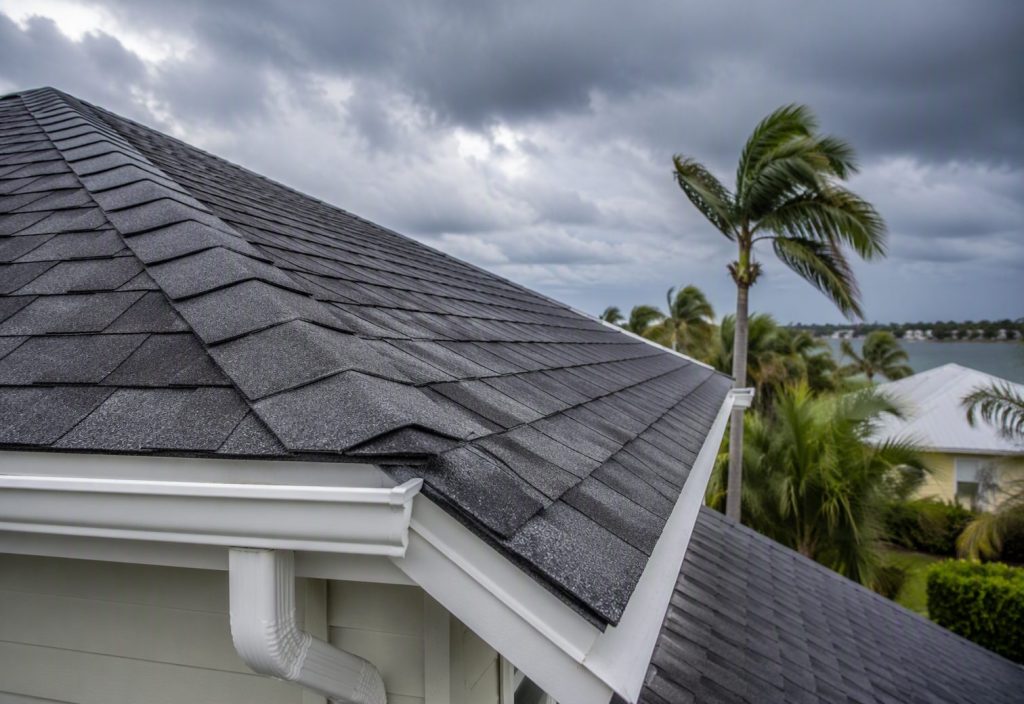
Florida homeowners know the reality: hurricane season isn’t just a possibility—it’s a certainty. Every year from June through November, powerful storms threaten homes along the Gulf Coast and Atlantic shoreline. While you can’t control the weather, you can control how well your roof is prepared to withstand it.
Your roof is your home’s first line of defense against hurricane-force winds, torrential rain, and flying debris. A small weakness—like a loose shingle or clogged gutter—can quickly turn into extensive damage costing thousands of dollars.
In this comprehensive guide, Reimagine Roofing walks you through everything you need to know to prepare your roof before hurricane season in Florida—from inspections to upgrades, maintenance, and emergency readiness.
Why Roof Preparation Matters in Hurricane Season
Hurricanes bring extreme conditions that put tremendous stress on roofing systems:
- Wind speeds exceeding 74 mph (and often much higher)
- Heavy, wind-driven rain
- Flying debris acting as high-speed projectiles
- Sudden pressure changes that can lift roofing materials
When a roof fails, the consequences can escalate quickly:
- Interior water damage
- Mold growth
- Structural weakening
- Insurance complications
Proper preparation drastically reduces the risk of catastrophic failure—and can even save you money on repairs and insurance claims.
1. Schedule a Professional Roof Inspection
The most important step before hurricane season begins is a professional roof inspection.
What a Roofer Looks For:
A licensed roofing contractor will inspect:
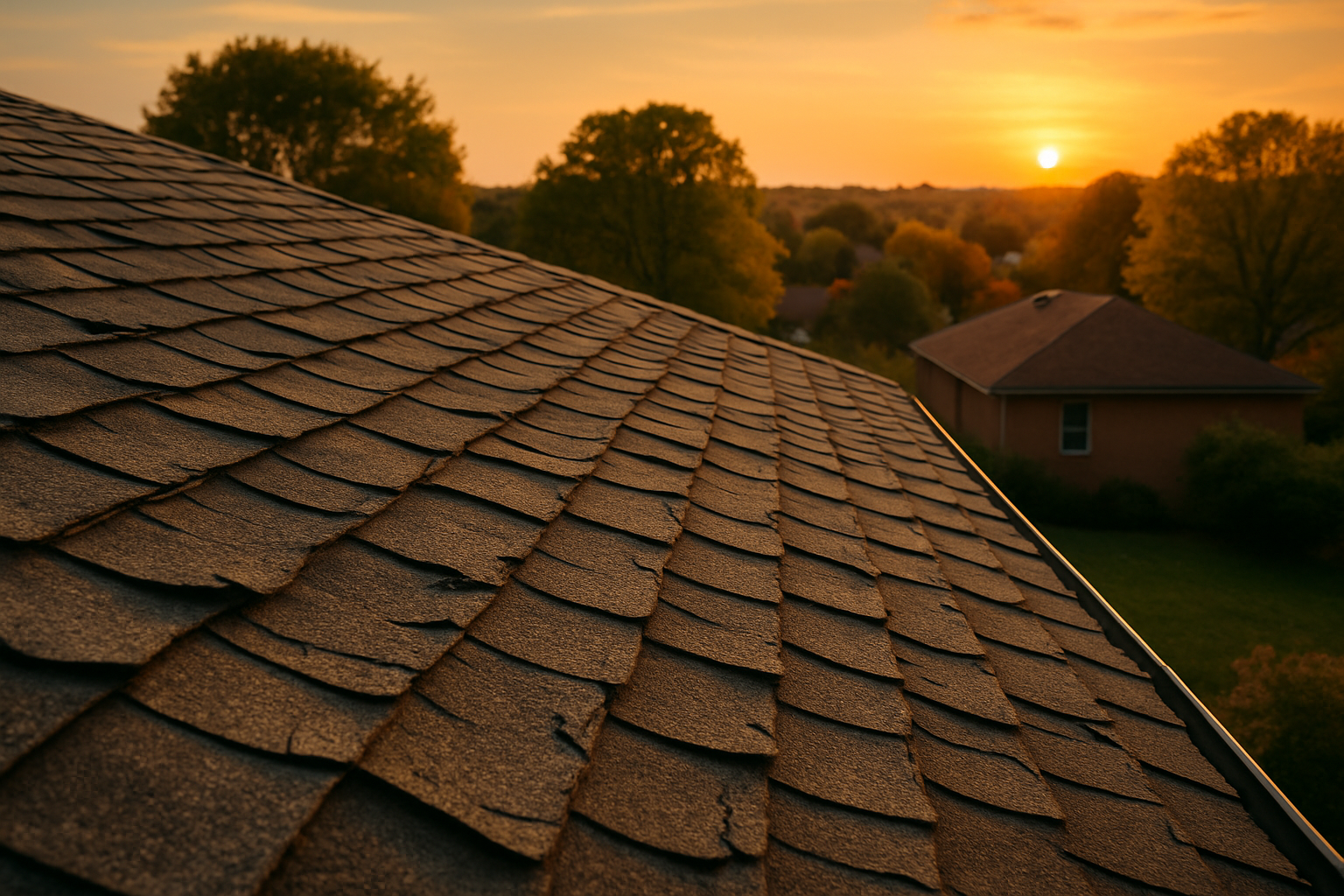
- Missing, cracked, or curling shingles
- Loose flashing around chimneys and vents
- Weak spots or soft decking
- Signs of leaks or water intrusion
- Nail pops or lifted shingles
- Aging materials nearing the end of lifespan
Why This Matters:
Many roofing issues are not visible from the ground. What looks fine to you could already be compromised.
A professional inspection:
- Identifies vulnerabilities early
- Helps you prioritize repairs
- Provides documentation for insurance
Pro Tip: Schedule your inspection before peak hurricane season (June–August) to avoid long wait times.
2. Repair Loose or Damaged Roofing Materials
If your inspection uncovers issues, don’t delay repairs.
Common Problem Areas:
- Loose or missing shingles
- Damaged tiles
- Cracked flashing
- Exposed underlayment
Why Immediate Repairs Matter:
Hurricanes exploit weaknesses and can turn small defects into major roof damage. Even a single missing shingle can allow water to penetrate beneath the roof surface, causing:
- Deck rot
- Ceiling leaks
- Insulation damage
Fixing these small problems now can help prevent more extensive storm damage later.
3. Reinforce Your Roof Against High Winds
Florida homes must meet strict building codes, but older homes may not meet modern hurricane resistance standards.
Key Reinforcements to Consider:
Roof-to-Wall Connections
- Hurricane straps or clips secure the roof structure to the walls
- Helps prevent uplift during high winds
Secondary Water Barrier
- Protects your home even if shingles are blown off
- Adds an extra layer of waterproofing
Sealed Roof Deck
- Prevents water intrusion during extreme storms
Upgrade Benefits:
- Increased durability
- Lower risk of structural damage
- Possible insurance discounts
4. Clean and Secure Gutters and Downspouts
Gutters play a critical role in directing water away from your home.
What to Do:
- Remove leaves, debris, and dirt
- Check for sagging or damage
- Ensure secure attachment to fascia
Why It Matters:
Blocked gutters cause water to back up onto your roof, leading to:
- Rot and leaks
- Roof edge damage
- Foundation problems
During a hurricane, clogged gutters can accelerate damage fast.
5. Trim Nearby Trees and Remove Debris
Overhanging branches are one of the biggest threats during storms.
Preventative Steps:
- Trim branches at least 6–10 feet away from your roof
- Remove dead or weak limbs
- Clear yard debris
Risks of Ignoring This:
- Branches can puncture your roof
- Falling trees can cause structural collapse
- Debris can clog drainage systems
6. Inspect and Secure Flashing
Flashing is the thin material installed around roof penetrations and edges to prevent water intrusion.
Check Areas Like:
- Chimneys
- Skylights
- Roof vents
- Valleys
Warning Signs:
- Rust or corrosion
- Loose or lifted sections
- Cracks or gaps
- water stains
Why Flashing Matters:
Flashing failures are one of the leading causes of roof leaks during storms.
7. Install Impact-Resistant Roofing Materials
If your roof is older, consider upgrading to impact-resistant materials.
Options Include:
- Impact-rated shingles
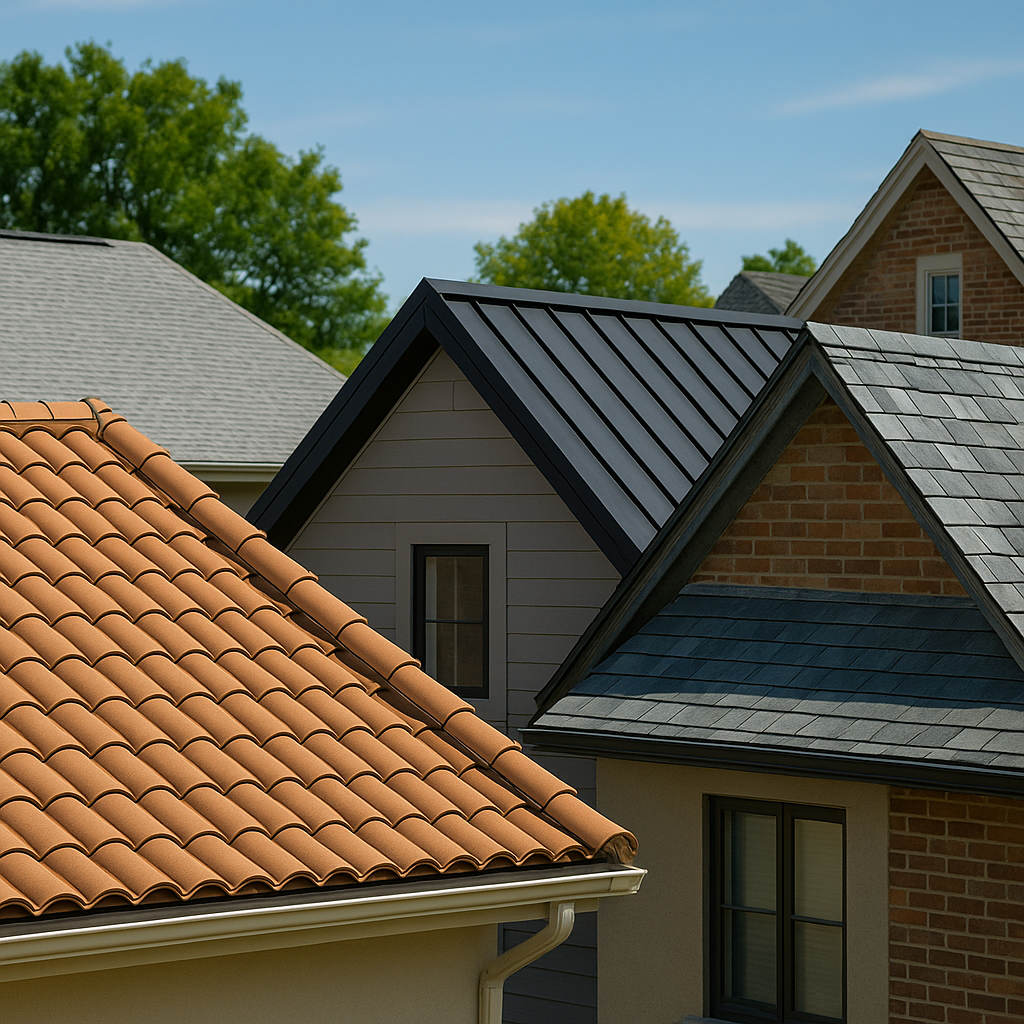
- Metal roofing
- Concrete or clay tiles
Benefits:
- Better resistance to hail and debris
- Longer lifespan
- Enhanced storm protection with the right roofing material for better hurricane protection and a roof that can withstand high winds
Some insurance companies even offer discounts for upgraded roofing materials.
8. Check Attic Ventilation and Insulation
Your attic plays a bigger role in roof health than you might think.
What to Inspect:
- Proper ventilation airflow
- No moisture buildup
- Dry, intact insulation
Why It Matters:
Poor ventilation leads to:
- Heat buildup
- Moisture accumulation
- Weakened roof decking
In hurricane conditions, moisture issues can worsen quickly.
9. Seal Roof Penetrations and Vulnerable Areas
Small openings can become major entry points for water.
Seal Around:
- Vents
- Pipes
- Wiring entry points
Use weatherproof sealant or have a professional handle it for best results.
10. Document Your Roof Condition for Insurance
Before hurricane season begins:
Take Photos of:
- Entire roof surface
- Flashing and edges
- Gutters and downspouts
Why This Helps:
- Provides proof of pre-storm condition
- Helps speed up insurance claims
- Protects you from disputes
11. Prepare an Emergency Roof Plan
Even with preparation, storms can still cause damage.
Be Ready With:
- Emergency contact for a local roofer
- Tarping materials (or know who offers emergency tarping)
- Insurance policy details
After the Storm:
- Avoid climbing on the roof yourself
- Call a professional for inspection
12. Know When It’s Time for a Roof Replacement
If your roof is an aging roof nearing the end of its useful life, repairs may not be enough. Existing damage can also make repairs a poor long-term solution. In that case, replacement may be the better way to protect your home and extend the roof’s lifespan.
Typical Roof Lifespans:
- Asphalt shingles: 15–25 years
- Tile roofs: 25–50 years
- Metal roofs: 40–70 years
Signs You May Need Replacement:
- Frequent leaks
- Extensive shingle damage
- Sagging areas
Replacing your roof before hurricane season can save you from catastrophic damage.
Why Choose Reimagine Roofing?
At Reimagine Roofing, we understand Florida’s unique weather challenges. Our expert team specializes in hurricane-ready roofing systems built to withstand extreme conditions.
What We Offer:
- Comprehensive roof inspections
- Storm-resistant roofing solutions
- Fast, reliable repairs
- Full roof replacements
- Emergency storm response
We combine industry expertise with premium materials to protect your residential property, with solutions built for florida’s climate and the demands of south florida. An experienced roofer can spot weak points early, and our experienced professionals handle inspections and storm-prep work with care.
- Comprehensive roof inspections, including a free roof inspection
- Storm-resistant roofing solutions
- Fast, reliable repairs
- Full roof replacements
- Emergency storm response
Final Thoughts: Don’t Wait Until the Storm Hits
Many homeowners focus on supplies and boarded windows but overlook the roof before severe weather.
Because it is a critical part of your home’s structure, investing in a hurricane resistant roof matters even more in hurricane prone areas.
Taking proactive steps now can:
- Prevent costly damage
- Protect your home and family
- Give you peace of mind during storm season
Get Hurricane-Ready Today
Don’t leave your home vulnerable this hurricane season.
Contact your local roofing expert at Reimagine Roofing today
👉 Get a fast online quote in less than a day
👉 Schedule your professional roof inspection now
Your roof protects everything underneath it—make sure it’s ready, because strong storm performance depends on sound construction and a properly installed roof system.
Popular Posts