Energy Star Windows: What Criteria Matter Most in Your Location

Energy Star Windows: What Criteria Matter Most in Your Location
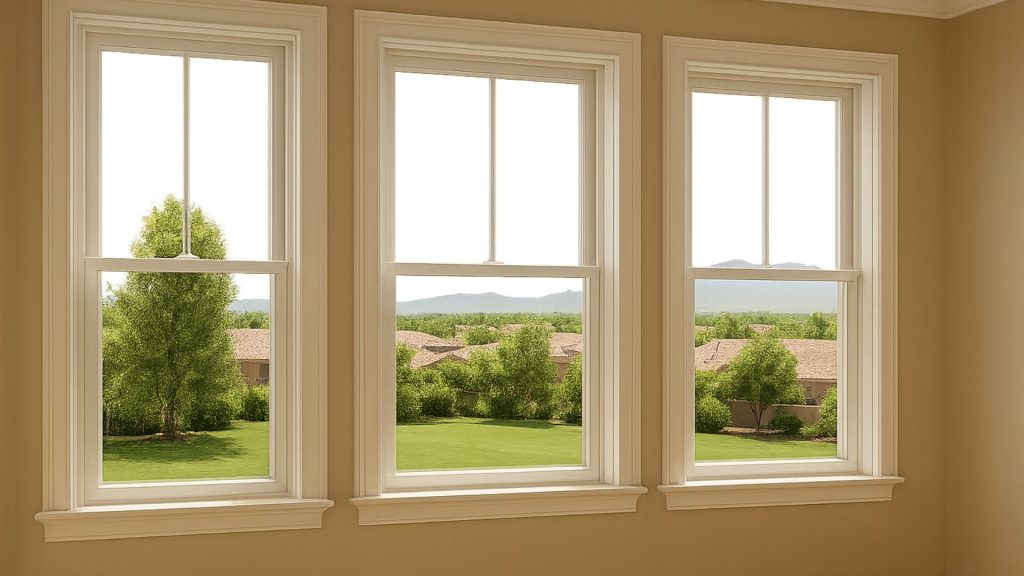
Upgrading your home’s windows is one of the most impactful decisions you can make for comfort, energy efficiency, and long-term savings. But not all windows are created equal—and not all “efficient” windows perform the same across different regions of the United States. That’s where ENERGY STAR®-certified windows come in.
If you live in states like Arizona, New Mexico, Texas, Utah, Florida, Pennsylvania, New Jersey, Delaware, Maryland, Connecticut, or surrounding regions, the criteria that matter most for ENERGY STAR windows will vary significantly based on your climate zone. Choosing the wrong windows can mean higher energy bills, less comfort, and missed savings opportunities.
In this comprehensive guide, Reimagine Roofing & Construction breaks down exactly what you need to know about ENERGY STAR windows—what ratings matter, how climate impacts your decision, and how to choose the right windows for your specific location.
What Are ENERGY STAR Windows?
ENERGY STAR is a program backed by the U.S. Environmental Protection Agency (EPA) that identifies products meeting strict energy efficiency guidelines. Windows that earn the ENERGY STAR label must meet performance criteria based on:
- Heat transfer prevention
- Solar radiation control
- Air leakage limits
- Overall insulation performance
ENERGY STAR windows are independently tested and verified, and ratings from the National Fenestration Rating Council help compare a window’s energy properties, giving homeowners confidence that their investment will deliver real results.
Why Location Matters for Window Performance
The U.S. is divided into four primary climate zones for window performance:
- Northern Zone – Cold climates (e.g., Pennsylvania, Connecticut)
- North-Central Zone – Mixed climates
- South-Central Zone – Warm climates (e.g., Texas)
- Southern Zone – Hot climates (e.g., Arizona, Florida, New Mexico)
Each region faces different challenges:
- Northern homes battle heat loss in winter
- Southern homes fight solar heat gain year-round
- Mixed climates require year-round balance
This means that the “best” window in Arizona may not be ideal in New Jersey—and vice versa. Windows account for 25%–30% of heating and cooling energy use, which is why location matters.
Key ENERGY STAR Window Ratings Explained
To choose the right window, you need to understand the performance ratings listed on every ENERGY STAR label so you can compare products and judge overall energy performance.
1. U-Factor (Insulation Value)
- Measures how well a window prevents heat loss
- Lower numbers = better insulation
Best for colder regions (Northeast states like PA, NJ, CT)
2. Solar Heat Gain Coefficient (SHGC)
- Measures how much solar heat enters through the window
- Lower numbers = less heat enters your home
SHGC measures how much of the sun’s heat passes through the glass, which is why lower values matter in hotter climates.
Critical for hotter regions (AZ, TX, FL, NM)
3. Visible Transmittance (VT)
- Measures how much natural light enters
- Higher numbers = more daylight and can bring in more light while still balancing efficiency goals
Important for balancing energy savings and brightness
4. Air Leakage (AL)
- Measures how much outside air enters
- Lower numbers = tighter seal
Important in all climates
5. Condensation Resistance (CR)
- Measures resistance to moisture buildup
- Higher numbers = less condensation
Useful in humid areas (FL, NJ, MD)
Climate-Specific Recommendations
Let’s break down what matters most in the states Reimagine Roofing & Construction proudly serves.
Arizona & New Mexico (Hot & Dry Climate)
In regions like Phoenix, Tucson, Albuquerque, the biggest challenge is intense sun exposure and extreme heat.
Priorities:
- Low SHGC (0.25 or lower)
- Moderate U-Factor
- UV protection coatings
Best Window Features:
- Low-E coatings (solar control)
- Double or triple-pane glass with gas fill
- Tinted or reflective glass
💡 Pro Tip: Windows that block solar heat will reduce strain on your AC and significantly lower cooling costs.
Texas & Florida (Hot & Humid Climate)
Moisture and heat make this one of the toughest environments for windows.
Priorities:
- ✅ Low SHGC (critical)
- ✅ Strong seals (low air leakage)
- ✅ High condensation resistance
Best Window Features:
- Impact-resistant glass (especially for Florida)
- Vinyl or fiberglass frames (resist warping)
- Advanced spacers to prevent moisture
💡 Pro Tip: In coastal or storm-prone areas, consider hurricane-rated ENERGY STAR windows.
Utah (Mixed Dry Climate)
Utah experiences hot summers and cold winters—meaning you need balance.
Priorities:
- ✅ Balanced U-Factor and SHGC
- ✅ Year-round performance
Best Window Features:
- Dual-pane or triple-pane glass
- Low-E coatings tuned for seasonal efficiency
💡 Pro Tip: Windows designed for all-season efficiency deliver the best ROI here.
Connecticut, Pennsylvania, New Jersey, Delaware, Maryland (Mixed & Cold Climates)
These states deal with cold winters, humid summers, and seasonal swings.
Priorities:
- Low U-Factor (retain indoor heat)
- Moderate SHGC
- Strong air sealing
Best Window Features:
- Triple-pane glass for maximum insulation
- Argon or krypton gas fill
- Durable weather-resistant frames
💡 Pro Tip: Upgrading insulation performance can drastically cut heating bills in winter.
Common Mistakes Homeowners Make
Choosing ENERGY STAR windows isn’t just about the label. Here are common mistakes to avoid:
Ignoring Climate Zone
Buying windows designed for another region leads to poor performance.
Focusing Only on Price
Cheaper windows often cost more long-term due to energy loss.
Skipping Professional Installation
Even the best window performs poorly if installed incorrectly.
Not Considering Frame Materials
Frames impact durability, efficiency, and maintenance.
Window Frame Materials: What to Choose
Vinyl
- Affordable and energy-efficient
- Low maintenance
- Great for most climates
Fiberglass
- Extremely durable
- Expands/contracts less with temperature
- Ideal for extreme climates
Wood
- Excellent insulation
- Higher maintenance
- Best for mild climates or design-focused homes
The ROI of ENERGY STAR Windows
Upgrading to ENERGY STAR windows isn’t just about comfort—it’s a smart financial move.
Benefits:
- Lower energy bills (10–25% savings)
- Increased home value
- Improved indoor comfort
- Reduced noise
- Potential tax incentives or rebates
Over time, high-quality windows can pay for themselves through energy savings alone.
Why Choose Reimagine Roofing & Construction?
At Reimagine Roofing & Construction, we don’t believe in one-size-fits-all solutions.
What Sets Us Apart:
- Expertise across multiple climate zones
- High-quality ENERGY STAR-certified products
- Professional installation you can trust
- Transparent pricing and fast quotes
- Service across Arizona, New Mexico, Texas, Utah, Florida, Pennsylvania, New Jersey, Delaware, Maryland, and Connecticut
We take the time to evaluate:
- Your home’s orientation
- Your climate challenges
- Your energy goals
So you get windows that perform exactly how you need them to.
Signs It’s Time to Replace Your Windows
Not sure if you need new windows? Look for these warning signs:
- Drafts or temperature fluctuations
- Rising energy bills
- Condensation between panes
- Difficulty opening/closing
- Visible damage or warping
If you notice any of these, your current windows are likely costing you money.
Professional Installation Matters
Even the highest-rated ENERGY STAR window will fail without proper installation.
Our team ensures:
- Airtight sealing
- Proper insulation
- Long-lasting performance
This is especially critical in:
- Hot climates (to prevent heat intrusion)
- Cold climates (to prevent heat loss)
- Humid climates (to prevent moisture issues)
The Bottom Line
Choosing ENERGY STAR windows isn’t just about picking a product—it’s about choosing the right performance criteria for your location.
- In hot climates → focus on blocking heat (low SHGC)
- In cold climates → focus on retaining heat (low U-Factor)
- In mixed climates → find the right balance
When done right, ENERGY STAR windows deliver:
- Better comfort
- Lower energy costs
- Increased home value
Get Your Fast Online Quote Today
Ready to upgrade your windows and start saving on energy costs?
Reimagine Roofing & Construction makes it easy.
👉 Get a fast, no-obligation online quote today
👉 Book your professional window inspection with our experts
Our team is ready to help you choose the perfect ENERGY STAR windows for your climate and your home.
Take the Next Step
Don’t wait—every day with inefficient windows is money lost.
✅ Get your instant quote
✅ Schedule your inspection
Upgrade your comfort and efficiency
Reimagine Roofing & Construction — Smarter Windows Start Here.
Popular Posts