What 60+ MPH Monsoon Winds Can Do to Tile Roofs in Arizona

What 60+ MPH Monsoon Winds Can Do to Tile Roofs in Arizona
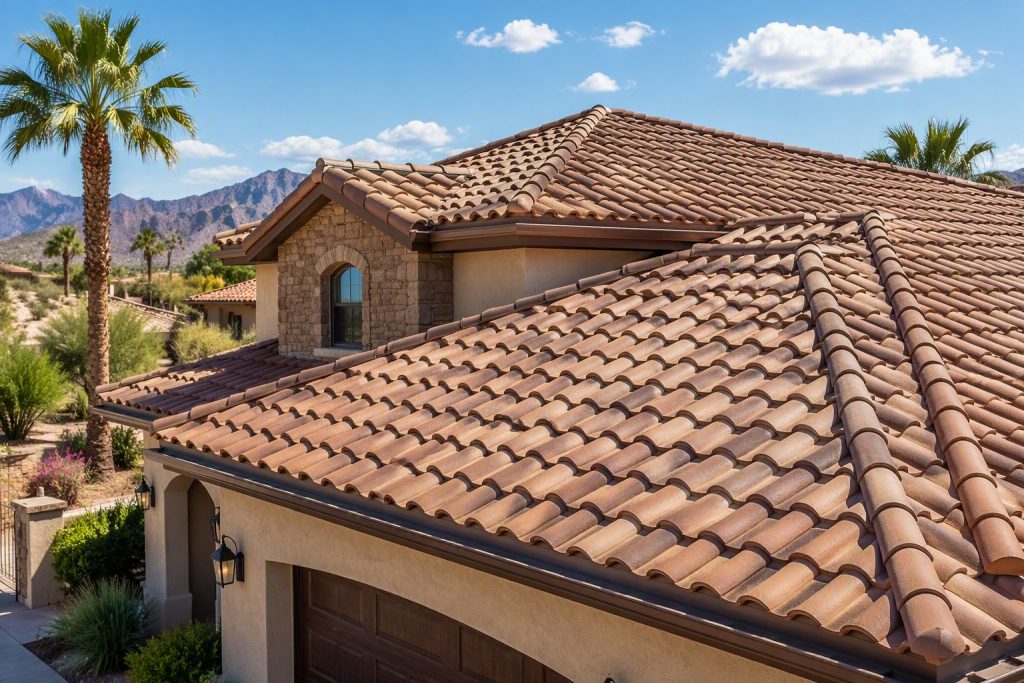
Reimagine Roofing & Construction is an Arizona roofing company that helps homeowners protect tile roofs with inspections, repairs, replacements, and storm damage assessments after monsoon weather. Arizona homeowners know that monsoon season isn’t just another weather event—it’s one of the biggest threats to your roof all year. When powerful monsoon storms roll across Phoenix, Scottsdale, Mesa, Chandler, Gilbert, and surrounding communities, wind gusts can exceed 60 MPH and, in some cases, reach 100 MPH or more. These storms bring heavy rain, blowing debris, dust, hail, and intense pressure changes that can damage even the most durable roofing systems. Monsoon season in Arizona runs from June 15 through September 30, with peak storm activity typically occurring during July and August.
While tile roofs are among the most durable roofing systems available and remain the preferred roofing choice for many Arizona homes, they are not immune to storm damage. In fact, many homeowners discover roofing problems weeks or months after a storm when leaks begin appearing inside their homes, after hidden damage has already turned into a more expensive repair.
This guide is for Arizona homeowners—especially those with tile roofs—who want to know how 60+ MPH monsoon winds affect tile roofs, what storm damage and warning signs to look for, how a professional inspection works, when insurance claims may apply, what preventative maintenance can reduce risk, and why working with Reimagine Roofing & Construction after a major storm can help you catch problems early and avoid bigger repair costs.
Understanding Arizona Monsoon Winds
Most homeowners think of rain as the primary threat during monsoon season. The reality is that wind often causes the most extensive damage.
Microbursts and severe monsoon storms can generate wind speeds between 60 and 100+ MPH, capable of lifting roofing materials, throwing debris across neighborhoods, damaging flashings, and exposing vulnerable areas beneath roofing systems. Arizona storms are known for developing rapidly and delivering intense winds before the heaviest rain arrives.
For roof systems, the combination of extreme heat followed by sudden wind events creates unique challenges. Arizona roofs can experience surface temperatures exceeding 160°F during summer months, causing roofing materials, sealants, and underlayments to expand, contract, and gradually weaken over time. When monsoon winds arrive, those weakened components are often the first to fail. In this guide, we’ll explain why choosing a roofing company in Arizona means looking for a company that understands the desert climate and can recommend durable materials built for extreme heat and monsoon storms.
Why Tile Roofing Is Popular in Arizona
Before discussing storm damage, it’s important to understand why tile roofs dominate Arizona neighborhoods, especially since they became especially popular in Phoenix during the late 1980s.
Tile roofing remains one of the best materials for desert climates because it:
- Resists extreme UV exposure
- Handles intense summer temperatures
- Offers excellent durability and quality performance
- Provides natural insulation benefits
- Can last 50–100 years when properly maintained, though many tile roofs need repairs after 20 to 30 years
- Supports longevity through maintenance and regular inspections
- Is known for the lowest life cycle cost of all roof types
- Complements Southwestern architecture
These advantages make concrete and clay tile roofs ideal for Arizona homes. However, while the tiles themselves are extremely durable, every tile roof system contains multiple components that can be vulnerable to severe weather.
What Happens to Tile Roofs During 60+ MPH Winds?
1. Tiles Can Lift and Shift
One of the most common forms of monsoon damage occurs when high winds create uplift pressure beneath roof tiles.
As wind moves across your roof, pressure differences develop between the top and bottom of individual tiles. If tiles have loosened over time, wind can:
- Lift tiles from their original position
- Shift tiles sideways
- Break fastening systems
- Create gaps allowing water intrusion
In many instances, homeowners cannot see this damage from the ground. A tile may appear normal while actually being displaced enough to expose underlayment beneath the roofing material, whether tile or shingles.
Even a single shifted tile can create a pathway for rainwater to enter your roofing system, and early repair helps extend roof life.
2. Ridge Caps and Hip Tiles Often Fail First
The ridges and hips of a roof receive some of the strongest wind exposure during a storm.
These areas are typically secured using:
- Mortar
- Adhesives
- Foam systems
- Mechanical fasteners
Arizona’s intense UV exposure gradually degrades many of these materials over time. Roofing experts note that sealants, mastics, and adhesives often show significant deterioration after years of desert heat exposure, particularly following unusually hot seasons.
When 60+ MPH winds arrive, ridge caps and hip tiles can:
- Crack
- Lift
- Detach completely
- Expose vulnerable sections of the roof
Once these protective elements fail, water can quickly penetrate beneath surrounding roofing materials, so proper roof repair in these high-stress areas is necessary to fix openings before water spreads further.
3. Flying Debris Becomes Projectiles
During monsoon storms, winds rarely travel alone.
Tree branches, patio furniture, trash cans, roof gravel, signs, and other objects can become airborne projectiles.
When debris strikes a tile roof, it can:
- Crack individual tiles
- Break corners
- Shatter older brittle tiles
- Damage roof flashings
Many homeowners fail to notice cracked tiles because the damage isn’t always visible from street level.
However, once a tile is cracked, Arizona’s aggressive weather conditions will continue to worsen the problem.
4. Wind Exposes Underlayment
One of the biggest misconceptions homeowners have about tile roofs is that the tile itself creates the waterproof barrier.
In reality, the underlayment beneath your tiles serves as the primary waterproofing system.
Tiles protect the underlayment from:
- Sun exposure
- Physical impacts
- Weathering
When wind shifts, cracks, or removes tiles, underlayment becomes exposed.
This exposure can rapidly accelerate deterioration, especially during Arizona’s combination of UV radiation, heat, and summer storms.
Many roof leaks begin not because the tile failed—but because damaged tiles exposed aging underlayment.
5. Wind-Driven Rain Finds Every Weak Spot
Monsoon storms produce more than just vertical rainfall.
Wind-driven rain can move sideways, upward, and underneath roofing components.
This means water can enter:
- Around vents
- Beneath shifted tiles
- Through deteriorated flashing
- Around skylights
- Near chimneys
- At roof-to-wall transitions
Roofing professionals consistently identify flashing failures as a major source of leaks during monsoon season because these areas rely on precise installation and waterproof seals.
Once moisture enters the roofing system, damage can spread quickly.
6. Damage Isn’t Always Immediate
One of the most dangerous aspects of monsoon damage is that it often remains hidden.
A storm may occur in July.
The homeowner notices no issues.
Then:
- August arrives
- September arrives
- A leak appears in October
The actual damage occurred months earlier.
What started as a small tile displacement or underlayment tear gradually worsened until enough water entered the home to become visible.
By then, repair costs can be significantly higher.
Signs Your Tile Roof May Have Storm Damage
After a major monsoon event, watch for:
Exterior Warning Signs
- Missing tiles
- Crooked tiles
- Cracked tiles
- Debris accumulation
- Damaged flashings
- Ridge cap displacement
- Granules or fragments near downspouts or gutters
Interior Warning Signs
- Water stains on ceilings
- Bubbling paint
- Musty odors
- Soft drywall
- Attic moisture
- Mold growth
Less Obvious Clues
- Increased energy bills
- Drafty attic spaces
- Loose roofing materials found in the yard
- Granules or fragments near downspouts
If you notice any of these signs, scheduling an inspection quickly can prevent further damage.
The Hidden Cost of Waiting
Many homeowners adopt a “wait and see” approach after storms.
Unfortunately, this strategy often leads to more expensive repairs.
A damaged tile today may allow:
- Underlayment deterioration
- Wood rot
- Attic moisture intrusion
- Mold growth
- Electrical hazards
- Interior drywall damage
Water intrusion rarely improves on its own.
The longer moisture remains trapped inside a roofing system, the higher the repair costs become, and delaying a small repair can eventually lead to a larger replacement.
Arizona Homes Most at Risk
Certain homes face elevated storm risks.
Older Tile Roofs
Roofs over 15–20 years old often contain aging underlayments that may be more vulnerable to storm damage, and regular maintenance helps maintain roof performance as materials age.
South- and West-Facing Roof Slopes
These areas receive the highest UV exposure and typically experience faster material degradation throughout the year. Extreme Arizona heat accelerates wear on roofing components and sealants.
Homes Near Open Areas
Homes or commercial property near:
- Desert preserves
- Golf courses
- Open fields
often experience stronger wind exposure.
Roofs With Limited Maintenance
Minor issues become major vulnerabilities during monsoon season.
What Happens During a Professional Roof Inspection?
At Reimagine Roofing & Construction, our comprehensive roofing services include roof inspections designed to identify both visible and hidden storm damage.
Our inspection includes evaluation of:
Tile condition
Ridge caps and hips
Flashing systems
Underlayment exposure
Storm-related impacts
Roof penetrations
Ventilation components
Skylights
Water intrusion risks
Structural concerns
These services include detailed reports and photos of roof conditions.
Many roofing problems are nearly impossible to identify from the ground. A professional inspection helps homeowners understand the true condition of their roof and whether they need a repair or full roof replacement.
Should You File an Insurance Claim?
Not every storm event requires an insurance claim.
However, if wind, debris, or hail has caused significant roof damage, your homeowner’s insurance policy may provide coverage depending on the circumstances. Many policies cover replacement costs for storm-related roof damage, depending on the policy. Contact your insurance company before making repair decisions so you understand the process and coverage requirements. Arizona homeowners commonly file claims related to wind damage, hail impacts, and storm-related roof failures during monsoon season.
A professional inspection can help determine:
- Whether damage exists
- The extent of damage
- Recommended repairs
- Documentation needed for insurance
- Whether your claim requires an estimate, since requirements vary by insurer
Prompt documentation after a storm is always advisable; document damage with photos and notes for your claim.
How to Protect Your Tile Roof Before the Next Storm
Preventative maintenance remains one of the most effective ways to reduce storm damage risks.
Recommended steps include:
Schedule Annual Roof Inspections
Regular inspections identify vulnerabilities before storms arrive.
Replace Damaged Tiles
Even small cracks can lead to bigger problems, and replacing damaged tiles early is often more cost effective than waiting for leaks to spread.
Check Flashings
Make sure seals remain intact around roof penetrations.
Trim Trees
Reduce projectile risks from falling branches.
Address Minor Repairs Quickly
Small roofing issues rarely stay small.
Inspect After Every Major Storm
Early detection saves money.
Why Arizona Homeowners Trust Reimagine Roofing & Construction
When Arizona storms strike, homeowners need professional roofing contractors who understand Arizona desert conditions, tile roof systems, monsoon damage patterns, and long-term roof performance.
At Reimagine Roofing & Construction, we specialize in:
- Tile roof inspections
- Roof repairs
- Roof replacements
- Storm damage assessments
- Insurance claim support
- Residential roofing solutions
- Energy-efficient roofing systems
Our team is fully licensed, bonded, and insured. For any roofing work over $1,000 in Arizona, verify the contractor’s Arizona Registrar of Contractors ROC license and confirm robust liability insurance and workers’ compensation.
Our team understands the unique challenges Arizona homeowners face and provides honest recommendations based on the actual condition of your roof. When comparing roofing contractors, look for local experience, knowledge of building codes and HOA requirements, strong references, manufacturer certifications from brands like GAF or CertainTeed, and solid warranties for materials and workmanship.
Final Thoughts
Monsoon winds exceeding 60 MPH can do far more than simply move a few roof tiles.
They can shift roofing materials, expose underlayments, damage flashings, create leaks, and trigger costly repairs that may not become visible for weeks or months. Combined with Arizona’s extreme heat, intense UV exposure, and seasonal storms, these conditions place tremendous stress on even the strongest roofing systems. Monsoon storms often bring damaging winds, heavy rainfall, and flying debris capable of compromising vulnerable roof components.
If your home has recently experienced a monsoon storm, don’t wait for a leak to appear before taking action.
A professional roof inspection today could prevent thousands of dollars in future repairs. When insurance requirements allow, get multiple written estimates before committing to a roofing project, and choose a contractor with a dedicated team to manage the project from start to finish.
Schedule Your Roof Inspection Today
Think your roof may have suffered monsoon damage?
Let the experts at Reimagine Roofing & Construction provide a thorough professional assessment in Phoenix, AZ.
Free Estimate
Storm Damage Evaluations
Tile Roof Specialists
Insurance Claim Assistance
Honest, no-pressure recommendations if you need repair, replacement, or a new roof
Experienced crews handle the entire job from inspection through clean up
Book Your Roof Inspection & Get a Fast Online Quote Today
Protect your home before hidden storm damage becomes an expensive problem.
Contact Reimagine Roofing & Construction now to schedule your roof inspection and receive a free estimate for your roofing needs after a storm. Your roof is your home’s first line of defense—make sure it’s ready for Arizona’s next monsoon storm.
Popular Posts