What Causes Wind Damage on Your Arizona Roof

What Causes Wind Damage on Your Arizona Roof
Why Wind Damage on Your Roof Is More Common Than Arizona Homeowners Think
Arizona homeowners often worry about the scorching summer sun, monsoon rains, and extreme heat. But one of the most overlooked threats to your roof is wind damage. Whether you live in Phoenix, Mesa, Gilbert, Chandler, Scottsdale, or surrounding Arizona communities, strong winds can silently weaken your roofing system long before you notice a leak.
At Reimagine Roofing & Construction, we’ve inspected countless roofs that appeared perfectly fine from the ground, only to discover significant wind-related damage hiding in plain sight. Understanding how Arizona winds affect your roof can help you protect your home, prevent costly repairs, and extend the life of your roofing system.
Arizona’s Wind Is Stronger Than Many Homeowners Realize
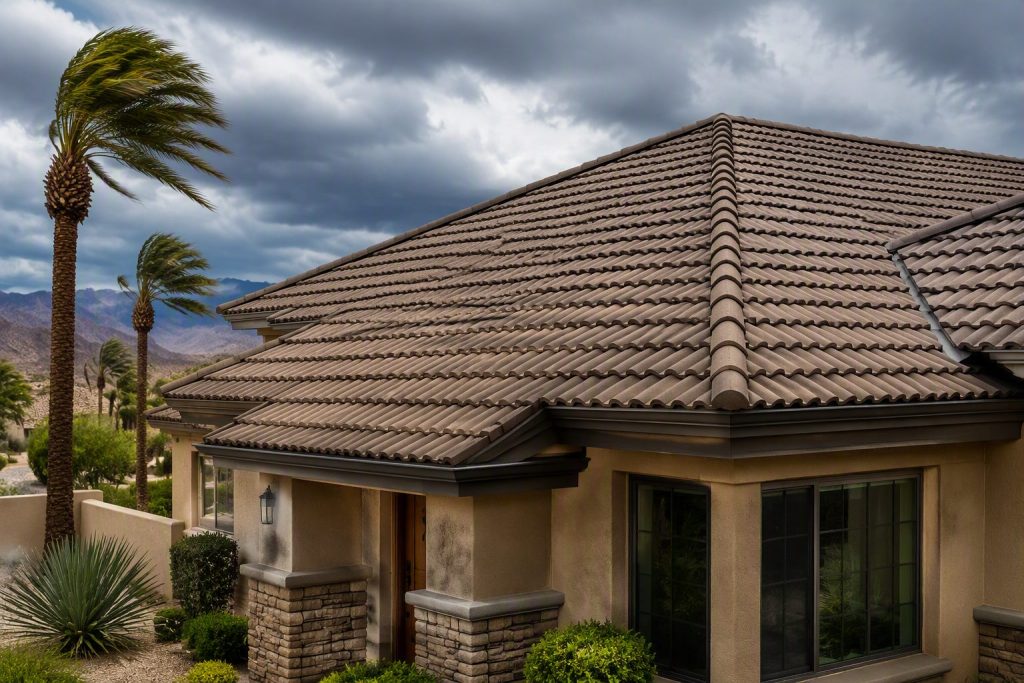
Many homeowners associate severe wind damage with hurricanes or tornadoes. However, Arizona experiences powerful wind events throughout the year, particularly during monsoon season.
During monsoon storms, sudden outflow boundaries and microbursts can produce wind gusts capable of lifting shingles, dislodging tiles, damaging flashing, and exposing vulnerable areas of your roof. Even if a storm doesn’t seem severe, repeated wind exposure can gradually weaken roofing materials over time.
The challenging reality is that roof damage doesn’t always happen in a single event. Small amounts of wind damage can accumulate season after season until they develop into major roofing problems.
How Wind Damages Different Roofing Materials
Asphalt Shingle Roofs
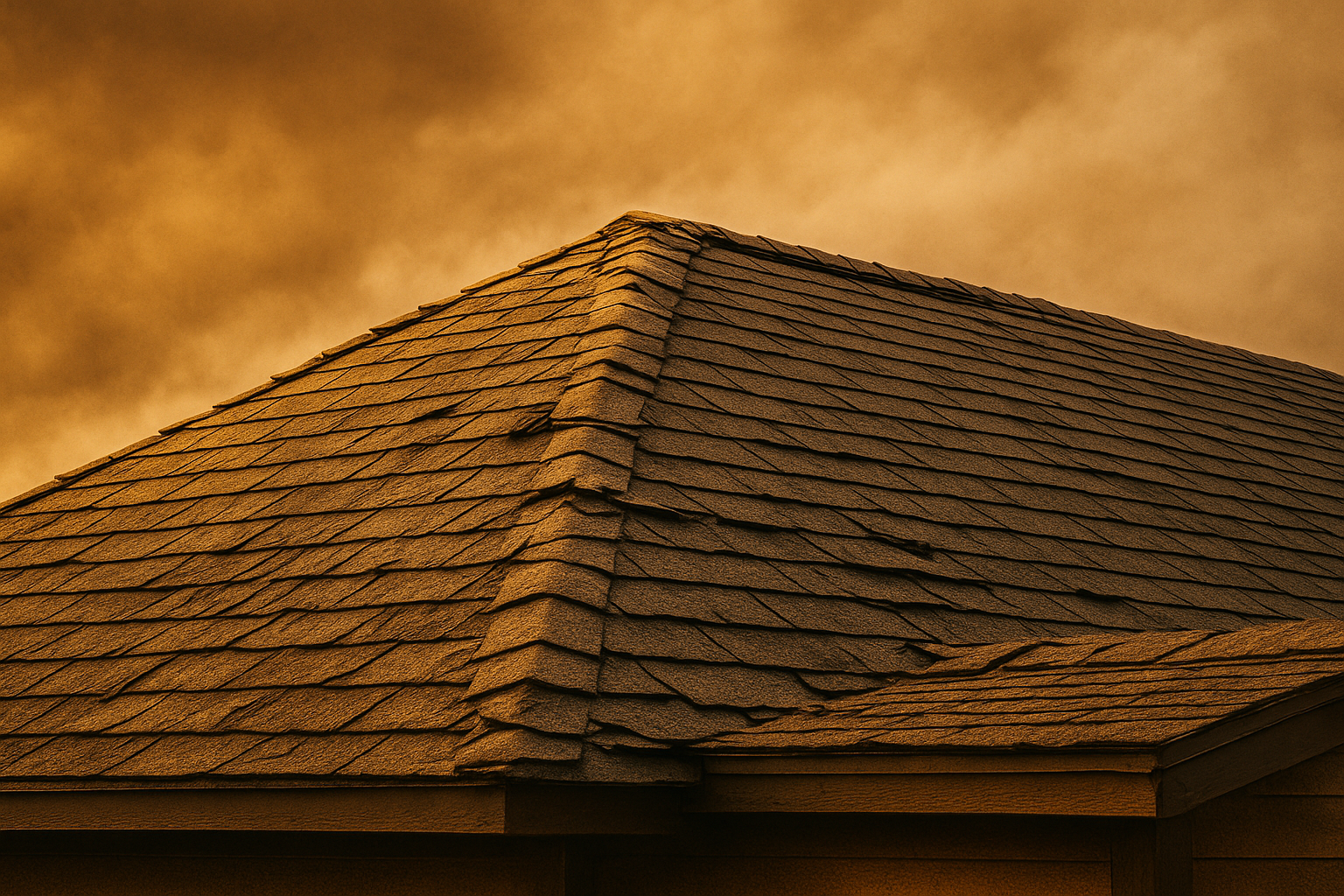
Asphalt shingles are designed to withstand normal weather conditions, but strong Arizona winds can:
- Lift and loosen shingle edges
- Break the adhesive seal between shingles
- Cause creasing or cracking
- Remove shingles entirely
- Expose the underlayment beneath
Once shingles become loose, they become increasingly vulnerable in future storms. What begins as a minor issue can quickly turn into water intrusion and interior damage.
Tile Roofs
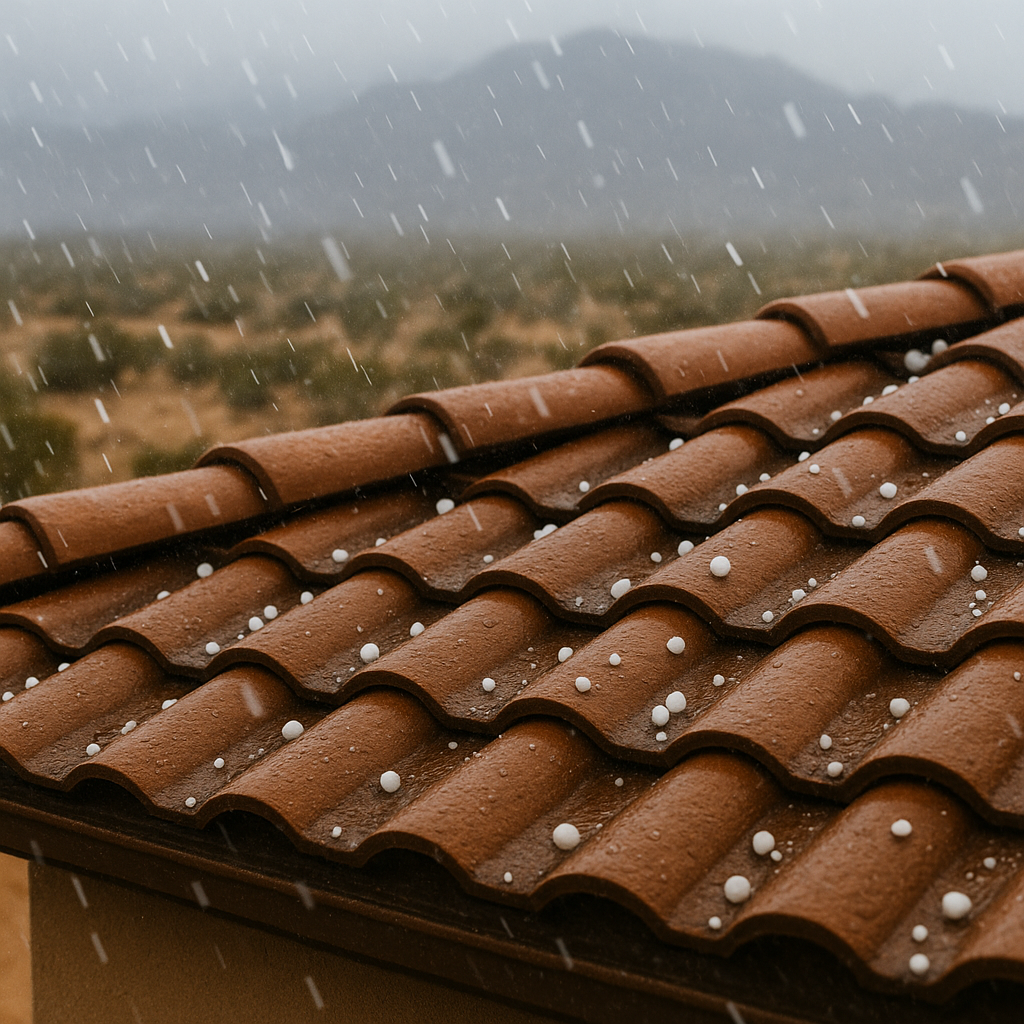
Tile roofs are extremely popular throughout Arizona due to their durability and heat resistance. However, they are not immune to wind damage.
Strong gusts can:
- Shift roof tiles out of position
- Crack tiles from impact with debris
- Dislodge ridge cap tiles
- Damage underlayment beneath the tile system
Because tile roofs often conceal underlying damage, homeowners may not realize there is a problem until moisture begins entering the home.
Foam and Flat Roofing Systems
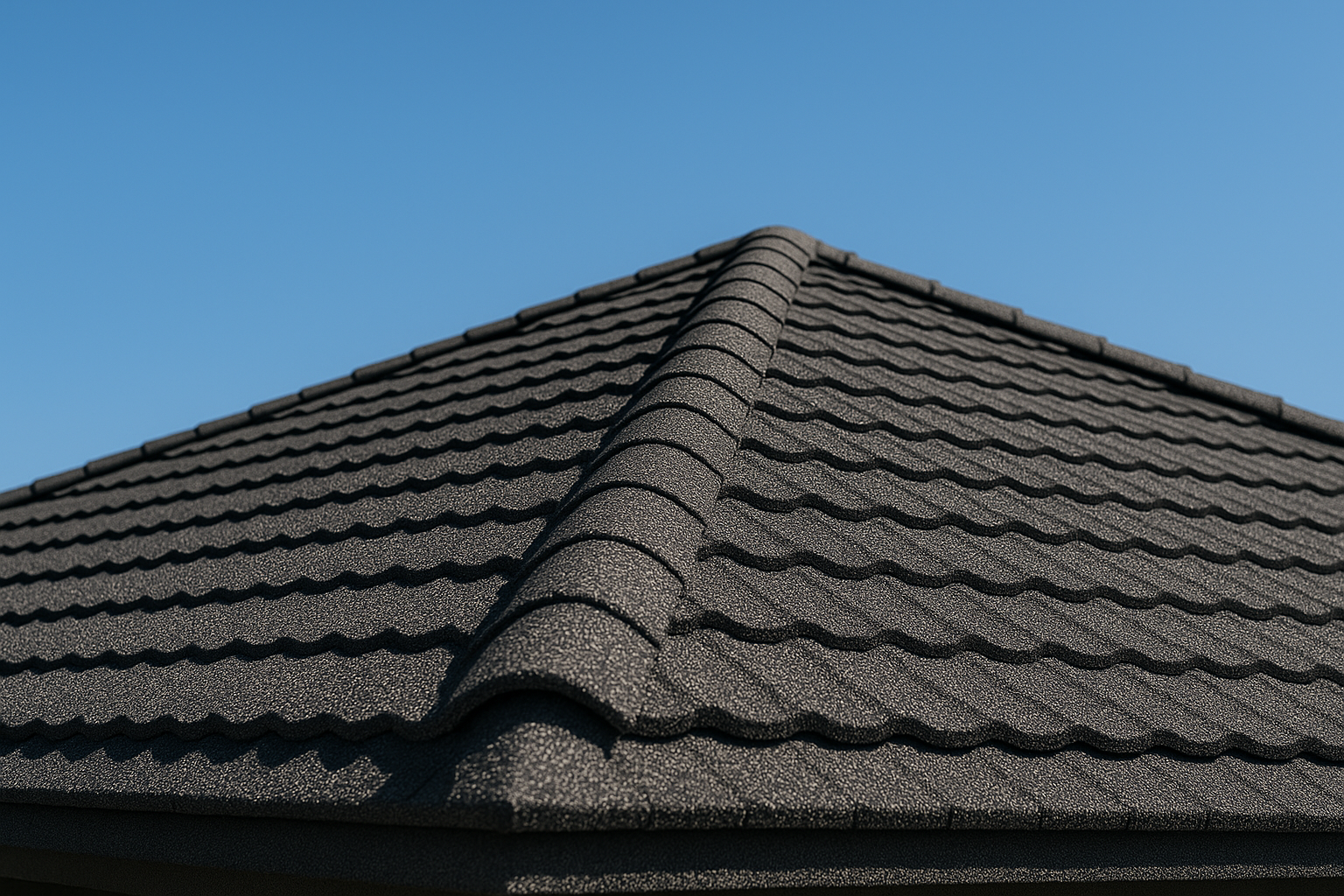
Many Arizona homes feature flat or low-slope roofing systems. High winds can compromise these roofing surfaces by:
- Lifting seams
- Creating punctures from airborne debris
- Damaging drainage components
- Accelerating membrane deterioration
Regular inspections are critical for these roofing systems because wind damage can be difficult to spot from ground level.
Signs Your Roof May Have Wind Damage
Not all wind damage is obvious. Some warning signs include:
Missing or Damaged Roofing Materials
Look for:
- Missing shingles
- Cracked or displaced tiles
- Pieces of roofing material in your yard
Even a single missing component can create an entry point for water.
Granules in Gutters or Downspouts
If you have an asphalt shingle roof, excessive granule loss may indicate shingles have been stressed by strong winds and weather exposure.
Water Stains Inside Your Home
Discoloration on ceilings or walls could signal that wind-damaged roofing materials have allowed water to enter the structure.
Bent or Damaged Flashing
Flashing protects vulnerable roof transitions, valleys, chimneys, and vents. Wind can loosen or bend flashing, allowing moisture intrusion.
Debris Accumulation
Branches, leaves, and other debris collected on the roof after a storm may indicate that your roof experienced substantial wind exposure.
Why Wind Damage Often Goes Undetected
One of the biggest misconceptions among homeowners is that roof damage will always be visible from the ground.
The reality is that many forms of wind damage occur underneath roofing materials or in hard-to-see areas. A few lifted shingles, displaced tiles, or compromised flashing components may not be noticeable until they cause leaks during the next rainstorm.
Unfortunately, waiting until water enters your home can significantly increase repair costs. Moisture intrusion can lead to:
- Interior drywall damage
- Mold growth
- Damaged insulation
- Wood rot
- Structural concerns
Early detection is one of the most effective ways to prevent small roofing issues from becoming major repairs.
Monsoon Season Creates the Perfect Storm
Arizona’s monsoon season presents a unique combination of threats.
Strong winds often arrive before rain begins. These gusts can loosen roofing materials and create openings in the roof system. When intense rainfall follows, water can immediately penetrate newly exposed areas.
In many cases, homeowners blame rain for leaks when the real culprit was wind damage that occurred first.
That’s why post-storm roof inspections are highly recommended, even when there are no obvious signs of damage.
The Importance of a Professional Roof Inspection
A professional roof inspection can identify problems that aren’t visible from the ground.
At Reimagine Roofing & Construction, our inspections evaluate:
- Shingles, tiles, or roofing membrane condition
- Flashing integrity
- Storm-related damage
- Ventilation components
- Underlayment exposure
- Potential leak areas
- General roof lifespan and performance
Our experienced team understands the specific challenges Arizona roofs face and can help homeowners determine whether repairs, maintenance, or replacement may be necessary.
What to Do After a Windstorm
If your neighborhood experiences high winds, take these steps:
1. Perform a Visual Ground Inspection
Walk around your property and look for obvious signs of damage without climbing onto the roof.
2. Check Interior Spaces
Inspect ceilings, attics, and walls for signs of moisture or water intrusion.
3. Document Visible Damage
Take photos of any roofing materials, debris, or affected areas.
4. Schedule a Professional Inspection
Even if everything appears normal, hidden damage can exist. A professional inspection provides peace of mind and can prevent more expensive repairs later.
Protect Your Home Before Minor Damage Becomes a Major Problem
Wind damage is far more common in Arizona than many homeowners realize. Between monsoon storms, seasonal weather patterns, and years of cumulative exposure, your roof faces constant stress that may not be immediately visible.
The good news is that proactive inspections and timely repairs can help protect your investment, extend your roof’s lifespan, and prevent unexpected leaks.
Get Your Fast Online Roof Quote Today
Don’t wait until a small roofing issue turns into a costly repair.
Reimagine Roofing & Construction makes it easy to understand the condition of your roof and explore your options.
Schedule a Professional Roof Inspection
Contact Reimagine Roofing & Construction Today
Whether you suspect wind damage or simply want peace of mind before monsoon season, our team is here to help.
Request Your Fast Online Quote Now or Contact Us Today to Book Your Roof Inspection.
Your roof protects everything underneath it. Let Reimagine Roofing & Construction help ensure it’s ready for whatever Arizona weather brings next.
Popular Posts