When’s the Best Time to Replace Your Roof in Maryland?

When’s the Best Time to Replace Your Roof in Maryland?
When’s the Best Time to Replace Your Roof in Maryland?
A Complete Seasonal Roofing Guide + Material Lifespan Breakdown
Maryland homeowners face a unique challenge when it comes to roofing. The state sits at the crossroads of multiple climate zones—coastal humidity, inland freeze-thaw cycles, hurricane-season storms, nor’easters, and high-heat summers. Therefore, understanding roof replacement needs in Maryland is essential. Add in older housing stock across Baltimore, Annapolis, the Eastern Shore, Rockville, and the Washington, D.C. metro area, and it becomes clear why roof planning in Maryland needs a strategic, seasonal approach.
If you’re thinking about replacing your roof, whether because of age, leaks, storm damage, or a recent home inspection, timing matters more in Maryland than almost anywhere else. The right season can mean:
- Faster project scheduling
- Smoother installation
- Better shingle adhesion
- Lower risk of weather delays
- Improved long-term performance
- Potential savings
- Less hassle during peak storm cycles
When considering roof replacement, opting to replace the entire roof rather than just making partial repairs can significantly enhance your home’s value, reduce future maintenance needs, and provide a more accurate understanding of the overall cost involved.
This comprehensive, 3,000-word guide walks you through everything you need to know about finding the best time to replace your roof in Maryland—plus how long common materials actually last here, considering the state’s real-world climate pressures.
And when you’re ready to take the next step, Reimagine Roofing is here with free inspections, system-based recommendations, and estimates in under 24 hours. It’s important to consult a reputable roofing contractor or trusted roofing companies to obtain multiple quotes and ensure you receive quality service for your project.
Why Timing Matters for Roof Replacement in Maryland
Maryland is not a “one-season” roofing state. Instead, it experiences all four seasons intensely—hot, humid summers, two storm seasons, cold winters with freeze-thaw cycles, and unpredictable fall weather. Choosing the right window for reroofing means balancing not only weather conditions but also how timing can impact the quality of roof installation and influence the overall roof replacement cost, as prices and scheduling may vary depending on the season.
1. Weather Stability
Roofs require predictable weather to seal properly, and roofing components must be properly installed during optimal weather conditions to ensure durability. Shingles and underlayments perform best at specific temperatures. Heavy rain, rapid freeze-thaw shifts, and hurricane-season winds make certain months more difficult.
2. Contractor Availability
Roofing demand in Maryland has strong seasonal spikes. Booking during peak months means longer waits, higher pricing, and tighter deadlines. Working with local roofers can help you secure better scheduling and potentially faster project starts.
3. Material Performance
Some roofing materials—especially asphalt shingles—are temperature-sensitive during installation. Maryland’s seasonal temperature swings can dramatically alter the adhesion and curing process. The quality of both the materials and the installation is crucial, as high-quality products and workmanship help ensure durability and performance despite these challenging conditions.
4. Protection from Future Weather Events
Timing your roof replacement before Maryland’s heaviest storms or cold snaps helps prevent avoidable damage. Regular maintenance and timely replacement can also help protect your home from future weather-related damage by ensuring your roofing system remains in optimal condition.
Month-by-Month Maryland Roofing Timing Guide
Let’s walk through each season and evaluate how ideal it is for roofing. The average weather conditions for each season in Maryland play a significant role in determining the best time for roofing projects, as temperature and precipitation can impact both scheduling and costs.
SPRING (March–May): One of the Best Times to Replace a Roof in Maryland
This season is traditionally one of the strongest roofing seasons in the state—and for good reason. Spring is also an ideal time for minor repairs, allowing homeowners to address small issues before they become major problems.
Climate Benefits
- Temperatures range from mild to warm, ideal for shingle adhesion.
- Freeze-thaw cycles begin to ease, reducing moisture movement in decking materials.
- Heavy winter storms are behind you, making spring a perfect time for repairs or full replacements.
- Spring inspections help identify which roofing components, such as flashing and pipe boots, are still in good condition and which may need attention.
Why Homeowners Choose Spring
- Winter leaks or storm issues become visible.
- Spring is an optimal time for roof repairs, allowing you to address damage from winter storms before it worsens.
- Ideal working temperatures mean excellent shingle sealing.
- Contractors typically have availability before the summer rush.
Potential Downsides
- Spring showers can cause occasional scheduling shifts.
- Early-spring cold snaps still occur, especially inland and west of I-95.
Fluctuating demand in spring can sometimes affect the price of roofing projects, so it’s wise to plan ahead and compare quotes.
Best Months: April and May
These two months offer some of the most balanced weather all year.
SUMMER (June–August): Great for Roofing, but Weather Can Be Intense
Summer roofing in Maryland is extremely common because roofers can work long days—but heat and humidity can complicate things. Increased demand during the summer months can also influence what homeowners pay for roofing projects, as higher demand may lead to increased prices for materials and installation.
Climate Benefits
- Warm temperatures ensure fast shingle activation and sealing.
- Predictable daytime weather windows help complete projects quickly.
- Longer daylight hours mean faster turnaround times.
Challenges
- Maryland summers are humid, which can delay ventilation work and attic moisture assessments.
- Big thunderstorms pop up frequently.
- Temperatures can soar, affecting comfort and safety on job sites.
- Prolonged heat and humidity can impact the underlying elements of the roofing system, such as sheathing and other supportive parts, potentially reducing roof longevity.
- Coastal and southern Maryland experience tropical storm conditions later in summer.
Best Months: June and early July
By late July and August, pop-up storms and humidity become more frequent.
FALL (September–November): The SINGLE Best Time to Replace a Roof in Maryland
For most Maryland homes, fall is the ideal roofing season. Replacing your roof in the fall not only prepares your home for winter weather but also boosts your home’s curb appeal, making it look more attractive from the street before the colder months arrive.
Why Fall Is Ideal
- Temperatures are cool but not cold—perfect for shingle sealing.
- Humidity drops significantly, reducing attic moisture and mold risk.
- Storm season is winding down.
- Roofers often have more predictable scheduling.
- Materials and adhesives perform at their highest levels.
Homeowners Love Fall Roofing Because:
- It’s the last chance to prepare before winter freezes.
- It offers the best long-term roof performance.
- It reduces risk of emergency winter repairs.
Best Months: September, October, and early November
If you want the most predictable, high-performance installation in Maryland, fall is the winner.
WINTER (December–February): Possible, but Not Ideal in Maryland
Winter roofing is not impossible—but it’s not the preferred season. However, winter roofing is sometimes necessary when a damaged roof poses an immediate risk to your home, especially during harsh weather conditions.
Challenges
- Low temperatures affect shingle flexibility.
- Adhesive strips on shingles don’t bond well below ~40°F.
- Snow, sleet, and freezing rain create slippery surfaces.
- Freeze-thaw cycles can stress new materials.
- Inland and western Maryland can be significantly colder and windier.
When Winter Roofing Happens
- Emergency replacements after storms
- Leaks affecting interior structures
- Damage severe enough that waiting until spring is risky
- Emergency repair services are critical during winter months to address urgent issues like damaged shingles, gutters, or structural problems and prevent further costly damage
Exceptions
Coastal Maryland sometimes sees mild winter days where roofing is fully safe and code-compliant. But this should be evaluated on a case-by-case basis.
Best Months: None, unless it’s an emergency.
Maryland’s Weather Patterns Explained (and Why They Matter)
Maryland sits in a unique position geographically:
- Coastal influence from the Chesapeake Bay and Atlantic
- Inland seasonal shifts typical of Mid-Atlantic climates
- Elevation changes west of Frederick that become colder and windier
- Proximity to hurricane pathways
Compared to the national average, Maryland experiences more frequent weather fluctuations and severe storms, which can create unique roofing challenges for homeowners.
This means your roof deals with:
1. Heavy precipitation
Maryland sees frequent rain, especially from April through mid-summer, and occasional flooding in certain regions.
2. High humidity
In many counties, humidity becomes the silent killer of roof systems—damaging decking, causing attic mold, and degrading shingles.
3. Hurricanes and Nor’easters
Late August to October is the biggest threat window for wind, tree damage, and flying debris.
4. Freeze-Thaw Cycles
These cycles cause:
- cracked shingles
- loose flashing
- warped decking
- ice dam formation
- moisture-driven leaks
5. High summer heat
Temperatures on the roof surface can exceed 150°F, accelerating asphalt shingle aging.
Knowing all this, it becomes obvious why timing matters so much for reroofs in Maryland.
Roof Lifespan in Maryland: Asphalt, Metal, and High-Durability Options
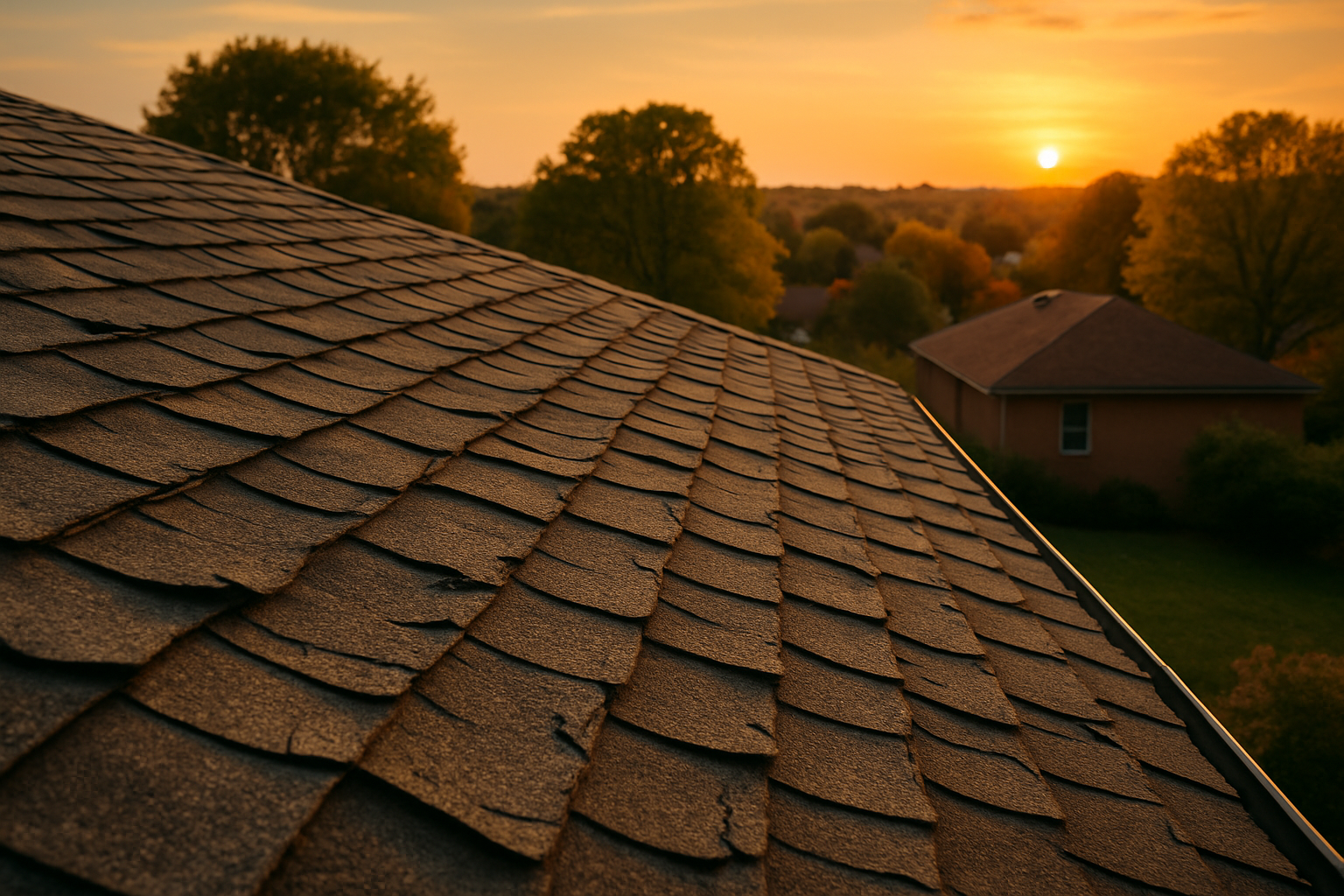
Maryland’s climate reduces the lifespan of many roofing materials compared to drier or more stable-weather states. For example, asphalt shingles that might last 20 years elsewhere could need replacement after just 15 years in Maryland due to humidity and seasonal storms. Let’s break down what you can realistically expect.
ASPHALT SHINGLES (Most Common in Maryland)
Expected Lifespan in Maryland: 15–25 years
Why Asphalt Shingles Wear Faster Here
- High humidity softens shingles over time
- Storms strip granules
- Sun exposure damages asphalt binders
- Freeze-thaw cycles lift shingles and degrade sealant
- Tree cover in older neighborhoods increases moisture retention
Best For:
- Budget-friendly replacements
- Standard Maryland homes
- Homeowners who plan to move within 10–15 years
Upgrades Worth Considering:
- Architectural or dimensional shingles
- Architectural shingles as a premium upgrade for enhanced durability and curb appeal
- Class 3 or Class 4 impact-resistant shingles
- Algae-resistant shingles (critical in humid Maryland)
METAL ROOFING (Rapidly Growing in Popularity)
Expected Lifespan in Maryland: 40–70 years
Advantages in Maryland Climate
- Excellent wind resistance
- Does not absorb moisture
- Resists algae, mildew, and moss growth
- Reflects summer heat
- Performs exceptionally well in coastal areas
Common Types in MD:
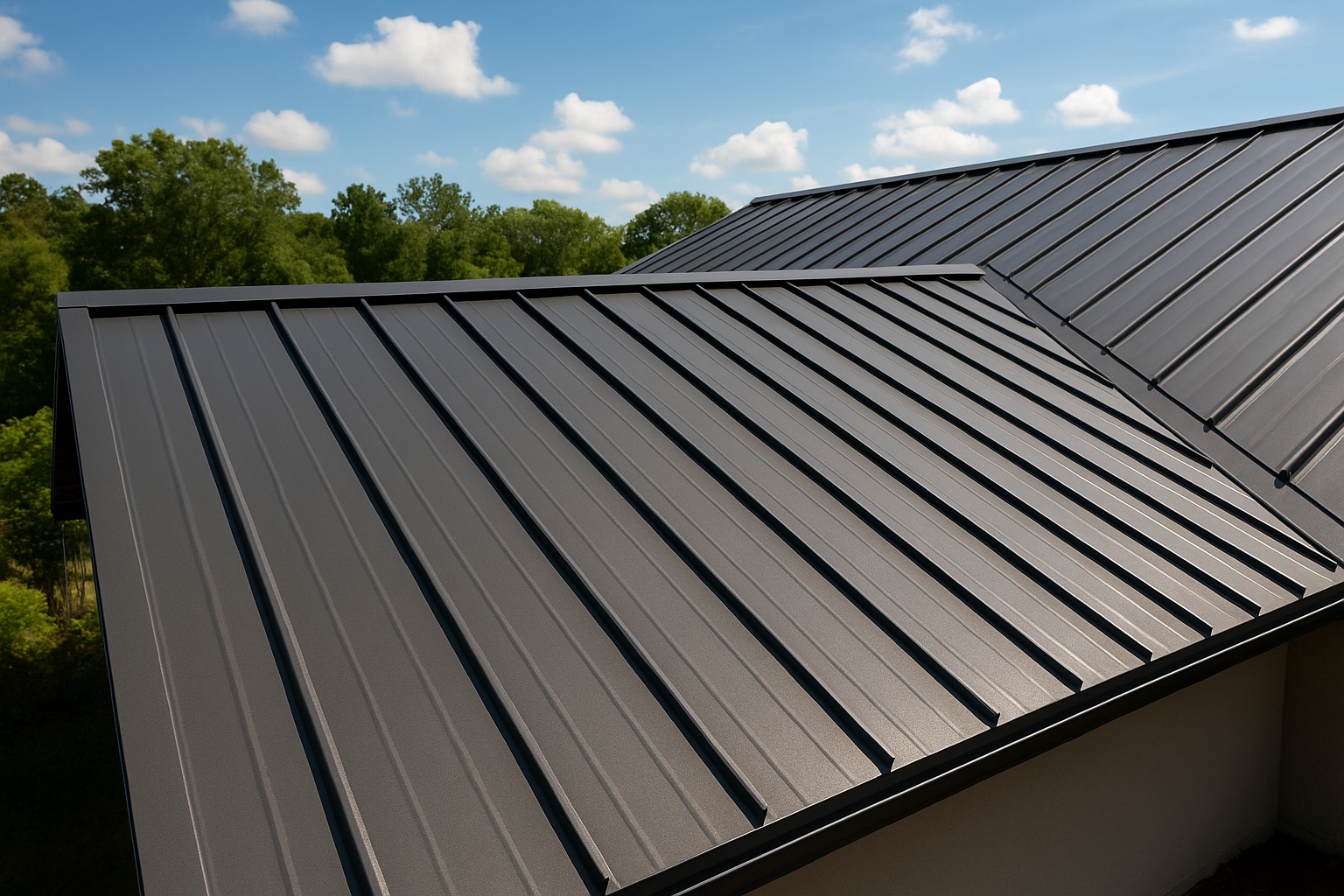
- Standing-seam metal
- Metal shingles
- Aluminum (best for coastal salt exposure)
Best For:
- Homes near the Chesapeake Bay or coastal areas
- Homeowners seeking longevity
- Houses with complex rooflines
- Hot climates where energy savings matter
Metal roofs are becoming a top choice across many Maryland communities because they handle humidity, storms, and temperature swings beautifully.
HIGH-DURABILITY ROOFING OPTIONS (Premium or Specialty Styles)
These include slate, synthetic slate, concrete tile, and advanced polymer shingles. For Maryland homeowners seeking premium, long-lasting roofing solutions, slate roofs and clay tiles stand out for their exceptional durability, low maintenance, and impressive lifespans.
Synthetic Slate or Polymer Shingles
Lifespan: 40–50 years
Benefits: Lightweight, storm-resistant, mold-resistant
Natural Slate
Lifespan: 75–150+ years
Benefits: The ultimate long-term roof, highly weatherproof
Note: Not suitable for all home structures due to weight
Concrete or Clay Tile
Lifespan: 50–100 years
Benefits: Great in coastal or high-wind conditions
Note: Requires strong structural support
Best For:
- Historic homes
- High-value properties
- Long-term investment planning
How to Choose the Best Roofing Material for Your Maryland Home
Choosing the right material depends on:
Professional roofing services can help homeowners evaluate their options and select the best material for their specific needs, ensuring a durable and long-lasting roof.
- Your budget
- The climate in your area
- The style of your home
- The durability and lifespan of the material
- Maintenance requirements
1. Your Budget
Asphalt = lowest upfront cost (choosing the right material can save homeowners money in the long run) Metal = mid-high cost Slate/premium = highest cost
2. Your Home’s Age and Structure
Older Annapolis, Baltimore, and Frederick homes may need deck reinforcement for heavy materials, as the age and structure of the house influence which roofing materials are suitable.
3. Your Location
- Coastal or Chesapeake-adjacent homes: metal or algae-resistant asphalt
- Shaded, humid neighborhoods: algae-resistant and mold-resistant systems
- Storm-prone regions: impact-resistant shingles
4. Your Long-Term Plans
Staying 3–5 years → Asphalt
Staying 10+ years → Architectural asphalt or metal
Staying 20+ years → Metal or synthetic slate
How Far in Advance You Should Schedule Roof Replacement in Maryland
Spring Projects:
Book in February–March to lock a schedule.
Summer Projects:
Book by late April or May to avoid midsummer demand.
Fall Projects (Most Popular):
Book by July or August — fall books up fast statewide.
Winter Projects:
Handled case-by-case, mainly for emergency replacements.
Signs It’s Time to Replace Your Roof (Maryland-Specific)
These issues are especially common in Maryland:
- Shingle granules collecting in gutters after storms
- Algae streaking (black streaks from humidity)
- Soft spots or spongy decking due to moisture
- Curling shingles from heat exposure
- Recurring attic condensation
- Leaks during heavy or wind-driven rain
- Moss growth from shaded tree cover
- Storm-related damage: missing shingles, lifted shingles, broken flashing
Ignoring these issues can lead to more extensive and costly damage, such as roof leaks and structural problems, making timely repairs essential to protect your home.
If you notice any of these signs, it’s time for a professional inspection.
Why Reimagine Roofing Is the Best Choice for Maryland Roof Replacements
Reimagine Roofing specializes in roof systems that can withstand Maryland’s toughest conditions—humidity, heat, storms, and winter freezes. They provide clear warranty information to protect your investment, ensuring you understand the coverage and responsibilities before any work begins.
What You Get with Reimagine Roofing:
- Free roof inspections
- Fast quotes (often within 24 hours)
- High-performance roofing systems designed for Maryland’s climate
- Expert recommendations on timing your reroof for best results
- Professional new roof installation as part of your home renovation
- Pro installation crews trained in storm and moisture protection
- Financing options available
We don’t just replace the visible parts of your roof—we optimize the entire system, including:
- Underlayment
- Ice and water barriers
- Flashing
- Attic ventilation
- Moisture control
- Storm-ready sealing
- Material selection based on your neighborhood and microclimate
Get Your Free Maryland Roof Inspection Today
If you’re planning to replace your roof this year, timing matters—especially in a state with weather patterns as dramatic and unpredictable as Maryland’s.
Reimagine Roofing will:
- Inspect your roof and attic, including the condition of sheathing, old shingles, pipe boots, skylights, and chimneys
- Assess humidity, ventilation, and storm exposure
- Recommend the best materials for your home and budget, including whether removal of old shingles and installation of new shingles is needed
- Help you choose the ideal season for installation
- Provide a clear, photo-documented quote
- Offer financing options to fit your needs
Schedule your FREE roof inspection with Reimagine Roofing today. We’ll help you choose the ideal season, the right materials, and a roofing system built for Maryland’s climate—so your home stays dry, comfortable, and protected for decades.
Popular Posts