Why Roof Failures Are Increasing in High-Heat States

Why Roof Failures Are Increasing in High-Heat States
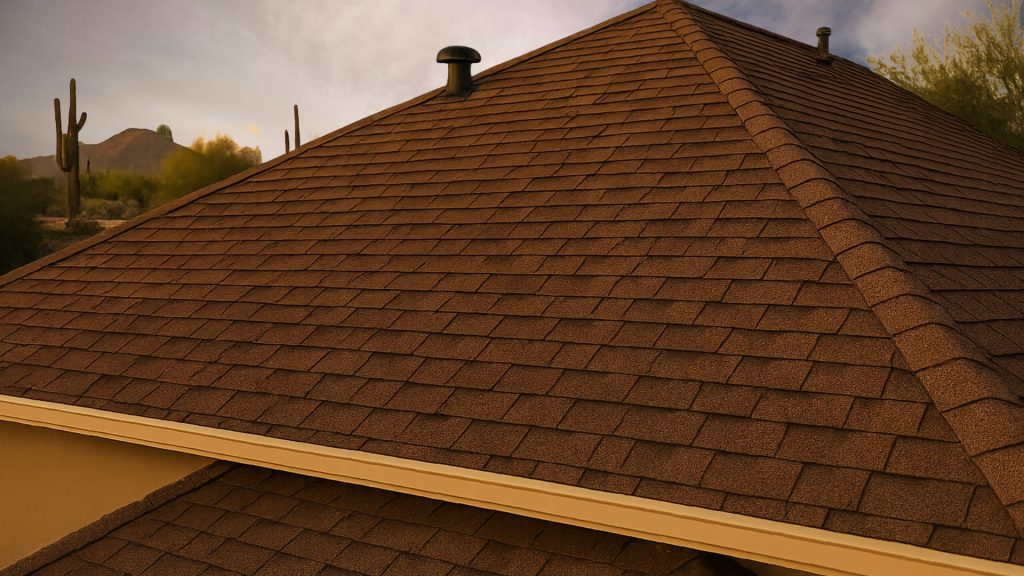
Why Roof Failures Are Increasing in High-Heat States and What can Homeowners Do About It
High‑heat states like Arizona, Texas, New Mexico, Florida, and the Southwest are seeing a sharp rise in premature roof failures—and it’s not just because roofs are “getting old.”
In reality, extreme heat is rewriting the rules of roof performance.
Many roofs that were once expected to last 25–30 years are now failing in half that time. Homeowners are discovering leaks, curling shingles, cracked sealants, and insulation damage—often with little warning.
And by the time symptoms appear inside the home, the extent of the damage caused by heat is already significant.
So what’s really happening?
This guide breaks down why roof failures are increasing in high‑heat regions, how heat quietly destroys roofing systems, and what homeowners can do right now to protect their homes and avoid costly surprises.
High Heat Is a Silent Roof Killer
Most homeowners think of roof damage as something caused by storms, hail, or hurricanes. But in high‑heat states, the most destructive force is often daily, relentless heat.
Unlike severe storms, heat damage:
- Happens slowly
- Shows few early warning signs
- Accumulates over months and years
- Is often excluded from insurance claims
Prolonged heat exposure significantly shortens the life of your roof, as damage accumulates unnoticed over time. And by the time symptoms appear inside the home, the damage is already extensive.
How Extreme Heat Attacks Roofing Systems
1. Thermal Expansion and Contraction
As roof surfaces heat up during the day, materials expand. At night, they cool and contract. This rapid temperature fluctuation, known as thermal shock, can cause roofing materials to fracture, warp, or curl as they repeatedly expand and contract.
In high‑heat climates, this cycle happens every single day, sometimes with temperature swings of 40–60°F.
Over time, this causes:
- Cracked shingles
- Loosened fasteners
- Failed sealants
- Warped decking
Small movements add up to structural stress that roofing systems were never designed to handle continuously.
2. UV Radiation Breakdown
Sunlight doesn’t just heat roofing materials—it chemically breaks them down.
Ultraviolet (UV) radiation causes:
- Asphalt shingles to dry out and become brittle
- Protective granules to loosen and wash away
- Synthetic membranes to degrade faster than expected
However, roofing materials designed to reflect sunlight can help reduce the rate of UV-induced degradation by minimizing heat and radiation absorption.
Without these protective layers, roofs lose flexibility and become extremely vulnerable to cracking and water intrusion.
3. Accelerated Aging of Asphalt Shingles
Asphalt shingles suffer the most in high‑heat states.
Common heat‑related failures include:
- Curling edges caused by intense heat
- Blistering due to intense heat exposure
- Premature granule loss
- Softening and deformation
Once shingles lose their structural integrity, they no longer provide reliable water protection—even if they look “okay” from the ground.
Why Roof Failures Are Happening Faster Than Ever
Climate Patterns Are Changing
High‑heat events are:
- Lasting longer
- Occurring earlier in the year
- Reaching record temperatures more often
Roofs installed under older climate assumptions are now operating outside their design limits.
Materials rated decades ago simply aren’t optimized for today’s sustained heat exposure.
Roofing Systems Were Built for Average Conditions
Many homes still have:
- Inadequate attic ventilation
- Dark, heat‑absorbing materials
- Older underlayment systems
- Subpar flashing and sealants
Much of this is due to construction standards from previous decades, which did not account for today’s extreme heat conditions.
In high‑heat environments, these weaknesses compound quickly.
Heat Amplifies Every Other Roofing Problem
Poor ventilation? Heat makes it worse.
Minor installation flaws? Heat exposes them.
Small cracks? Heat enlarges them.
Heat doesn’t just damage roofs directly—it accelerates every existing vulnerability.
The Role of Poor Ventilation in Heat‑Related Failures
One of the most overlooked contributors to roof failure is inadequate ventilation.
In high‑heat states, attic temperatures can exceed 140°F–160°F.
Without proper airflow:
- Heat becomes trapped under the roof deck
- Shingles bake from both sides
- Insulation loses effectiveness
- Moisture builds up, even in dry climates
It’s crucial not to block attic vents when installing insulation and to keep vents clear to maintain unobstructed airflow, which regulates temperature and prevents heat-related roof damage.
This creates a pressure cooker effect that drastically shortens roof lifespan.
A roof is only as strong as the air moving through it.
Hidden Damage Homeowners Rarely Notice
Heat damage often progresses invisibly.
Common hidden issues include:
- Micro‑fractures beneath shingles
- Dried‑out sealants around vents and skylights
- Decking delamination
- Compromised underlayment
- Heat‑collapsed flashing
By the time water stains appear on ceilings, repairs are already far more expensive.
Why Insurance Doesn’t Always Help
Many homeowners assume roof damage will be covered by insurance—but heat‑related failures are often classified as:
- Wear and tear
- Age‑related deterioration
- Maintenance issues
This leaves homeowners responsible for repairs that could have been prevented with early inspection and proactive upgrades.
High‑Heat States Face Unique Roofing Risks
Arizona & New Mexico
- Extreme UV exposure
- Intense desert heat
- Rapid temperature swings
Texas
- Prolonged heat waves
- High humidity in some regions
- Heat + storm combinations
Florida
- High temperatures + moisture
- Solar exposure plus hurricane prep demands
Southwest & Southern States
- Persistent sun exposure
- Aging housing stock not designed for today’s climate
These environments demand region‑specific roofing systems, not one‑size‑fits‑all solutions.
Why “Looks Fine” Is a Dangerous Assumption
Many roofs appear intact long after their protective capabilities have been compromised.
That’s because:
- Granule loss is subtle from ground level
- Sealant failure occurs under surfaces
- Structural stress happens below visible layers
A professional inspection often reveals critical problems homeowners never knew existed.
Modern Roofing Solutions Designed for High Heat
The good news? Today’s roofing technology offers far better options for high‑heat environments, with cool roofs now available for a wide range of roof types—including flat, low sloped, and sloped roofs—making them suitable for both residential and commercial buildings. Cool roofs are designed to reflect 60-90% of sunlight, significantly reducing heat absorption and cooling costs, especially in hot climates where energy savings are most pronounced.
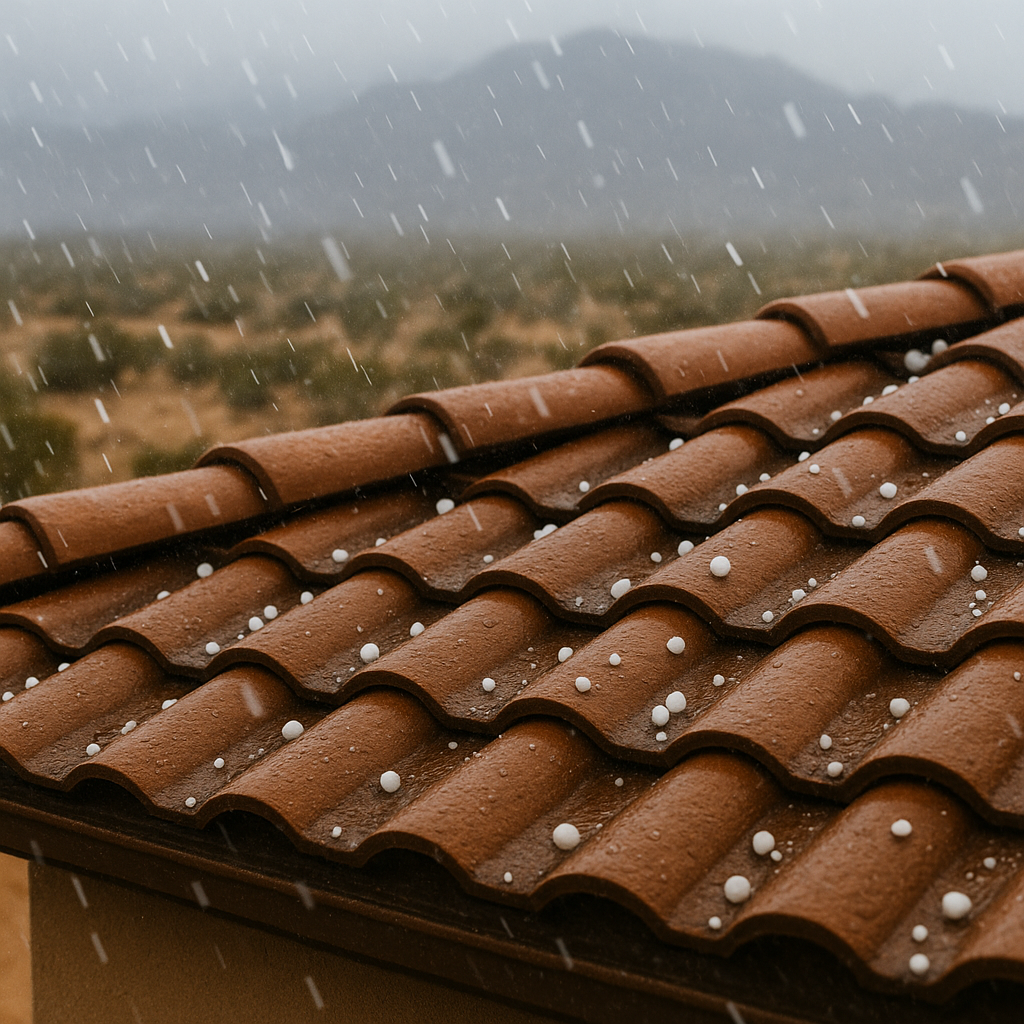
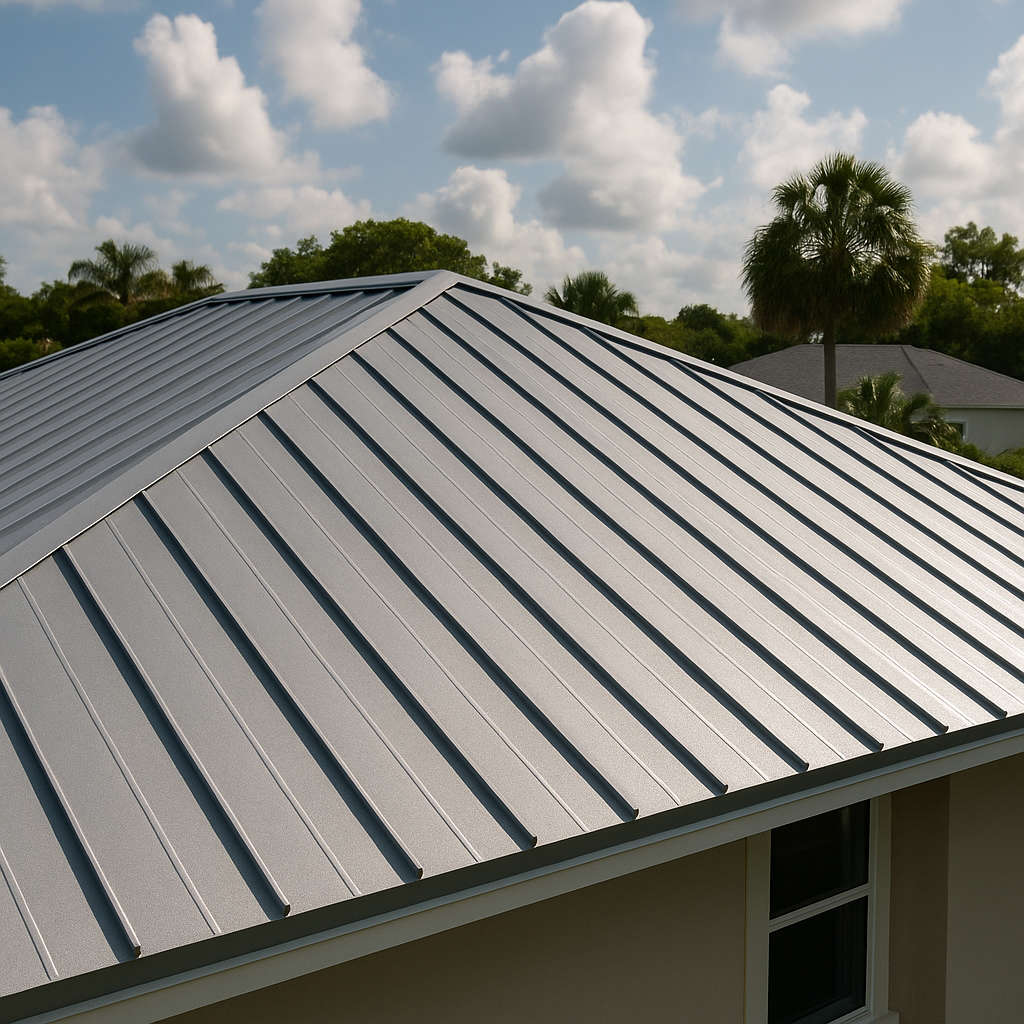
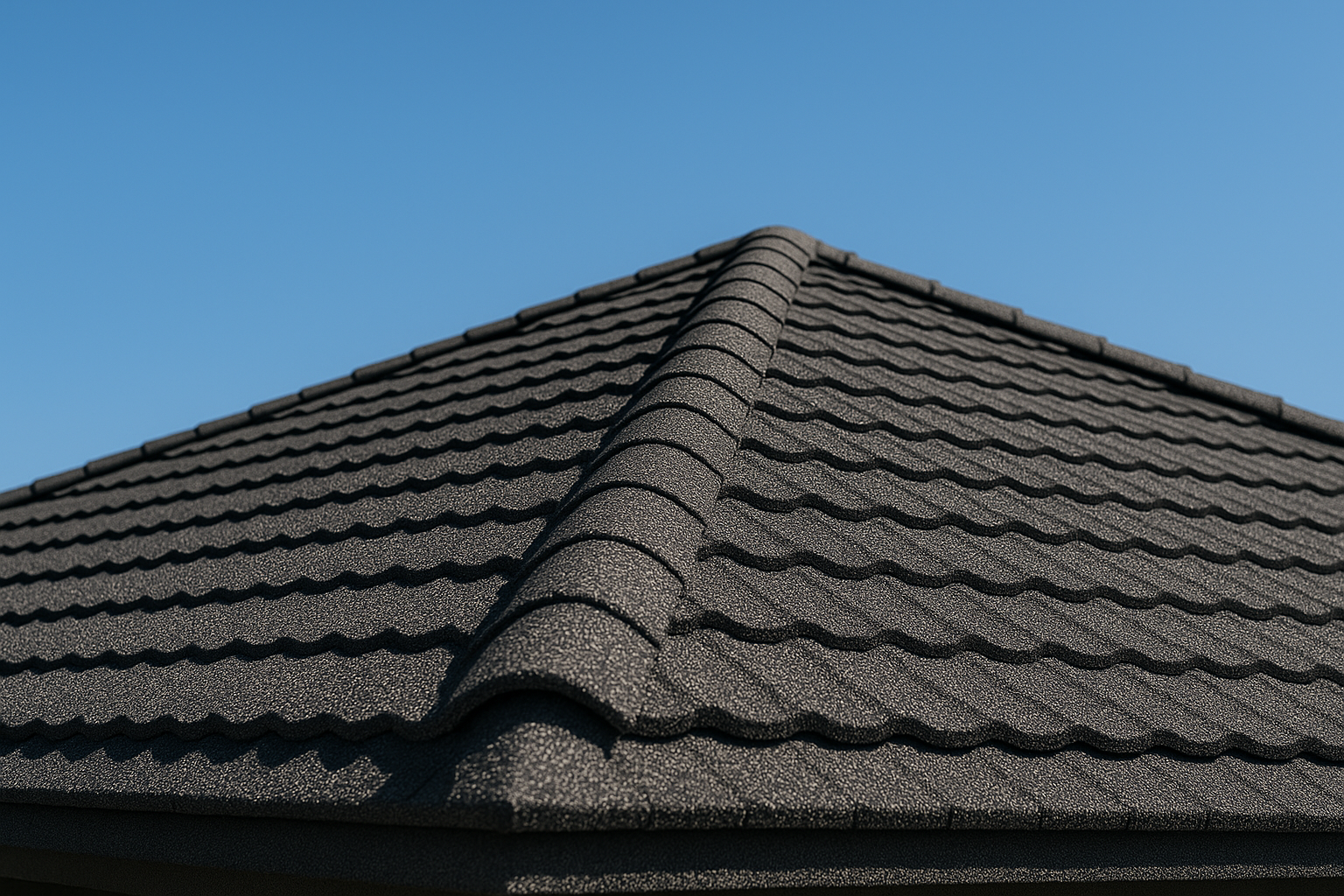
Modern cool roofing materials include membranes, shingles, coatings, and tiles, all engineered for high solar reflectance. Popular roofing materials such as tile, slate, and metal roofing are leading choices for durability and thermal performance. Tile roofs, including clay, concrete, and even metal tiles, offer both aesthetic appeal and the ability to be coated with cool-colored or reflective finishes. Slate tiles provide a traditional, natural look with excellent longevity, while metal roofing—especially standing seam metal roofs—are favored for their durability, fire resistance, and lifespans exceeding 50 years. Metal shingles and tiles can be factory coated or surfaced with mineral granules to further enhance their cool roofing properties.
Composite shingles are another innovative option, mimicking the appearance of traditional materials like slate or wood while offering superior resistance to environmental damage. Impact-resistant roofing materials are engineered to withstand extreme weather, which can also lead to reduced insurance premiums. Some modern roofing materials even feature self-healing properties, automatically sealing small cracks to extend the roof’s lifespan.
Cool roofs can be installed during new construction or as a retrofit during re-roofing projects. Choosing a cool roof at the new construction stage is an easy and cost-effective way to improve energy efficiency, and some standards or incentives may require cool roofs for new buildings.
Heat‑Resistant Roofing Materials
- Reflective shingles: These shingles are designed with reflective granules or coatings that bounce back a significant portion of the sun’s rays, reducing heat absorption. Even dark materials can be engineered with special pigments that reflect near-infrared radiation, helping to keep the roof surface cooler while maintaining a darker appearance.
- Cool roof systems: Cool roofs use materials and coatings that reflect more sunlight and absorb less heat than standard roofing. White elastomeric coatings are a popular reflective roofing material that not only keeps roofs cooler by reflecting sunlight but also helps extend the roof’s lifespan.
- Advanced synthetic underlayments: These underlayments provide an extra layer of protection against heat and moisture, often featuring reflective surfaces to further reduce heat transfer into the building.
- UV‑stable membranes: UV-stable membranes are formulated to resist degradation from prolonged sun exposure, maintaining their integrity and performance over time.
Improved Ventilation Systems
- Balanced intake and exhaust
- Ridge vent optimization
- Heat‑expelling attic designs
Installation Methods Built for Expansion
- Proper fastening patterns
- Flexible sealants
- Heat‑rated flashing systems
Roofing must now be treated as a climate‑responsive system, not just a covering.
Why Early Inspections Save Thousands
A proactive roof inspection can:
- Identify heat damage early
- Extend roof lifespan
- Prevent interior damage
- Protect warranty coverage
- Reduce repair costs dramatically
Most catastrophic roof failures don’t happen suddenly—they’re the result of years of unnoticed heat stress.
Signs High‑Heat Damage May Already Be Present
Consider scheduling an inspection if you notice:
- Rising energy bills (a sign of lost energy savings)
- Uneven indoor temperatures
- Granules in gutters
- Curling or brittle shingles
- Unexplained ceiling stains
- Attic that feels excessively hot
Even one of these signs can indicate deeper problems. Insulating the attic and ensuring proper attic ventilation with intake and exhaust vents are key steps to prevent heat buildup and protect your roof.
Why Reimagine Roofing Takes a Different Approach
At Reimagine Roofing, we don’t define service areas by state lines—we define them by weather risk and performance demands.
Our teams specialize in:
- High‑heat roofing systems
- Climate‑specific material selection
- Ventilation‑first design
- Long‑term durability—not just quick fixes
We inspect roofs with an understanding of how heat behaves, not just what damage looks like today.
Take Action Before Heat Does More Damage
If you live in a high‑heat state, waiting until your roof fails is the most expensive option.
A free professional inspection could:
- Reveal early heat damage
- Protect your home
- Save you thousands in future repairs
- Give you peace of mind before peak summer heat
Get a Free Roof Inspection
Our experts assess heat damage, ventilation efficiency, and system performance—at no cost. Users can input their property address into our online tool, which utilizes aerial imagery to estimate roof size and provide a preliminary estimate for roof replacement. This estimate typically includes materials, labor, and removal of the existing roof layer. The site offers a convenient, contactless way for homeowners to get an estimate, and is not federally endorsed.
👉 Schedule Your Free Inspection Today
Get a Fast, No‑Obligation Quote
Thinking about upgrading to a heat‑resistant roofing system?
👉 Use Our Fast Quote Tool to See Your Options
High heat isn’t a future threat—it’s already here. And roofs that aren’t designed for it are failing faster than ever.
When deciding whether to have a new roof installed or an old one replaced, homeowners and businesses should consider factors like roofing material, roof size, and installation complexity, as these can significantly affect the cost. Our quote tool helps you decide on the best option for your property, whether creating a new roof or replacing an existing one. Financing options are available, allowing you to compare cash prices with estimated financed amounts based on typical terms and interest rates. Drones and AI are also used to inspect roof health, identify weak points, and generate maintenance reports, supporting your decision-making process.
The smartest move isn’t waiting for visible damage. It’s understanding the risk early—and reimagining roofing before problems begin.
Popular Posts