Best Coastal Roofing Systems for Hurricane Zones

Best Coastal Roofing Systems for Hurricane Zones
Best Roofing Systems for Coastal & Hurricane Zones
Living or owning property in a coastal or hurricane‑prone region offers breathtaking views and refreshing ocean breezes—but it also comes with serious roofing challenges. Many homeowners in these areas are concerned about protecting their homes, knowing that the roof is the first line of defense against high winds, driving rain, intense sun exposure, salt air corrosion, and flying debris—all of which place extraordinary stress on roofing systems.
At Reimagine Roofing, we specialize in designing and installing storm‑resistant, hurricane‑rated roofing systems that protect your home or business and provide long‑term value in the harshest coastal environments.
In this comprehensive guide, we’ll explore:
- Why coastal and hurricane zones require specialized roofing
- The best roofing materials for extreme weather
- Wind ratings, impact resistance, and building codes
- Cost, lifespan, and maintenance considerations
- How professional installation makes all the difference
- Why homeowners trust Reimagine Roofing
- How to get your FREE roof inspection today
Why Roofing in Coastal & Hurricane Zones Is Different
Roofs in coastal areas face a unique combination of environmental threats that standard roofing systems simply aren’t built to handle.
1. Hurricane‑Force Winds
Hurricanes and tropical storms generate high wind speeds exceeding 130–160+ mph, with extreme winds creating uplift forces that can tear shingles, panels, or entire roof sections away if not properly secured. Only certain roofing materials are engineered to withstand high winds and extreme winds, and the ability to withstand such forces is a key performance attribute for coastal roofing. While asphalt shingles are a popular roof material, they typically only withstand winds up to 110 mph, making them less suitable for hurricane-prone areas unless reinforced.
2. Wind‑Driven Rain
Rain doesn’t just fall straight down during storms—it’s forced sideways and upward, allowing wind-driven rain to exploit weak spots or cracks in the roof. These vulnerable areas can let water penetrate, leading to water damage inside the home. This makes waterproofing, underlayment, and flashing critical.
3. Salt Air Corrosion
Coastal salt spray accelerates corrosion in fasteners, metal panels, flashing, and ventilation components if materials aren’t marine‑grade.
4. UV Exposure & Heat
Roofs near coastlines experience intense sunlight, causing premature aging and cracking in low‑quality materials. Using high-quality, UV-resistant materials not only protects against sun damage but also results in less maintenance over the roof’s lifespan.
5. Flying Debris
Hurricane winds turn outdoor objects into projectiles, requiring impact‑resistant roofing systems. Flying debris can compromise the integrity of the entire roof system if it is not properly designed for impact resistance.
Bottom line: A roof that performs well inland may fail catastrophically near the coast.
Key Features of a Hurricane‑Resistant Roofing System
Before exploring specific roofing materials, it’s important to understand what makes a roof truly hurricane‑ready. A roof hurricane resistant design incorporates materials and features that make it a hurricane resistant roof, also referred to as a resistant roof or wind resistant roof. Achieving a hurricane proof roof is not just about selecting the right materials, but also ensuring proper installation and reinforcement. Hurricane protection depends on the combination of resistant materials, thoughtful design, and expert installation. Proper installation of fasteners and anchors is crucial for roof design in hurricane-prone areas, as they help secure the roof structure against high winds.
High Wind Uplift Ratings
Rated for 130–200+ mph winds, high wind uplift ratings are especially important in high wind areas where hurricanes and tropical storms are common. Selecting a popular roof material with proven wind resistance, such as ceramic tile or other durable options, is essential for homes in these regions.
Impact Resistance
UL 2218 Class 3 or Class 4 ratings resist hail and debris, making them a top choice for impact resistance. Impact resistance is a hallmark of durable materials, which are essential for coastal and hurricane-prone zones.
Sealed Deck Systems
Proper underlayment + water barriers prevent leaks
Corrosion‑Resistant Components
Stainless steel or coated fasteners designed for salt environments
Code‑Compliant Installation
Meets or exceeds Florida Building Code and coastal standards
At Reimagine Roofing, every system we install is engineered around these principles.
Best Roofing Materials for Coastal & Hurricane Zones
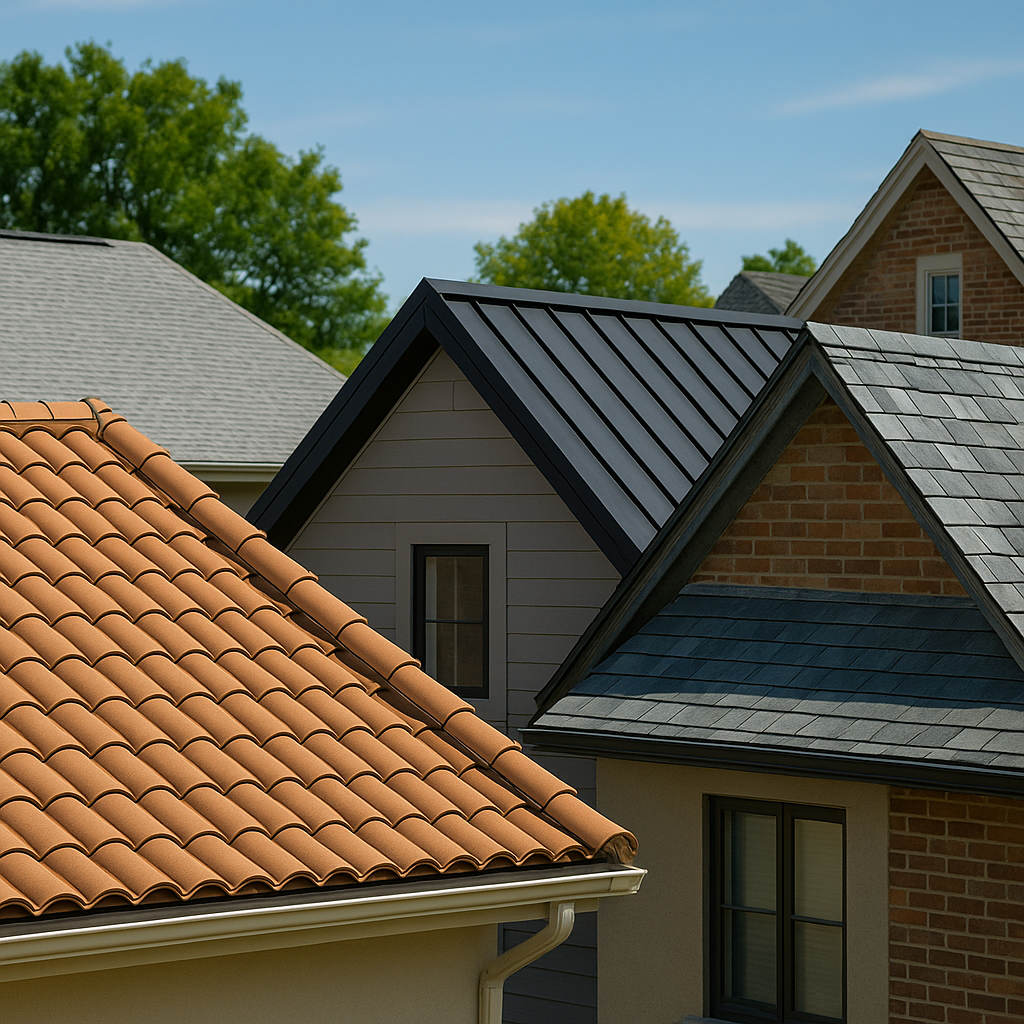
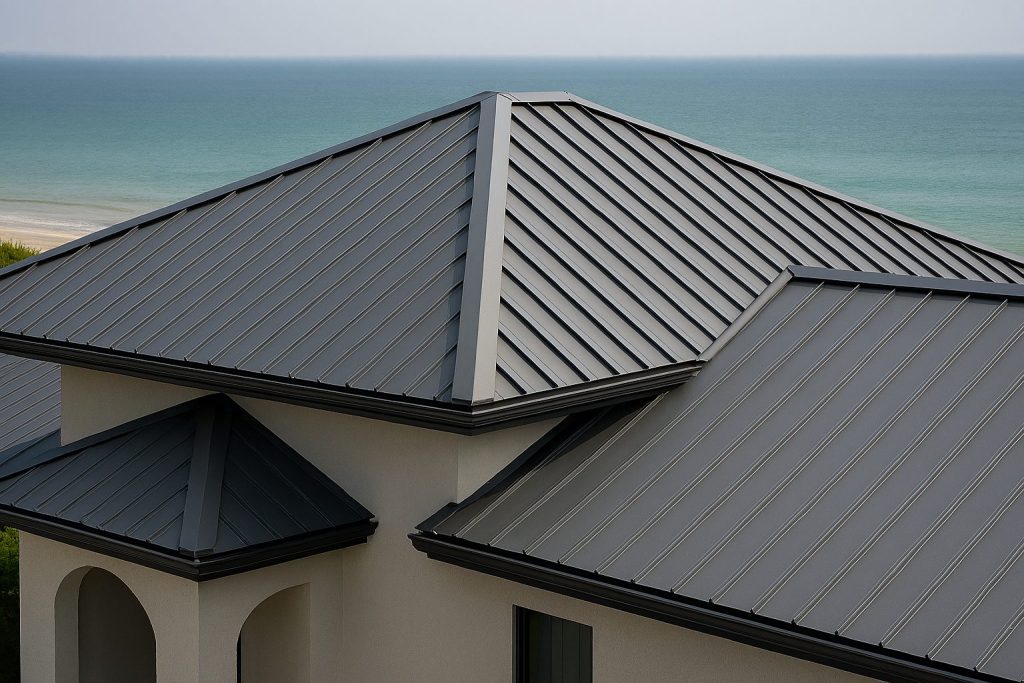
1. Standing Seam Metal Roofing
Best Overall for Storm Protection & Longevity
Standing seam metal roofing is widely regarded as the gold standard for coastal and hurricane‑prone regions.
Why Metal Roofing Excels:
- Wind ratings up to 180–200 mph
- Interlocking panels prevent uplift
- Minimal seams reduce leak risk
- Fire‑resistant and impact‑resistant
- Reflective coatings reduce heat absorption
- 40–70+ year lifespan
Coastal Advantages:
- Marine‑grade aluminum or galvanized steel resists corrosion
- Smooth surface sheds wind and debris
- Panels are mechanically fastened or clipped—no exposed fasteners
Considerations:
- Higher upfront cost than shingles
- Requires specialized professional installation
Perfect for:
Coastal homes, luxury properties, commercial buildings, and homeowners who want maximum protection.
👉 Free Metal Roofing Inspection Available — Get a Quote Today
2. Architectural Asphalt Shingles (Hurricane‑Rated)
Most Popular Budget‑Friendly Choice
Not all asphalt shingles are created equal. In hurricane zones, only high‑wind architectural shingles should be considered.
Key Benefits:
- Wind ratings up to 130–160 mph
- Thicker, heavier construction than 3‑tab shingles
- Enhanced adhesive strips resist uplift
- Wide color and style options
Coastal Performance:
- More affordable than metal or tile
- Good performance when properly installed
- Impact‑resistant (Class 3 or Class 4 available)
Important Warning:
Improper installation is the #1 cause of shingle failure during storms.
At Reimagine Roofing, we follow strict nailing patterns, sealing methods, and code‑compliant underlayment systems to ensure performance.
Best for:
Residential homes seeking solid protection with moderate cost.
3. Concrete Tile Roofing
Durable, Wind‑Resistant & Aesthetically Timeless
Concrete tile roofs are common in coastal communities for their durability and classic appearance.
Advantages:
- Wind resistance up to 150 mph
- Heavy weight resists uplift
- Long lifespan (40–50 years)
- Excellent fire resistance
Coastal Considerations:
- Tiles must be mechanically fastened or foam‑adhered
- Underlayment quality is critical
- Requires reinforced roof structure
Drawbacks:
- High installation cost
- Repairs require professional handling
- Brittle under extreme impact
Ideal for:
Mediterranean, Spanish, and luxury coastal homes.
4. Clay Tile Roofing
Traditional Look with Modern Engineering
Clay tile roofs are popular in warm coastal climates but require specialized installation for hurricane resilience.
Pros:
- Long lifespan (50+ years)
- Natural resistance to UV degradation
- Elegant architectural appeal
Cons:
- Expensive materials and labor
- Heavy—structural reinforcement may be required
- Tiles can break under severe impact
Works best when:
Installed by hurricane‑certified roofing professionals using modern fastening systems.
5. Synthetic Roofing Materials
Advanced Technology with Enhanced Performance
Synthetic roofing (polymer‑based tiles) mimics slate, wood, or tile without the weight.
Benefits:
- Lightweight yet durable
- Wind ratings up to 150 mph
- Resistant to salt, mold, and UV
- Impact‑resistant varieties available
Downside:
- Higher material costs than shingles
- Requires experienced installers
Great for:
Homeowners seeking premium aesthetics and storm performance without structural reinforcement.
Roofing Materials to Avoid in Hurricane Zones
3‑Tab Asphalt Shingles
Low wind resistance and short lifespan.
Wood Shake or Shingle Roofing
Prone to moisture damage, rot, and fire hazards.
Poorly Installed Metal with Exposed Fasteners
Fasteners loosen, corrode, and leak under storm pressure.
The Importance of Underlayment & Roof Deck Protection
Even the best roofing materials can fail without proper underlayment.
Essential Components:
- Self‑adhering waterproof membrane
- Synthetic underlayment (tear‑resistant)
- Ice & water barrier (even in warm climates)
- Sealed roof deck systems
These layers act as a second line of defense if the primary roof covering is damaged during a hurricane.
Reimagine Roofing installs complete roofing systems—not just shingles or panels.
Hurricane Ratings, Certifications & Codes Explained
When choosing a roof, ratings matter.
Key Standards:
- ASTM Wind Uplift Ratings
- UL 2218 Impact Resistance
- Miami‑Dade County Approval
- Florida Building Code Compliance
We help property owners select systems that meet or exceed local code requirements, protecting both your investment and insurance eligibility.
Installation Matters More Than Material
Many roof failures during hurricanes are caused by poor workmanship, not material defects.
Reimagine Roofing Installation Standards:
- Licensed & insured professionals
- Code‑compliant fastening patterns
- High‑wind flashing systems
- Corrosion‑resistant hardware
- Final quality inspections
A hurricane‑rated product installed incorrectly is not hurricane‑rated.
Cost vs. Value: Investing in the Right Roof
| Roofing Type | Avg. Cost | Lifespan | Storm Performance |
|---|---|---|---|
| Metal Roofing | $$ | 40–70 yrs | Excellent |
| Architectural Shingles | $ | 20–30 yrs | Very Good |
| Concrete Tile | $$ | 40–50 yrs | Very Good |
| Synthetic Roofing | $$ | 30–50 yrs | Very Good |
While premium systems cost more upfront, they often: ✅ Reduce insurance premiums
✅ Minimize storm damage claims
✅ Increase property value
✅ Lower long‑term maintenance costs
Maintenance Tips for Coastal Roofs
- Annual professional inspections
- Rinse salt buildup from metal roofs
- Check fasteners and flashing
- Clear debris after storms
- Address small issues early
👉 Schedule Your FREE Roof Inspection Today
Why Choose Reimagine Roofing?
✅ Coastal & hurricane‑zone specialists
✅ Licensed, insured, and experienced
✅ Premium materials & proven systems
✅ Transparent pricing & honest recommendations
✅ Exceptional customer service
We don’t just install roofs—we engineer protection.
Get a Quote Today & Free Inspection
Whether you’re building new, replacing an aging roof, or preparing for hurricane season, now is the time to act.
Protect your home. Protect your investment. Reimagine your roof.
👉 Get a Fast Quote Today
👉 Schedule Your FREE Inspection with Reimagine Roofing
Popular Posts