How Arizona Replacement Windows Help Against Intense UV Rays in Your Home

How Arizona Replacement Windows Help Against Intense UV Rays in Your Home
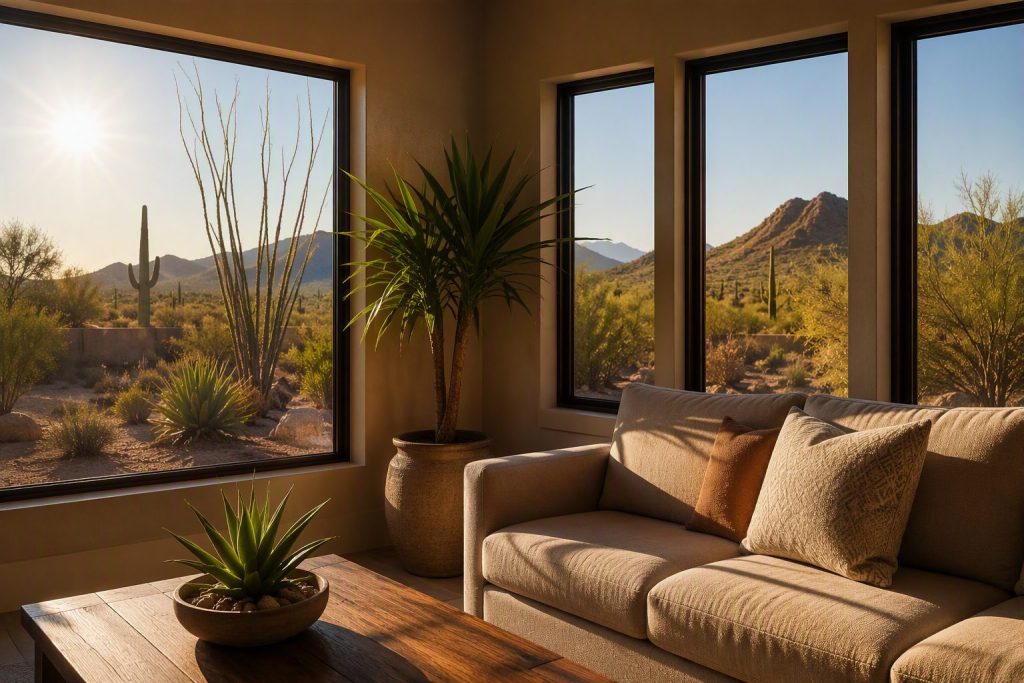
Arizona is famous for its sunny skies, breathtaking desert landscapes, and year-round outdoor lifestyle. However, those same abundant sunshine hours come with a hidden cost for homeowners. The intense ultraviolet (UV) radiation that makes Arizona one of the sunniest states in the country can gradually damage your home’s interior, increase energy costs, and shorten the lifespan of aging windows.
Many homeowners focus on protecting themselves from the sun, but few realize just how much damage UV rays can cause inside their homes. From faded furniture and warped flooring to rising cooling bills, the effects of prolonged sun exposure can accumulate over time.
Fortunately, modern energy-efficient windows are designed to address these challenges. With advanced glass technologies, UV protection, and improved insulation, today’s windows do far more than provide a view. They serve as a critical barrier between your home and Arizona’s harsh desert climate.
In this guide, we’ll explore how Arizona’s intense UV rays affect your home, the warning signs of window-related UV damage, and how the right replacement windows can help protect your investment while improving comfort and energy efficiency.
Understanding UV Radiation in Arizona
Arizona consistently experiences some of the highest levels of solar exposure in the United States. Homeowners across Phoenix, Mesa, Scottsdale, Chandler, Glendale, and surrounding communities deal with intense sunlight nearly every day of the year.
UV radiation is an invisible form of energy emitted by the sun. While natural light can make a home feel warm and inviting, UV rays carry enough energy to break down materials over time. These rays penetrate through ordinary glass and can cause gradual deterioration of surfaces and furnishings inside your home.
The impact is often subtle at first. A slightly faded rug, a lightened sofa cushion, or discoloration on hardwood flooring may not seem significant. However, after years of exposure, these effects become much more noticeable and expensive to correct.
Arizona homeowners face a unique challenge because UV exposure is not limited to the summer months. Even during mild winter days, sunlight can continue damaging interior materials and contributing to indoor heat gain.
How UV Rays Damage Your Home
Fading Furniture and Upholstery
One of the most common effects of UV exposure is fading.
Furniture fabrics, leather surfaces, curtains, rugs, and decorative items gradually lose their color when repeatedly exposed to direct sunlight. UV rays break down dyes and pigments, causing visible discoloration over time.
Items placed near large windows often experience the most damage. Homeowners frequently notice that cushions closest to windows fade before the rest of the furniture. Similar fading can occur with artwork, photographs, and decorative wall hangings.
Replacing faded furniture can be expensive, making UV protection an important consideration for maintaining your home’s appearance and value.
Damage to Hardwood and Luxury Flooring
Flooring is particularly vulnerable to prolonged sun exposure.
Hardwood floors, vinyl planks, laminate flooring, and even some tile finishes can show signs of UV-related wear. Extended exposure may lead to:
- Uneven coloration
- Fading
- Surface degradation
- Drying and cracking in some wood products
- Noticeable discoloration around rugs and furniture
Many homeowners discover these issues when moving furniture and noticing dramatic color differences between protected and exposed areas.
Protecting flooring from excessive UV radiation can significantly extend its lifespan and preserve its original appearance.
Deterioration of Interior Finishes
Paint, cabinetry, window treatments, and decorative finishes can also suffer from prolonged UV exposure.
Over time, UV radiation can:
- Cause paint colors to fade
- Weaken certain construction materials
- Dry out wood finishes
- Reduce the lifespan of window coverings
- Accelerate aging of interior surfaces
Even high-quality materials eventually show signs of wear when subjected to years of direct Arizona sunlight.
The Hidden Connection Between UV Rays and Energy Bills
While fading furniture is easy to see, the relationship between UV exposure and cooling costs is often overlooked.
Sunlight entering through inefficient windows contributes to solar heat gain. Solar heat gain occurs when heat from the sun passes through the glass and becomes trapped inside your home.
In Arizona, this can create several problems:
- Hot spots near windows
- Uneven indoor temperatures
- Increased strain on HVAC systems
- Higher cooling costs
- Reduced comfort during summer months
Older single-pane windows are especially vulnerable. They typically offer limited protection against both UV radiation and heat transfer.
As heat enters the home throughout the day, windows can account for roughly 25-30% of a home’s heat or cool air loss, forcing air conditioning systems to work harder to maintain comfortable indoor temperatures and keep cold air inside. This increased workload can result in lower energy bills being harder to achieve, along with additional wear on HVAC equipment.
Signs Your Windows May No Longer Be Protecting Your Home
Many homeowners live with outdated windows without realizing how much performance they have lost.
Consider an inspection if you notice:
Visible Furniture Fading
If furniture, flooring, rugs, or decorations show signs of sun-related discoloration, your windows may not be providing adequate UV protection.
Rooms That Overheat
Some rooms may become significantly warmer than others, particularly those with large south-facing or west-facing windows.
Rising Energy Bills
Unexpected increases in cooling expenses during Arizona’s hottest months can indicate excessive heat transfer through aging windows.
Drafts Near Windows
Even small air leaks can reduce efficiency and make indoor temperatures harder to regulate.
Condensation Between Panes
If moisture becomes trapped between panes of glass, the window seal may have failed, reducing insulation performance.
Difficulty Opening or Closing Windows
Warped frames and aging components can affect operation while reducing energy efficiency.
How Modern Windows Protect Against UV Damage
Advancements in window technology have dramatically improved performance over the last several decades.
Today’s replacement windows are engineered to address many of Arizona’s biggest climate-related challenges.
Low-E Glass Technology
Low-emissivity, commonly called Low-E glass, is among the most effective innovations available.
Low-E coatings are microscopically thin metallic layers applied to the glass surface. These coatings help reflect infrared heat and block a significant percentage of ultraviolet radiation while still allowing natural daylight to enter the home, which helps improve energy efficiency by limiting indoor heat gains in Arizona even under direct sun.
Benefits include:
- Reduced UV penetration
- Less furniture fading
- Lower solar heat gain
- Improved indoor comfort
- Better energy efficiency
Arizona homeowners often look for windows with a Solar Heat Gain Coefficient of 0.25 or lower and a low U-Factor to reduce solar gain, cooling demand, and support lower cooling costs with better comfort.
Homeowners can enjoy bright living spaces without exposing interiors to excessive UV damage.
Dual-Pane Windows
Dual-pane windows are a common insulated-glass option for Arizona homes, featuring two layers of glass separated by an insulating space.
Compared to older single-pane designs, dual-pane windows provide:
- Better thermal insulation
- Reduced heat transfer
- Enhanced comfort
- Improved energy efficiency
- Lower HVAC workload
For many Arizona homes, double-pane insulated glass with argon gas fill is ideal, while triple pane can provide better insulation in some situations.
In Arizona’s climate, dual-pane construction helps limit the amount of outdoor heat that enters the home during peak summer temperatures.
Argon Gas-Filled Windows
Many high-performance windows include Argon gas insulation between the panes.
Argon is a dense, non-toxic gas that improves insulation and slows heat transfer.
Combined with Low-E coatings, argon-filled windows create multiple layers of protection against Arizona’s extreme heat and UV exposure.
Advanced Frame Materials
The frame itself plays an important role in energy efficiency.
Modern frames made from vinyl, fiberglass, or thermally enhanced materials help reduce heat conduction compared to older window systems, and vinyl and fiberglass are often recommended window material options in Arizona because of their thermal performance.
These frame materials are often better suited to Arizona’s intense temperature fluctuations and prolonged sun exposure, helping replacement windows perform better in desert conditions.
Why Arizona Homes Need Specialized Window Solutions
Not all windows are designed for desert climates.
Arizona presents unique environmental conditions that require specialized solutions.
Extreme Summer Temperatures
Triple-digit temperatures place significant stress on window systems. Poor-quality windows can transfer substantial amounts of heat indoors, reducing comfort and increasing cooling demands.
Intense Sun Exposure
Homes may receive direct sunlight for much of the day, particularly on west-facing elevations.
Without proper UV protection, interiors remain vulnerable to fading and heat buildup, while specialized glass can limit heat coming through west-facing windows and reduce the impact of direct sun on interior comfort.
Daily Temperature Swings
Arizona often experiences large temperature differences between daytime highs and nighttime lows.
These fluctuations can place long-term stress on seals, framing materials, and glass components.
Choosing windows specifically suited for desert conditions helps maximize durability and performance.
Additional Benefits of Window Replacement
Many homeowners initially consider windows because of energy concerns but discover numerous additional advantages.
Better Indoor Comfort
Modern windows reduce temperature fluctuations and help maintain more consistent indoor conditions throughout the day.
Increased Home Value
Energy-efficient improvements are attractive to potential buyers.
Updated windows can enhance curb appeal while increasing overall property value.
Enhanced Noise Reduction
Dual-pane windows help reduce outside noise, creating a quieter indoor environment.
Improved Appearance
New windows instantly refresh a home’s appearance inside and out.
Reduced HVAC Wear
When less heat enters the home, air conditioning systems operate more efficiently and may experience less strain over time.
Choosing the Right Windows for Your Arizona Home
Selecting replacement windows involves more than choosing a style.
Several performance factors deserve careful consideration:
Solar Heat Gain Coefficient (SHGC)
A lower SHGC generally helps reduce the amount of solar heat entering the home, making it particularly valuable in Arizona.
Energy Efficiency Ratings for Energy Efficient Windows
Look for products designed to perform well in hot climates and meet recognized energy efficiency standards, including Energy Star certified options made for Arizona conditions.
UV Protection Capabilities
Not all glass offers the same level of UV blocking performance.
Frame Durability
Choose materials capable of withstanding prolonged exposure to heat and sunlight.
Professional Installation
Even the highest-quality window can underperform if installed incorrectly, which is why professional window installation is critical to long-term performance.
Proper installation helps ensure:
- Airtight performance
- Correct sealing
- Long-term durability
- Maximum energy efficiency
While timelines vary, many projects average about 30 minutes per window and roughly 6 to 10 windows installed per day.
Why Professional Window Inspections Matter
Many window issues are not immediately visible.
A professional inspection can identify:
- Seal failures
- Air leaks
- Moisture intrusion
- UV-related deterioration
- Energy efficiency concerns
- Aging components
An experienced local team understands how Arizona’s climate affects residential windows and can recommend solutions tailored to your home’s specific needs.
Rather than guessing whether replacement is necessary, homeowners can make informed decisions based on a comprehensive assessment.
Why Homeowners Trust Reimagine Roofing & Construction
At Reimagine Roofing & Construction, we understand the unique challenges Arizona homeowners face.
Our team works with homeowners throughout the region as a trusted window company to evaluate window performance, identify problem areas, and recommend solutions that improve comfort, efficiency, and long-term value. In Phoenix, replacement costs often range from about $250 to $1,200 per window, with many projects averaging around $600. Pricing varies by size, frame material, and installation method, and full-frame work is usually more time-consuming and adds to the total. As a window replacement company, we also provide in home estimates and a free estimate so you can compare options at a fair price and a competitive price without pressure.
We believe every homeowner deserves honest guidance, quality workmanship, and products designed to withstand Arizona’s demanding environment at a great price.
Whether you’re noticing fading furniture, struggling with rising energy bills, or simply wondering if your windows are performing as they should, our experienced professionals are here to help.
Protect Your Home From Arizona’s Harsh UV Rays
The Arizona sun isn’t just hard on people. It’s hard on homes.
Over time, intense UV radiation can fade furnishings, damage flooring, strain cooling systems, and reduce overall comfort. Older or inefficient windows often allow these problems to develop gradually, leading to costly repairs and unnecessary energy expenses.
The good news is that modern replacement windows provide powerful protection against UV rays while improving energy efficiency, indoor comfort, and home value.
Schedule Your Professional Window Inspection Today
If you’re concerned about fading interiors, high cooling costs, drafty rooms, or aging windows, now is the perfect time to take action.
Contact Reimagine Roofing & Construction today to schedule a professional window inspection.
Our local Arizona experts will assess your current windows, identify opportunities for improved performance, and help you find the right solution for your home.
Don’t let Arizona’s intense UV rays take a toll on your home.
Popular Posts