Signs It’s Time to Replace Old Windows Before Winter in Albuquerque and Phoenix

Signs It’s Time to Replace Old Windows Before Winter in Albuquerque and Phoenix
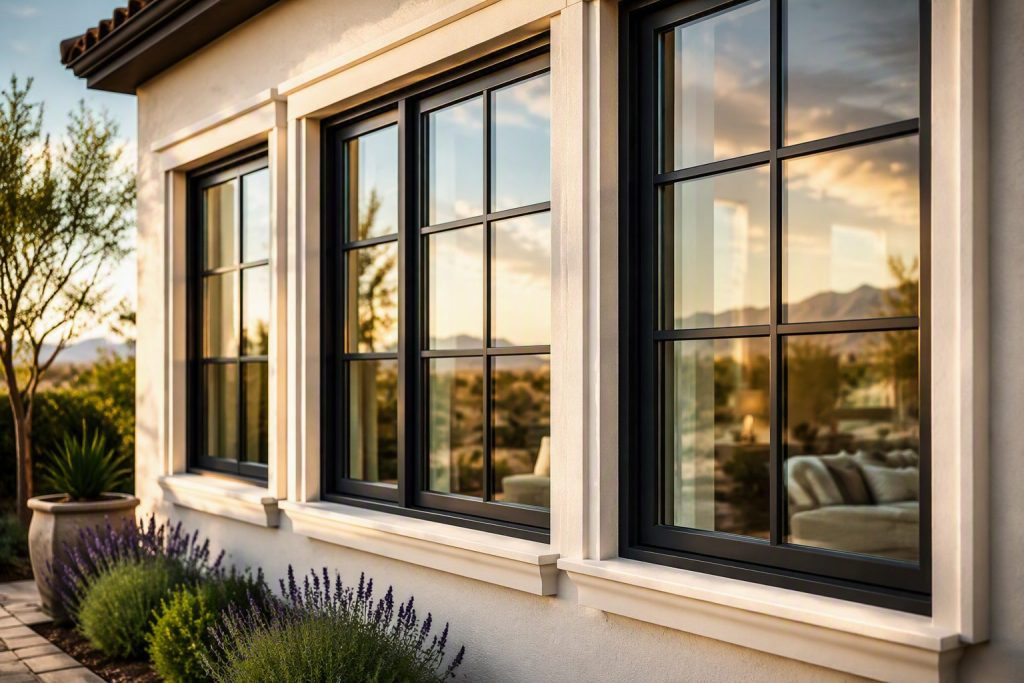
As temperatures begin to drop across Phoenix and Albuquerque, homeowners often focus on roofing, insulation, and heating systems. Yet window replacement in Phoenix is one of the most effective ways to upgrade aging or inefficient windows, improve home energy efficiency and comfort, and cut heating costs before winter arrives. Old, damaged, or drafty windows can drive up energy bills, create indoor discomfort, contribute to condensation and moisture problems, and even affect your home’s overall value.
Whether you’re dealing with chilly desert nights in Phoenix or colder winter temperatures in Albuquerque, replacing old windows before winter helps protect your investment and improve your home’s performance. If your windows are drafty, hard to open, or showing signs of wear, this guide walks through the clearest signs it’s time to replace them, why energy-efficient windows matter in winter, when to schedule the work, and what professional replacement services can help you address before colder weather sets in.
Why Your Windows Matter During Winter
Many homeowners assume windows are simply for natural light and curb appeal. In reality, windows play a crucial role in regulating indoor temperatures and maintaining energy efficiency.
During winter, older windows often allow heat to escape through gaps, damaged seals, or outdated glass technology. This forces your HVAC system to work harder to maintain comfortable indoor temperatures. The result is higher energy bills, uneven room temperatures, and unnecessary wear on your heating system.
For homeowners in Phoenix, where warm days can quickly transition to cool nights, efficient windows help maintain a comfortable indoor environment without overworking your HVAC system.
For Albuquerque residents, where winter temperatures can dip below freezing, quality windows provide an essential barrier against cold drafts and heat loss.
1. You Feel Drafts Near Your Windows
One of the clearest signs that windows need replacement is feeling cold air around them.
Stand near your windows on a cool morning or evening. If you can feel air movement or cold drafts, your windows are no longer providing adequate insulation.
Drafts commonly occur because of:
- Worn weatherstripping
- Warped window frames
- Failed seals
- Cracks in the frame or glass
- Poor installation from previous work
While minor air leaks can sometimes be repaired, consistent drafts throughout your home often indicate aging windows that should be replaced entirely.
Why This Matters
Drafty windows increase heating costs and make rooms uncomfortable during winter. Homeowners often compensate by raising the thermostat, leading to higher utility bills.
2. Rising Energy Bills Without Explanation
Have your utility bills been steadily increasing despite no major changes in energy consumption?
Older windows may be contributing significantly to heat loss.
Single-pane windows and outdated double-pane units lack the advanced insulation technology found in modern replacements. As seals deteriorate and glass efficiency declines, your HVAC system must operate longer and harder, but energy-efficient replacements can significantly reduce cooling costs; for more details, they may help you save about $470 annually on energy bills and save money over time.
Warning Signs Include:
- Increased winter energy bills
- Heating system running constantly
- Rooms that never feel warm enough
- Significant temperature fluctuations throughout the house
Replacing outdated windows can dramatically improve your home’s energy performance and help reduce monthly utility costs.
3. Condensation Between Glass Panes
If you notice fog, moisture, or condensation trapped between glass panes, it’s a strong indicator that the window seal has failed.
Modern double-pane and triple-pane windows contain insulating gas between panes to improve energy efficiency, and double-pane glass with Low-E coatings helps block infrared and ultraviolet light. When seals break:
- Insulating gas escapes
- Moisture enters the unit
- Thermal performance decreases
- Visibility becomes impaired
Unfortunately, once a seal fails, the insulating value of the window is compromised, so comparing NFRC performance labels and choosing ENERGY STAR options can help when evaluating replacements for energy efficiency.
The Problem Gets Worse in Winter
Failed seals allow greater heat transfer, making your home colder and causing your HVAC system to work harder. Replacing these windows before winter can prevent additional heat loss.
4. Difficulty Opening and Closing Windows
Windows should operate smoothly and securely.
Operation problems can affect more than one window style, including casement windows that open outward on hinges. Double-hung windows have two operable sashes, slider windows move horizontally, and awning windows open outward from the bottom, but all should still open and close smoothly.
If your windows stick, jam, or refuse to stay open, it may indicate:
- Frame warping
- Moisture damage
- Structural settling
- Age-related deterioration
Many homeowners ignore this issue because they rarely open windows during colder months. However, improper operation can become a safety concern, especially in emergencies where windows serve as escape routes.
Replacing malfunctioning windows improves convenience, security, and functionality.
5. Visible Damage to Frames or Glass
Physical damage should never be ignored.
Signs include:
- Cracked glass
- Chipped frames
- Water damage
- Rotting wood
- Corrosion on metal components
- Broken hardware
Even minor damage can worsen when exposed to winter conditions. Small cracks can expand, moisture intrusion can increase, and structural integrity may continue to decline.
Addressing these problems before winter helps prevent larger and more expensive repairs later.
6. Excessive Outside Noise
Have you noticed outside sounds becoming more noticeable?
Older windows often lack effective sound insulation. If traffic, neighbors, barking dogs, or other outdoor noises seem louder than before, your windows may have lost much of their insulating capability.
Modern replacement windows provide:
- Better sound reduction
- Improved insulation
- Enhanced comfort
- Greater privacy
For homeowners living near busy roads, schools, or commercial areas in Phoenix or Albuquerque, upgraded windows can significantly improve indoor tranquility.
7. Fading Furniture and Flooring
Many people don’t realize that aging windows often allow harmful UV rays to enter the home.
Excessive sunlight exposure can cause:
- Faded hardwood floors
- Damaged carpets
- Discolored furniture
- Worn curtains and drapes
- Faded artwork
Modern energy-efficient windows typically feature Low-E (low emissivity) coatings that block harmful UV rays while still allowing natural light indoors.
Replacing old windows protects both your home’s interior and your investment.
8. Water Leaks Around Windows
Water intrusion is a serious warning sign.
Common indicators include:
- Water stains on walls
- Moisture around frames
- Peeling paint
- Mold growth
- Damp drywall
Leaks often occur because aging seals and frames no longer prevent moisture infiltration.
Winter weather can worsen these problems by introducing additional moisture and temperature fluctuations.
Prompt replacement helps prevent:
- Structural damage
- Mold remediation costs
- Interior repairs
- Reduced indoor air quality
9. Your Windows Are More Than 15 to 20 Years Old
While window lifespan varies based on material quality and maintenance, many windows begin showing performance issues after 15 to 20 years.
Older windows generally lack modern benefits such as frame materials suited to Phoenix, where frames should withstand extreme UV exposure and temperature swings, along with:
- Advanced insulation technology
- Low-E coatings
- Argon gas fills
- Improved weather resistance
- Enhanced security features
Vinyl and fiberglass frames perform well in hot climates due to their thermal resistance, and high quality products in vinyl are also low-maintenance and resist fading under strong UV exposure.
Even if your windows appear functional, replacement may still deliver substantial energy savings and comfort improvements.
Window Lifespan by Type
- Vinyl windows: 20 to 40 years
- Wood windows: 15 to 30 years
- Aluminum windows: 20 to 30 years
- Fiberglass windows: 30 to 50 years
If your home’s windows are approaching the end of their expected lifespan, winter is the perfect time to consider an upgrade.
10. Uneven Temperatures Throughout Your Home
Do some rooms feel colder than others?
Uneven heating often indicates poor window insulation.
Common symptoms include:
- Cold bedrooms
- Chilly living spaces
- Drafty home offices
- Temperature swings throughout the day
This issue is especially common in older homes throughout both Phoenix and Albuquerque.
Modern replacement windows provide consistent insulation that helps maintain uniform temperatures throughout the home.
Why Window Replacement Is Especially Important in Phoenix
While Phoenix winters are milder than many parts of the country, nighttime temperatures can still drop significantly.
Old windows can create:
- Heat loss during cool nights
- Increased HVAC usage
- Drafty indoor conditions
- Higher utility costs
Additionally, Phoenix homeowners benefit year-round from energy-efficient windows because they reduce heat transfer during the intense summer months.
A window replacement project completed before winter delivers benefits that continue through every season.
Why Albuquerque Homeowners Should Act Before Winter
Albuquerque experiences colder winters with freezing temperatures and occasional snowfall.
Old windows in Albuquerque can contribute to:
- Significant heat loss
- Higher heating expenses
- Condensation problems
- Indoor discomfort
Replacing aging windows before winter helps create a warmer, more energy-efficient home while reducing strain on your heating system.
Benefits of Modern Energy-Efficient Windows
Today’s replacement windows offer far more than simple aesthetics.
Enhanced Energy Efficiency
Advanced glazing and insulation technologies help reduce heat transfer and improve overall home performance.
Lower Utility Bills
Efficient windows help HVAC systems operate more effectively, potentially lowering energy expenses, and some homeowners may also qualify for federal energy-efficient tax credits that provide added financial support for eligible upgrades. Some Phoenix utility providers also offer rebates to support energy-efficiency improvements.
Improved Indoor Comfort
Better temperature control means fewer drafts and more consistent room temperatures.
Increased Home Value
Window replacement projects often contribute positively to resale value and curb appeal.
Better Security
Modern locking systems and stronger materials offer additional protection for homeowners.
Reduced Maintenance
Many new window products require minimal upkeep compared to older wood-frame alternatives.
Why Fall Is the Best Time for Window Replacement
Many homeowners wait until winter problems become obvious before taking action. However, fall is often the ideal season for replacement.
Benefits of replacing windows before winter include:
- Improved comfort before temperatures drop
- Better contractor availability
- Reduced heating costs
- Prevention of winter-related damage
- Faster installation scheduling
- Get multiple quotes so you can compare window specifications, not just cost, and know what to expect
Waiting until winter may result in increased discomfort and higher utility expenses. Before scheduling window installation, Phoenix homeowners should verify contractor licensing and confirm the work complies with Arizona Registrar of Contractors regulations.
Trust Reimagine Roofing & Construction for Professional Window Replacement
At Reimagine Roofing & Construction, we understand the unique climate challenges homeowners face in both Phoenix and Albuquerque. Our experienced team provides high-quality window replacement solutions designed to improve comfort, enhance energy efficiency, and protect your home throughout every season.
We work with premium products and professional installation techniques to ensure your new windows deliver lasting performance and value.
Whether you’re experiencing drafts, rising energy bills, condensation issues, or aging windows, our team is ready to help you find the right solution for your home and budget.
Schedule Your Window Inspection Today
Don’t wait until winter exposes the weaknesses in your old windows.
Homeowners often ask what to expect on price, and the national average cost to replace one window is about $600, with typical costs ranging from $200 to $1,200. Replacing four or more windows at once can sometimes reduce per-window costs and what you pay.
If you’ve noticed drafts, moisture issues, high energy bills, or windows that simply aren’t performing like they used to, now is the time to take action.
Get a Fast Quote Today
Our team makes the process simple and stress-free:
Honest Professional Recommendations
Energy-Efficient Window Options
Expert Installation
Financing Options Available
Contact Reimagine Roofing & Construction Today
Discover how new windows can improve your home’s comfort, efficiency, and value before winter arrives.
Popular Posts