Why Roof Failures Are Rising in Arizona’s Extreme Climate

Why Roof Failures Are Rising in Arizona’s Extreme Climate
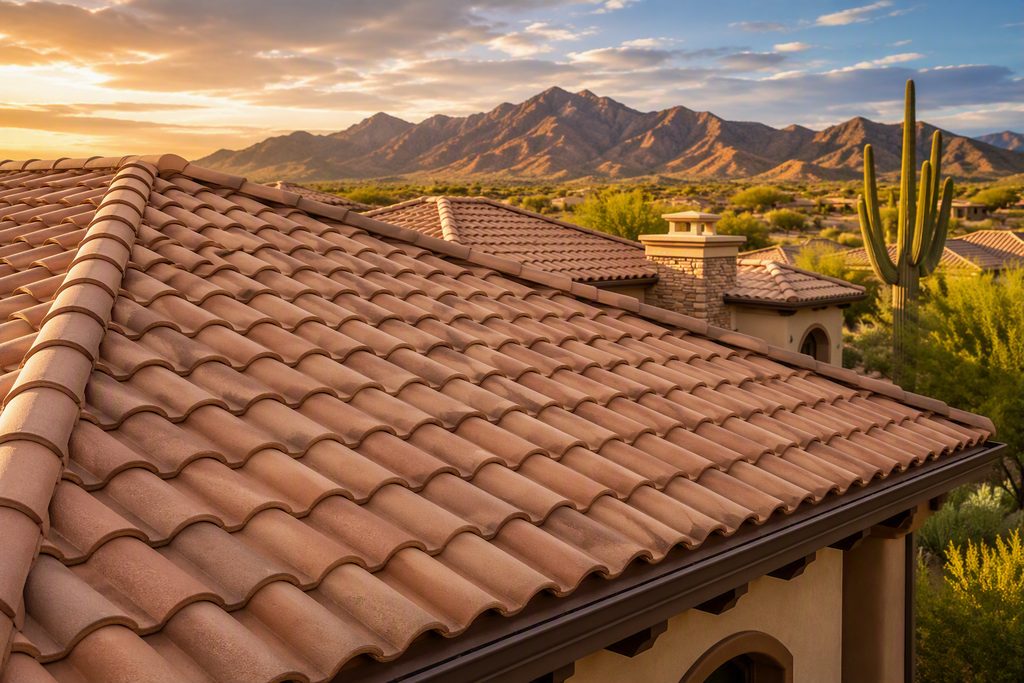
Arizona homeowners are no strangers to extreme weather. From months of relentless triple-digit temperatures to powerful monsoon storms, roofs across the state endure some of the harshest conditions in the country. While many people associate roof damage with sudden weather events, the reality is that Arizona’s climate causes slow, cumulative damage that often goes unnoticed until costly problems emerge.
As temperatures continue to climb and weather patterns become more intense, more homeowners are experiencing premature roof failures, unexpected leaks, and shorter roof lifespans than ever before. Understanding why this happens can help you protect your investment and avoid expensive emergency repairs.
Why Arizona Roofs Face Unique Challenges
Arizona’s climate creates a perfect storm for roofing deterioration. Unlike many parts of the country where roofs primarily contend with rain, snow, or occasional storms, Arizona roofs face year-round exposure to intense ultraviolet (UV) radiation, extreme heat, dramatic temperature swings, dust, wind, and seasonal monsoons.
During the summer, roof surface temperatures can exceed 150°F, placing tremendous stress on roofing materials. Year after year, these conditions accelerate wear and tear far beyond what many roofing systems experience in milder climates. [sundancero…inting.com], [tieroneroof.com], [efficientr…fingaz.com]
The Hidden Damage Caused by Extreme Heat
Most homeowners don’t realize that heat is often more destructive than storms.
Throughout the day, roofing materials absorb heat and expand. After sunset, temperatures drop and materials contract. This daily cycle repeats hundreds of times every year, creating ongoing stress throughout the roofing system. Over time, thermal expansion and contraction can lead to:
- Cracked shingles
- Broken or displaced roof tiles
- Failed sealants
- Damaged flashing
- Loosened fasteners
- Warped roof decking
This process, known as thermal cycling, gradually weakens roofing components until they can no longer perform effectively. [programmin…nsider.com], [reimagineroofing.com]
Because these issues develop slowly, many homeowners remain unaware of the damage until water intrusion or noticeable deterioration appears.
UV Exposure Is Constantly Breaking Down Roofing Materials
Arizona receives some of the highest levels of solar exposure in the United States. While sunshine may be great for outdoor activities, it can be devastating for roofing materials.
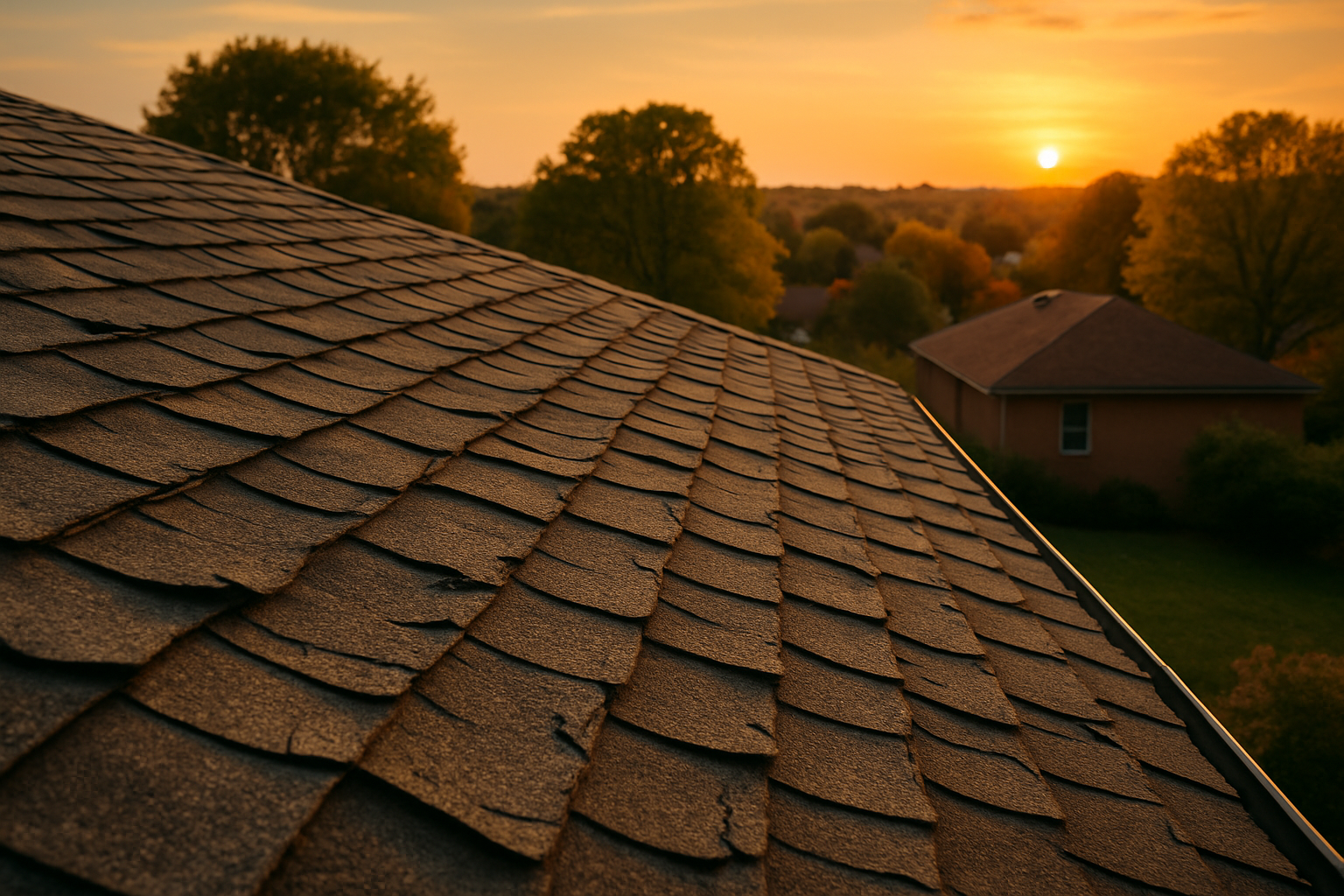
Intense UV rays break down the chemical composition of asphalt shingles, roofing membranes, sealants, and coatings. As materials degrade, they become brittle, lose flexibility, and become more susceptible to cracking and failure.
Common signs of UV-related roof damage include:
- Fading or discoloration
- Curling shingles
- Cracking underlayment
- Granule loss
- Dry, brittle sealants
Without regular inspections, these warning signs often go unnoticed until significant damage has already occurred.
Monsoon Season Reveals Existing Weaknesses
Many homeowners assume monsoon storms are the primary cause of roof failures. In reality, monsoon season often exposes damage that has been developing for months.
After enduring a long summer of extreme heat, roofing materials are already stressed and weakened. When strong monsoon winds, heavy rainfall, and sudden temperature drops arrive, compromised areas can quickly fail.
Common monsoon-related roofing issues include:
- Missing roof tiles
- Lifted shingles
- Flashing failures
- Roof leaks
- Damaged ridge caps
- Water intrusion around penetrations
Arizona monsoons frequently generate severe winds capable of damaging vulnerable roofing systems, especially those with existing heat-related deterioration. [tsmroofs.com], [temperoofi…repair.com]
Why Some Roofs Are Failing Earlier Than Expected
Traditionally, many roofing systems were expected to last 20 to 30 years. However, extreme heat and prolonged UV exposure are shortening those timelines for some Arizona homeowners.
Industry reports indicate that roofs in desert climates can experience significantly faster degradation compared to roofs in temperate regions. Daily thermal cycling, elevated surface temperatures, and prolonged sun exposure all contribute to premature wear.
Factors that can accelerate roof failure include:
Poor Attic Ventilation
Without proper ventilation, trapped heat can dramatically increase attic temperatures and place additional strain on roofing materials. This reduces efficiency and speeds up deterioration.
Aging Underlayment
For tile roofs, the underlayment often fails before the tiles themselves. Arizona’s heat can cause underlayment materials to dry out, crack, and lose their waterproofing capability.
Deferred Maintenance
Small issues such as cracked sealants, broken tiles, or clogged drainage systems can quickly become expensive repairs when left untreated through multiple seasons.
Inadequate Roofing Materials
Not all roofing products are designed for Arizona’s extreme climate. Choosing materials specifically engineered for desert performance can significantly impact roof longevity.
Warning Signs Your Roof May Be Failing
Early detection is critical. Homeowners should schedule a professional inspection if they notice any of the following:
- Water stains on ceilings or walls
- Missing or broken roof tiles
- Curling or buckling shingles
- Excessive granule loss
- Sagging roof sections
- Higher-than-normal energy bills
- Cracked flashing or sealants
- Visible roof discoloration
- Interior moisture or mold concerns
These symptoms often indicate underlying issues that should be addressed before they lead to more extensive damage.
How Regular Roof Inspections Save Thousands
The most effective way to prevent premature roof failure is through routine inspections.
Professional roof inspections can identify minor problems before they become major repairs, helping homeowners:
- Extend roof lifespan
- Prevent leaks
- Improve energy efficiency
- Protect property value
- Avoid costly emergency replacements
- Document roof condition for insurance purposes
In Arizona’s demanding climate, waiting until a leak appears often means significant damage has already occurred. Preventive maintenance is almost always less expensive than reactive repairs.
Protect Your Arizona Home with Reimagine Roofing
Arizona’s extreme climate isn’t getting any easier on roofs. If your roof has been exposed to years of intense heat, UV radiation, and monsoon storms, now is the time to ensure it remains in peak condition.
At Reimagine Roofing, we specialize in helping Arizona homeowners protect their properties with comprehensive roof inspections, expert repairs, and high-performance roofing solutions designed for desert conditions.
Get a Fast Online Roof Quote
Want to know what your roofing project may cost?
Receive a fast online quote
No obligation
Quick and convenient process
Expert recommendations tailored to your roof
Get Your Fast Online Quote Today
Schedule Your Professional Roof Inspection
Whether you’re concerned about storm damage, aging materials, or heat-related wear, our experienced roofing professionals can identify issues before they become expensive problems.
Popular Posts