Roof Upgrades That Actually Reduce Damage in Hurricane Season 2026

Roof Upgrades That Actually Reduce Damage in Hurricane Season 2026
Hurricane Roof Upgrades: Roof Upgrades That Actually Reduce Damage in Hurricane Season 2026
Every year, hurricane season brings powerful storms that threaten homes across coastal and storm-prone regions. In the U.S., hurricane season runs from June 1st to November 30th. In recent years, stronger winds, heavier rainfall, and more frequent extreme weather events have made roof durability more important than ever.
For homeowners, the roof is the first line of defense against hurricane damage. When a roof fails during a storm, it can lead to catastrophic problems such as water intrusion, structural damage, mold growth, and costly interior repairs. Selecting the best roofing material for your region is crucial to withstand harsh weather, including hurricanes, hail, and heavy rain.
The good news is that modern roofing technology has advanced significantly. Today, there are roof upgrades specifically designed to reduce hurricane damage and improve storm resilience. Lessons learned from events like Hurricane Ian in 2022 have shown that modern roof design and roof shape, such as hip roofs and steep slopes, can make a significant difference in storm resilience.
In this guide, we’ll explore the most effective roofing upgrades homeowners should consider before Hurricane Season 2026, how these upgrades work, and why proactive roof improvements can save thousands of dollars in storm damage. While no roof is completely hurricane proof, certain upgrades and materials can significantly improve your home’s protection against severe storms.
Why Hurricane Roof Damage Happens
Hurricanes affect roofs in several ways. High winds can lift roofing materials, heavy rain can penetrate weak areas, and debris carried by storm winds can cause sudden impact damage. Driving rain, propelled by hurricane-force winds, can penetrate weak spots and lead to significant water intrusion inside the home.
When a roof fails during a hurricane, it usually happens due to one of the following factors:
- Poorly installed roofing materials
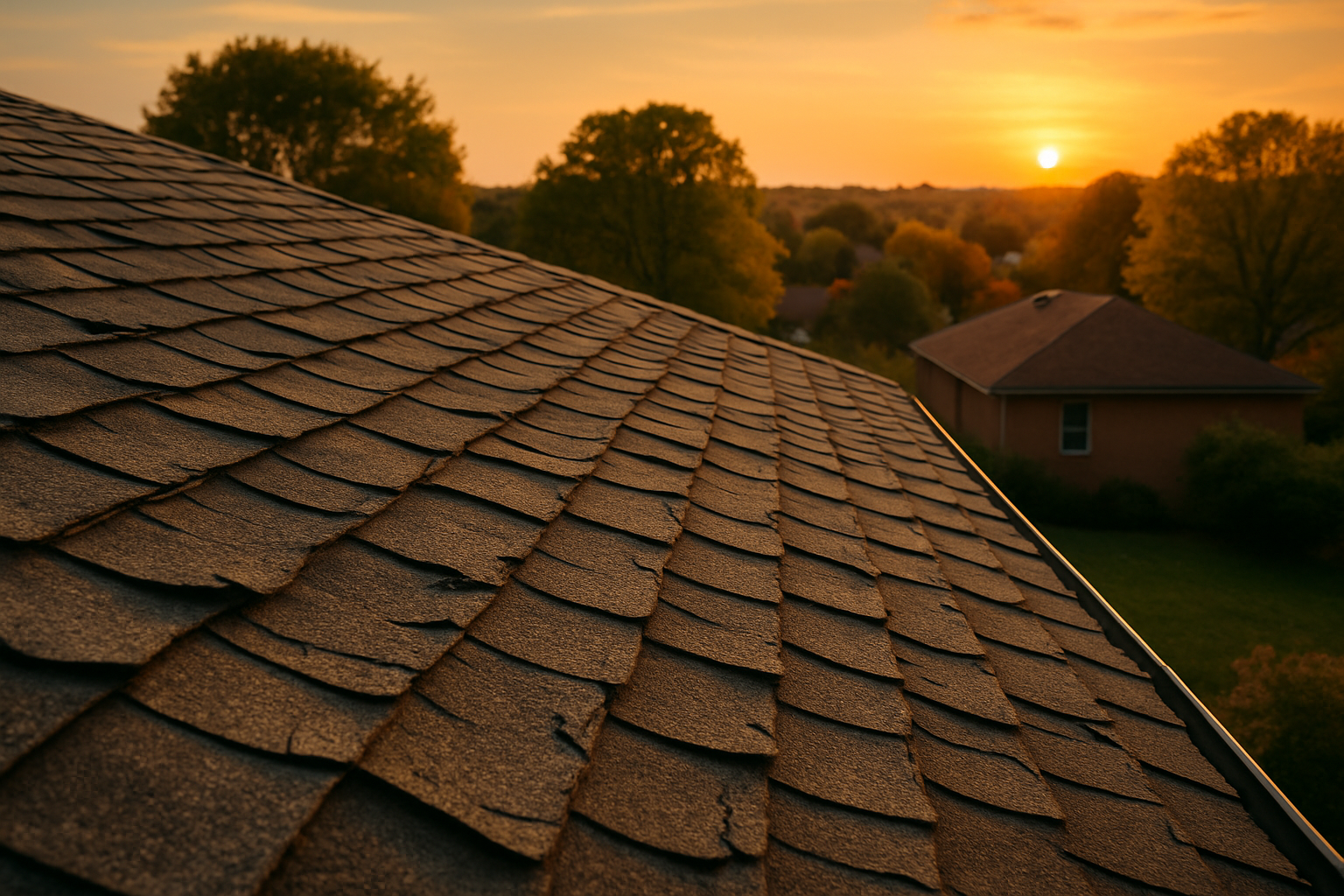
- Aging shingles or roofing systems
- Weak roof decking or structural components
- Inadequate roof fastening systems
- Poor roof ventilation or drainage
Pressure differences caused by high winds can compromise the roof’s stability, especially if the home’s structure is not reinforced to withstand these forces.
Many older roofs were not built to meet modern wind resistance standards. As hurricane intensity increases, upgrading vulnerable roofing systems becomes critical for protecting homes. Extensive damage can occur when wind, rain, and debris combine to overwhelm the roof’s defenses, threatening the integrity of the entire home’s structure.
The Cost of Hurricane Roof Damage
Roof damage from hurricanes can be extremely expensive. Even minor roof failures can lead to major interior repairs.
Typical hurricane-related roof damage costs include:
| Damage Type | Average Repair Cost |
|---|---|
| Missing shingles | $300 – $1,000 |
| Roof leaks | $1,000 – $5,000 |
| Structural roof damage | $10,000 – $25,000 |
| Complete roof replacement | $15,000 – $40,000+ |
Roof replacements are among the most expensive repairs, and failing to address minor issues can result in further damage and much higher costs over time.
The biggest financial risk comes when water enters the home after roofing materials fail. Water damage can spread quickly through insulation, drywall, ceilings, and electrical systems.
Preventative upgrades can significantly reduce these risks. Investing in quality materials for storm resiliency can be worth it due to the high costs of roofing repairs and replacements.
Why Roof Upgrades Matter Before Hurricane Season
Many homeowners wait until after a storm to repair or replace their roof. However, the best time to strengthen your roof is before hurricane season begins. Getting your roof ready for hurricane season may include a thorough inspection and, if your current roof is nearing the end of its lifespan, installing a new roof with hurricane-resistant materials and design features.
Proactive upgrades help prevent:
- Wind uplift damage
- Water penetration
- Structural roof failure
- Flying debris impact damage
- Expensive emergency repairs
Modern roofing systems are specifically designed to withstand stronger wind speeds and extreme weather conditions.
Upgrading your roof before the 2026 hurricane season can dramatically improve your home’s ability to survive severe storms. Homeowners may also earn discounts on their homeowner’s insurance by proactively upgrading their roofs, and choosing the right roofing materials can help reduce long-term repair costs and lower insurance premiums.
Local Building Codes and Roof Upgrades
When preparing your home for hurricane season, understanding and following local building codes is crucial—especially in hurricane-prone areas. These codes are designed to ensure that roofing materials and construction methods can withstand high winds, flying debris, and other hazards common during severe weather events. For example, in regions like Florida, building codes may require roofs to be engineered for wind speeds up to 150 mph, making them far more resilient during a tropical storm or hurricane.
Upgrading your roof to meet or exceed these standards is one of the best ways to reduce the risk of roof damage. This often means choosing impact resistant shingles, metal roofing, or sealed roof decks—materials and systems specifically tested to withstand high winds and flying debris. Consulting with a professional roofing contractor familiar with local requirements can help you select the best roof upgrades for your home, ensuring your roofing system is both code-compliant and hurricane resistant.
By investing in roof upgrades that align with local building codes, homeowners in hurricane prone areas can significantly improve their home’s ability to withstand severe weather. Not only does this provide unmatched protection during hurricane season, but it also adds long-term value and peace of mind.
Roof Upgrade #1: Impact-Resistant Roofing Materials
One of the most effective hurricane roof upgrades is installing impact-resistant roofing materials. Impact resistance is a key feature of modern roofing materials, helping them withstand damage from hail and flying debris during severe storms.
During hurricanes, debris such as branches, roof tiles, and construction materials can become airborne projectiles. When these objects strike a roof, they can crack or puncture traditional roofing materials. Impact-rated shingles and synthetic roofing materials are popular options for hurricane roof upgrades, offering enhanced durability and resistance to storm damage.
Impact-resistant roofing materials are engineered to withstand these impacts without breaking. Impact-rated shingles should meet UL 2218 Class 4 standards and have wind ratings of ASTM D3161 Class F or ASTM D7158 Class H (rated for 130–150 mph). Synthetic roofing materials, often made from engineered polymers or rubber, provide long-lasting durability and superior impact resistance, making them an excellent choice for storm-prone areas.
Benefits of Impact-Resistant Roofing
Impact-resistant roofing materials offer several advantages:
- Greater resistance to debris impact
- Reduced chance of roof punctures
- Longer lifespan compared to traditional materials
- Potential insurance discounts in some regions
These materials are especially important in hurricane-prone states where debris damage is common.
Roof Upgrade #2: Standing Seam Metal Roofing
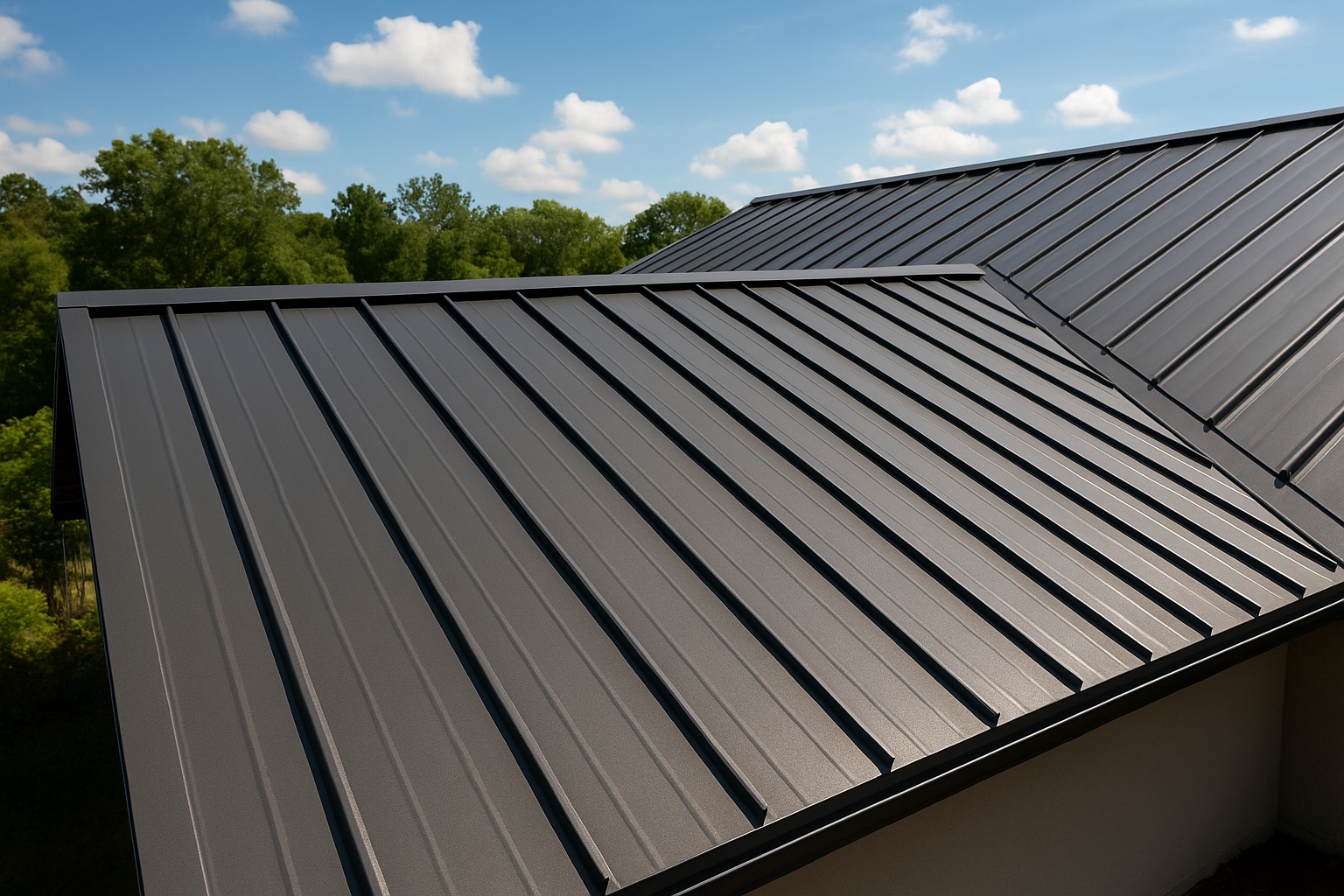
Standing seam metal roofs have become one of the most hurricane-resistant roofing systems available today. Standing seam metal roofs are a type of hurricane resistant roof, designed to protect homes against extreme weather conditions.
Unlike traditional asphalt shingles, standing seam metal roofs use large metal panels that are mechanically fastened to the roof structure. This design significantly improves wind resistance. Metal roofs are specifically engineered to withstand high winds, heavy rain, and flying debris.
Key benefits include:
- Superior wind uplift resistance due to concealed fasteners and interlocking panels
- Some metal roofs can withstand wind speeds up to 150 mph, covering you even during Category 4 hurricanes. DECRA metal roofing is warrantied for wind speeds up to 120 miles per hour and has been tested to meet the requirements of the High-Velocity Hurricane Zone. The GAF TimberSteel™ Premium Metal Roofing System provides hurricane-resistant capabilities at an affordable price.
- Long lifespan and low maintenance requirements
Metal roofing can withstand wind speeds up to 150 mph, making it one of the best roofing systems for hurricanes.
Why Metal Roofs Perform Better in Hurricanes
Standing seam metal roofs offer several key advantages:
- Wind resistance up to 140+ mph
- Interlocking panels reduce uplift risk
- Minimal seams reduce water infiltration
- High durability against debris impact
Because metal panels are securely fastened to the roof deck, they are far less likely to tear off during extreme winds.
Metal roofing is increasingly recommended for homes located in hurricane zones.
Roof Upgrade #3: Improved Roof Decking
Roof decking forms the structural base beneath roofing materials. When hurricane winds lift roofing materials, weak roof decking can fail quickly. Properly installed roof decking, using correct fasteners and installation techniques, is essential for hurricane resistance.
Upgrading roof decking strengthens the entire roof system. Reinforcing the roof deck with long nails placed at closer spacing, especially using 8d ring-shank nails, greatly reduces the likelihood of panels being peeled away by uplift pressure and provides much higher holding power against wind-driven uplift than smooth nails or staples.
Modern Roof Decking Improvements
Modern roof decking improvements include:
- Thicker plywood decking
- Improved fastening patterns
- Water-resistant decking materials
Stronger roof decking helps prevent roof collapse and provides additional protection against severe storms.
Roof Upgrade #4: Hurricane Roof Straps and Clips
Hurricane straps are metal connectors that secure the roof structure to the walls of the home.
These connectors are essential for preventing roofs from separating from the structure during high winds.
Why Hurricane Straps Matter
When hurricane winds create uplift pressure, roofs can detach from the house if they are not properly anchored.
Hurricane straps strengthen the connection between:
- Roof rafters
- Trusses
- Exterior walls
This reinforcement significantly improves wind resistance and structural integrity.
Roof Upgrade #5: Sealed Roof Deck Systems
A sealed roof deck is one of the most effective ways to prevent water damage during hurricanes.
Traditional roofing systems rely on shingles or tiles to block water. However, if those materials are damaged during a storm, water can quickly enter the home.
A sealed roof deck adds a waterproof barrier directly over the roof decking.
Benefits of Sealed Roof Decks
Sealed roof decks help prevent:
- Interior water leaks
- Ceiling damage
- Mold growth
- Structural deterioration
Even if roofing materials are damaged during a hurricane, the sealed deck continues protecting the home.
Roof Upgrade #6: High-Wind Rated Shingles
If metal roofing is not an option, high-wind rated shingles provide another excellent hurricane-resistant solution.
Modern architectural shingles are designed to withstand wind speeds of 130 mph or more.
Advantages of High-Wind Rated Shingles
These shingles offer:
- Stronger adhesive bonds
- Improved wind resistance
- Better durability during storms
Compared to traditional three-tab shingles, architectural shingles provide significantly better protection.
Roof Upgrade #7: Reinforced Roof Ventilation
Roof ventilation is important for controlling heat and moisture inside the attic. However, poorly installed vents can become entry points for rain during hurricanes.
Upgrading roof ventilation helps reduce storm vulnerability.
Hurricane-Resistant Ventilation Systems
Modern roof vents are designed to:
- Resist wind-driven rain
- Prevent water intrusion
- Maintain attic airflow
Proper ventilation also helps extend roof lifespan by reducing heat buildup.
Roof Upgrade #8: Upgraded Roof Fasteners
The fasteners used during roof installation play a major role in wind resistance.
Standard roofing nails may not provide sufficient holding power during hurricane-force winds.
Upgraded roofing systems use:
- Ring-shank nails
- Additional fastening patterns
- Stronger anchor points
Strengthening roof edges with specific clips or fasteners helps prevent the roof from peeling back at the eaves, which is crucial for maintaining the roof’s integrity. Identifying and repairing weak spots or damage caused by environmental factors like hail and debris also supports the overall strength and durability of the roof.
These improvements help keep roofing materials securely attached during extreme storms.
How Roof Age Affects Hurricane Damage Risk
The age of your roof significantly impacts how well it can withstand hurricanes.
Most roofing systems have a lifespan of 15–30 years, depending on materials and environmental conditions.
Older roofs may experience:
- Shingle deterioration
- Weakened fasteners
- Structural wear
- Reduced wind resistance
If your roof is approaching the end of its lifespan, upgrading before hurricane season can prevent costly storm damage.
Signs Your Roof May Need an Upgrade Before Hurricane Season
Homeowners should schedule a roof inspection if they notice:
- Missing or damaged shingles
- Roof leaks or water stains
- Sagging roof areas
- Loose flashing or vents
- Excessive granule loss on shingles
These signs may indicate that the roof is vulnerable to storm damage.
Tree Branches and Roof Damage
Tree branches are a common but often overlooked threat to your roof during hurricane season. When strong winds sweep through, overhanging branches can snap and crash onto your roof, causing significant damage to shingles, tiles, or even the roof deck itself. In addition to the immediate impact, fallen branches can create entry points for wind driven rain and heavy rain, increasing the risk of water damage inside your home.
To protect your roof, it’s important to regularly trim or remove trees and branches that are close to your home—especially those that extend over the roof. Scheduling regular roof inspections can help spot any existing vulnerabilities, such as loose or damaged shingles, that could be made worse by falling branches. Upgrading to impact resistant shingles or other durable roofing materials can also provide an extra layer of defense, helping your roof withstand the impact of debris during severe weather.
Don’t forget routine maintenance: keeping gutters and downspouts clear ensures that rainwater flows away from your roof, reducing the risk of leaks and water damage during torrential downpours. By taking these proactive steps, you can minimize the risk of roof damage from tree branches and keep your home better protected throughout hurricane season.
Why Professional Roof Inspections Are Essential
Before making roofing upgrades, a professional inspection can identify hidden weaknesses in the roof structure.
A roof inspection evaluates:
- Roofing material condition
- Structural integrity
- Fastening systems
- Ventilation systems
- Potential leak points
Professional assessments help homeowners prioritize the most important upgrades before hurricane season.
Schedule a Free Roof Inspection with Reimagine Roofing
If you’re preparing your home for Hurricane Season 2026, a professional roof inspection is the best place to start.
At Reimagine Roofing, our experienced roofing specialists evaluate the condition of your roof and recommend upgrades that improve storm resistance and long-term durability.
Our Free Roof Inspection includes:
- Complete roof condition assessment
- Storm vulnerability analysis
- Structural evaluation
- Expert upgrade recommendations
There is no cost and no obligation.
Get Roofing Estimates in Less Than a Day
Planning roof upgrades should be simple and convenient for homeowners.
With Reimagine Roofing’s Instant Quote Tool, you can receive roofing estimates quickly and easily.
Our quote system allows you to:
- View roofing upgrade options
- Compare material choices
- Estimate project costs
- Plan your roofing investment
Most homeowners receive their estimates in less than a day, helping you move forward with confidence.
Why Homeowners Choose Reimagine Roofing
Homeowners trust Reimagine Roofing because we specialize in durable, high-performance roofing systems designed to withstand extreme weather conditions.
Our team focuses on delivering roofing solutions that combine durability, efficiency, and long-term value.
Homeowners choose Reimagine Roofing because we provide:
- Professional roof inspections
- Advanced hurricane-resistant roofing systems
- Transparent pricing
- Fast project timelines
- Reliable installation expertise
We help homeowners protect their properties before storms arrive.
Preparing Your Home Before Hurricane Season
Roof upgrades are one of the most effective ways to prepare your home for hurricane season, but additional steps can also improve storm protection.
Homeowners should also:
- Clean roof gutters and drainage systems
- Trim trees near the roof
- Trim nearby trees to prevent damage from falling branches during a hurricane
- Secure outdoor objects
- Check attic insulation and ventilation
- Inspect flashing and sealants
Wind mitigation inspections often include checking garage doors and other structural elements to assess hurricane preparedness. Many insurers offer significant wind mitigation credits for hurricane-resistant features, which can help offset the cost of upgrades.
Final Thoughts: Strengthen Your Roof Before Hurricane Season 2026
Hurricane season is unpredictable, but your home’s protection doesn’t have to be.
Upgrading your roof before severe storms arrive can dramatically reduce the risk of costly damage. The type of roof you have and its pitch play a crucial role in hurricane resilience—a roof pitch of 30 to 45 degrees is ideal for deflecting high winds and ensuring efficient drainage. Hip roofs, which slope on all four sides, are more aerodynamic and stable than gable roofs, providing better wind resistance and reducing the risk of wind uplift. Limiting roof overhangs to less than 20 inches also helps minimize the surface area where wind can exert upward pressure.
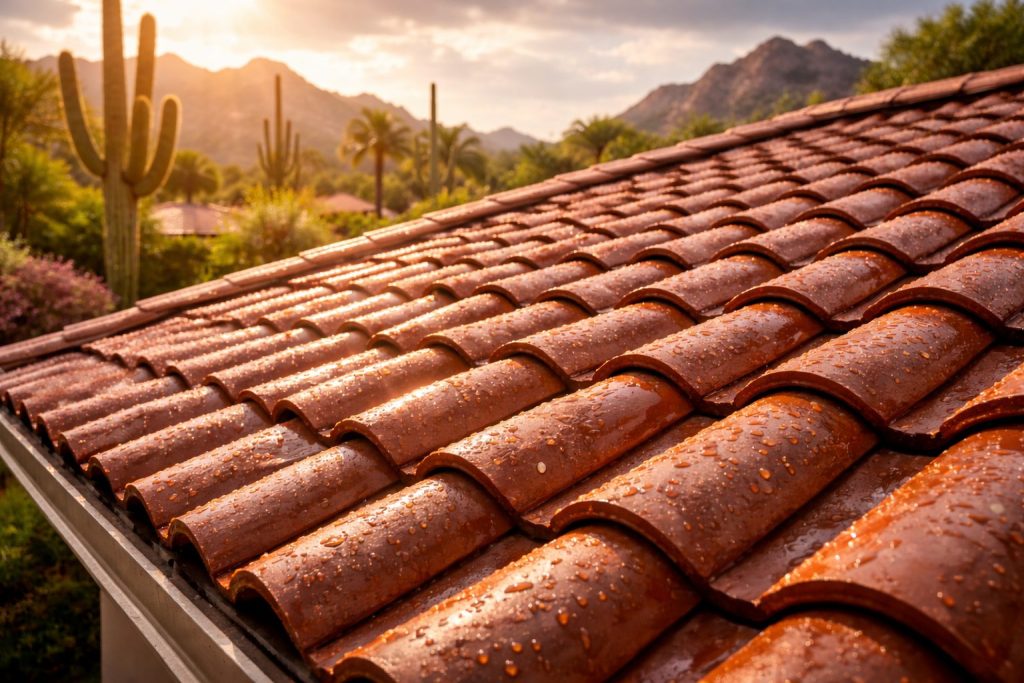
Modern roofing materials, stronger fastening systems, sealed roof decks, and metal roofing technologies provide homeowners with powerful tools to protect their homes. Clay tiles and ceramic tile roofing are excellent options for hurricane roof upgrades, as they can withstand winds over 100 mph and, when properly installed, resist uplift up to 130 mph due to their weight. Proper installation is essential to prevent these tiles from becoming projectiles during storms.
Proactive roof improvements not only strengthen your home during storms but also improve energy efficiency, extend roof lifespan, and increase property value.
If you’re preparing for the upcoming hurricane season, now is the perfect time to evaluate your roof’s condition.
Get Started with Reimagine Roofing Today
Protect your home before the next storm arrives.
Schedule your Free Roof Inspection with Reimagine Roofing to identify potential vulnerabilities and explore hurricane-resistant upgrades.
You can also try our Instant Quote Tool to receive roofing estimates in less than a day.
Take the first step toward a stronger, more resilient roof with Reimagine Roofing today.
Popular Posts