Low-E Glass Explained: Is It Worth It in Arizona?

Low-E Glass Explained: Is It Worth It in Arizona?
Low-E Glass Explained: Is It Worth It in Arizona?
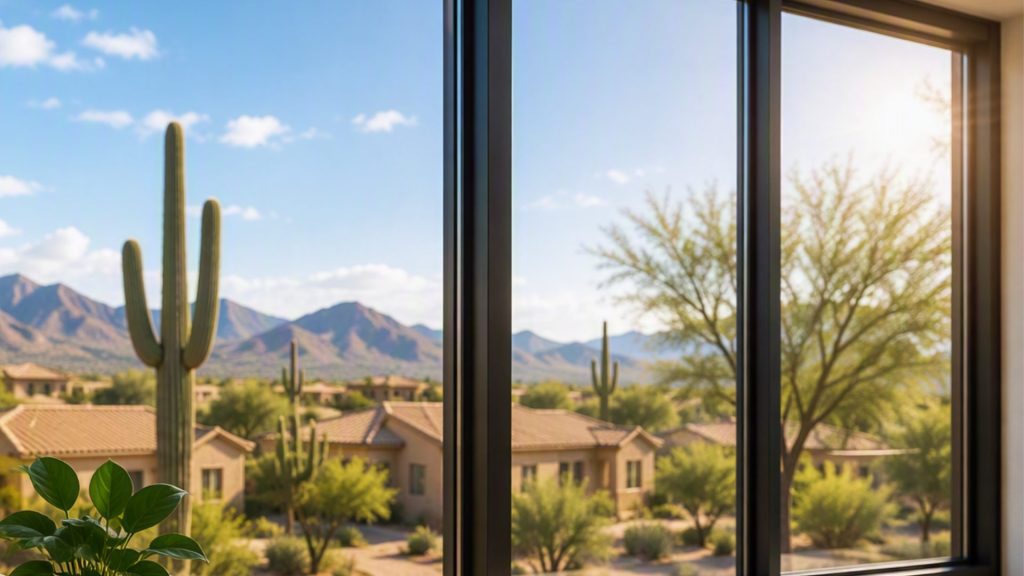
Arizona homeowners face some of the harshest sunlight and highest cooling demands in the country. If you’re replacing windows, upgrading your home, or planning an energy-efficient renovation, you’ve likely heard about Low-E glass. But what exactly is it, and is it worth the investment in Arizona’s extreme climate?
The short answer: Yes, for most Arizona homes, Low-E glass is one of the smartest energy-efficiency upgrades you can make. It helps reduce heat transfer, lowers cooling costs, protects interiors from UV damage, and improves year-round comfort.
Let’s break down everything you need to know.
What Is Low-E Glass?
Low-E stands for Low Emissivity. It refers to a microscopically thin, transparent coating applied to glass surfaces that helps regulate heat transfer.
Unlike traditional glass, Low-E glass is engineered to reflect infrared heat while still allowing natural light to enter your home. This technology helps keep unwanted heat out during Arizona’s scorching summers while maintaining a comfortable indoor temperature.
How Does Low-E Glass Work?
The coating acts like a thermal filter:
- Reflects solar heat away from your home
- Reduces heat transfer through windows
- Blocks harmful UV rays
- Allows visible light to pass through
- Improves overall energy efficiency
Think of it as sunscreen for your windows. You still get bright, natural daylight without as much heat entering your living space.
Why Low-E Glass Matters in Arizona
Arizona experiences:
- Intense year-round sunshine
- Summer temperatures exceeding 110°F
- High cooling costs
- Significant UV exposure
Standard windows can allow large amounts of solar heat to enter your home, forcing your HVAC system to work harder. In many homes, windows are one of the biggest contributors to indoor heat gain.
Low-E glass helps combat these challenges by creating a more energy-efficient barrier between your home’s interior and Arizona’s harsh outdoor conditions.
Top Benefits of Low-E Glass for Arizona Homeowners
1. Lower Energy Bills
One of the biggest reasons homeowners choose Low-E windows is energy savings.
Because less heat enters the home, your air conditioning system doesn’t have to operate as frequently or as intensely. Over time, this can lead to noticeable reductions in monthly utility bills.
In Arizona, where cooling costs often represent the largest portion of summer energy expenses, these savings can add up quickly.
2. Increased Indoor Comfort
Have you ever sat near a window and felt intense heat radiating into the room?
Low-E glass helps eliminate hot spots near windows by reducing solar heat gain. This creates a more consistent indoor temperature throughout the home.
Benefits include:
- Cooler rooms
- Reduced temperature fluctuations
- Better comfort during peak summer months
- Less strain on HVAC systems
3. UV Protection for Your Home
Arizona’s abundant sunshine doesn’t just affect temperatures.
Ultraviolet rays can cause:
- Hardwood floors to fade
- Carpet discoloration
- Damaged furniture
- Faded artwork
- Deterioration of fabrics and curtains
Many Low-E glass products block a significant percentage of harmful UV radiation, helping protect your home’s interior investments.
4. Improved Home Value
Energy efficiency is increasingly important to homebuyers.
Homes equipped with modern energy-efficient windows often appeal to buyers looking for:
- Lower utility costs
- Increased comfort
- Sustainable features
- Reduced maintenance
Window upgrades can improve both curb appeal and long-term property value.
5. Reduced HVAC Wear and Tear
When your air conditioning system runs constantly to compensate for heat entering through windows, it experiences additional wear.
By helping maintain cooler indoor temperatures, Low-E glass may help reduce HVAC workload and potentially extend system lifespan.
Are All Low-E Coatings the Same?
Not exactly.
There are several types of Low-E coatings, and performance can vary depending on the specific product and climate it is designed for.
For Arizona homes, solar-control Low-E coatings are often the best choice because they prioritize reducing solar heat gain while maintaining natural light.
Factors to consider include:
- Solar Heat Gain Coefficient (SHGC)
- U-Factor
- Visible Transmittance
- Orientation of the home
- Window placement
- Local climate conditions
Working with experienced contractors can help ensure you select the best window solution for Arizona’s unique weather conditions.
Is Low-E Glass Worth the Extra Cost?
For most Arizona homeowners, the answer is yes.
While Low-E windows generally cost more upfront than standard glass, the long-term benefits often outweigh the initial investment.
Potential Return on Investment Includes:
Lower cooling costs
Improved indoor comfort
UV protection
Increased home value
Enhanced energy efficiency
Potential HVAC savings
Because Arizona’s climate places such a heavy demand on air conditioning systems, energy-efficient windows can provide greater benefits here than in many other parts of the country.
Signs Your Current Windows May Need Upgrading
If you notice any of the following, it may be time to consider replacement windows with Low-E glass:
- Rooms that are consistently hot
- Rising energy bills
- Drafty windows
- Excessive glare
- Fading furniture or flooring
- Single-pane windows
- Condensation issues
- Aging or damaged window frames
New energy-efficient windows can dramatically improve both comfort and performance.
Low-E Glass and Roofing: A Powerful Combination
Many homeowners focus on roofing upgrades or window replacements separately.
However, combining both improvements can create significant efficiency gains.
At Reimagine Roofing & Construction, we often help homeowners evaluate how:
- Roofing materials
- Attic ventilation
- Insulation
- Skylights
- Energy-efficient windows
work together to improve overall home performance.
A well-designed exterior building envelope can reduce energy waste and increase comfort throughout the year.
Frequently Asked Questions About Low-E Glass
Does Low-E Glass Make My Home Darker?
No. Most modern Low-E coatings are virtually invisible and allow plenty of natural light into your home while reducing heat transfer.
Does Low-E Glass Work in Winter?
Yes. While Arizona winters are relatively mild, Low-E glass can also help reduce heat loss during cooler months, improving year-round efficiency.
Can I Add Low-E Coating to Existing Windows?
In some cases, window films may provide similar benefits, but replacement windows with factory-applied Low-E coatings typically deliver the best long-term performance.
How Long Does Low-E Glass Last?
High-quality Low-E windows are designed to perform for decades when properly installed and maintained.
The Bottom Line
When it comes to surviving Arizona’s relentless heat, Low-E glass is more than a luxury—it’s a practical investment in comfort, energy efficiency, and home protection.
Whether you’re replacing aging windows, upgrading your home’s exterior, or planning a larger renovation, Low-E glass can help reduce cooling costs, improve indoor living conditions, and protect your interior from damaging UV rays.
For many Arizona homeowners, the combination of energy savings and enhanced comfort makes Low-E glass well worth the investment.
Get a Fast Quote from Reimagine Roofing & Construction
Thinking about upgrading your home’s energy efficiency, replacing windows, or evaluating your roofing system?
Get Your Fast Online Quote Today
Our team makes it easy to receive a quick estimate for your project.
👉 Request Your Online Quote Now
Schedule a Professional Roof Inspection
Not sure whether your roof, ventilation, or exterior systems are affecting your home’s energy performance?
👉 Contact Reimagine Roofing & Construction today to book a comprehensive inspection.
Our experienced team proudly serves Arizona homeowners with trusted roofing, exterior improvement, and energy-efficiency solutions designed for the desert climate.
Call us today or contact us online to schedule your inspection and discover how much you could save with smart home upgrades.
Popular Posts