Repair vs. Replacement: How to Decide After a Monsoon Storm

Repair vs. Replacement: How to Decide After a Monsoon Storm
Monsoon storms can be relentless on roofing systems. High winds, driving rain, flying debris, hail, and prolonged moisture exposure often leave homeowners wondering whether a roof can be repaired or if a full replacement is the smarter investment. Making the right decision quickly is important, especially since hidden storm damage can worsen over time and lead to leaks, structural concerns, mold growth, and increased repair costs.
For homeowners throughout the Southwest, understanding the difference between repairable storm damage and damage severe enough to justify replacement can help protect both your home and your budget. This guide explains the key factors roofing professionals evaluate after a monsoon storm and how to determine the best path forward.
Understanding How Monsoon Storms Damage Roofs
Monsoon season brings unique challenges that differ from typical rainstorms. Roofing systems are often exposed to a combination of:
- Strong wind gusts
- Heavy rainfall
- Wind-driven debris
- Hail impacts
- Flash flooding conditions
- Extended moisture exposure
- Extreme temperature fluctuations before and after storms
While your roof is designed to withstand normal weather conditions, repeated severe storms can accelerate wear and expose vulnerabilities that previously went unnoticed.
Damage is not always obvious from the ground. Even when a roof appears intact, hidden issues can compromise its ability to protect your home. This is why a professional roof inspection should always be the first step after a significant monsoon event.
Why Immediate Roof Inspections Matter
Many homeowners assume that if no water is dripping inside, the roof must be fine. Unfortunately, storm damage often develops gradually.
Small issues such as lifted shingles, damaged flashing, or punctured underlayment can allow moisture intrusion over time. Water may travel through attic spaces and wall cavities before visible signs appear inside the home.
A professional inspection can identify:
- Missing shingles or tiles
- Lifted roofing materials
- Damaged flashing
- Impact damage from debris
- Soft spots in decking
- Gutter system damage
- Hidden water intrusion
- Structural concerns
The sooner damage is discovered, the more options homeowners have for cost-effective repairs.
Signs Your Roof May Only Need Repairs
Not every monsoon storm leads to a full roof replacement. In many cases, targeted repairs can restore the roof’s integrity and extend its lifespan.
The Damage Is Limited to One Area
Localized damage often occurs when debris strikes a specific section of the roof.
Examples include:
- A few missing shingles
- Isolated cracked tiles
- Minor flashing damage
- Small leak areas
- Localized impact damage
When most of the roofing system remains in good condition, repairing the affected area is often the most practical solution.
Your Roof Is Relatively New
Age plays a significant role in determining whether repairs make sense.
If your roof is still within the first half of its expected lifespan and has otherwise been well maintained, repairing storm damage can often restore full performance.
For example:
- Asphalt shingle roofs under 10-15 years old
- Newer tile roofing systems
- Recently installed metal roofs
These roofs frequently benefit from repairs rather than complete replacement.
No Widespread Water Damage Exists
When inspections reveal that water intrusion is limited and structural components remain dry and sound, repairs may provide an effective long-term solution.
Minor leaks caught early are generally far easier and less expensive to address than widespread moisture damage.
Matching Materials Are Available
Repairs tend to be more successful when replacement materials closely match the original roofing system.
If shingles, tiles, or metal panels can be sourced without difficulty, restoring the damaged area while maintaining curb appeal becomes much easier.
Signs a Roof Replacement May Be the Better Choice
In some situations, repairs simply delay a larger problem. A roof replacement may ultimately provide better protection, improved efficiency, and greater value.
Damage Is Widespread
Monsoon storms can create large-scale roofing failures.
Examples include:
- Extensive shingle loss
- Large sections of broken tile
- Multiple leak locations
- Significant wind uplift damage
- Widespread hail impacts
When damage affects a substantial portion of the roofing system, repeated repairs may become more costly than replacement.
The Roof Is Near the End of Its Life
Every roofing material has a limited lifespan.
Common averages include:
- Asphalt shingles: 20-30 years
- Tile roofing: 50+ years
- Metal roofing: 40-70 years
If a storm damages an aging roof that was already approaching replacement age, investing in repairs may offer only temporary relief.
In these situations, replacement can provide a more reliable long-term solution.
Multiple Repairs Have Already Been Made
A roof requiring frequent repairs often indicates declining performance.
Warning signs include:
- Recurring leaks
- Repeated patchwork
- Curling shingles
- Granule loss
- Persistent moisture problems
If storm damage adds to an already deteriorating roof, replacement often becomes the more cost-effective choice.
Structural Components Are Compromised
Monsoon-related water intrusion sometimes affects more than surface materials.
Replacement may be necessary when inspections reveal:
- Rotted roof decking
- Structural weakening
- Mold contamination
- Extensive underlayment damage
- Compromised ventilation systems
Once structural elements are affected, localized repairs may not adequately solve the underlying issues.
Comparing the Long-Term Costs
Many homeowners understandably focus on immediate repair costs. While repairs generally cost less upfront, they may not always offer the greatest value.
Repair Costs
Benefits include:
- Lower initial investment
- Faster completion
- Minimal disruption
- Preserves newer roofing systems
Potential drawbacks:
- Future storm vulnerability
- Additional repairs may become necessary
- Damage may continue in aging roofs
Replacement Costs
Benefits include:
- Long-term protection
- Enhanced weather resistance
- Manufacturer warranties
- Improved energy efficiency
- Higher property value
Potential drawbacks:
- Larger initial investment
- Longer installation timeline
When evaluating costs, it is essential to consider the remaining lifespan of the existing roof rather than focusing solely on immediate expenses.
The Insurance Factor
Many homeowners rely on insurance coverage following severe monsoon storms.
After storm damage occurs:
- Schedule a professional roof inspection.
- Document visible damage.
- Contact your insurance company promptly.
- Obtain professional repair or replacement recommendations.
- Review policy coverage carefully.
A professional roofing contractor can help identify storm-related damage, provide supporting documentation, and assist homeowners throughout the claims process.
Understanding the extent of the damage before filing a claim helps ensure informed decisions about repairs versus replacement.
Energy Efficiency Considerations
A replacement roof offers opportunities to improve energy performance, especially in hot Southwest climates.
Modern roofing systems may include:
- Reflective roofing materials
- Enhanced attic ventilation
- Improved insulation compatibility
- Advanced underlayment systems
These improvements can help reduce heat transfer into the home, potentially lowering cooling costs throughout the year.
If your current roof is older and storm-damaged, replacement may provide both protection and energy-saving benefits.
How Different Roofing Materials Respond to Monsoon Damage
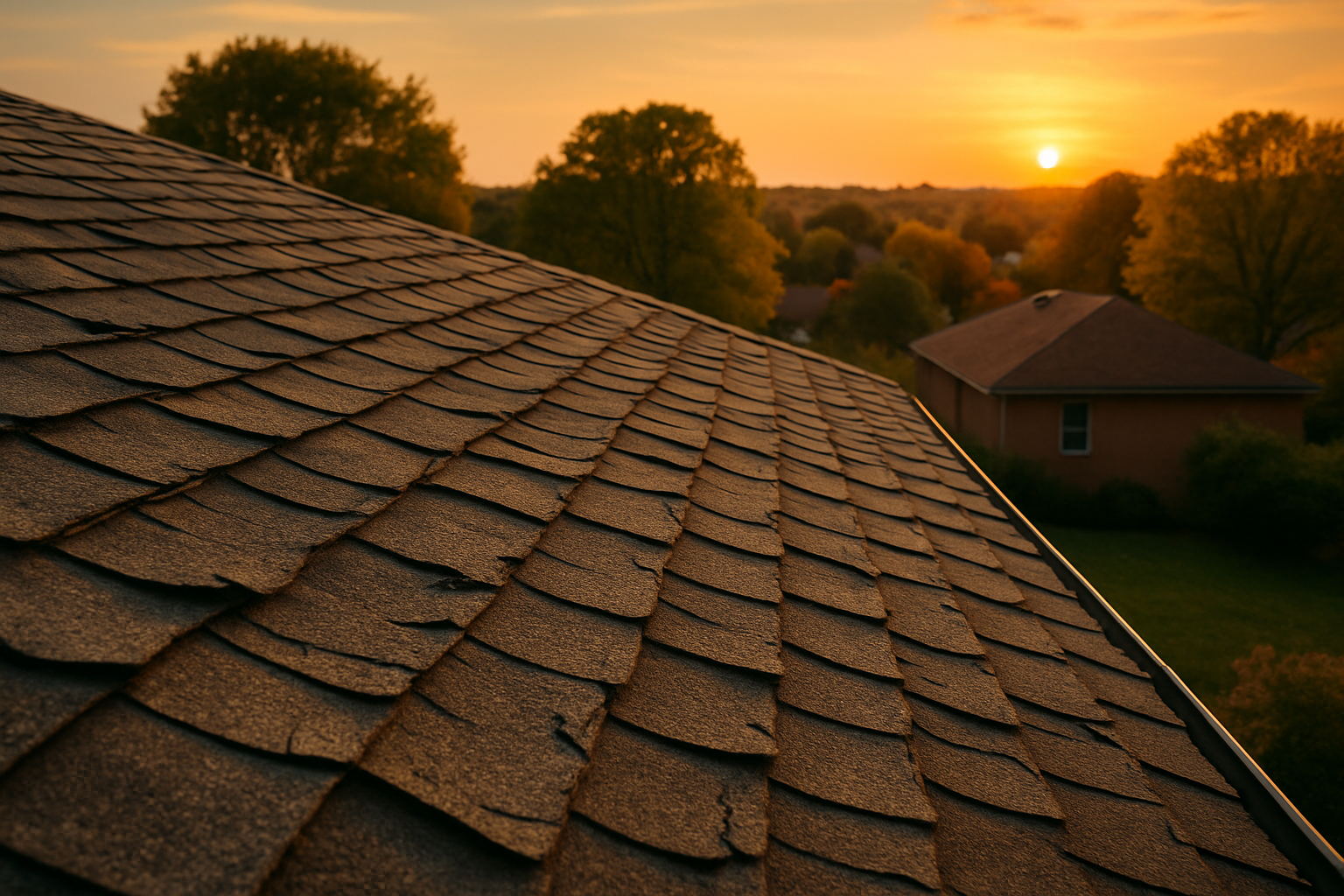
Asphalt Shingles
Common storm-related issues include:
- Wind uplift
- Missing shingles
- Granule loss
- Impact damage
Localized repairs are often possible when damage is limited.
Tile Roofs
Tile systems are durable but can suffer:
- Cracked tiles
- Broken ridge caps
- Underlayment deterioration
While individual tile replacement is often feasible, aging underlayment may sometimes make full replacement more practical.
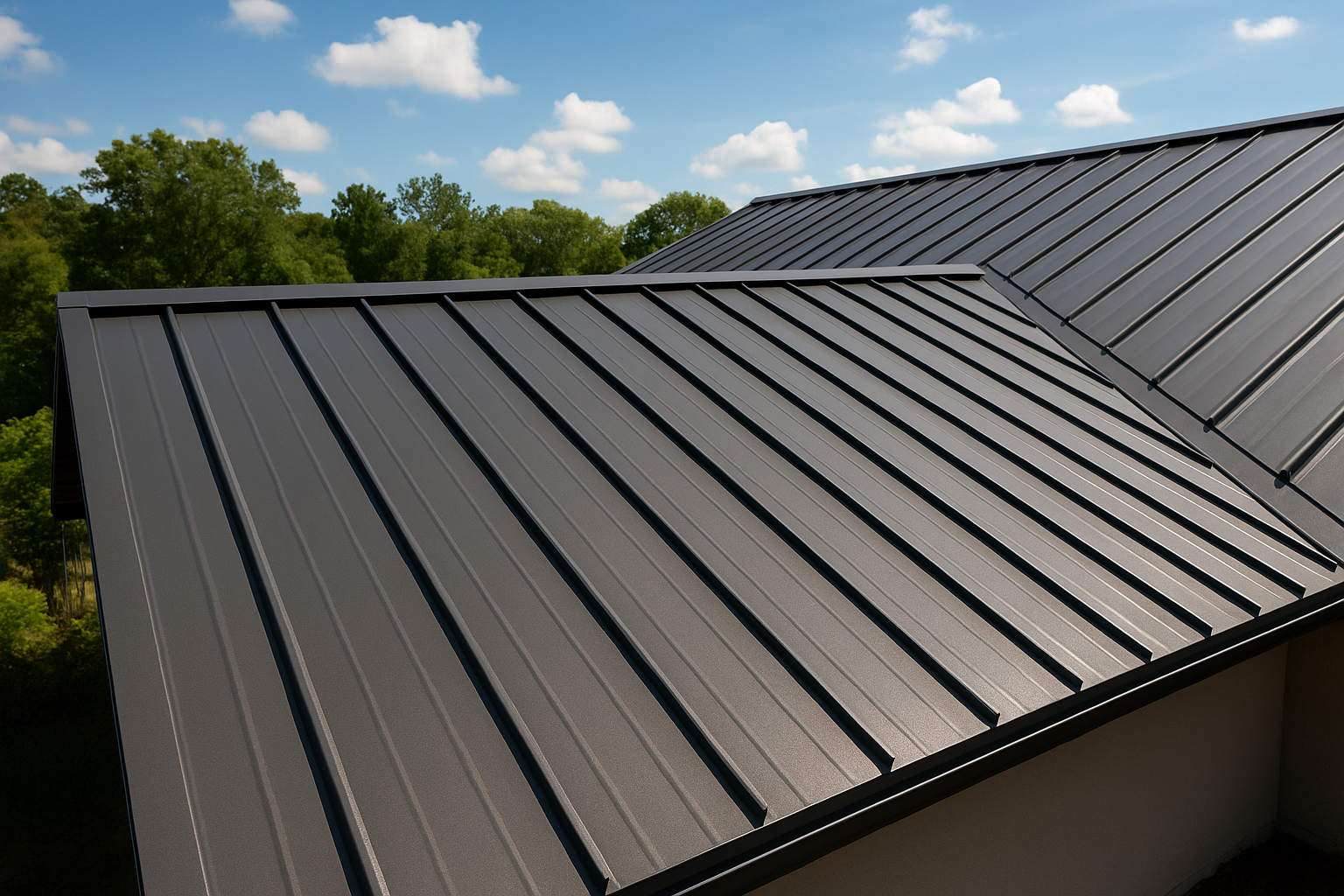
Metal Roofing
Metal roofs perform well during monsoon conditions but can experience:
- Impact dents
- Fastener issues
- Panel damage
- Flashing failures
Targeted repairs frequently solve isolated problems, while widespread damage may justify replacement.
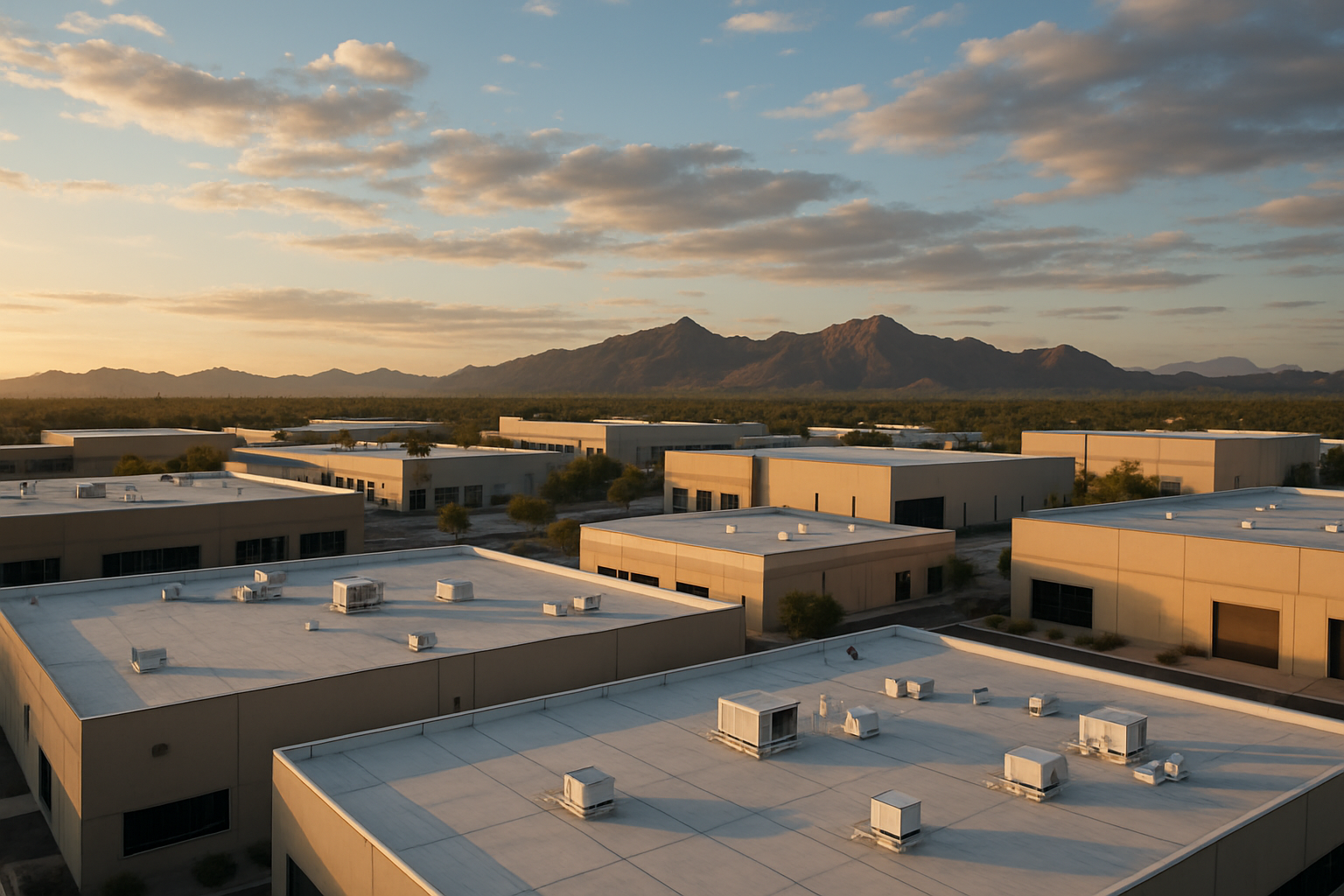
Flat Roofing Systems
Flat roofs commonly experience:
- Ponding water
- Membrane punctures
- Seam failures
- Drainage issues
The extent of moisture intrusion often determines whether repair or replacement is the better option.
Questions to Ask Before Choosing Repair or Replacement
Before making a decision, consider:
- How old is the roof?
- How extensive is the damage?
- Are leaks localized or widespread?
- Have previous repairs been performed?
- Is the roof nearing the end of its expected lifespan?
- Will repairs adequately address future storm risks?
- What does a professional inspection reveal?
The answers to these questions provide valuable insight into which option delivers the greatest long-term value.
Why Professional Assessments Are Essential
Determining whether a roof should be repaired or replaced is rarely straightforward. Visible damage tells only part of the story.
A professional roofing inspection includes:
- Exterior roof evaluation
- Attic inspection
- Moisture detection
- Flashing assessment
- Structural review
- Ventilation analysis
- Documentation of storm-related damage
Professional evaluations help eliminate guesswork and ensure homeowners make informed decisions based on the actual condition of the roofing system.
Protect Your Home After the Next Monsoon Storm
When monsoon weather strikes, acting quickly can help prevent minor issues from becoming major expenses. Whether your roof needs a simple repair or a complete replacement, the key is identifying the true extent of the damage before problems worsen.
Reimagine Roofing & Construction specializes in comprehensive post-storm roof inspections, honest recommendations, expert repairs, and high-quality roof replacements for homeowners throughout the Southwest. Our experienced team will thoroughly assess your roof, explain your options, and help you choose the solution that best protects your home and investment.
Schedule Your Roof Inspection Today
If your home has recently experienced a monsoon storm, don’t wait for hidden damage to turn into costly repairs. Contact Reimagine Roofing & Construction today to book a professional roof inspection and receive a same-day online quote. We’ll help you determine whether repair or replacement is the right choice and restore confidence in your roof’s ability to protect your home for years to come.
Popular Posts