How UV Exposure Accelerates Roof Aging in Arizona

How UV Exposure Accelerates Roof Aging in Arizona
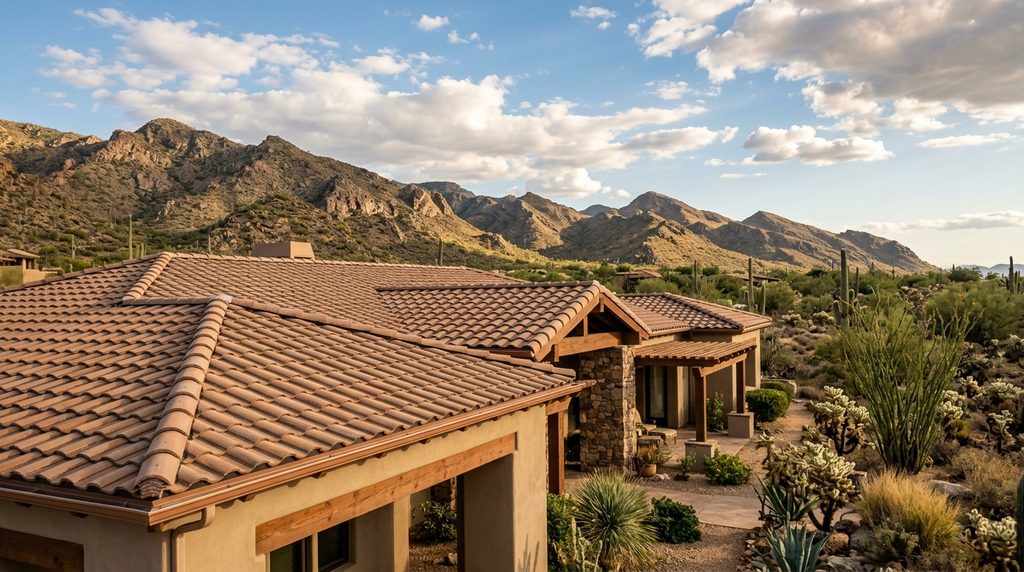
Homeowners across the Southwest in Arizona, face roofing challenges that many other regions never experience. Intense sunshine, prolonged heat, dry conditions, and year-round ultraviolet (UV) radiation can take a significant toll on residential roofing systems. While storms and wind often receive the most attention, constant UV exposure is one of the leading causes of premature roof aging.
For homeowners looking to maximize the lifespan of their roof, understanding how UV rays affect roofing materials is essential. Whether you own a home in Arizona, New Mexico, Nevada, or other sun-drenched areas, knowing the warning signs of UV damage can help you avoid costly repairs and extend the life of your roof.
Understanding UV Radiation
Ultraviolet radiation is energy emitted by the sun that reaches the Earth’s surface every day. While UV rays are invisible, their impact on roofing materials is very visible over time.
Roofs in the Southwest endure:
- More sunny days per year than most U.S. regions
- Higher average temperatures
- Extended periods of direct sunlight
- Increased solar radiation exposure
- Minimal cloud cover during much of the year
Because a roof absorbs sunlight daily, it becomes one of the most vulnerable parts of a home to UV-related deterioration.
Why Southwest Roofs Age Faster
The combination of UV exposure and extreme temperatures creates a perfect environment for accelerated roof aging.
Several factors contribute to faster wear:
Constant Sun Exposure
Unlike regions with frequent cloud cover, Southwest homes experience direct sunlight for much of the year. Roofing materials receive continuous UV bombardment that gradually breaks down protective surfaces.
Extreme Heat
Surface temperatures on a roof can far exceed outdoor air temperatures. During summer months, roofing materials may reach well over 150°F.
This prolonged heat accelerates material degradation and weakens roofing components over time.
Daily Thermal Cycling
Roofs expand during the heat of the day and contract after sunset. This daily expansion and contraction can stress roofing materials, fasteners, and sealants.
How UV Rays Damage Asphalt Shingles
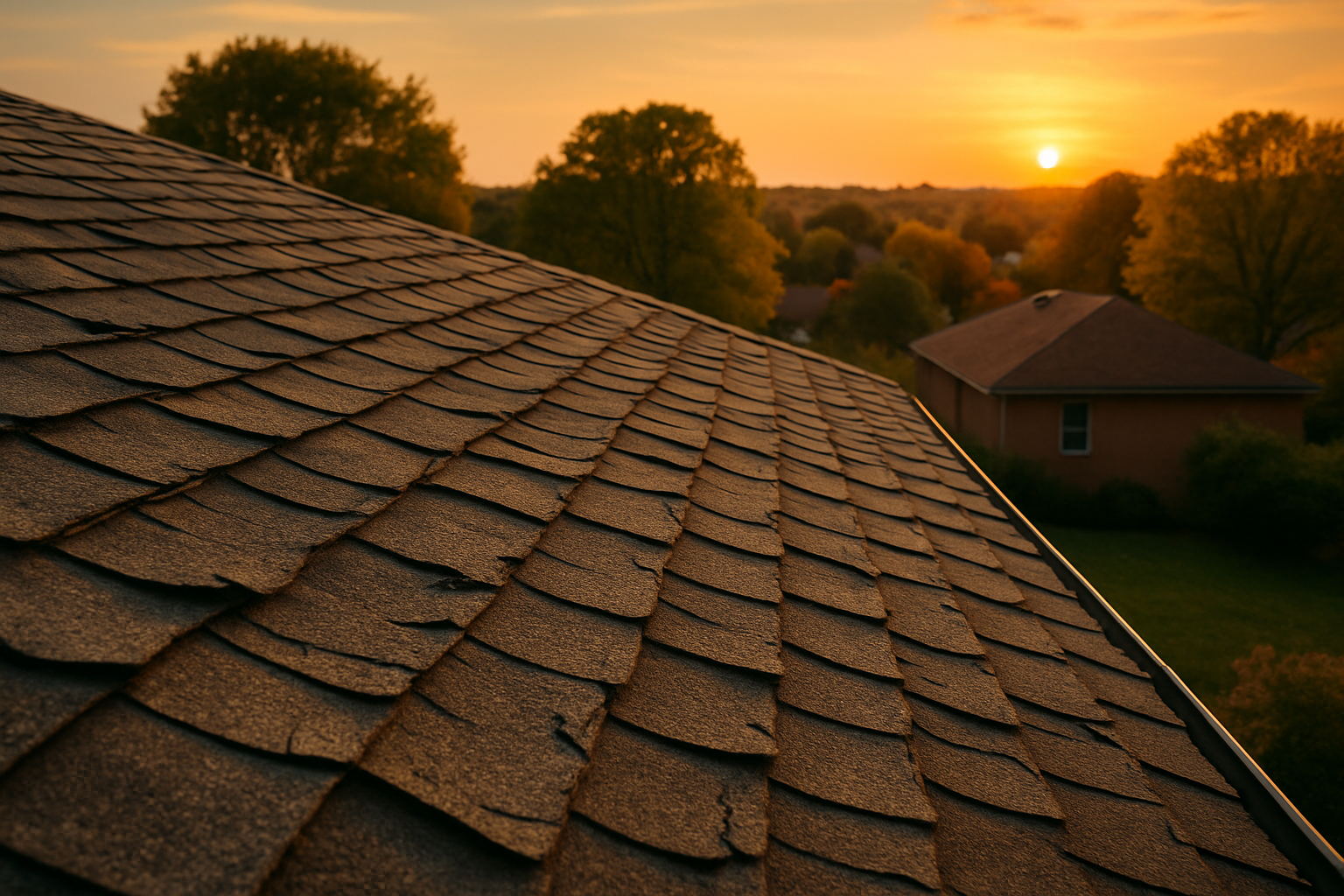
Asphalt shingles remain one of the most common residential roofing materials, but UV radiation can significantly shorten their lifespan.
Loss of Protective Oils
UV exposure slowly dries out the oils within asphalt shingles.
As these oils dissipate:
- Shingles become brittle
- Flexibility decreases
- Cracking becomes more likely
- Overall durability declines
Granule Loss
The granules on asphalt shingles serve as a protective shield against sunlight.
Over time, UV rays weaken the bond that holds granules in place.
Common signs include:
- Granules accumulating in gutters
- Bald spots appearing on shingles
- Uneven roof coloration
- Reduced UV protection
Once granules are lost, shingles become even more vulnerable to sunlight and heat damage.
Curling and Cracking
UV-degraded shingles often begin to:
- Curl at the edges
- Warp
- Split
- Crack
These conditions increase the risk of water intrusion and roof leaks.
The Impact on Roof Sealants and Flashing
Roofing materials are not the only components affected by UV radiation.
Critical roofing elements such as:
- Flashing
- Sealants
- Pipe boots
- Vent penetrations
can deteriorate when exposed to prolonged sunlight.
UV exposure can cause sealants to:
- Dry out
- Shrink
- Crack
- Separate from surfaces
Once seals begin to fail, water can penetrate vulnerable areas and create hidden damage beneath the roofing system.
How UV Exposure Affects Flat Roofs
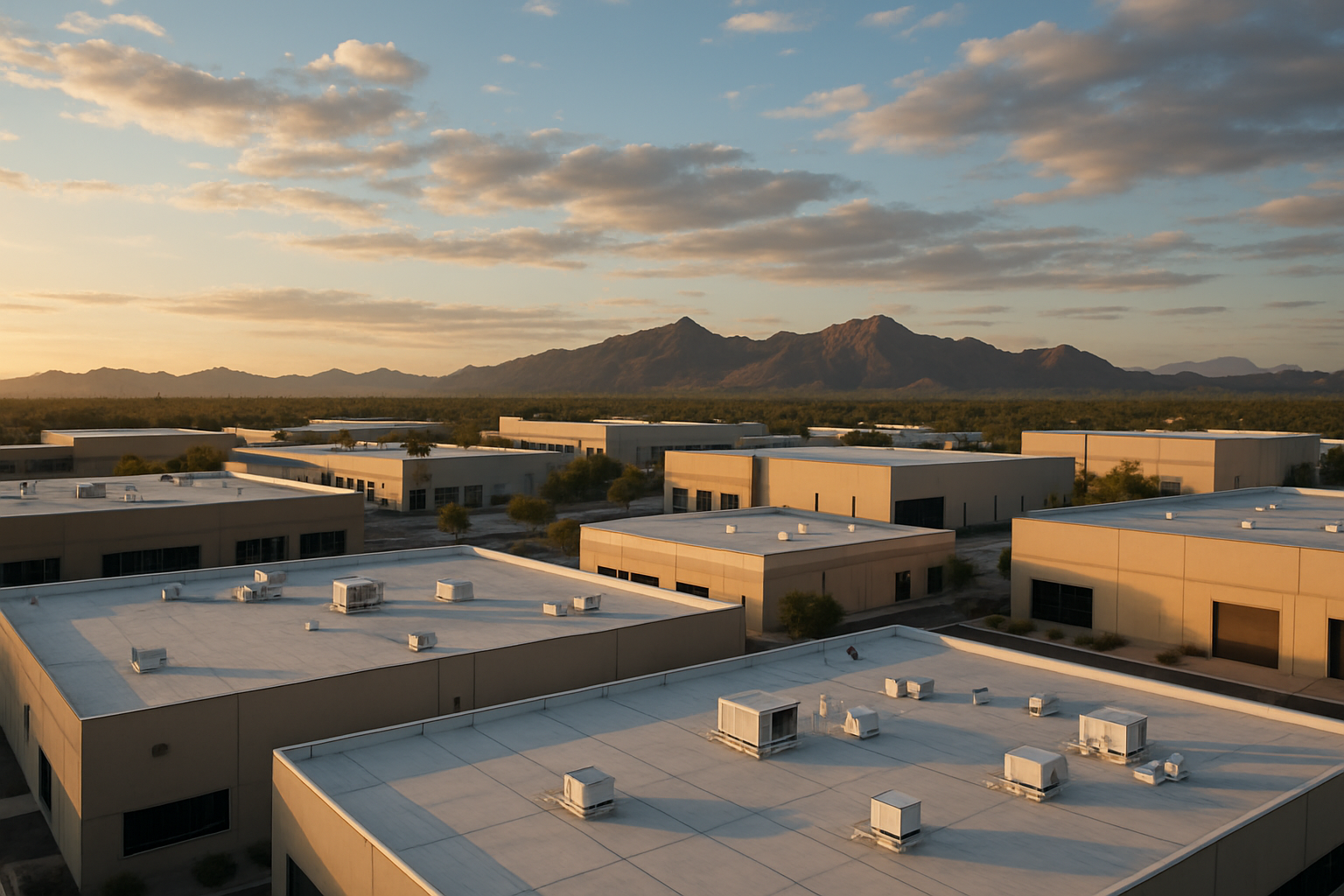
Many Southwest homes and commercial buildings feature low-slope or flat roofing systems.
UV radiation can have a particularly severe impact on these roofs because they receive direct sun exposure throughout the day.
Potential issues include:
- Membrane deterioration
- Surface cracking
- Blistering
- Separation at seams
- Reduced waterproofing performance
Regular inspections are essential for identifying early signs of damage before leaks develop.
Heat and UV: A Powerful Combination
UV radiation and heat work together to accelerate aging.
High temperatures can:
- Increase oxidation
- Speed chemical breakdown
- Accelerate material fatigue
- Shorten roof lifespan
This combination often causes roofing materials to age faster than manufacturer lifespan estimates if proper maintenance is neglected.
Signs Your Roof May Be Experiencing UV Damage
Homeowners should watch for visible warning signs that indicate excessive sun-related wear.
Fading or Discoloration
Prolonged UV exposure often causes roofing materials to lose their original color.
Curling Shingles
Edges that begin lifting or curling may signal advanced UV degradation.
Cracked Roofing Materials
Visible cracking indicates material brittleness and aging.
Granules in Gutters
Large amounts of granules collecting in gutters may indicate significant shingle wear.
Increased Energy Bills
A deteriorating roof may lose some of its insulating and reflective capabilities, causing cooling costs to rise.
Can UV Damage Lead to Roof Leaks?
Absolutely.
While UV rays themselves do not create holes in a roof, they weaken the materials that protect your home.
As roofing materials crack, shrink, and deteriorate, vulnerabilities develop that allow moisture to enter.
Over time, this can result in:
- Roof leaks
- Attic moisture problems
- Mold growth
- Wood rot
- Interior ceiling damage
What begins as minor UV wear can eventually become a costly repair project.
Roofing Materials That Perform Better in High-UV Environments
Certain roofing systems are specifically designed to handle intense sunlight.
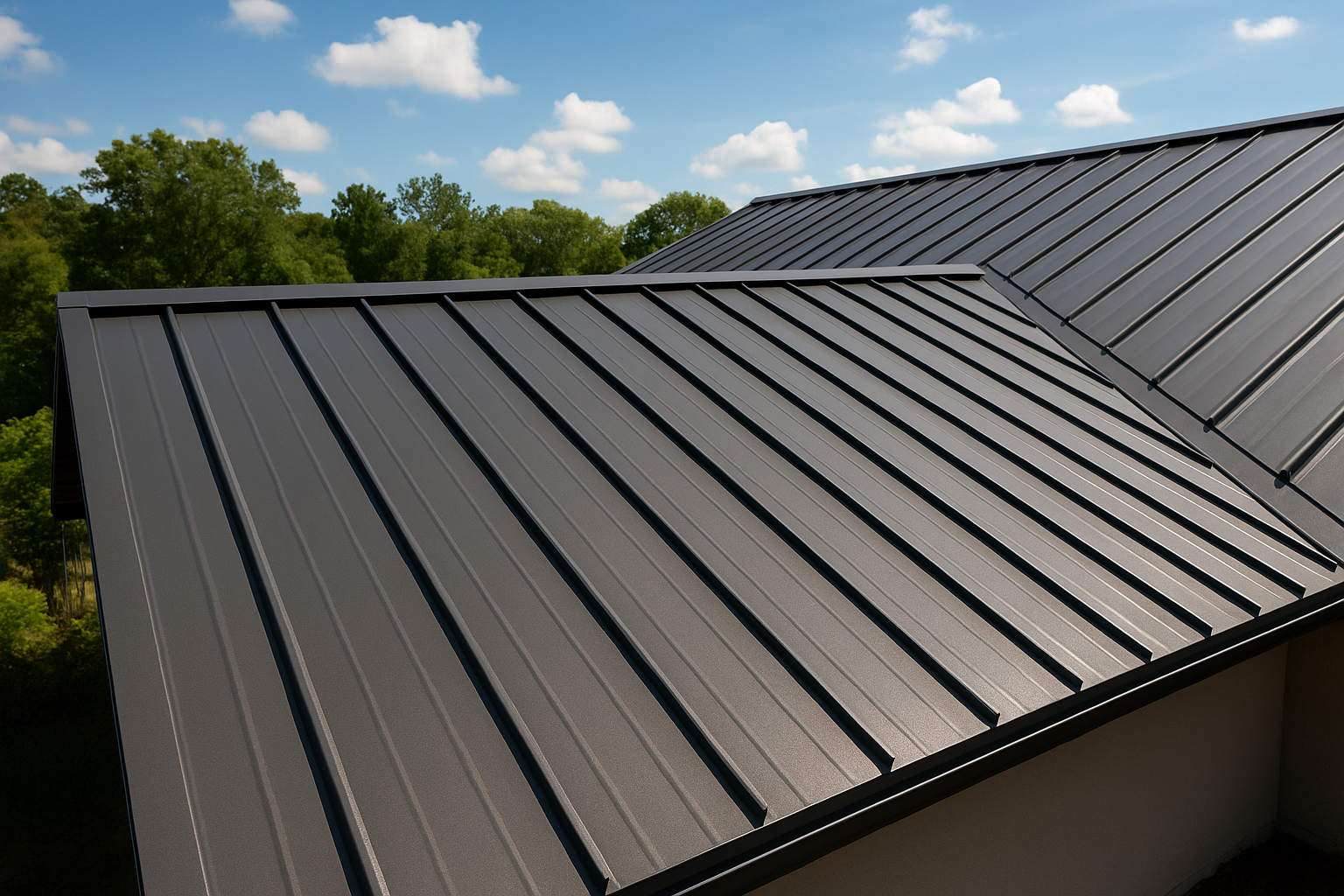
Metal Roofing
Metal roofs offer:
- Excellent UV resistance
- Reflective coatings
- Long lifespan
- Improved energy efficiency
Tile Roofing
Clay and concrete tiles have long been popular throughout the Southwest because of their ability to withstand high temperatures and sun exposure.
Cool Roofing Systems
Cool roofs are engineered to reflect more solar radiation and absorb less heat.
Benefits include:
- Lower roof temperatures
- Improved indoor comfort
- Reduced cooling expenses
- Extended roof lifespan
How Regular Roof Inspections Help
UV damage occurs gradually, making professional inspections extremely valuable.
Routine inspections can identify:
- Early granule loss
- Surface deterioration
- Flashing problems
- Cracked sealants
- Ventilation concerns
Finding issues early often prevents more expensive repairs later.
Tips to Reduce UV-Related Roof Aging
Homeowners can extend roof life by taking proactive steps.
Schedule Annual Roof Inspections
Professional evaluations help detect developing problems before they worsen.
Keep Gutters Clean
Removing debris helps prevent moisture issues that compound roofing damage.
Address Small Repairs Quickly
Minor cracking or flashing concerns can escalate rapidly under constant sun exposure.
Improve Attic Ventilation
Proper airflow helps reduce heat buildup that contributes to roofing deterioration.
Consider Reflective Roofing Materials
Reflective roofing options may improve both roof longevity and energy efficiency.
Why Professional Roof Evaluations Matter
The effects of UV exposure are not always obvious from the ground. A roof can appear functional while hidden deterioration develops beneath the surface.
Professional roofing contractors can assess:
- Overall roof condition
- UV-related wear
- Ventilation effectiveness
- Remaining roof lifespan
- Repair versus replacement options
These evaluations help homeowners make informed decisions that protect their investment.
Trust Reimagine Roofing for Expert Roof Inspections
At Reimagine Roofing, we understand how harsh climate conditions can impact roofing systems over time. Whether your roof is showing signs of aging or you simply want peace of mind, our experienced team provides thorough inspections and honest recommendations tailored to your home’s needs.
We help homeowners identify roofing concerns early and develop solutions that maximize protection, efficiency, and long-term value.
Schedule Your Roof Inspection Today
Concerned about sun-related roof damage?
Expert roofing recommendations
Same-day online quote available
Trusted roofing professionals
Book your roof inspection today and get your same-day online quote from Reimagine Roofing.
Popular Posts