Can a Small Roof Leak Become a Major Structural Problem?

Can a Small Roof Leak Become a Major Structural Problem?
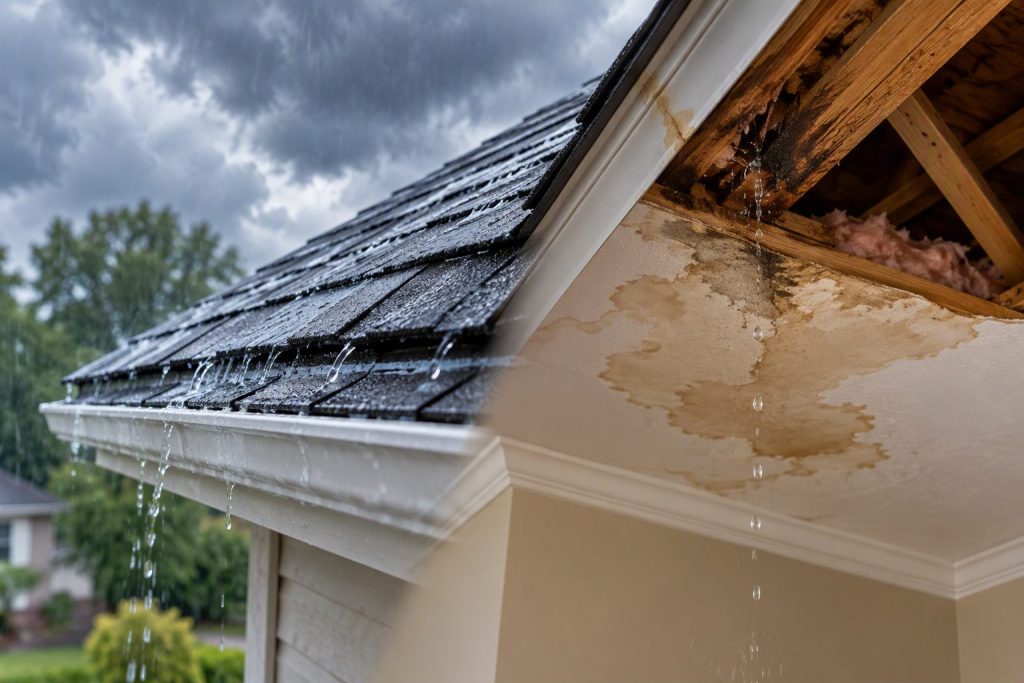
A tiny roof leak might seem harmless at first. Maybe it’s a small water stain on the ceiling, a slight drip during heavy rain, or a damp spot in the attic that appears occasionally. Many homeowners assume a minor leak can wait until a more convenient time to repair. Unfortunately, even the smallest roof leak can quickly develop into a major structural problem if left untreated.
At Reimagine Roofing & Construction, we’ve seen firsthand how seemingly insignificant roof issues can lead to costly repairs involving roof decking, insulation, walls, ceilings, framing, and even a home’s foundation. Understanding the risks associated with roof leaks can help homeowners act quickly, protect their investment, and avoid expensive structural damage.
Why Small Roof Leaks Are Often Misleading
One of the most dangerous aspects of a roof leak is that the visible evidence rarely tells the whole story. Water can travel along rafters, decking, insulation, and wall cavities before becoming visible inside the home.
By the time you notice a stain on your ceiling, water may have already been penetrating your roofing system for weeks or months.
A leak may begin because of:
- Missing or damaged shingles
- Cracked flashing
- Improper roof installation
- Ice dam damage
- Wind-driven rain
- Deteriorated pipe boots
- Aging roofing materials
- Storm-related roof damage
Regardless of the source, water intrusion should never be ignored.
How Water Travels Through Your Home
Water is remarkably persistent. Once it enters through a damaged roofing system, it follows the path of least resistance.
A roof leak often progresses through several layers:
- Roofing materials
- Underlayment
- Roof decking
- Attic insulation
- Structural framing
- Interior ceilings and walls
Because water can spread far from the original entry point, homeowners frequently underestimate the extent of damage.
What appears to be a small leak in one area could be affecting multiple sections of your home’s structure behind the scenes.
Damage to Roof Decking
Your roof decking serves as the foundation of your roofing system. It supports shingles and helps distribute loads across the roof structure.
When water reaches the decking:
- Wood begins absorbing moisture
- Plywood layers can separate
- Rot develops over time
- Fasteners lose holding strength
- Roof sections become weaker
Once rot sets in, affected decking often requires complete replacement rather than simple repair.
The longer moisture remains trapped beneath roofing materials, the greater the risk of widespread deterioration.
Structural Wood Rot
One of the biggest concerns associated with an untreated leak is wood rot.
Roof framing components such as:
- Rafters
- Trusses
- Joists
- Fascia boards
can absorb moisture over time.
Rot weakens these structural elements and reduces their load-bearing capacity. If left unchecked, extensive rot can compromise the stability of significant portions of your roofing system.
Repairing structural framing is considerably more expensive than fixing a minor leak early.
Mold and Mildew Growth
A small roof leak creates the perfect environment for mold growth.
Mold thrives when three conditions exist:
- Moisture
- Organic material
- Limited airflow
Attics often provide all three.
Moisture trapped in insulation, wood framing, or drywall can allow mold colonies to spread quickly. Besides damaging building materials, mold may negatively impact indoor air quality and create unpleasant odors throughout the home.
Professional remediation can add substantial costs to what originally started as a simple roofing repair.
Insulation Damage and Energy Loss
Many homeowners don’t realize that roof leaks frequently damage attic insulation.
Wet insulation:
- Loses effectiveness
- Compresses over time
- Traps moisture
- Increases heating and cooling costs
Even after the leak is repaired, damaged insulation may need replacement to restore proper energy efficiency.
This hidden damage can continue affecting monthly utility bills long after the original roof problem began.
Ceiling and Interior Damage
One of the first visible signs of a roof leak is often interior ceiling damage.
Common symptoms include:
- Water stains
- Bubbling paint
- Sagging drywall
- Peeling textures
- Cracked ceiling joints
As water continues to infiltrate the home, drywall weakens and may eventually collapse.
Repairing ceilings often involves:
- Leak detection
- Drywall replacement
- Painting
- Insulation repairs
- Structural inspections
These expenses add up quickly when leaks go untreated.
Wall Damage and Hidden Moisture
Water doesn’t always stop at the ceiling.
Leaks frequently travel into wall cavities, causing:
- Drywall deterioration
- Wood stud damage
- Trim warping
- Paint failure
- Hidden mold growth
Because wall cavities conceal moisture, damage can advance undetected for long periods.
Many homeowners are surprised to discover extensive repairs are needed in areas far from the visible leak.
Electrical Hazards
Roof leaks can create serious electrical concerns.
Water may come into contact with:
- Wiring
- Light fixtures
- Junction boxes
- Electrical panels
Moisture around electrical components increases the risk of:
- Short circuits
- Equipment damage
- Power interruptions
- Fire hazards
If you suspect water is affecting electrical systems, immediate professional inspection is recommended.
Foundation and Long-Term Structural Concerns
Many people don’t associate roof leaks with foundation issues, but the connection is real.
Persistent water intrusion can:
- Saturate wall assemblies
- Affect structural framing
- Contribute to moisture accumulation around the home’s perimeter
Over many years, unmanaged water problems can contribute to larger structural concerns throughout the property.
The earlier a leak is addressed, the lower the risk of widespread damage.
Warning Signs You Should Never Ignore
Homeowners should schedule a roof inspection if they notice:
Interior Signs
- Ceiling stains
- Peeling paint
- Musty odors
- Damp insulation
- Visible mold
- Sagging ceilings
Exterior Signs
- Missing shingles
- Curled shingles
- Damaged flashing
- Granule loss
- Soft roof areas
- Storm damage
Even minor symptoms warrant professional evaluation.
Why Delaying Roof Leak Repairs Costs More
Many homeowners postpone repairs because the leak seems minor.
However, roofing issues rarely improve on their own.
A repair that might cost a few hundred dollars today can eventually lead to:
- Deck replacement
- Structural framing repairs
- Mold remediation
- Insulation replacement
- Ceiling reconstruction
- Interior painting
The financial difference between early intervention and major reconstruction can be significant.
Seasonal Weather Makes Leaks Worse
Weather conditions can accelerate roof leak damage.
Heavy rainfall, high winds, temperature fluctuations, and seasonal storms can enlarge small openings in roofing materials.
Water intrusion often increases during severe weather events, turning a manageable repair into an emergency situation.
Routine inspections become especially important following storms, hail, or high-wind events.
The Importance of Professional Roof Inspections
A professional roof inspection can identify hidden issues before they become major structural problems.
Roofing professionals evaluate:
- Shingles
- Flashing
- Vent penetrations
- Roof decking
- Drainage systems
- Attic conditions
- Signs of moisture intrusion
Catching damage early allows homeowners to make targeted repairs before structural integrity is affected.
How Reimagine Roofing & Construction Can Help
At Reimagine Roofing & Construction, we understand that what appears to be a small leak can threaten the entire roofing system if ignored. Our experienced team provides comprehensive roof inspections, leak detection, repairs, and replacement solutions designed to protect your home from costly structural damage.
Whether you’ve noticed a water stain, suspect storm damage, or simply want peace of mind, our roofing experts can identify the source of the problem and recommend the most cost-effective solution.
Don’t Wait Until a Small Leak Becomes a Major Expense
A small roof leak absolutely can become a major structural problem. What starts as a tiny opening in your roofing system can lead to rot, mold, insulation damage, ceiling failures, and extensive structural repairs if left unchecked.
The good news is that early action can prevent costly damage and protect the long-term value of your home.
Schedule Your Roof Inspection Today
If you suspect a roof leak or haven’t had your roof professionally inspected recently, contact Reimagine Roofing & Construction today. Our team will perform a thorough inspection, identify potential issues, and provide a same-day quote whenever possible.
Call us today or contact us online to schedule your roof inspection and receive your same-day quote before a small leak turns into a major structural repair.
Popular Posts