2026 Roofing Upgrade: Best Improvements That Actually Pay Off
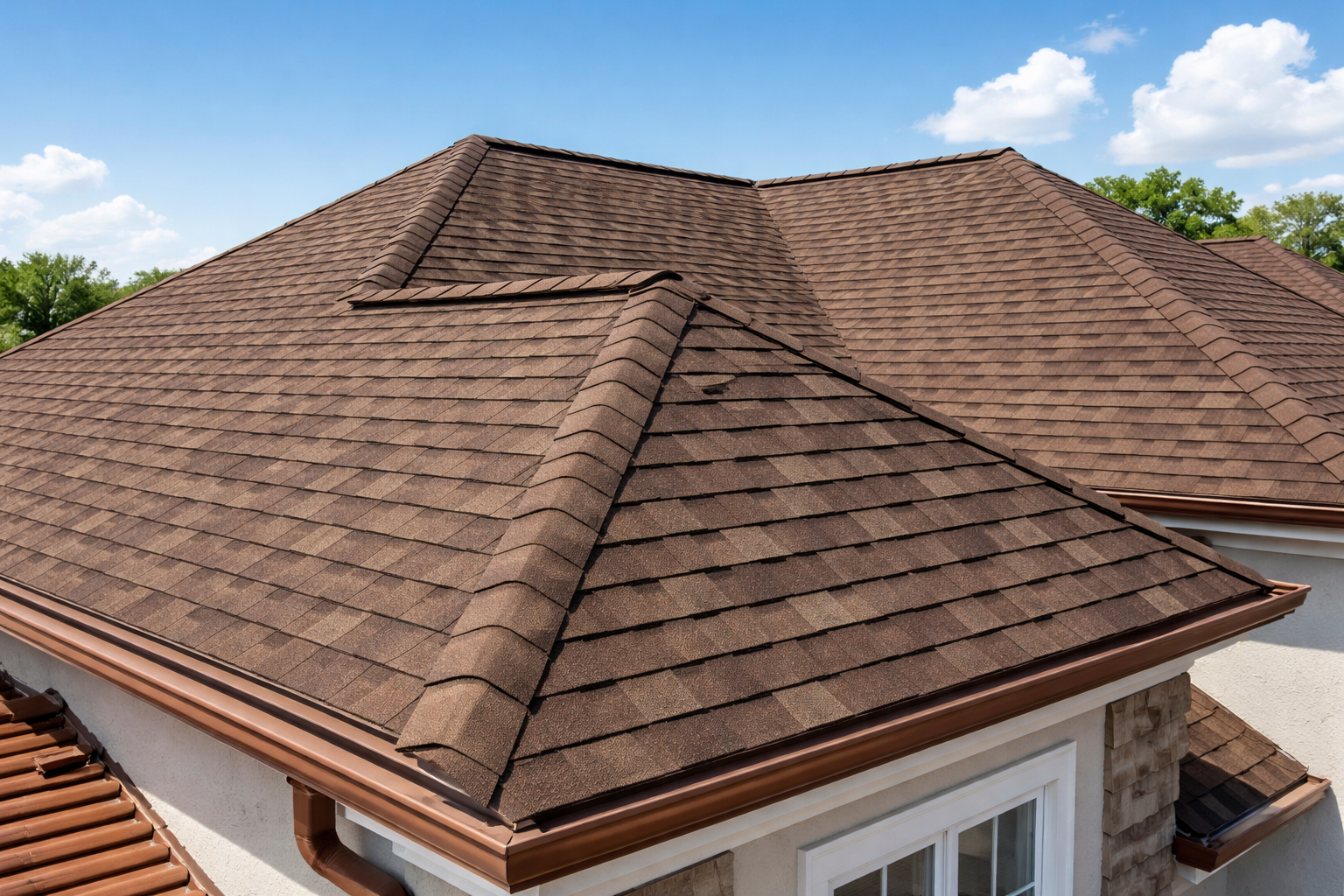
2026 Roofing Upgrade: Best Improvements That Actually Pay Off
The 2026 Roofing Upgrade Guide: Best Improvements That Actually Pay Off
Ventilation, Insulation, Cool Roofing, Gutters & Underlayment (Plus ROI + Resale Impact)
If you’re thinking about upgrading your home in 2026, your roof might not be the first thing on your list—but it should be. A roof isn’t just shingles and nails. It’s a system that protects your entire property, affects your energy bills, and plays a major role in resale value. The roof plays a crucial role in your home’s curb appeal, structural integrity, and overall value, making it a key factor during appraisals and sales.
The best part? Not all roofing upgrades are created equal. Some improvements genuinely pay off through:
- Lower heating and cooling costs
- Longer roof lifespan
- Fewer repairs and leak risks
- Better home comfort
- Higher resale value
- Stronger buyer confidence during a sale
Modern roofing materials offer enhanced energy efficiency, long-term savings, and can be a compelling roof offer for homeowners by qualifying for incentives and increasing home appeal.
Before you start, assessing the existing roof is a key first step to determine the right upgrades and ensure the best results.
This guide breaks down the 2026 roofing upgrades that actually deliver real ROI, with a focus on:
✅ Ventilation
✅ Insulation (and attic sealing)
✅ Cool roofing materials
✅ Gutters and water management
✅ Underlayment upgrades
You’ll also find estimated ROI ranges and resale impact notes so you can prioritize the upgrades that make the most sense for your home and budget.
And if you want expert guidance tailored to your roof and climate: Reimagine Roofing offers a free roof inspection, plus you can get an estimate in under 24 hours—so you can decide quickly and confidently.
Why Roofing Upgrades Matter More in 2026
Homeowners are entering 2026 with a few realities in mind:
- Utility costs remain high in many markets
- Weather extremes are becoming more common (heat waves, hail, hurricanes, freeze-thaw cycles)
- Buyers are more inspection-focused than ever
- Insurance companies are stricter about roof condition
- Energy efficiency is no longer a luxury—it’s a selling point
Extreme weather and local climate conditions are driving demand for impact resistant materials and energy efficient options in roofing.
That means that even if your roof isn’t failing, upgrading your roof system can be one of the smartest home investments you make this year.
But not all improvements provide equal returns.
So before you spend money replacing something that isn’t broken, let’s cover what actually moves the needle.
The 2026 Roofing Upgrade Checklist (Quick Overview)
Here are the biggest upgrades in order of impact and value for most homeowners:
- Ventilation improvements (high impact, low-to-moderate cost)
- Insulation + attic air sealing (very high energy ROI)
- Underlayment upgrades (protects the roof system long-term)
- Cool roofing materials (high ROI in hot climates, strong resale appeal)
- Gutters and drainage upgrades (prevents expensive structural damage)
When planning your 2026 roofing upgrade, consider different roof types and whether a roof replacement is needed, as these choices can maximize ROI and significantly boost your home’s value and curb appeal.
Now let’s break these down one-by-one with ROI estimates and resale impact.
1) Roof Ventilation Upgrades: The Most Underrated ROI Booster
If you want the roofing upgrade that can quietly save you money for years—start with ventilation.
A balanced attic ventilation system requires both intake and exhaust; if your home lacks soffit vents (intake), roof vents are a key solution to ensure proper airflow and ventilation balance.
Roof ventilation helps regulate attic temperatures and moisture levels. Without proper ventilation, your attic becomes a heat trap in summer and a moisture trap in winter. Proper attic ventilation systems bring in fresh air and expel hot, humid air, resulting in drier air and improved comfort for your home. That harms your roof, your HVAC performance, and even indoor air quality.
Ventilation upgrades also protect the roof deck from moisture damage.
Why Ventilation Matters in 2026
Poor ventilation contributes to:
- Overheated shingles (shorter roof lifespan)
- Higher cooling costs (hot air radiates into living spaces)
- Ice dam risks in cold climates (caused by uneven roof temperatures)
- Mold and mildew buildup (moisture trapped in attic)
- Warped decking and structural damage
Proper attic ventilation helps remove humid air and supports your home’s cooling system, especially during hot months, improving airflow and overall comfort.
Signs Your Home Needs Better Ventilation
You might need ventilation upgrades if:
- Your upstairs rooms are hot even with AC
- Your attic feels unusually hot or humid
- You’ve seen mold or musty smells
- You have condensation on nails or attic wood
- Your shingles are aging faster than expected
- Your roof is under 15 years old but showing wear signs
Ventilation Upgrades That Actually Pay Off
Ridge vents + soffit vents (balanced system)
This is the gold standard for airflow. The goal is to create a continuous path where cool air enters low and exits high.
Turbine vents / static vents
Useful when ridge vents aren’t possible, but they should be properly spaced and balanced.
Gable vents (supplemental)
Not always enough alone, but can help in some roof designs.
Attic fans (in some climates)
Can help reduce attic temps, but must be installed carefully to avoid drawing conditioned air from inside the house.
ROI Range (Ventilation)
- Estimated ROI: 60%–110% (through energy savings + longer roof life)
- Resale impact: Moderate to High (buyers like “well-maintained roof system” and comfort improvements)
Big takeaway: Ventilation upgrades are one of the best “invisible” improvements you can make—because they protect everything else.
2) Insulation + Attic Air Sealing: The Comfort Upgrade That Pays Monthly
If ventilation is the roof’s “breathing,” insulation is the roof’s “thermostat.”
A lot of homeowners focus on new shingles but ignore insulation. But if your attic insulation is thin, uneven, or compressed, you may be losing a surprising amount of energy through your roof.
Proper insulation and improved insulation are essential for maximizing energy efficient features in your home, helping to reduce heating and cooling costs while increasing comfort and long-term savings.
Why This Matters in 2026
With ongoing energy costs, homeowners want improvements that reduce monthly bills, not just improve aesthetics.
Better insulation and sealing:
- Keeps conditioned air inside (less HVAC strain)
- Improves comfort in upper rooms
- Reduces moisture issues
- Supports proper roof temperature regulation
- Can make cool roofing even more effective
Additionally, modern roofing materials with advanced insulation can further enhance energy efficiency and comfort by reducing heating and cooling costs and improving overall home energy performance.
Common Insulation Problems
Even homes that “have insulation” may still have issues like:
- Low insulation depth (below recommended R-value)
- Compressed or uneven batts
- Gaps around attic penetrations (lights, vents, fans, wiring)
- Air leaks from attic hatch or access points
- Old insulation that’s settled over time
- Insulation damaged by moisture or pests
2026 Insulation Upgrades That Deliver Value
Attic air sealing + insulation upgrade combo
This combo delivers better results than insulation alone because stopping air leaks is key.
Blown-in fiberglass or cellulose
Great for filling gaps and achieving consistent coverage.
Spray foam (strategic use)
Excellent for air sealing but should be used carefully to avoid ventilation problems.
ROI Range (Insulation + Sealing)
- Estimated ROI: 70%–130% (highly dependent on climate and energy rates)
- Resale impact: Moderate (buyers love lower utility bills, and inspections note insulation quality)
Big takeaway: This upgrade pays you back every single month and makes your home feel better immediately.
3) Underlayment Upgrades: The “Hidden Layer” That Prevents Disaster
Underlayment doesn’t get the spotlight—but it might be the most important part of your roof system.
It’s the protective barrier installed under shingles (or other roofing material). If shingles get damaged, underlayment is your backup protection against water intrusion. Choosing quality materials for your underlayment is a smart initial investment that pays off in long-term protection and durability.
Why Underlayment Upgrades Matter in 2026
Modern underlayments are dramatically better than older felt paper. Upgrading underlayment can:
- Improve water resistance
- Reduce leak risk from wind-driven rain
- Protect against ice dam backups (with ice & water shield)
- Increase roof durability in storms
- Improve long-term system performance
Underlayment Options That Pay Off
Synthetic underlaymentLightweight, durable, tear-resistant, and more water resistant than felt.
Ice & water shield (especially in valleys, eaves, penetrations) A self-adhering membrane that seals around nails and creates a waterproof barrier. Essential in cold climates and valuable in storm-prone areas.
High-temp underlayment (ideal for metal roofs) Designed for high heat and long-term performance. This is especially important for metal panels, which require durable, heat-resistant underlayment to ensure optimal performance and longevity.
When Underlayment Upgrades Are Worth It
Underlayment upgrades are especially valuable if you live in areas with:
- Hurricanes / tropical storms (Florida)
- Monsoon storms (Arizona, New Mexico)
- Heavy snow and ice (Utah, New Jersey)
- High winds and driving rain anywhere
ROI Range (Underlayment)
- Estimated ROI: 50%–100% (primarily through risk reduction and roof longevity)
- Resale impact: Moderate (excellent for inspection confidence and insurance compliance)
Big takeaway: Underlayment upgrades are like buying extra years of protection, even if the shingles look perfect.
4) Cool Roofing and Energy Efficiency: The 2026 Upgrade That Can Lower Heat and Raise Home Value
Cool roofing has become one of the biggest roofing trends because it directly addresses comfort and energy costs.
In 2026, cool roofing materials with high solar reflectance are considered among the most energy efficient options available, helping homeowners lower energy consumption and utility bills.
Cool roofs reflect more sunlight and absorb less heat. That helps your attic stay cooler and can reduce air conditioning demand.
What Counts as Cool Roofing?
Cool roofing can include:
- Reflective shingles (cool asphalt shingles)
- Metal roofing (naturally reflective)
- Reflective coatings on flat roofs
- Tile roofing in lighter colors
- Specialized membranes for low-slope roofs
Who Benefits Most From Cool Roofing?
Cool roofing provides the highest ROI in:
- Hot, sunny climates
- Homes with large attic spaces
- Homes with older insulation or ventilation systems
- Homes with high cooling demand
This is especially relevant for Arizona, New Mexico, Florida, and Utah summers.
Cool Roofing ROI (Typical Range)
- Estimated ROI: 60%–120% (often higher in very hot climates)
- Resale impact: Moderate to High (buyers increasingly care about efficiency and comfort)
Bonus Benefits Buyers Love
- Reduced indoor temperature swings
- Potential energy cost reduction
- Modern appearance
- Longer material lifespan (especially with metal)
- “Green home” appeal
Big takeaway: Cool roofing isn’t just a trend—it’s a comfort and efficiency upgrade that can make your home stand out in 2026.
5) Gutter and Water Management Upgrades: The Upgrade That Prevents Expensive Foundation Problems
Roofing isn’t just about what’s on top of your house—it’s about where the water goes.
A roof system that sheds water poorly can cause:
- fascia rot
- soffit damage
- basement leaks
- foundation cracks
- landscape erosion
- mold growth
- siding damage
Why Gutters Matter More Than Ever
Storm intensity is rising in many regions. That means a lot of homes are experiencing:
- clogged gutters and overflow
- water pooling around foundations
- ice buildup
- accelerated wear on fascia boards
Gutter Upgrades That Actually Pay Off in 2026
Seamless gutters
Less leaking and stronger performance.
Larger capacity gutters + downspouts
Helpful for heavy rainfall areas or steep rooflines.
Gutter guards
Great for homes with tree debris issues.
Downspout extensions and drainage routing
Often overlooked but crucial for foundation protection.
ROI Range (Gutters + Water Management)
- Estimated ROI: 50%–90% (mostly through prevention, fewer repairs)
- Resale impact: Moderate (buyers love “good drainage” because it suggests strong maintenance)
Big takeaway: Gutters aren’t glamorous, but they prevent the kind of damage that can cost thousands.
Roofing Upgrade ROI Summary Table (2026 Homeowner Guide)
Here’s a homeowner-friendly summary of typical ROI and resale impact:
Ventilation
- ROI: 60%–110%
- Resale: Moderate to High
- Best for: comfort, roof longevity, efficiency
Insulation + Attic Sealing
- ROI: 70%–130%
- Resale: Moderate
- Best for: energy savings, comfort, monthly payback
Underlayment Upgrades
- ROI: 50%–100%
- Resale: Moderate
- Best for: storm protection, leak prevention, longevity
Cool Roofing
- ROI: 60%–120%
- Resale: Moderate to High
- Best for: hot climates, energy savings, modern appeal
Gutters + Water Management
- ROI: 50%–90%
- Resale: Moderate
- Best for: preventing rot, foundation damage, water problems
How Roofing Upgrades Affect Resale Value in 2026
If you’re planning to sell within the next 1–5 years, roofing upgrades are especially important because buyers are cautious and inspection-driven.
A roof add or full roof replacement before selling can be a major selling point, significantly increasing ROI and attracting potential buyers by boosting curb appeal and reducing concerns about costly repairs or major repairs. A well-maintained or new roof signals to potential buyers that the home has been cared for and won’t require major repairs soon after purchase, which can help justify a higher asking price and help sell the house faster.
Replacing your roof before selling can also prevent buyers from demanding price cuts or backing out of a sale due to issues with the current roof. A pre listing roof inspection can help identify problems with the current roof, such as missing shingles or signs of an old roof, and guide decisions about whether a full roof replacement is needed. Additionally, a new roof can lead to lower insurance premiums, with discounts ranging from 5% to 35% for newer roofs.
When considering how much value a new roof can add, homeowners often see a strong return on investment, with increased home equity and improved saleability in a competitive market.
Roofing Upgrades Increase Resale Value by:
- Reducing buyer objections
- Improving “move-in ready” appeal
- Preventing repair credits
- Supporting better appraisal confidence
- Helping buyers secure insurance and financing
What Buyers Notice Most
- Roof age and condition
- Evidence of leaks or repairs
- Attic ventilation and moisture issues
- Gutter performance and drainage
- Efficiency upgrades (especially in warmer climates)
- Manufacturer and workmanship warranty (if transferable)
A new roof can dramatically improve your home’s exterior and enhance curb appeal, making your property more attractive and inviting to potential buyers. Many homeowners find that this fresh look not only increases visual appeal but can also justify a higher asking price.
The Big Resale Truth
Even if the roof upgrade doesn’t return 100% on paper, it can still be the difference between:
- getting your asking price
- dealing with inspection negotiations
- or losing a buyer entirely
The Smartest Way to Plan Roofing Upgrades in 2026
You don’t need to upgrade everything. The best strategy is to focus on upgrades that:
- Solve current problems
- Improve comfort and efficiency
- Reduce future repair risk
- Support long-term roof performance
When planning roofing projects, prioritize solutions that extend your roof’s lifespan and maintain the structural integrity of your home to maximize long-term value.
Start With This Priority Order:
- Fix ventilation issues
- Improve insulation and sealing
- Upgrade underlayment when replacing
- Choose cool roofing if in a hot climate
- Upgrade gutters if drainage is poor
Common Roofing Upgrade Mistakes to Avoid
Mistake #1: Upgrading asphalt shingles but ignoring ventilation
This can shorten the life of your new roof.
Mistake #2: Adding insulation without sealing air leaks
This reduces effectiveness and wastes money.
Mistake #3: Skipping underlayment upgrades to cut cost
Underlayment is your hidden safety net.
Mistake #4: Choosing the cheapest gutter option
Cheap systems fail first—and failure can lead to structural issues.
Mistake #5: Not getting an inspection before spending
You might be “upgrading” something that isn’t your real issue.
Ready to Upgrade Your Roof in 2026? Start With a Free Inspection
The best roofing upgrades are the ones tailored to your home, climate, and roof condition—not generic guesses.
That’s why Reimagine Roofing makes it easy to get clarity fast:
✅ Free roof inspection
✅ Ventilation, insulation, drainage, and roofing system evaluation
✅ Honest recommendations: upgrade vs repair vs replacement
✅ Get an estimate in under 24 hours
If you want to make smart upgrades that truly pay off in 2026, schedule your free inspection with Reimagine Roofing today—and get a clear plan (and pricing) without the stress.
The Best Roofing Upgrades Are the Ones That Protect Your Home and Your Wallet
Roofing upgrades can be one of the smartest home investments you make in 2026—if you choose the right ones.
Ventilation, insulation, cool roofing, gutters, and underlayment upgrades aren’t just “nice to have.” They’re improvements that can:
- lower energy costs
- prevent leaks and structural damage
- extend the lifespan of your roof
- improve resale value and buyer confidence
In 2026, premium options like slate roofs—valued for their craftsmanship, longevity, and appeal to luxury buyers—and sustainable choices such as green roofs are increasingly popular for their durability, aesthetic appeal, and environmental benefits.
And the fastest way to know which upgrades are worth it for your home?
Book a free roof inspection with Reimagine Roofing and get an estimate in under 24 hours.
Popular Posts