Albuquerque Roofing Tips for Fire & Wind Protection
Albuquerque Roofing Tips for Fire & Wind Protection
Albuquerque Roofing Tips for Extreme Weather | Fire & Wind Protection
Understanding the Impact of Albuquerque’s Weather on Roofs
Albuquerque’s unique climate presents specific challenges for homeowners, especially when it comes to roofing. The combination of high temperatures, low humidity, and gusty winds can cause significant wear and tear on roofing materials. In addition, the region’s wildfire risk adds another layer of complexity to roof maintenance and protection. To ensure your roof can withstand these conditions, it’s essential to understand how Albuquerque’s weather impacts roofing systems, particularly when it comes to fire and wind exposure.
The intense sun exposure can lead to thermal stress, causing materials to expand and contract daily. Over time, this can result in cracks and other damage. The gusty winds prevalent in the area can further exacerbate these issues, leading to potential blow-offs if roofing materials aren’t properly secured. Additionally, the low humidity and dry conditions increase the risk of wildfires, making it crucial to use fire-resistant materials and maintain a defensible space around your home.
Fire and Wind-Resistant Roofing Materials for Albuquerque Homes
Given Albuquerque’s high fire risk and frequent wind events, selecting the right roofing materials is paramount. Roofing materials are classified by their fire resistance, with Class A being the most resistant. For homeowners in wildfire-prone areas, using Class A-rated materials is a critical step in protecting their homes from both fire and wind damage.
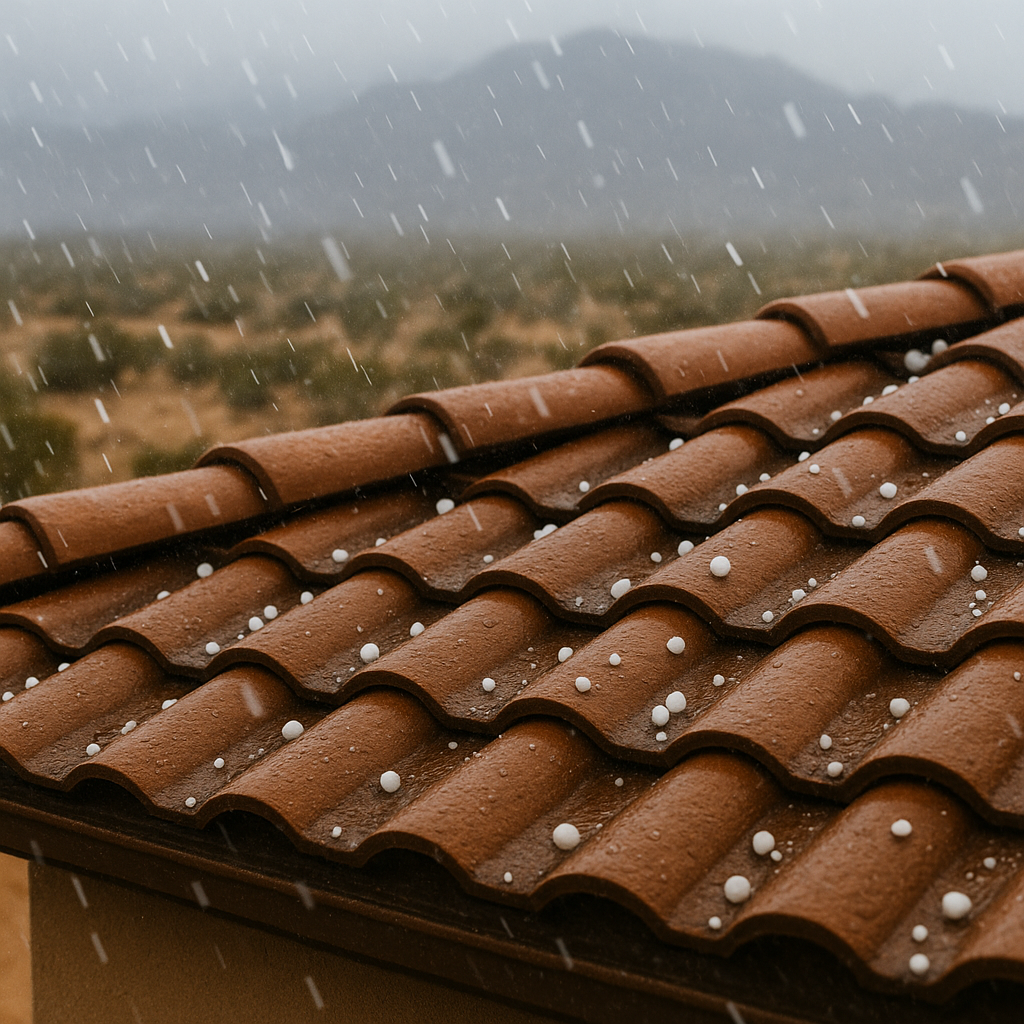
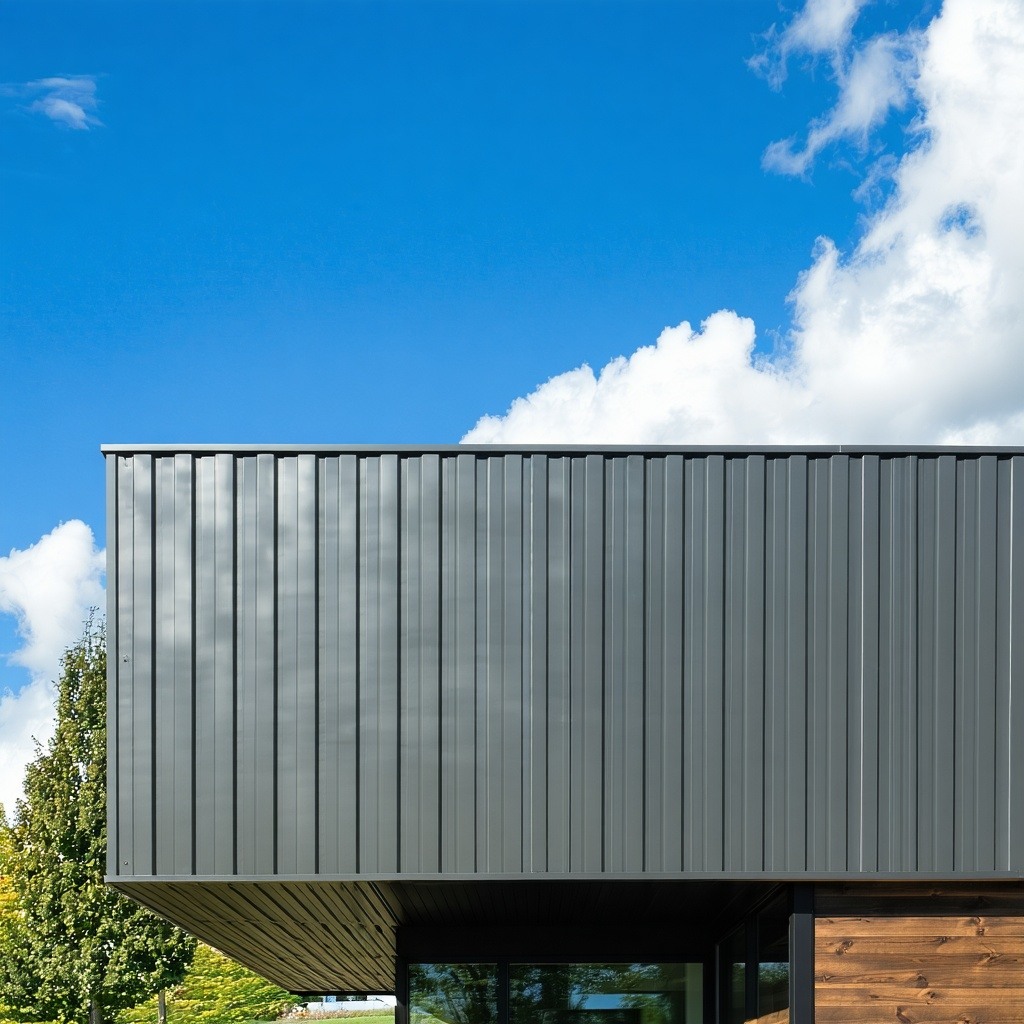
Some of the best options for fire and wind-resistant roofing include metal, slate, concrete tile, and fiberglass-based asphalt shingles. Metal roofs, for instance, are not only fire-resistant but also durable and long-lasting. Slate and concrete tiles offer excellent fire protection and stand up well to wind. Fiberglass-based asphalt shingles are another practical choice, combining fire resistance with affordability and ease of installation.
Creating Defensible Space to Guard Against Fire and Wind Damage
Maintaining a defensible space around your roof is another crucial measure in protecting your home from fire and wind hazards. This involves keeping your roof and the surrounding area clear of debris, such as leaves, pine needles, and other flammable materials that can ignite from airborne embers or be displaced by high winds.
Regularly inspect and clean your gutters, downspouts, and roof surfaces to remove any accumulated debris. Trim back overhanging branches and ensure that trees and shrubs are well-maintained and at a safe distance from your home. By creating and maintaining a defensible space, you can significantly reduce the risk of your roof catching fire from nearby wildfires or suffering wind-related damage.
Ensuring Shingle Adhesion to Resist Fire and Wind Exposure
Gusty winds are a common occurrence in Albuquerque, and they can pose a significant threat to your roof’s integrity. To prevent wind damage, it’s essential to ensure that your asphalt shingles are properly adhered and fastened according to the manufacturer’s specifications. Secure shingles also help mitigate the spread of fire when embers land on the roof.
Proper shingle adhesion involves using high-quality adhesives and fasteners to secure the shingles in place. Roofers should also follow the recommended installation protocols, such as using the correct number of nails per shingle and ensuring that the nails are driven into the appropriate locations. By taking these steps, you can minimize the risk of shingle blow-offs during high winds and help your roof withstand fire and wind threats.
Choosing Underlayment Built to Handle Fire and Wind Challenges
In addition to proper shingle adhesion, choosing the right underlayment is crucial for enhancing resistance to fire and wind. Self-adhering membranes and synthetic underlayments are excellent choices for high-wind areas, as they provide superior wind uplift resistance and can act as a fire barrier compared to traditional felt underlayments.
Self-adhering membranes create a watertight seal that helps prevent wind-driven rain and flying embers from infiltrating your roof. Synthetic underlayments offer increased durability and tear resistance, making them less likely to be damaged by strong winds. By investing in high-quality underlayment, you add an extra layer of protection to your roof and improve its overall performance in fire and wind conditions.
Managing Thermal Expansion and Fire and Wind Effects on Roofing
The daily temperature swings in Albuquerque can cause roofing materials to expand and contract, leading to thermal stress. Over time, this can result in material fatigue, cracks, and other forms of damage, particularly in membrane roofs and older asphalt shingles. These temperature shifts can also weaken your roof’s ability to resist fire and wind.
To manage thermal expansion and contraction effectively, it’s essential to choose roofing materials that can withstand these temperature fluctuations and remain stable under fire and wind pressure. Additionally, proper installation techniques, such as allowing for expansion gaps and using flexible sealants, can help mitigate the effects of thermal stress and improve your roof’s resilience.
Boosting Fire and Wind Performance with Proper Attic Ventilation
Proper attic ventilation plays a crucial role in reducing thermal stress on your roof and minimizing fire and wind damage. By allowing hot air to escape and promoting airflow, attic ventilation helps maintain a more stable temperature in your attic and roof structure. This reduces the risk of material fatigue and helps prevent the spread of flames and pressure damage from strong winds.
There are several types of attic ventilation systems, including ridge vents, soffit vents, and gable vents. Each type has its advantages, and the best choice depends on your home’s specific design and ventilation needs. By ensuring your attic is adequately ventilated, you improve your roof’s fire and wind resistance while also enhancing energy efficiency.
Why Routine Inspections Are Crucial in Fire and Wind-Prone Zones
Regular roof inspections are essential in identifying and addressing potential vulnerabilities that could be exacerbated by fire and wind conditions. Damaged or missing shingles, cracked flashing, and clogged gutters can compromise your roof’s defenses.
Schedule inspections at least twice a year and after significant weather events. Professional roofers can identify weak points and recommend the necessary repairs to bolster your roof’s ability to withstand fire and wind. Proactive maintenance not only protects your home but also extends the lifespan of your roofing system.
Enhancing Curb Appeal and Safety with Fire and Wind-Resistant Designs
Modern roofing solutions allow homeowners to combine aesthetic appeal with practical benefits. Many fire and wind-resistant materials, such as metal panels, slate tiles, and architectural shingles, come in a variety of colors and styles to complement any home design.
Choosing materials that are both stylish and resistant to fire and wind gives you peace of mind without compromising on curb appeal. Work with roofing professionals to explore options that align with your home’s style and regional safety needs.
Fire and Wind Preparedness: Emergency Readiness for Homeowners
Being prepared for fire and wind emergencies is as important as having a strong roof. Create an evacuation plan, store emergency supplies, and keep critical documents easily accessible. Make sure your insurance covers fire and wind-related damage, and document your roofing system and any recent maintenance or upgrades.
This level of preparedness ensures that in the event of a wildfire or windstorm, you and your family are ready to respond safely. Additionally, prompt response and documentation can streamline the insurance claims process if damage occurs.
How to Select a Roofing Contractor
Not all roofing contractors are equipped to handle the challenges presented by Albuquerque’s fire and wind-prone environment. Look for licensed, insured professionals with specific experience in installing fire and wind-resistant roofing systems.
Ask for references, read reviews, and ensure that the contractor follows all local codes and manufacturer guidelines. A knowledgeable contractor can make recommendations tailored to your property and ensure a durable, safe roof installation.
The Cost-Benefit of Fire and Wind-Resistant Roofing Systems
Investing in fire and wind-resistant roofing materials may involve a higher upfront cost but provides long-term savings through reduced maintenance, fewer repairs, and lower insurance premiums. Many insurers offer discounts for homes equipped with Class A fire-rated and wind-rated systems.
Moreover, resilient roofing increases your home’s resale value and protects what matters most—your family and belongings. Consider the long-term financial and safety benefits when evaluating roofing upgrades.
Get a Free Roof Inspection and Quote from Reimagine Roofing
Protecting your roof from Albuquerque’s extreme weather conditions—especially fire and wind—requires regular maintenance and prompt attention to any issues. At Reimagine Roofing, we understand the unique challenges that homeowners in this region face, and we’re here to help.
Schedule a free roof inspection with our experienced team to identify any potential problems and receive personalized recommendations for protecting your roof. Additionally, take advantage of our free quote tool to get an estimate for any necessary repairs or upgrades in less than 24 hours. Don’t wait until it’s too late—contact Reimagine Roofing today to ensure your home is well-protected against Albuquerque’s extreme fire and wind threats.
Popular Posts