Energy-Efficient Windows for Arizona Homes: What Actually Works?

Energy-Efficient Windows for Arizona Homes: What Actually Works?
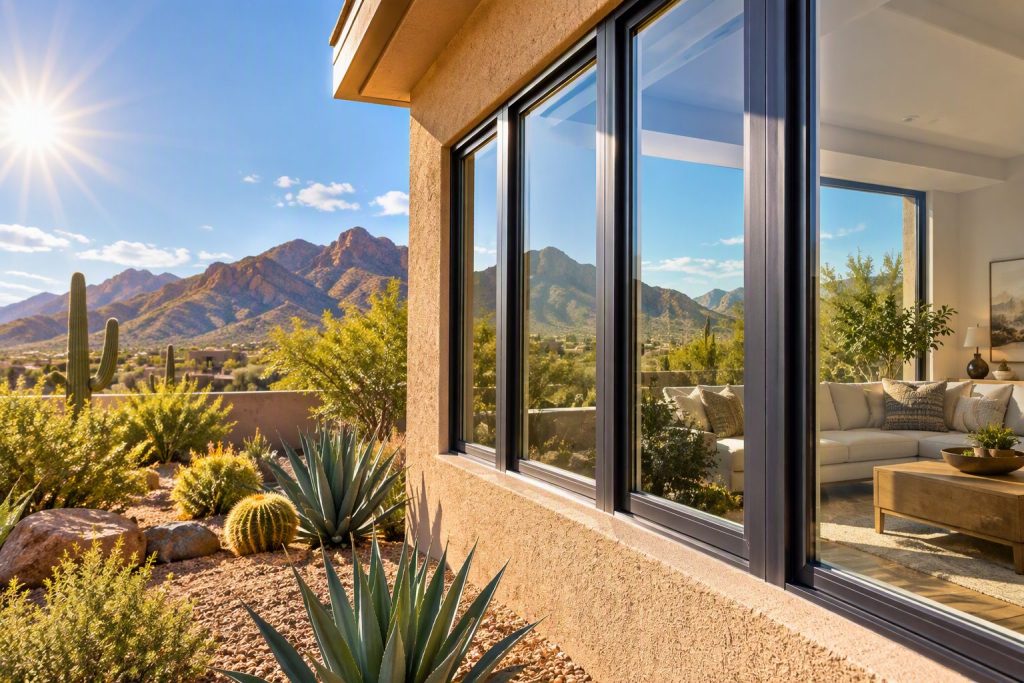
Arizona homeowners know that keeping a home comfortable through months of intense sunshine and triple-digit temperatures can be a challenge. While insulation, roofing, and HVAC systems all play important roles, your windows are often one of the biggest contributors to heat gain and rising utility bills. Many homeowners replace windows expecting dramatic energy savings, only to discover that not all “energy-efficient” windows perform equally well in Arizona’s desert climate.
At Reimagine Roofing & Construction, we help homeowners make informed decisions about window upgrades that provide real-world comfort and efficiency benefits. If you’re considering replacement windows, understanding what actually works in Arizona can help you maximize your investment and enjoy a cooler, more comfortable home year-round.
Why Arizona Homes Face Unique Window Challenges
Arizona’s climate creates conditions that differ significantly from many other parts of the country. Homeowners must deal with:
- Intense solar heat gain
- High UV exposure
- Long cooling seasons
- Significant indoor-outdoor temperature differences
- Sun-facing walls that absorb excessive heat
- Rising energy costs during summer months
In many Arizona homes, especially older properties, windows can account for a substantial portion of unwanted heat entering the home. Even a high-performing air conditioner must work harder when windows allow excessive solar heat infiltration.
The result is:
- Higher electric bills
- Uneven room temperatures
- Increased HVAC wear and tear
- Glare issues
- Fading furniture and flooring
- Reduced indoor comfort
Choosing the right window technology can significantly reduce these issues.
What Makes a Window Energy Efficient?
When homeowners begin researching replacement windows, they often encounter technical terms that can be confusing.
The most important performance factors include:
U-Factor
U-Factor measures how well a window prevents heat transfer.
Lower numbers indicate better insulation performance.
For Arizona homes, lower U-Factor ratings help keep cooled indoor air from escaping and outdoor heat from infiltrating the home.
Solar Heat Gain Coefficient (SHGC)
SHGC measures how much solar radiation passes through the glass.
In Arizona’s hot climate, a lower SHGC is often one of the most important features to prioritize.
Lower SHGC values mean:
- Less heat entering your home
- Greater comfort near windows
- Reduced air conditioning demand
Visible Transmittance (VT)
Visible Transmittance measures how much natural light enters through the glass.
The goal is finding a window that allows sufficient daylight while minimizing unwanted heat gain.
Air Leakage
Air leakage ratings indicate how much outside air can enter through the window assembly.
Well-sealed modern windows help maintain consistent indoor temperatures and improve efficiency.
Low-E Glass: One of the Best Investments for Arizona Homes
If there is one feature that consistently delivers energy-saving benefits in Arizona, it’s Low-E glass.
What Is Low-E Glass?
Low-emissivity (Low-E) coatings are microscopically thin metallic layers applied to window glass.
These coatings help:
- Reflect heat away from the home
- Reduce solar heat gain
- Block harmful UV rays
- Improve indoor comfort
- Protect furnishings from sun damage
Unlike old tinted windows that often darkened interiors excessively, modern Low-E technology allows natural light while significantly reducing heat transfer.
Why Arizona Homeowners Benefit
Arizona receives some of the highest levels of annual sunshine in the United States.
Low-E coatings help:
- Reduce interior heat buildup
- Improve comfort near large windows
- Lower cooling costs
- Enhance overall energy efficiency
For most homeowners, Low-E glass should be considered a necessity rather than an optional upgrade.
Double-Pane Windows vs. Single-Pane Windows
Many older Arizona homes still have single-pane windows.
While these windows may look fine visually, they often perform poorly in extreme heat.
Single-Pane Limitations
Single-pane windows:
- Transfer heat quickly
- Offer limited insulation
- Allow greater energy loss
- Increase HVAC workload
Double-Pane Advantages
Double-pane windows include two layers of glass separated by an insulating space.
Benefits include:
- Improved insulation
- Reduced heat transfer
- Better indoor temperature control
- Lower energy bills
- Enhanced comfort year-round
For most Arizona homeowners, upgrading from single-pane to double-pane windows can provide substantial efficiency improvements.
Argon Gas-Filled Windows: Are They Worth It?
Many premium replacement windows include argon gas between the panes.
Argon is:
- Non-toxic
- Odorless
- Colorless
- More insulating than regular air
The gas helps slow heat transfer through the window.
Benefits for Arizona Homes
Argon-filled windows can:
- Improve thermal performance
- Increase efficiency
- Enhance comfort near windows
- Support lower cooling costs
While argon alone won’t solve efficiency problems, combining it with Low-E coatings and quality window construction can produce excellent results.
Best Window Frame Materials for Arizona Heat
Glass matters, but so does the frame.
Vinyl Windows
Vinyl remains one of the most popular options for Arizona homeowners.
Advantages include:
- Good insulation properties
- Low maintenance requirements
- Affordable pricing
- Resistance to moisture
- Energy-efficient performance
Many modern vinyl windows are engineered specifically for intense desert climates.
Fiberglass Windows
Fiberglass offers premium performance.
Benefits include:
- Exceptional durability
- Minimal thermal expansion
- Strong insulation
- Long lifespan
- Excellent heat resistance
Fiberglass windows often perform exceptionally well in Arizona’s extreme temperature conditions.
Composite Frames
Composite window frames combine various materials for enhanced durability and efficiency.
They offer:
- Strong thermal performance
- Stability in heat
- Reduced maintenance needs
- Long-term durability
Aluminum Frames
Traditional aluminum windows are common in older Arizona homes.
While durable, aluminum conducts heat readily.
Modern thermal-break aluminum systems perform significantly better, but homeowners should carefully compare efficiency ratings before choosing aluminum frames.
The Truth About Window Tinting
Window tinting can help reduce heat gain and glare.
However, tint alone rarely performs as well as modern energy-efficient replacement windows.
Tinting may help:
- Reduce direct solar heat
- Minimize glare
- Improve privacy
Yet older windows can still suffer from:
- Air leakage
- Poor insulation
- Inefficient glass systems
For homeowners with aging windows, replacement often delivers greater long-term benefits than tinting alone.
South- and West-Facing Windows Need Special Attention
Arizona homeowners frequently notice that certain rooms become significantly hotter than others.
This often occurs because of:
- South-facing windows
- West-facing windows
- Direct afternoon sun exposure
These areas experience the greatest solar heat gain.
Solutions may include:
- Low-SHGC glass packages
- Exterior shading
- Window replacement
- Solar screens
- Strategic landscaping
A professional inspection can help determine which combination of solutions provides the greatest return on investment.
Signs Your Windows Are Costing You Money
Many homeowners don’t realize their windows are underperforming.
Common warning signs include:
Rising Utility Bills
Higher cooling costs often indicate excessive heat transfer.
Hot Spots Near Windows
If rooms feel noticeably warmer near windows, heat infiltration may be occurring.
Fading Furniture and Flooring
UV damage can indicate inadequate window protection.
Drafts
Air leaks allow conditioned air to escape and outdoor heat to enter.
Difficulty Maintaining Indoor Temperatures
When HVAC systems struggle to keep rooms comfortable, inefficient windows may be contributing.
How Energy-Efficient Windows Improve Home Value
Window replacement is often viewed as both a comfort improvement and a home investment.
Potential benefits include:
- Increased curb appeal
- Improved energy performance
- Enhanced buyer interest
- Lower maintenance requirements
- Updated appearance
- Greater indoor comfort
Energy-efficient upgrades continue to be highly desirable among modern homebuyers, particularly in hot-weather regions like Arizona.
Professional Installation Matters as Much as the Window
Even the most advanced energy-efficient window can underperform if installed incorrectly.
Poor installation may lead to:
- Air leaks
- Moisture intrusion
- Reduced efficiency
- Premature wear
- Structural issues
Professional installation ensures:
- Proper sealing
- Accurate fit
- Code compliance
- Maximum energy performance
The installation quality often determines whether homeowners receive the full benefit of their investment.
What Actually Works for Arizona Homes?
After evaluating thousands of window performance scenarios in hot climates, the most effective combination for Arizona homeowners typically includes:
Double-pane glass
Low-E coatings
Low SHGC ratings
Argon gas insulation
High-quality vinyl, fiberglass, or composite frames
Professional installation
Proper orientation-specific window selection
Rather than focusing solely on price, homeowners should evaluate long-term performance, energy savings, comfort, and durability.
The right windows can significantly reduce cooling demands while making your home more comfortable throughout Arizona’s hottest months.
Schedule Your Arizona Window Inspection Today
If your home has older windows, rising energy bills, hot indoor temperatures, or noticeable drafts, now is the perfect time to explore energy-efficient window solutions.
At Reimagine Roofing & Construction, our team helps Arizona homeowners identify window issues, recommend high-performance replacement options, and provide expert installation services designed for the desert climate.
Popular Posts