Free Roof Inspection & Flood Prep in NJ
Free Roof Inspection & Flood Prep in NJ
Free Roof Inspection NJ Before Storm: How to Prepare Your Roof for Heavy Rain and Flooding During Tropical Storms
New Jersey residents are no strangers to unpredictable weather, especially during hurricane season. With the remnants of Tropical Storm Chantal bringing increased humidity, torrential rain, and localized flooding, homeowners must act proactively. Your roof is the first line of defense against severe weather, and preparing it properly can mean the difference between minor maintenance and thousands in water damage. As a homeowner, scheduling a free inspection is a crucial step to protect your home before storms arrive. This guide will walk you through a complete checklist on how to inspect and prepare your roof for heavy rainfall and potential flooding.
Don’t wait for the storm to hit — Get a Free Roof Inspection + Fast Quote from Reimagine Roofing — Estimates in less than 24 hours!
Pre-Storm Roof Inspection Checklist
Check for Loose or Missing Shingles
Missing or damaged shingles, especially damage shingles caused by moss, mold, or mildew trapping moisture, can be a direct gateway for rainwater to seep into your home and may lead to further roof deterioration if not addressed. Walk around your home’s perimeter and use binoculars to spot curling, cracked, or absent shingles.
Inspect Flashing Around Chimneys and Vents
Flashings, typically made of metal, seal joints on the roof. Check for rust, cracks, or gaps especially around chimneys, vents, and skylights. Poor flashing is a major contributor to leaks during heavy rain.
Clear Gutters and Downspouts to Prevent Overflow
Backed-up gutters and downspouts can cause water to pool on your roof, weakening the structure and causing interior leaks. Clear all debris and test flow using a garden hose.
Examine the Attic for Signs of Previous Water Intrusion
Look for water stains, mildew smells, or soft spots on the wood. These are signs your roof may already have a vulnerability.
Water stains or soft spots in the attic can also lead to damage on ceilings below, so check both areas during your inspection.
Inspect Skylights and Dormers
Ensure all seals around skylights and dormer windows are tight. Use silicone sealant to fill any noticeable gaps before the next storm.
Trim Overhanging Branches
Falling limbs are a major hazard during high winds, as strong winds can easily break branches and cause them to fall on your roof. Trim back trees that hang over your roof to prevent physical damage during the storm.
Emergency Leak Protection
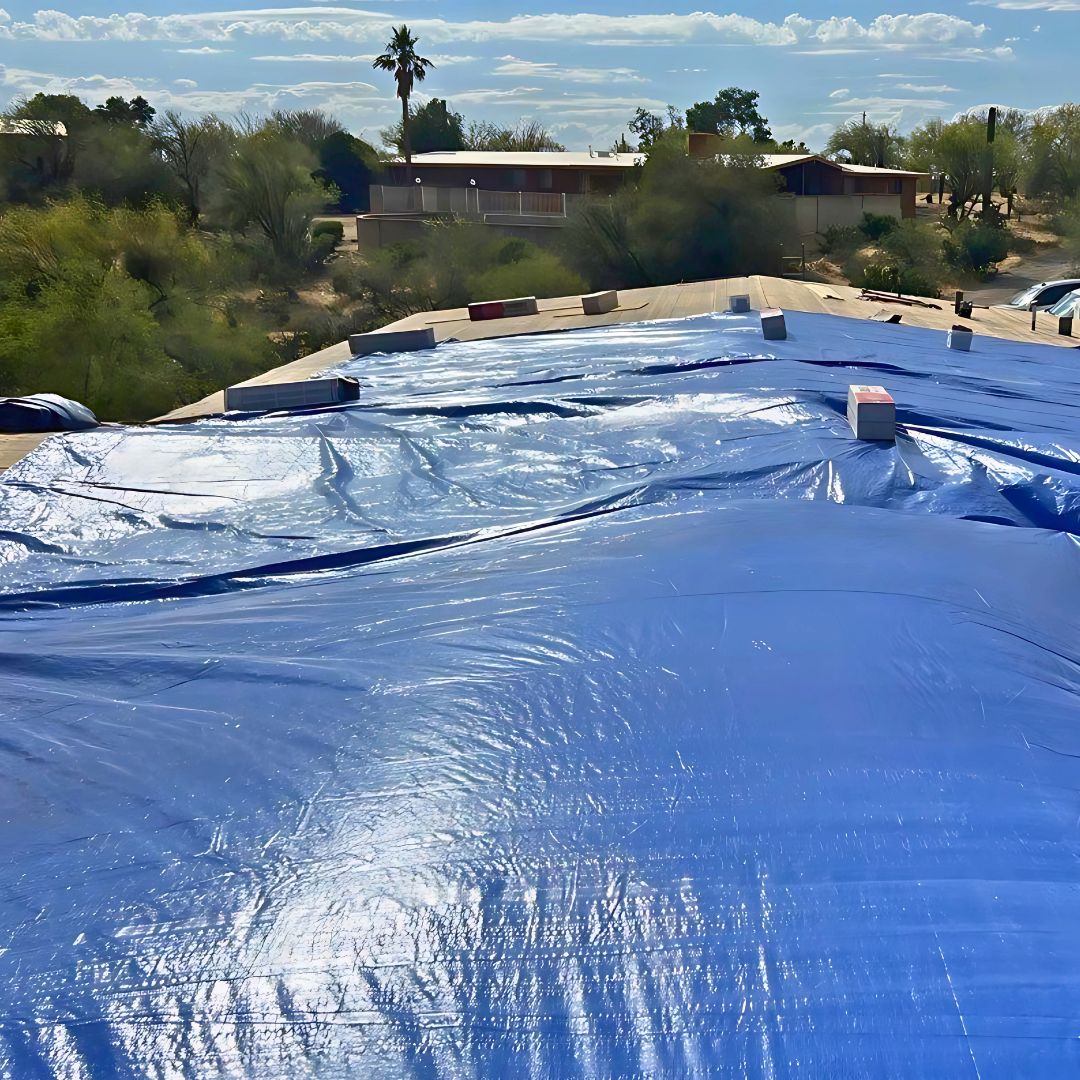
Use Tarps or Roofing Cement for Quick Fixes
In the face of an approaching storm, temporary measures like placing a tarp over the leak or applying roofing cement can prevent immediate water ingress.
Know How to Seal Interior Ceiling Leaks Temporarily
Buckets can catch dripping water, but plastic sheeting and duct tape can help contain the leak and minimize ceiling damage.
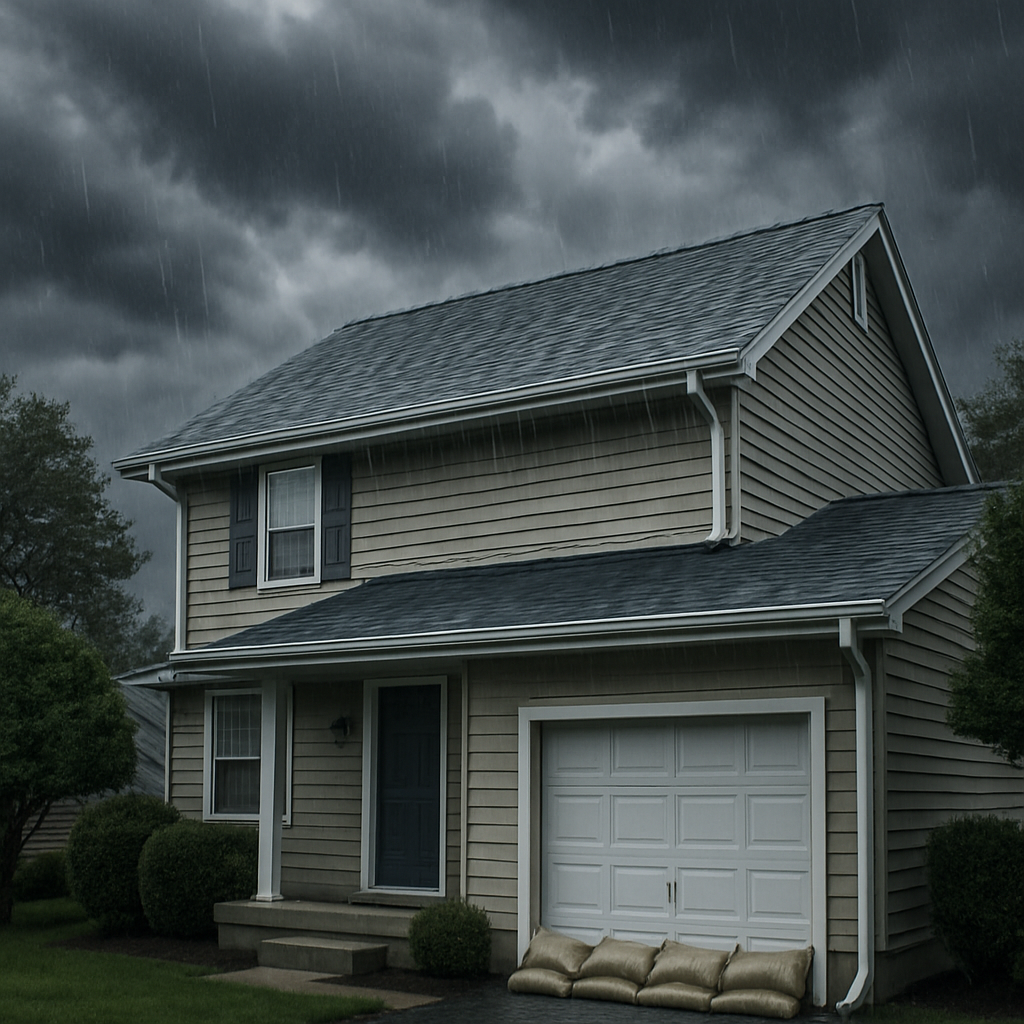
Keep Sandbags Ready for Ground-Level Flood Protection
Place sandbags around basement windows, garage doors, and entry points. While not roof-related, this ensures your full property is safeguarded against flooding.
Emergency Roof Patch Kit
Keep a roof patch kit on hand with peel-and-stick patches, sealant, and a putty knife. These are ideal for addressing small shingle or membrane damage during the storm.
Importance of Roof Ventilation in High Humidity
Prevent Mold and Moisture Buildup in Attic Spaces
Trapped moisture can lead to mold, mildew, and rotting wood. Ensure your attic is properly ventilated to handle New Jersey’s post-storm humidity.
Ice dams can also cause moisture buildup and water damage in attics, making proper ventilation even more important.
Ensure Roof Ridge and Soffit Vents Are Unobstructed
Use a flashlight to inspect attic vents from the inside. Remove any insulation or debris that may be blocking airflow.
Install Solar or Mechanical Ventilation
If your home suffers from poor airflow, consider installing solar attic fans or mechanical vents. These devices can actively reduce humidity and prevent long-term damage.
How to Safely Handle Roof Damage After the Storm
What to Document for Insurance
Take clear, timestamped photos of all visible damage — exterior and interior. Keep receipts for any temporary fixes and note the time the damage occurred. Share this documentation with your insurance company to support your insurance claims.
It is also recommended to seek a professional opinion to ensure all damage is properly documented for insurance purposes.
When to Call a Licensed Roofing Contractor
If damage is beyond a few shingles or you notice sagging, mold, or ongoing leaks, call in a professional immediately to have your roof inspected and identify any hidden damage. DIY work after storm damage can be dangerous.
Temporary Repairs vs. Permanent Solutions
While tarps and patch jobs work short-term, they’re not substitutes for professional repairs. Permanent fixes include full shingle replacement, flashing upgrades, and gutter reinforcement; however, extensive damage may require more comprehensive repairs or even a full roof replacement.
Understanding Your Insurance Deductible
Review your homeowner’s insurance policy. Most storm damage is covered, but deductibles vary widely. Knowing this beforehand helps you budget repairs more effectively.
Storm-Resistant Roofing Features
Wind-Rated Shingles for Coastal Zones
New Jersey’s coastal regions require shingles rated for higher wind speeds. Ask your roofer about Class F (110 mph) or H (150 mph) rated shingles.
Seamless Gutter Guards to Reduce Clogging During Deluges
Seamless systems reduce weak points where water can back up. Gutter guards prevent leaves and debris from obstructing flow.
Roof Slope Considerations to Improve Drainage
Roofs with a steeper pitch shed water faster. If your roof is flat or low-sloped, ensure the drainage system is up to par or consider redesigning for better runoff.
Impact-Resistant Materials
Materials like metal roofing, rubber slate, and synthetic shingles offer improved durability against flying debris and hail common in tropical systems.
Reinforced Roof Decking
Roof decks that meet newer hurricane codes (like those in Florida) are gaining traction in NJ. Reinforced decking improves structural integrity during high winds.
Seasonal Roof Maintenance Tips by Month
March–May (Spring):
- Clear winter debris from gutters
- Inspect for ice dam damage (ice dams can cause hidden leaks and water damage; address any issues promptly)
- Schedule spring inspection
June–August (Summer):
- Prepare for hurricane season
- Repair or replace loose shingles
- Trim trees and remove moss buildup
September–November (Fall):
- Remove leaves from gutters bi-weekly
- Check flashing before heavy rains
- Ensure attic ventilation is working
December–February (Winter):
- Monitor snow buildup
- Watch for condensation or attic frost
- Prepare for sudden thawing events
Checklist for Multi-Family or Commercial Properties
- Perform bi-annual inspections
- Partner with a reputable roofing company for regular inspections and maintenance
- Assign a maintenance team for storm prep
- Inspect HVAC units and roof-mounted equipment
- Install industrial-grade gutter systems
- Keep a maintenance log with photos
- Ensure flat roof drainage systems are fully functional
Signs of Hidden Water Damage After Flooding
- Musty odor in attic or ceiling
- Discoloration or warping on interior walls
- Mold growth along baseboards
- Bubbling paint or blistering drywall
- Cracks in plaster or drywall seams
Cost Breakdown of Typical Post-Storm Repairs in NJ
| Repair Type | Estimated Cost Range |
|---|---|
| Shingle replacement (per sq) | $350 – $700 |
| Flashing repair | $200 – $600 |
| Gutter cleaning/repair | $150 – $400 |
| Attic mold remediation | $1,000 – $3,000 |
| Full roof replacement (avg) | $7,500 – $15,000 |
Many roofing companies also offer financing options to help homeowners manage the cost of repairs or replacements.
Recommended Materials for NJ’s Climate
- Architectural Shingles: Wind-rated, algae-resistant
- Metal Roofing: Long lifespan, high water resistance
- EPDM or TPO for Flat Roofs: Commercial-grade waterproofing
- Synthetic Underlayment: More tear-resistant than felt
- Closed-cell Spray Foam: Superior attic insulation and moisture resistance
Choosing the right materials is crucial because they help your roof withstand the wear and tear a roof takes during severe weather. This ensures better protection and longevity for your home.
Localized Flood Zone Resources for New Jersey Homeowners
- FEMA Flood Map Service Center
- New Jersey Office of Emergency Management
- County-Specific Flood Alerts (NJ.gov)
Conclusion
Being prepared is no longer optional in a climate of increasing storm activity. From inspecting your roof and sealing emergency leaks to upgrading for long-term resilience, every action you take now can save you time, money, and stress later.
After a storm, it’s crucial to schedule a professional roof inspection. Professional roof inspections can help identify hidden damage that homeowners might miss, preventing costly repairs and prolonging your roof’s lifespan.
Schedule your free inspection today with Reimagine Roofing! Get a quote in less than 24 hours and storm-proof your home before it’s too late.
FAQs
1. How often should I inspect my roof in New Jersey?
At least twice a year — once in spring and once before hurricane season begins in late summer.
2. Can clogged gutters really cause roof leaks?
Yes. Overflowing water can seep under shingles or into the fascia board, leading to leaks and wood rot.
3. What are signs of poor roof ventilation?
Hot, humid attic air, mold growth, and a musty smell are tell-tale signs.
4. Are emergency tarps enough for severe roof leaks?
They work short-term but are not substitutes for professional repairs. Schedule an inspection ASAP.
5. How fast can Reimagine Roofing provide a quote?
We guarantee estimates within 24 hours of inspection — fast, free, and professional.
Popular Posts