Best Roof Color for Hot Climates in AZ, TX, FL
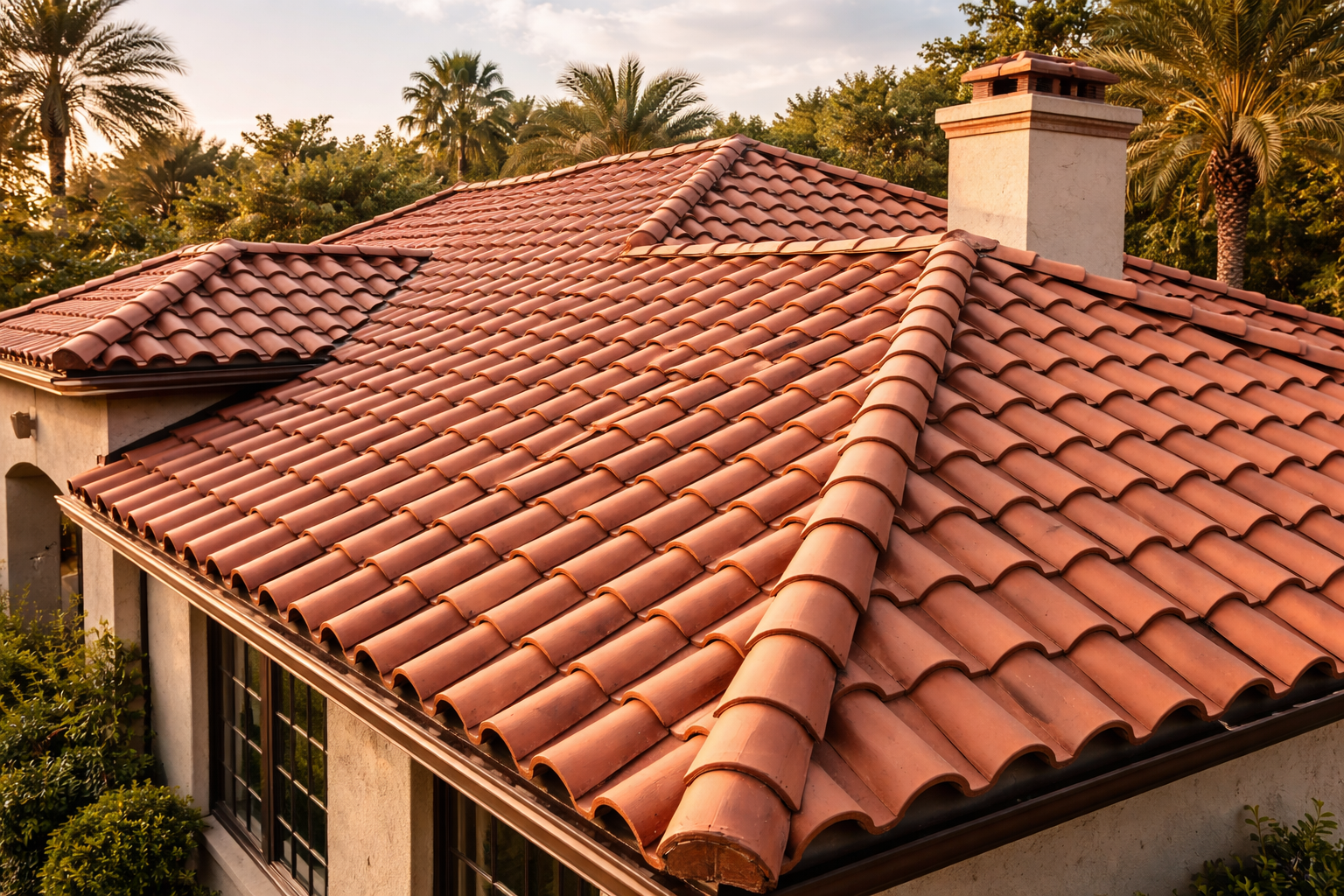
Best Roof Color for Hot Climates in AZ, TX, FL
Best Roof Color for Hot Climates (AZ, TX, FL): What Saves the Most Energy
If you live in a hot climate like Arizona, Texas, or Florida, you already know the sun is relentless. Summer temperatures soar, AC systems run nonstop, and your attic can easily climb well above 120°F on a typical sunny day. Most homeowners think insulation and HVAC are the main solutions—but your roof color might be one of the easiest ways to reduce heat and improve comfort. The roof plays a crucial role in heat absorption and overall energy efficiency, directly impacting how much you spend on air conditioning costs during hot weather.
So what’s the best roof color for hot climates in 2026? Does a white roof really keep a home cooler? Are light gray shingles worth the upgrade? What about “cool roof” technology? And how much energy can you actually save?
The truth is, roof color does affect home temperature and energy use—but not in the way many people assume. The best roof color for energy efficiency depends on your roofing material, your attic ventilation, your home design, and your state’s specific climate conditions. In Arizona, it’s mostly about solar reflection and attic heat reduction. While in Texas, it’s about managing extreme heat and sudden storm cycles. And in Florida, heat plus humidity adds another layer of complexity. The urban heat island effect is also a key factor—urban areas become significantly warmer than their rural surroundings due to heat-absorbing surfaces like roofs and pavement. The albedo effect explains why lighter roof colors reflect more sunlight and heat, reducing heat absorption and helping to mitigate the urban heat island effect.
This guide will walk you through:
- how roof color impacts indoor temperature and cooling costs,
- the difference between color, reflectance, and “cool roof” ratings,
- the best roof colors for AZ, TX, and FL,
- when darker roofs can still make sense,
- how to maximize savings with ventilation and insulation,
- how roof color choices can affect air conditioning costs and contribute to reducing the urban heat island effect,
- and how to choose a roof color that looks great and performs even better.
Why Roof Color Matters in Hot Climates
Your roof is your home’s largest surface exposed to sunlight. On a sunny day, roofing materials absorb solar radiation, converting it into heat. The color of your roof plays a crucial role in determining how much heat is absorbed (heat absorption) and how much is reflected (reflect sunlight). Roofs with lighter colors reflect more sunlight, while darker roofs absorb more heat, directly impacting indoor temperature and energy efficiency. That heat then transfers into your attic and eventually into your living space. Even if your insulation is good, extreme attic temperatures force your HVAC system to work harder, especially in homes with ductwork running through the attic (very common in AZ and TX).
Roof color influences how much solar energy your roof absorbs versus reflects. In general:
- Dark colors absorb more sunlight → hotter roof surface. Dark roofs can raise attic temperatures by 40-50°F more than light roofs, and dark colors like black or charcoal absorb the most heat, causing attic temperatures to rise.
- Light colors reflect more sunlight → cooler roof surface. Light-colored roofs can be 50-60°F cooler than dark roofs under direct sunlight, and lighter-colored roofs reflect more sunlight, reducing heat gain and helping maintain a more stable indoor temperature.
Using light-colored roofs can reduce annual cooling energy use by 7% to 15%, and a lighter roof could reduce your air conditioning costs by 10%-15% during the summer months.
The albedo effect describes how lighter roof colors reflect more sunlight and heat, reducing heat gain and helping maintain a more stable indoor temperature. White roofs are considered the most reflective, reflecting 60% to 90% of sunlight, and roofs in lighter tones like soft white, pale gray, sand, or light taupe perform well under direct sunlight.
But it’s not just about “light vs dark.” Roofing manufacturers use technology that can improve reflectance even in medium or darker shades.
The 3 Concepts That Actually Matter: Color, Solar Reflectance, and Emissivity
When people ask “What roof color saves the most energy?” they often mean “What color keeps my home cooler?” To answer that correctly, you need to understand three key terms: color, solar reflectance, and emissivity. Thermal emittance, along with solar reflectance, is crucial for a roof’s energy efficiency, as both properties determine how well a roof can regulate indoor temperatures and reduce energy costs.
1) Roof Color
Color affects visible light absorption. Dark roofs typically absorb more heat, with black roofs absorbing the most, followed by brown and dark gray. Lighter roofs reflect more heat, helping to keep homes cooler.
2) Solar Reflectance (SR)
This is the percentage of sunlight a roof reflects. Higher SR means less heat absorbed. Modern asphalt shingles can include reflective granules or solar reflecting granules, which help improve energy efficiency by reflecting sunlight—even in non-white or darker roof colors.
3) Thermal Emissivity (TE)
This measures how well a roof releases absorbed heat. Higher emissivity helps the roof cool down faster. Thermal emittance, together with solar reflectance, is a key factor in cool roof qualifications and plays a significant role in regulating indoor temperatures and reducing energy costs.
Cool roofs are designed with high reflectance and high emissivity.
What Is a “Cool Roof,” and Why It Matters in AZ, TX, and FL
A cool roof is a roofing system designed to reflect more sunlight and absorb less heat than a standard roof. In hot climates, cool roofs can reduce roof surface temperatures significantly, lowering attic heat and HVAC demand.
Cool roofs can be made from:
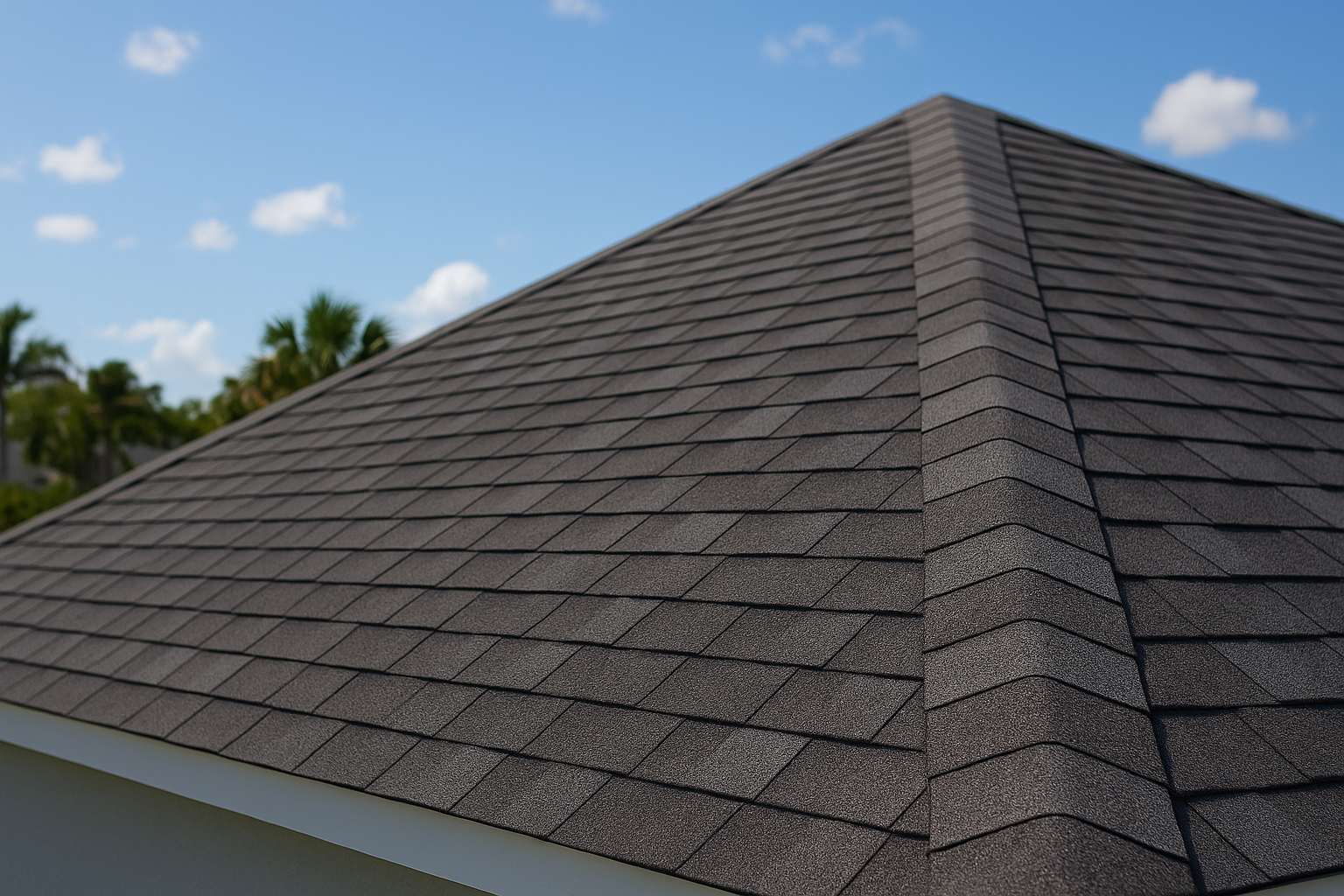
- cool roof shingles (asphalt)
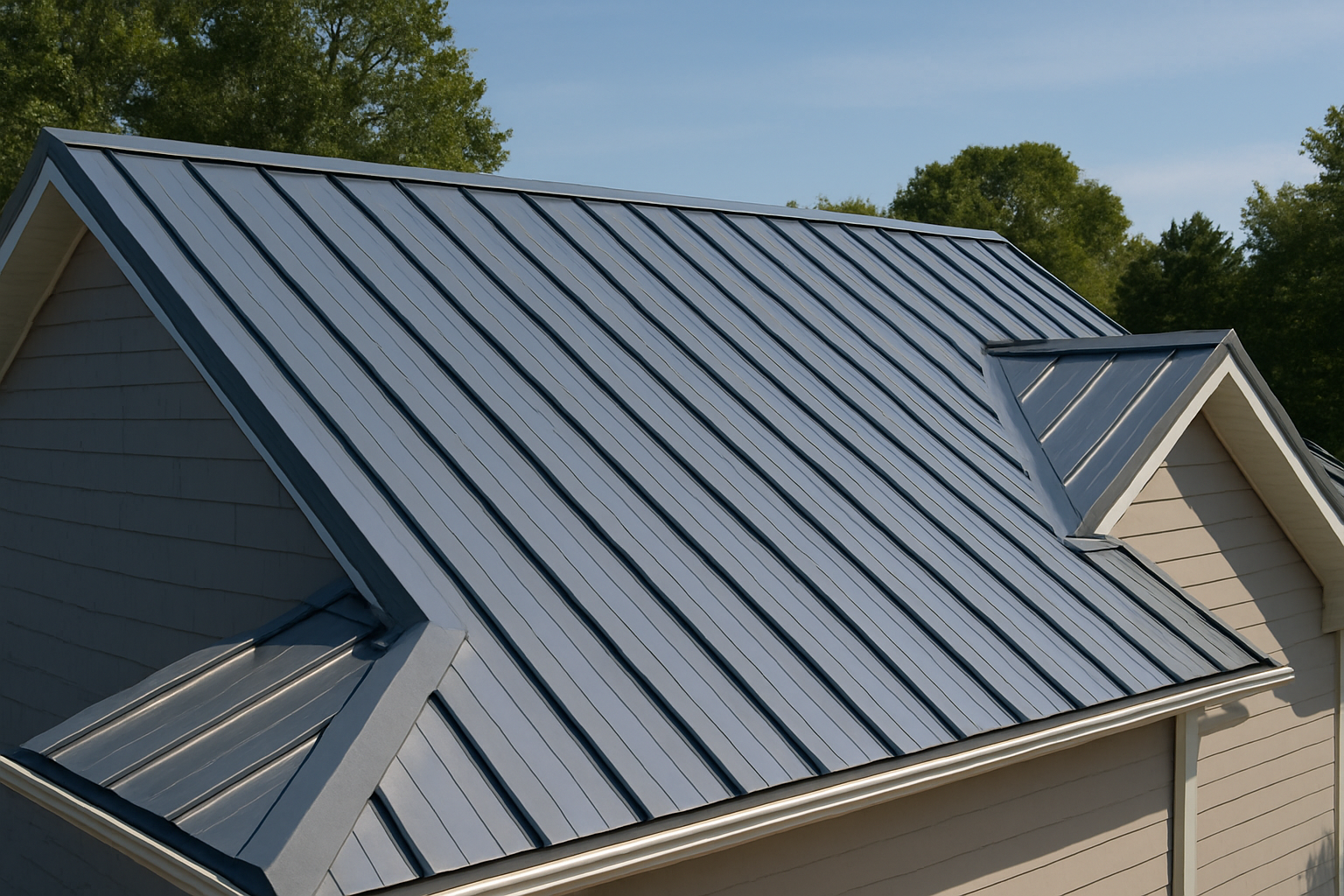
- reflective metal roofing
- tile with reflective coatings
- white membranes (flat roofs)
- coatings applied to certain roof types
Energy efficient roofing materials, such as those with high solar reflectance and thermal emittance, are essential for an energy efficient roof. These energy efficient materials contribute to improved thermal performance, UV reflection, and reduced energy consumption.
Many cool roof products are rated by third-party systems (including ENERGY STAR® and Cool Roof Rating Council). Even if you don’t choose a bright white roof, “cool” technology can boost reflectance in lighter and medium colors.
Does a White Roof Save the Most Energy?
Yes—usually. White is the most reflective color, meaning it absorbs the least solar heat. White roofs can reflect heat and the sun’s rays, which helps reduce cooling costs in hot climates. In fact, white roofs are considered the most reflective and can reflect anywhere from 60% to 90% of sunlight. That’s why you often see white roofs on:
- commercial buildings,
- flat-roof homes,
- Southwest stucco communities,
- coastal construction.
But is white always the best option for a typical residential home with shingles? Not always.
White roofs are best for:
- flat or low-slope roofs,
- tile or membrane roofs,
- regions with extreme heat (AZ),
- homeowners prioritizing maximum cooling performance—white roofs help reduce the workload on your home’s cooling system, which can lower air conditioning costs by 10%-15% during the summer months.
White roofs may not be ideal if:
- you have a steep shingle roof and want a traditional look,
- your HOA restricts bright colors,
- your roof faces visible staining (humidity, algae),
- you want broader curb appeal in a neighborhood dominated by darker tones.
In many cases, light gray, sand, tan, or “cool” medium colors deliver strong performance without looking like a commercial roof.
Best Roof Colors for Hot Climates (Overall Ranking)
Here’s a performance-based ranking for heat reduction:
Lighter colors, such as soft gray and other light colored roofs, reflect more sunlight and reduce heat gain, while darker colors absorb more heat and can increase indoor cooling demands.
1. White and Light Colors: White is the most reflective color, making it the top choice for hot climates. Roofs in lighter tones like soft white, pale gray, sand, or light taupe reflect heat and perform well under direct sunlight, helping to keep your home cooler.
2. Light Gray: Light gray roofs are also highly effective at reflecting sunlight. Soft gray, in particular, is a great option for reducing heat absorption and improving energy efficiency.
3. Beige and Light Tan: These lighter colors reflect a significant amount of sunlight, helping to minimize heat gain.
4. Medium Gray: While not as reflective as lighter shades, medium gray still offers better heat reduction than darker colors.
5. Dark Colors (Black, Dark Brown, Dark Green): These colors absorb more heat, increasing the temperature of your roof and raising cooling costs.
✅ 1) White / Bright White / Cool White
Best reflectance. Best heat reduction.
Ideal for flat roofs and tile roofs.
✅ 2) Light Gray / Silver / Pearl Gray
A top choice for asphalt shingles and metal roofing. Great balance of performance + style. Soft gray, in particular, is an excellent choice for reflecting sunlight and improving energy efficiency.
✅ 3) Beige / Sand / Tan / Light Brown
Excellent for desert and coastal aesthetics. Often performs well in solar reflectance, especially in cool-roof lines.
✅ 4) Light Blue / Pale Green
Less common, but can be strong in reflectance depending on coating and material type (often used in metal).
⚠️ 5) Medium Gray / Driftwood / “Greige”
Can be energy efficient if labeled as a “cool” color, but it varies by product.
❌ 6) Dark Brown / Charcoal / Black
Absorbs the most heat. A black roof or other dark colored roof absorbs more heat than lighter options, raising attic temperatures by 40-50°F and increasing cooling needs. Darker colors, like black or charcoal, absorb more sunlight and retain more heat, causing attic temperatures to rise. Generally not ideal for hot climates unless you’re balancing other factors and have exceptional ventilation/insulation.
State-by-State Guide: Best Roof Color for Arizona, Texas, and Florida
Arizona (AZ): The Sun and Heat Are the Main Problem
Arizona homeowners are dealing with:
- intense UV exposure,
- long summer seasons,
- extreme attic heat,
- big cooling bills,
- monsoon rains (which reveal ventilation and underlayment weaknesses).
When the sun beats down on Arizona roofs, it intensifies heat absorption and increases the demand for indoor cooling.
Best roof colors for Arizona:
✅ White / Cool White (especially tile and low-slope systems)
✅ Light gray / silver
✅ Tan / sand / desert beige
Why these work:
They reduce roof surface temperature and limit attic heat buildup. In many Arizona homes, the HVAC ductwork is in the attic, so keeping attic temperatures lower directly reduces AC strain.
Best roofing types for AZ energy savings:
- cool roof shingles (light colors)
- reflective metal roofing (light gray or white) — Metal roofs are among the best roofing materials for Arizona because they are known for their longevity and energy efficiency, thanks to strong insulation and excellent heat reflection.
- tile with reflective coatings
Arizona pro tip:
If you want the biggest comfort improvement, roof color alone isn’t enough—pair it with:
- ridge + soffit ventilation,
- radiant barrier (in certain setups),
- high-quality underlayment,
- sealed attic bypasses.
Texas (TX): Heat + Storm Cycles + Hail
Texas is unique because you’re not just fighting heat—you’re dealing with:
- hail events,
- high winds,
- heavy rain,
- rapid temperature swings,
- high UV exposure.
Optimizing your roof color and materials can significantly reduce energy usage and overall energy consumption in Texas homes, helping to keep interiors cooler and lower cooling costs.
Best roof colors for Texas:
✅ Light gray / silver (one of the best all-around choices)
✅ Tan / sand
✅ Cool medium gray (with cool roof technology)
White can work, but many Texas homeowners prefer colors that hide dirt and maintain curb appeal over time.
Texas pro tip:
In hail-prone regions, prioritize:
- impact-resistant shingles,
- strong underlayment,
- upgraded flashing,
- and then choose a cool-roof color within that product line.
Energy savings are great, but durability and storm resistance matter too.
Florida (FL): Heat + Humidity + Storm Exposure
Florida adds another challenge: humidity. That affects roof performance because:
- heat drives moisture movement,
- attic condensation can occur if ventilation is poor,
- moisture accumulation can be a concern in Florida, but upgrading your existing roof with cool roofing materials or coatings can help improve energy efficiency and reduce moisture issues,
- algae and staining are common,
- coastal salt air accelerates wear.
Best roof colors for Florida:
✅ Light gray (excellent reflectance + hides staining better than white)
✅ Sand / beige (works well with Florida home aesthetics)
✅ Cool white (especially in coastal builds and tile roofs)
Florida homeowners often choose light colors because they reduce heat, but also because they help keep attic temps lower, which can reduce moisture-related issues when combined with proper ventilation.
Florida pro tip:
If you choose very light roofing, ask about:
- algae-resistant shingles,
- proper ventilation ratios,
- sealed attic penetrations,
- storm-rated installation methods.
How Much Energy Can You Save With a Lighter Roof?
Savings vary depending on:
- roof material,
- attic insulation,
- ventilation,
- home size,
- ductwork placement,
- local energy rates,
- how often you run AC.
But generally, in hot climates, a lighter or cool roof can:
- reduce roof surface temperature significantly,
- reduce attic temperature,
- lower cooling demand,
- improve comfort in top-floor rooms,
- help reduce cooling costs, lower utility bills, and decrease energy bills by reducing the workload on your air conditioning system,
- reduce annual cooling energy use by 7% to 15%, and potentially lower your air conditioning costs by 10%-15% during the summer months.
Even if the monthly savings are modest, the real benefit often includes:
- more consistent indoor temperatures
- less AC cycling
- reduced strain on HVAC equipment
- long-term durability improvements (less heat stress on roofing materials)
Roof Color vs Roofing Material: Which Matters More?
This is important: material can matter as much as or more than color. Tile roofs, commonly made from clay, slate, or concrete tiles, are energy-efficient options that help reduce heat absorption. The thickness of roofing materials like tile and concrete also slows down the heat transfer process, further improving energy efficiency. Concrete tiles, in particular, are durable, versatile, and can be custom-colored for cool roofing solutions.
Traditional asphalt shingles are a popular choice, but they have lower solar-reflecting ability compared to metal and tile roofs, which means they tend to absorb more heat.
Asphalt Shingles
Color affects absorption strongly.
Cool roof shingle technology can boost reflectance. Some modern asphalt shingles now incorporate solar reflecting granules, which help improve energy efficiency by reflecting more sunlight and reducing attic temperatures, regardless of the roof color.
Dark shingles get hotter.
Metal Roofing
- Naturally reflective depending on finish.
- Light colors are highly effective.
- Some coatings reflect infrared energy even in darker tones.
- Metal roofs are known for their longevity and energy efficiency, thanks to their strong insulation properties.
Tile Roofing (Clay/Concrete)
- Naturally has airflow under tiles (can reduce heat transfer).
- Concrete tiles are a durable and energy-efficient option; the thickness of tile and concrete helps slow down heat transfer, further improving energy efficiency.
- Light tile colors perform especially well.
- Coatings can improve reflectance.
Flat Roof Membranes
- White membranes are extremely reflective.
- Great for maximizing energy savings.
When a Dark Roof Can Still Make Sense (Even in Hot Climates)
Sometimes homeowners still choose a dark colored roof for aesthetics—and that can be okay if the roof system is designed properly. However, keep in mind that heat retention is higher in dark colored roofs, which absorb and retain more heat, raising attic temperatures.
Dark roofs can make sense if:
- your attic has excellent ventilation,
- insulation levels are high,
- ducts are not in the attic (or are sealed/insulated),
- your roof has strong underlayment and heat-resistant components,
- you prioritize curb appeal or HOA rules.
However, it’s important to set expectations:
- your attic will run hotter,
- your AC may work harder,
- top-floor comfort may be slightly lower.
If you want a darker look, consider:
- “cool” technology shingles in medium-dark tones, which are designed to reflect more sunlight and reduce heat retention,
- metal roofing with reflective pigments,
- upgrades to ventilation and insulation to offset heat.
The Most Popular “Cool Roof” Shingle Colors That Still Look Modern
Many homeowners want a modern look without going bright white. These are common choices that often come in cool-rated lines:
- light gray
- weathered wood (lighter blend)
- sand dune
- driftwood
- pewter (light version)
- silver-tone
- desert tan
Always ask the roofing contractor:
“Is this color cool-rated in this product line?”
Because the same “named” color can perform differently depending on manufacturer and technology.
The Best Roof Color for Resale Value in AZ, TX, and FL
Energy efficiency is important—but resale value matters too.
AZ resale trends:
- light neutrals (tan, sand, light gray) often look best with stucco and desert landscaping
- tile colors that complement earth tones are popular
TX resale trends:
- light and medium grays are modern and widely appealing
- neutral colors that hide dirt and storm wear tend to perform best
FL resale trends:
- coastal neutrals (light gray, sand, beige) dominate
- lighter roofs look “fresh” and match Florida aesthetics
- algae-resistant options matter because staining is a buyer concern
How to Maximize Energy Savings Beyond Roof Color
Roof color helps, but pairing it with the right upgrades is where the biggest payoff happens. Improving your roof’s energy efficiency and your home’s energy efficiency involves not just choosing the right roof color, but also upgrading ventilation, insulation, and air sealing to maximize energy savings in hot climates.
1) Upgrade Attic Ventilation
Proper ventilation:
- removes trapped heat,
- reduces moisture,
- protects shingles,
- improves comfort.
2) Improve Insulation
More insulation slows heat transfer into your living space.
3) Seal Air Leaks
Small gaps around recessed lights, attic hatches, vents, and wiring allow hot air to flow into your home.
4) Consider Radiant Barriers (Best in AZ + TX)
Radiant barriers can reduce radiant heat transfer in certain homes—especially in extreme sun zones.
5) Choose High-Performance Underlayment
A roof is a system. Underlayment and ventilation can make a noticeable difference.
Common Mistakes Homeowners Make When Choosing Roof Color
Avoid these and you’ll save money:
- Choosing color without checking cool roof ratings
- Assuming white always looks good on every home
- Ignoring HOA requirements until after choosing
- Picking the darkest trendy color without ventilation upgrades
- Not matching roof color to the home’s exterior palette
- Skipping algae-resistant shingles in Florida
- Thinking roof color alone will solve high AC bills
What Roof Color Saves the Most Energy?
If maximum energy savings is your goal, the best roof color for hot climates is typically:
✅ white or cool white followed closely by
✅ light gray, silver, sand, and desert tan
But the best real-world results come from choosing an energy efficient roof with energy efficient materials and maximizing your roof’s energy efficiency through proper installation and upgrades. This means combining:
- a cool roof color,
- proper ventilation,
- strong insulation,
- and professional installation.
In hot, sunny states like AZ, TX, and FL, your roof color can help reduce attic heat, improve indoor comfort, and lower cooling costs—especially when your roof system is built to handle the climate.
Your Next Smart Steps
If you’re deciding on the best roof color for hot climates, Reimagine Roofing can help you choose a roof system that looks great and performs even better. We serve homeowners across Arizona, Texas, and Florida, and we specialize in roofing solutions designed for extreme sun, high heat, storms, and humidity.
✅ Free roof inspections
✅ Fast, accurate quotes
✅ Cool roof options for energy savings
✅ Expert installation for long-term durability
Schedule your free roof inspection with Reimagine Roofing today and let us help you find the best roof color and material for your home, budget, and climate.
Popular Posts