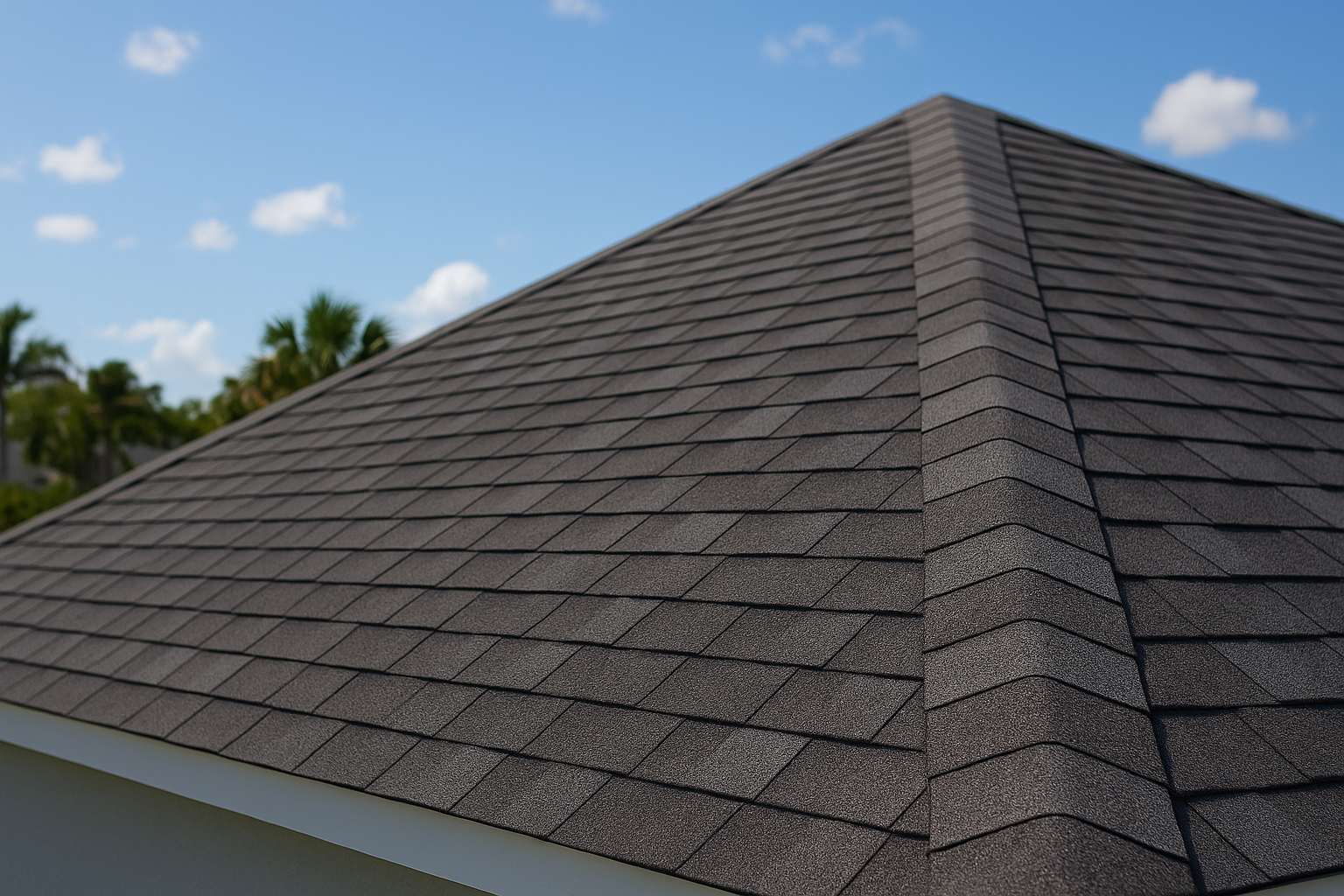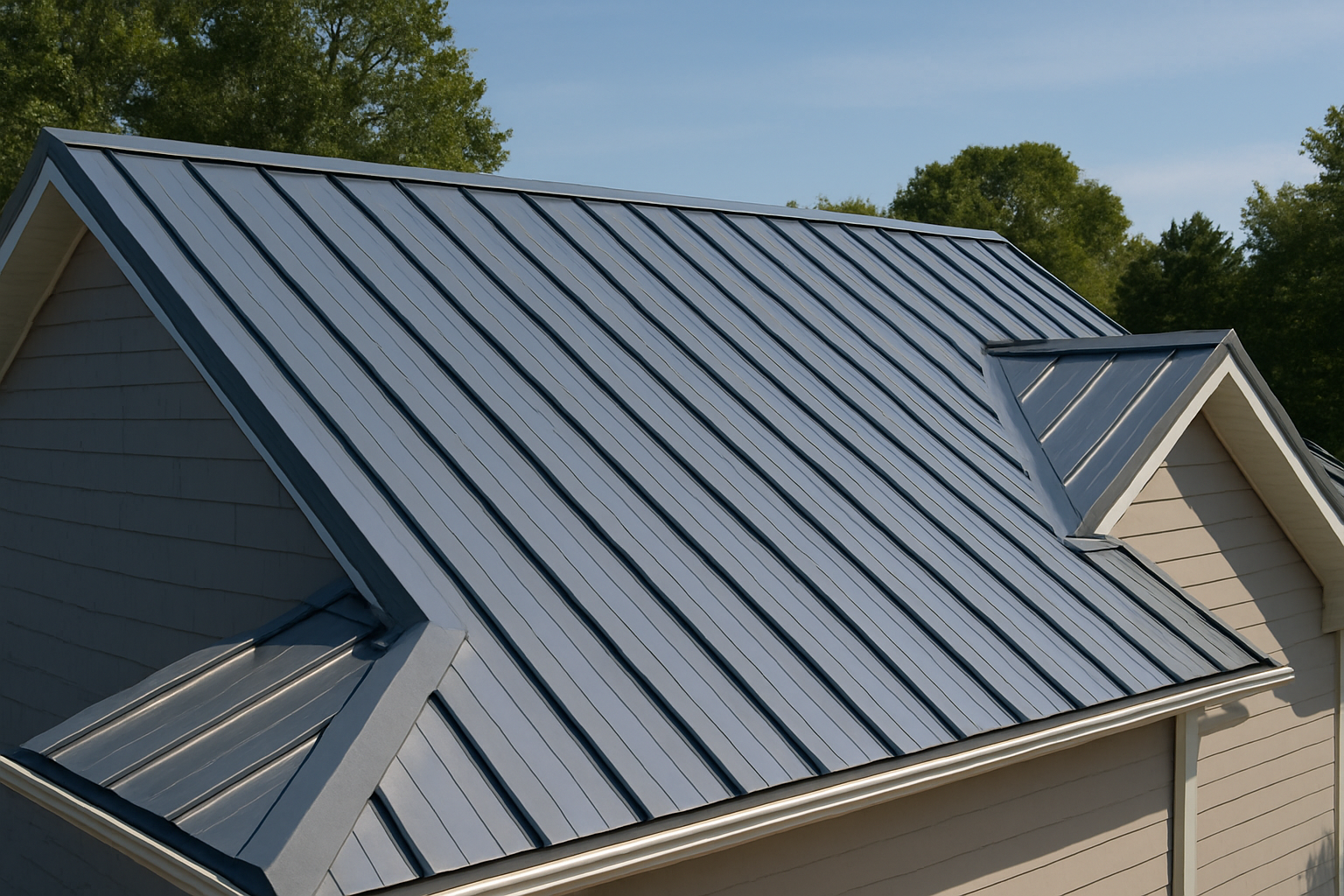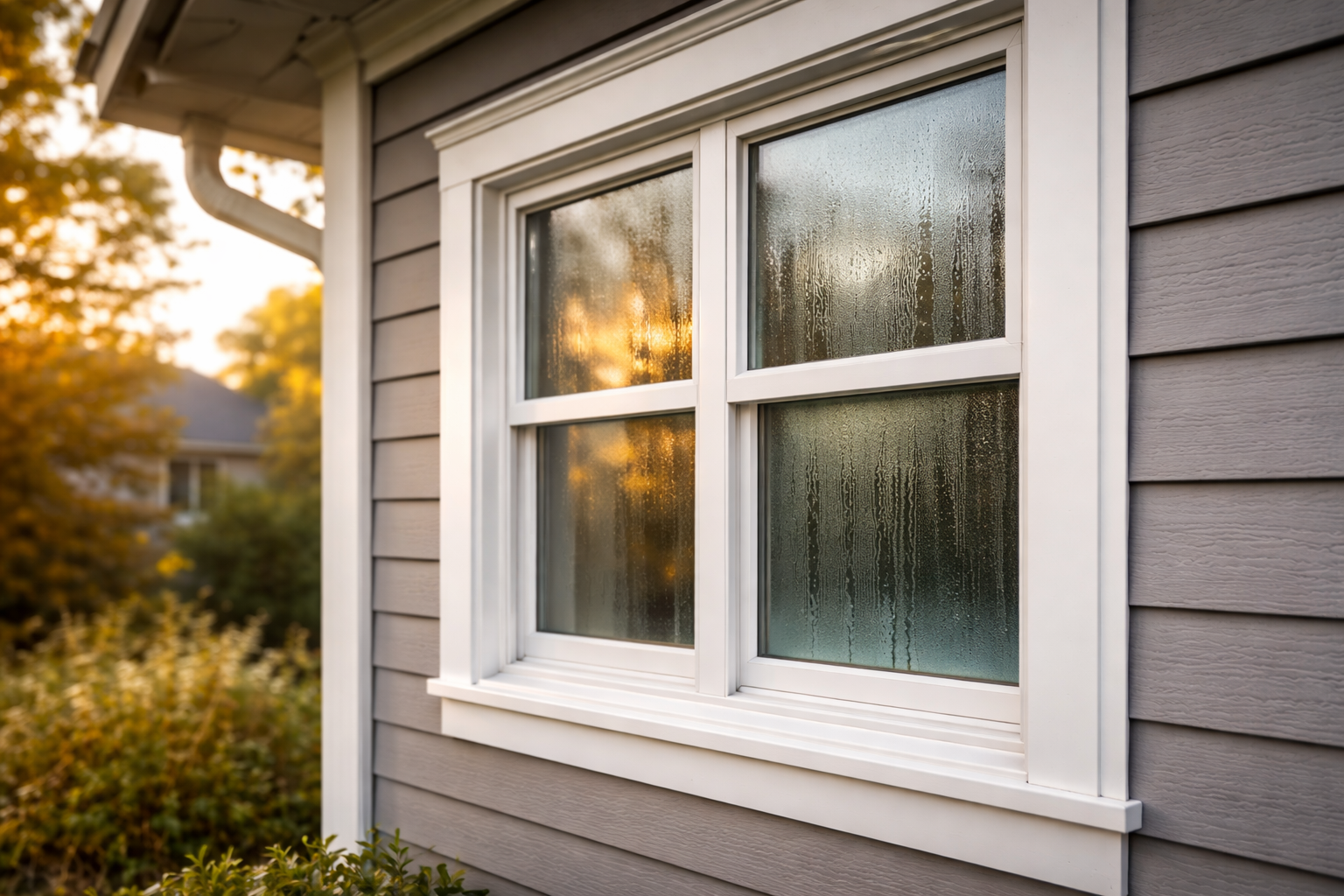
How To Spot Roof Leak After Heavy Rain?
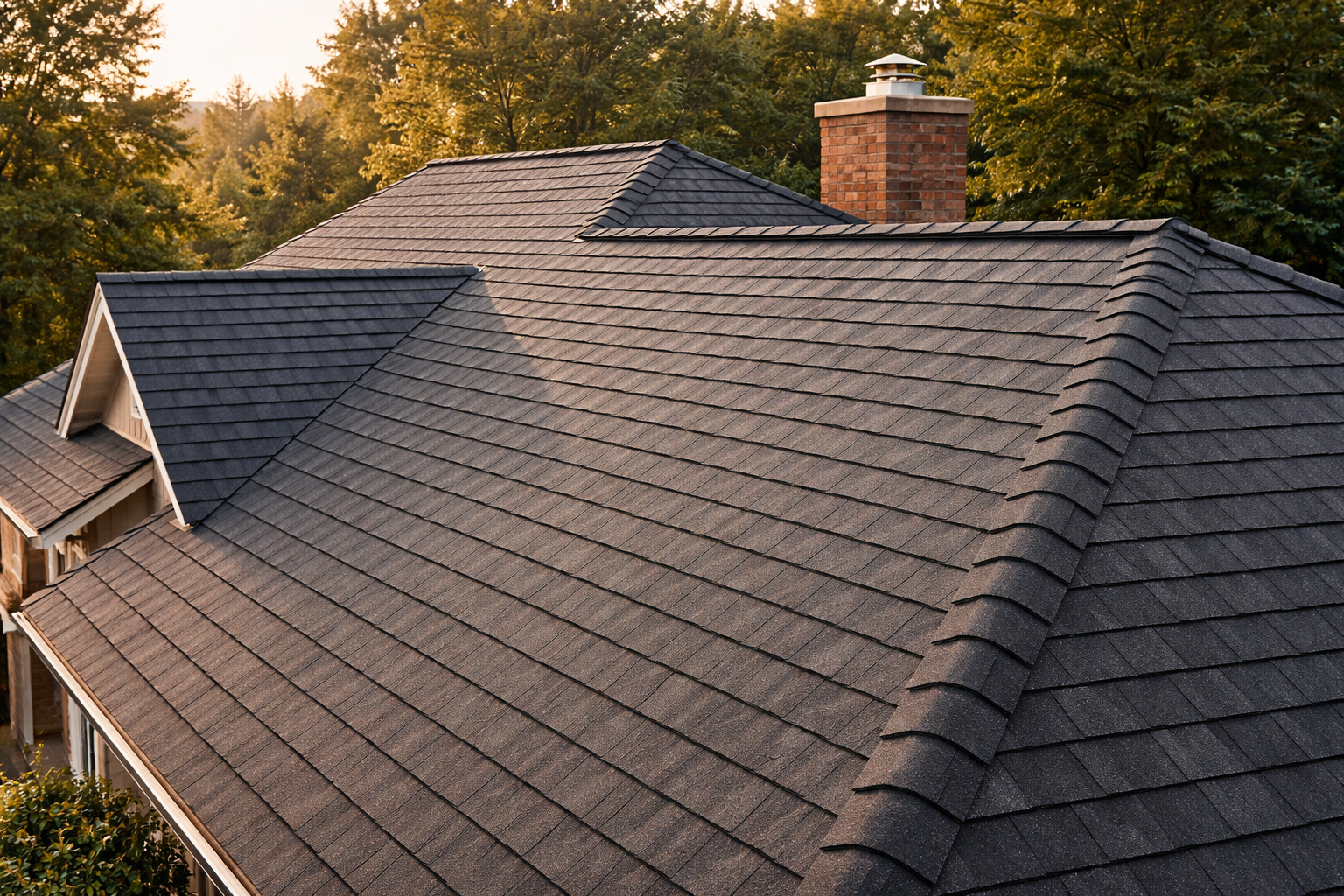
How To Spot Roof Leak After Heavy Rain?
Signs of Roof Leak: How to Spot Them After Heavy Rain (and Why They Get Worse Fast)
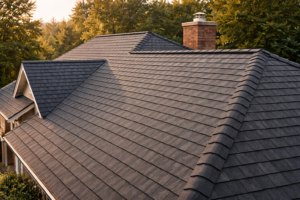
Heavy rain has a way of turning “small issues” into big home repairs—fast. One minute everything seems fine, and the next you’re seeing a water stain on the ceiling, hearing dripping in the attic, or noticing that musty smell that wasn’t there yesterday. If you’ve ever dealt with a roof leak after heavy rain, you already know how stressful it can be. A leaking roof is one of those problems every homeowner dreads, as it can cause anxiety and concern about potential damage and costly repairs.
But here’s the part that surprises most homeowners: roof leaks rarely start the day you notice them. Most roof leaks begin as tiny failures—lifted shingles, a cracked seal around a vent pipe, worn flashing at a chimney, or a clogged gutter that forces water where it doesn’t belong. Heavy rain simply becomes the “stress test” that exposes those weak points. There are many signs that can indicate a roof leak, and recognizing these early is crucial to preventing further issues.
In storm-prone areas like Florida, Texas, Pennsylvania, New Jersey, and Massachusetts, heavy rainfall is often paired with wind, hail, humidity, coastal exposure, or freezing/thawing cycles. That combination can push your roof from “almost fine” to “actively leaking” in a single storm.
This guide will show you exactly how to spot roof leaks after heavy rain, what to do immediately to limit damage, why leaks get worse quickly, and how to decide whether you need a repair or replacement—especially in high-risk weather states. Addressing leaks promptly is essential to avoid significant damage to your home’s structure and interior.
Why Roof Leaks Show Up After Heavy Rain
A roof is designed to shed water, but heavy rain can expose problems because it brings:
- Higher volume of water hitting the roof in a short period
- Wind-driven rain that pushes water upward and sideways
- Overflow conditions when gutters are overwhelmed or clogged
- Long soaking periods that reveal slow seepage
- Hidden pathways where water travels far from the entry point
Most roof leaks begin as tiny failures that are easy to miss. In fact, most leaks develop gradually and are not immediately obvious, making early detection challenging.
That last one is critical: the spot where you see water inside is often not where it’s entering. Water can travel along rafters, beams, insulation, and drywall for feet—sometimes across the entire house—before it shows itself.
Heavy rain exposes weak points, but even normal wear over time can create vulnerabilities that lead to leaks.
The 10 Most Common Signs of a Roof Leak After Heavy Rain
Some roof leaks are obvious, but many are subtle at first. Look for telltale signs—such as water stains, shiners, or other visible indicators—that can alert you to a problem before major damage occurs. The earlier you catch the warning signs, the less damage you’ll have to repair.
1) Water Stains on Ceilings or Walls
Look for:
- yellow/brown rings
- spreading discoloration
- ceiling water stains
- damp areas that appear after rainfall
Pro tip: A small stain can mean a slow leak that has been active for weeks. Brown stains are a typical sign of water damage from roof leaks, often appearing on ceilings or walls where moisture has seeped through.
2) Bubbling or Peeling Paint
If paint on your ceiling or walls starts bubbling, peeling, or cracking, moisture is likely trapped beneath the surface. Moisture from roof leaks can cause bubbling paint and, if left unaddressed, may result in drywall damage.
This is common in humid storm states like Florida where moisture spreads quickly.
3) Damp Attic Insulation
If you can safely check your attic (with a flashlight), look for:
- wet insulation
- compressed or matted sections
- dark patches
- moldy odors
Persistent leaks can cause moisture buildup in attic insulation, which may lead to mold growth and structural issues if not addressed.
Insulation acts like a sponge. A small leak can soak a surprising amount before you ever see interior staining.
4) Dripping Sounds During or After Rain
If you hear water dripping, especially during or after rain, but don’t see obvious water, check:
- attic corners
- around chimneys
- near vent pipes
- skylight areas
Sometimes water drips into insulation and doesn’t hit drywall until later.
5) Musty Smells
That “wet basement” smell isn’t always from a basement. Roof leaks can cause:
- musty odors
- mold growth
- wood rot
- damp drywall
- moisture trapped in insulation
This can happen quickly in Florida and coastal New Jersey, where humidity accelerates mold growth.
6) Visible Mold or Mildew Spots
Mold can appear:
- on ceiling corners
- around HVAC vents
- near skylights
- on attic rafters
Even small black dots after a storm can be an early warning sign.
If left untreated, mold from roof leaks can lead to serious health issues, so it’s important to address it promptly.
7) Sagging Ceiling Drywall
A sagging ceiling is a serious sign of structural damage. It indicates water saturation and risk of collapse.
If you see sagging:
- place a bucket underneath
- poke a tiny drain hole if necessary (carefully)
- call a pro immediately
8) Wet or Rusted Roof Decking Nails in the Attic
In the attic, look up at the underside of the roof decking:
- are nails shiny (dry) or rusted?
- is the wood dark or stained?
- do you see moisture trails?
- are there any rusty pipes, which can indicate underlying moisture issues or roof leaks?
This is one of the most accurate early indicators of a roof leak.
9) Granules in Gutters or Downspouts (Asphalt Shingle Roofs)
Heavy rain can wash loose granules into gutters. Granule loss may signal that shingles are aging or deteriorating, increasing leak risk.
10) Shingles or Flashing That Look “Off” After the Storm
From the ground, look for:
- missing shingles
- curling shingles
- buckling shingles
- damaged shingles
- lifted shingle edges
- displaced ridge caps
- bent or loose flashing
- debris piled in valleys
Missing or damaged shingles, as well as other visible signs of roof damage, can indicate a damaged roof. If left unaddressed, these issues can lead to further roof damage and costly repairs.
If you’re in Texas or Pennsylvania, hail and wind can cause damage you don’t notice until the next heavy rain.
Why Roof Leaks Get Worse Fast (Even If They Start Small)
Once water enters your roof system, it can trigger a chain reaction that escalates quickly. Prompt action is necessary to prevent further damage, such as mold growth, rotted framing, or more extensive roof deterioration.
If not addressed, leaks can lead to ruined insulation, stained ceilings, and even structural issues. In some cases, this can result in serious water damage that affects your home’s integrity and value.
Leaks left unchecked can escalate into major issues that are much more costly and difficult to repair.
1) Water Spreads Horizontally
Water doesn’t fall straight down. It travels along:
- decking
- rafters
- insulation
- drywall seams
Even small holes in the roof can allow water to spread and cause extensive damage, so a tiny hole can affect a large area.
2) Wet Insulation Loses Its Function
Insulation that gets wet becomes less effective. That leads to:
- higher energy bills
- temperature swings
- more condensation
- longer drying time
In winter states like Massachusetts and Pennsylvania, this can also create ice dam issues later.
3) Moisture Creates Mold Quickly
In humid climates, trapped moisture creates the perfect environment for mold, which can begin forming within 24–48 hours, especially in dark attic spaces with poor ventilation.
That’s why Florida roof leaks should never be “wait and see.”
4) Roof Decking Can Rot
If decking stays wet, it can:
- soften
- warp
- develop rot
- lose structural strength
That’s how a manageable repair can turn into a major replacement.
5) Metal Components Corrode
Nails, flashing, fasteners, and HVAC components can rust after repeated moisture exposure.
6) Leaks Invite Pests
Damp areas and entry points can attract:
- rodents
- insects
- birds
Once animals find a path inside, they can create more damage than the water.
What to Do Immediately If You Suspect a Roof Leak After Heavy Rain
If you see any leak signs, act quickly. Roof leaks require immediate attention to prevent further structural damage and mold growth. You don’t need to panic—but you do need a plan.
Step 1: Protect Your Home Interior
- Move furniture and electronics away from wet areas
- Put buckets and towels down
- Use plastic sheeting if needed
- If a ceiling is bulging, relieve pressure carefully
Step 2: Take Photos and Video
Document:
- ceiling stains
- dripping water
- wet attic insulation
- exterior damage (if visible)
This is critical for insurance, especially in storm-heavy states like TX and FL.
Step 3: Check Your Attic (If Safe)
Use a flashlight and look for:
- wet wood
- dripping
- moisture trails
- daylight shining through decking
- wet insulation
- light coming through the roof
If you notice light coming through the roof, it may indicate faulty flashing that needs repair to prevent water intrusion.
Step 4: Dry What You Can
- Use fans
- Use a dehumidifier
- Remove wet insulation if accessible (and safe)
The goal is to reduce moisture and mold risk.
Step 5: Schedule a Roof Inspection ASAP
If the rain has stopped, scheduling an inspection with a qualified roofing contractor, professional roofer, or roofing professionals can identify:
- the entry point
- flashing failures
- shingle damage
- underlayment issues
- ventilation concerns
- decking rot
The sooner you inspect, the cheaper the fix usually is. Regular inspections and routine maintenance are essential to catch problems early and prevent costly roof leaks.
Where Roof Leaks Commonly Start (Especially After Heavy Rain)
Roof leaks usually occur where your roof is interrupted or engineered for drainage, such as around chimneys, skylights, flashing, and roof vents. Poor ventilation can also contribute to roof leaks, as ventilation issues may lead to excess moisture buildup, affecting the roof’s integrity and increasing the risk of leaks.
1) Roof Valleys
Valleys handle huge volumes of water. If debris builds up, water can back up under shingles.
Common in wooded areas of PA, NJ, MA.
2) Chimney Flashing
Chimneys are one of the most leak-prone features due to:
- cracked mortar
- worn flashing seals
- step flashing failures
- missing flashing around chimneys
- improper installation
3) Vent Pipes (Plumbing Boots)
The rubber boot around vent pipes can crack from UV exposure, especially in AZ, TX, FL. Heavy rain exposes that failure quickly.
4) Skylights
Skylight leaks often come from:
- failed seals
- poor flashing integration
- aging skylight frames
5) Roof Edges and Eaves
Wind-driven rain can push water under shingles at the edge, especially during storms.
This is common in coastal and high-wind zones like FL and NJ.
Water infiltration at the roof edge can also cause moisture issues on exterior walls, which may be an early sign of a roof leak.
6) Gutter Overflow and Fascia Damage
When gutters clog, water can pour behind them and into the roof edge.
This can mimic a roof leak, but the cause is drainage failure.
7) Dormers and Wall Intersections
Anywhere the roof meets a wall requires proper flashing. If flashing isn’t installed correctly, water gets behind siding and into the roofline.
State-Specific Leak Risk Factors (FL, TX, PA, NJ, MA)
Florida: Humidity + Wind-Driven Rain + Hurricanes
Florida roof leaks often worsen quickly because:
- humidity fuels mold
- storms drive rain sideways
- salt air accelerates corrosion
- roof requirements are strict and inspections matter
Most common FL leak triggers:
- lifted shingles from wind
- flashing loosening
- poor sealing around penetrations
Texas: Hail + Wind + Heat Damage
Texas roofs take a beating:
- hail bruises shingles
- wind tears at ridge caps
- heat cracks sealants and pipe boots
Heavy rain after hail is when many leaks appear.
Most common TX leak triggers:
- hail damage to shingles
- failing pipe boots
- damaged flashing
Pennsylvania: Trees + Storms + Snow/Ice Cycles
In Pennsylvania, heavy rain often hits roofs already stressed by:
- leaf buildup in valleys
- clogged gutters
- winter freeze/thaw expansion
- older asphalt shingle systems
Most common PA leak triggers:
- valley debris dams
- flashing failures
- ice dam damage revealing itself after rain
New Jersey: Coastal Wind + Nor’easters + Humidity
NJ roofs face:
- salt air near the coast
- wind-driven rain
- heavy storms
- seasonal temperature swings
Most common NJ leak triggers:
- loose flashing from wind
- shingle lifting
- chimney deterioration
Massachusetts: Ice Dams + Heavy Rain + Wind
Massachusetts homes often see leaks due to:
- ice dam damage that weakens the roof edge
- nor’easters causing wind-driven rain
- freeze/thaw expanding tiny gaps
Most common MA leak triggers:
- roof edge failures
- ice dam-related flashing issues
- chimney leaks
Roof Leak Myth: “It’s Just a Small Leak”
Even a “small” or minor leak can cause:
- insulation failure
- mold growth
- wood rot
- electrical risk
- drywall collapse
A $300 repair can become a $3,000+ interior restoration if ignored, leading to much higher repair costs.
Repair vs Replace: What Do You Actually Need?
A professional inspection will determine whether you need:
- a targeted repair,
- multiple repairs + preventative work,
- or a full roof replacement. If the damage affects the entire roof or is too extensive for repairs to be cost-effective, a full roof replacement may be necessary. Installing a new roof provides long-term protection, improved durability, and can increase your home’s value.
Roof Repair is usually enough if:
- the roof is relatively new
- the leak is isolated to one area
- decking is still solid
- shingles are not failing everywhere
Roof Replacement may be smarter if:
- the roof is near end of lifespan
- you have multiple leaks
- shingles are brittle or curled
- there’s widespread granule loss
- you’ve had repeated repairs
- decking has rot in multiple areas
How Roofers Find Leaks (It’s Not Guessing)
A professional inspection often includes:
- attic moisture trail inspection
- exterior shingle + flashing evaluation
- pipe boot and penetration checks
- valley debris assessment
- gutter/edge water flow analysis
- sometimes controlled water testing
These steps help accurately diagnose a leaky roof and prevent further damage.
Good roofers trace water paths and identify root causes—not just “patch where it looks wet.”
Attempting DIY roof repairs without proper expertise can lead to more serious issues and is not recommended.
How to Prevent Roof Leaks Before the Next Heavy Rain
Prevention is usually cheaper than repairs. Taking proactive steps to prevent future leaks can save you money and protect your home from water damage.
Regular maintenance and inspections are key to identifying potential issues before they become major problems. By staying vigilant and addressing minor concerns early, you can reduce the risk of future leaks and maintain the integrity of your roof.
1) Clean Gutters and Valleys
At least twice per year (more if you have trees), especially in:
- PA, NJ, MA
2) Replace Aging Pipe Boots
Pipe boot failures are incredibly common in:
- FL, TX
- high-UV areas
3) Inspect Flashing and Sealant
Chimneys, dormers, skylights, and wall intersections should be checked annually. Ensuring a watertight seal around flashing and roof penetrations is crucial to prevent leaks and protect your attic and interior spaces from water damage.
4) Improve Attic Ventilation
Ventilation helps:
- reduce condensation
- prevent mold
- regulate temperature
- extend roof life
5) Schedule an Annual Roof Inspection
Storm states benefit from yearly inspections, plus checkups after major weather events.
Catching Roof Leaks Early Saves Thousands
Heavy rain doesn’t create roof problems—it reveals them. The sooner you spot a roof leak after heavy rain, the easier it is to repair without major interior damage. Look for water stains, bubbling paint, attic moisture, and musty smells. Document what you see, dry the area, and get a professional inspection quickly.
In storm-heavy states like FL, TX, PA, NJ, and MA, roof leaks can worsen fast due to humidity, wind-driven rain, hail damage, and seasonal wear. The best protection is proactive maintenance and quick action when you see early warning signs.
Reimagine Roofing
If you’re dealing with a roof leak after heavy rain, don’t wait for the next storm to make it worse. Reimagine Roofing provides professional inspections, honest recommendations, and fast repairs to protect your home from costly water damage. We serve homeowners across Florida, Texas, Pennsylvania, New Jersey, and Massachusetts, and we know exactly how storm-driven rain, wind, humidity, and seasonal weather patterns impact local roofs.
✅ Schedule your Free roof inspections today
✅ Fast, detailed quotes
✅ Expert repairs and full roof replacements
✅ Support for storm-related damage and next-step guidance
Popular Posts