What Window Works in Arizona 110°+ Heat
What Window Works in Arizona 110°+ Heat
Best Replacement Windows Arizona: What Works in 110°+ Heat
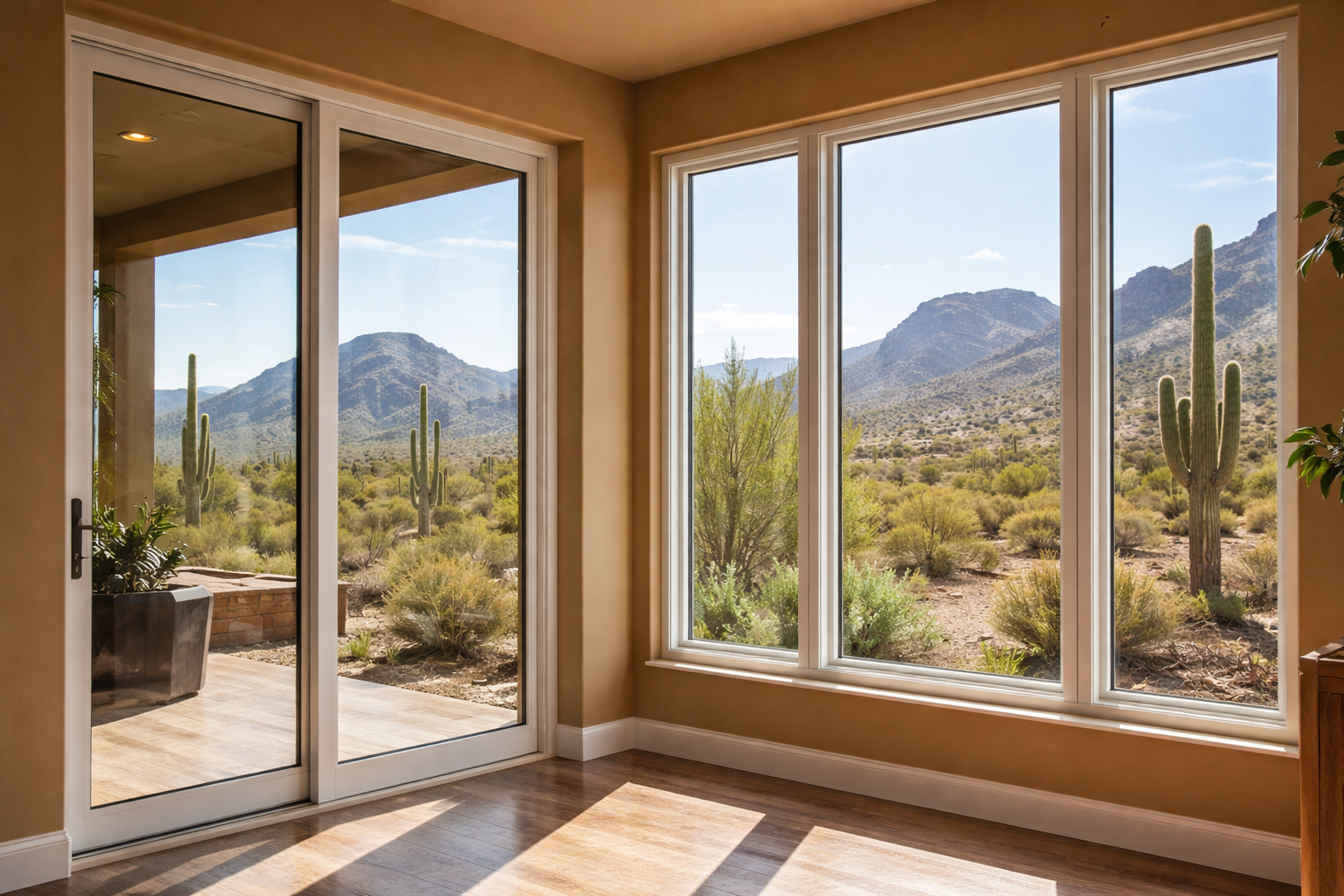
Arizona summers don’t play around. When the forecast hits 110°+ and the sun is blasting your home from sunrise to sunset, your windows can either protect your comfort… or become a giant heat funnel that makes your AC work overtime.
Choosing a quality product for your windows and doors is essential for durability and comfort in Arizona’s challenging climate.
If you’ve ever wondered why your home still feels hot even when the air is running, why your energy bills spike, or why some rooms feel like ovens (especially the west-facing ones), there’s a good chance your windows are part of the problem.
In this guide, we’ll break down exactly what makes a window perform well in extreme Arizona heat — including Low-E glass, SHGC, double vs. triple-pane options, frame materials, and UV resistance — plus how to choose windows and doors that actually make a difference in Phoenix, Tucson, Mesa, Scottsdale, and beyond. We’ll also discuss popular materials like vinyl and fiberglass that are ideal for energy efficiency and durability.
And if you’re ready to explore options, Reimagine Roofing & Construction makes it easy to get a clear recommendation and a fast quote. Working with a reputable window company ensures expert installation and long-term satisfaction.
✅ Get a free window inspection and estimate — with quotes in under 24 hours.
Why Arizona Heat Is So Hard on Windows
Arizona doesn’t just get “hot.” It gets hot in a way that attacks your home from multiple angles. The desert sun and desert climates intensify the impact on your windows, subjecting them to extreme heat, UV rays, and infrared radiation unique to this region:
- Intense solar radiation (sunlight is literally heating your glass)
- High daily temperature swings (expansion and contraction stress seals)
- UV exposure that breaks down materials over time
- Dry air that can crack caulk and shrink older seals
- Dust and monsoon winds that can weaken frames and weatherstripping
Arizona’s climate also requires careful selection of window frame materials to ensure durability, insulation, and energy efficiency in the harsh environment.
Your windows are the front line. When they’re outdated or poorly installed, they allow:
- Solar heat to pour inside
- Cool air to leak out
- Hot exterior air to leak in
- Your AC system to run constantly
And that’s why the “best” window for a mild climate often isn’t the best window for Arizona.
The #1 Window Spec That Matters in Arizona: SHGC
If you’re window-shopping in Arizona, you’ll see a lot of terms:
- U-Factor
- Low-E
- Double-pane
- Triple-pane
- Argon
- Tempered glass
- UV protection
Performance ratings, including visible transmittance, help homeowners compare how much light and heat different windows allow into the home.
But the most important number for Arizona heat is:
SHGC — Solar Heat Gain Coefficient
SHGC tells you how much solar heat passes through the glass into your home.
Lower SHGC = less heat comes in.
In Arizona, choosing a window with the right SHGC can be the difference between:
- a comfortable home that holds cool air longer
vs - a home that feels like a greenhouse in the afternoon
✅ What SHGC is good for Arizona?
Most homeowners in Arizona should look for:
- SHGC around 0.20 – 0.30 for strong heat control
- Some homes may go slightly higher if you prioritize natural light, but lower is better for heat
If you’ve got large west-facing windows or lots of glass, leaning toward the lower end of that SHGC range is usually worth it.
The Secret Weapon Against 110°+ Temps
Low-E (low emissivity) glass is one of the best upgrades you can make in Arizona, because it acts like a heat-reflecting filter. Low-E coatings reflect infrared and ultraviolet rays, reducing heat transfer, while still allowing visible light to pass through and maintain natural daylight inside your home.
Additionally, window film can also be applied to further reduce solar heat gain and glare, complementing the benefits of Low-E glass.
What Low-E glass does
- Reflects a portion of solar energy away from the home
- Reduces radiant heat coming through the glass
- Helps prevent furniture and floors from fading due to UV exposure
- Improves indoor temperature consistency room-to-room
Low-E isn’t “one thing”
There are different Low-E coatings. The best ones for Arizona are designed for hot climates.
✅ What to ask for:
- Low-E coating optimized for hot climates
- Low SHGC
- UV-blocking performance
- Optional: tinted Low-E for extreme sun exposure
If you’re in Phoenix, Glendale, Mesa, or Surprise and your home gets direct sun through big windows, a good Low-E setup can noticeably cut the “hot wall of sun” feeling.
Double-Pane vs Triple-Pane Windows in Arizona: Which Is Worth It?
Most Arizona homes benefit from double-pane windows, but triple-pane can be worth it in certain situations. Triple pane glass offers superior insulation and is considered a high performance window option, especially valuable for extreme climates like Arizona due to its enhanced energy efficiency and ability to withstand intense heat.
Double-pane (most common + often best value)
✅ Pros:
- Major improvement over single-pane
- Great cost-to-performance ratio
- Works well with Low-E + argon gas
- Typically easier to install and budget-friendly
⚠️ Cons:
- Less insulation than triple-pane
- Can still allow some heat transfer if SHGC is too high
Triple-pane (premium performance)
✅ Pros:
- Better insulation (reduces heat transfer)
- Better sound reduction (great for busy streets)
- Adds comfort in rooms that face west or get blasted by sun
⚠️ Cons:
- Higher cost
- Heavier units (some frames/structures may need reinforcement)
- You still need the right SHGC and Low-E — triple-pane alone isn’t enough
So… should you get triple-pane in Arizona?
Usually: double-pane + the right SHGC + quality Low-E is the best value.
But triple-pane can be worth it if:
- you have huge west-facing glass
- you live in a very noisy area
- you’re building a “forever home”
- your AC runs nonstop and you want maximum thermal stability
At Reimagine Roofing & Construction, we’ll tell you honestly whether triple-pane makes sense for your home — or if double-pane will deliver the same comfort at a better price.
✅ Free inspection + fast quote in under 24 hours.
Argon Gas (and Why It Matters in Arizona)
Many modern windows include argon gas between panes.
What argon does
- It slows heat transfer through the glass
- It improves insulation without making the window thicker
- It supports Low-E performance
Argon is not a gimmick — but it only helps if the seal is strong.
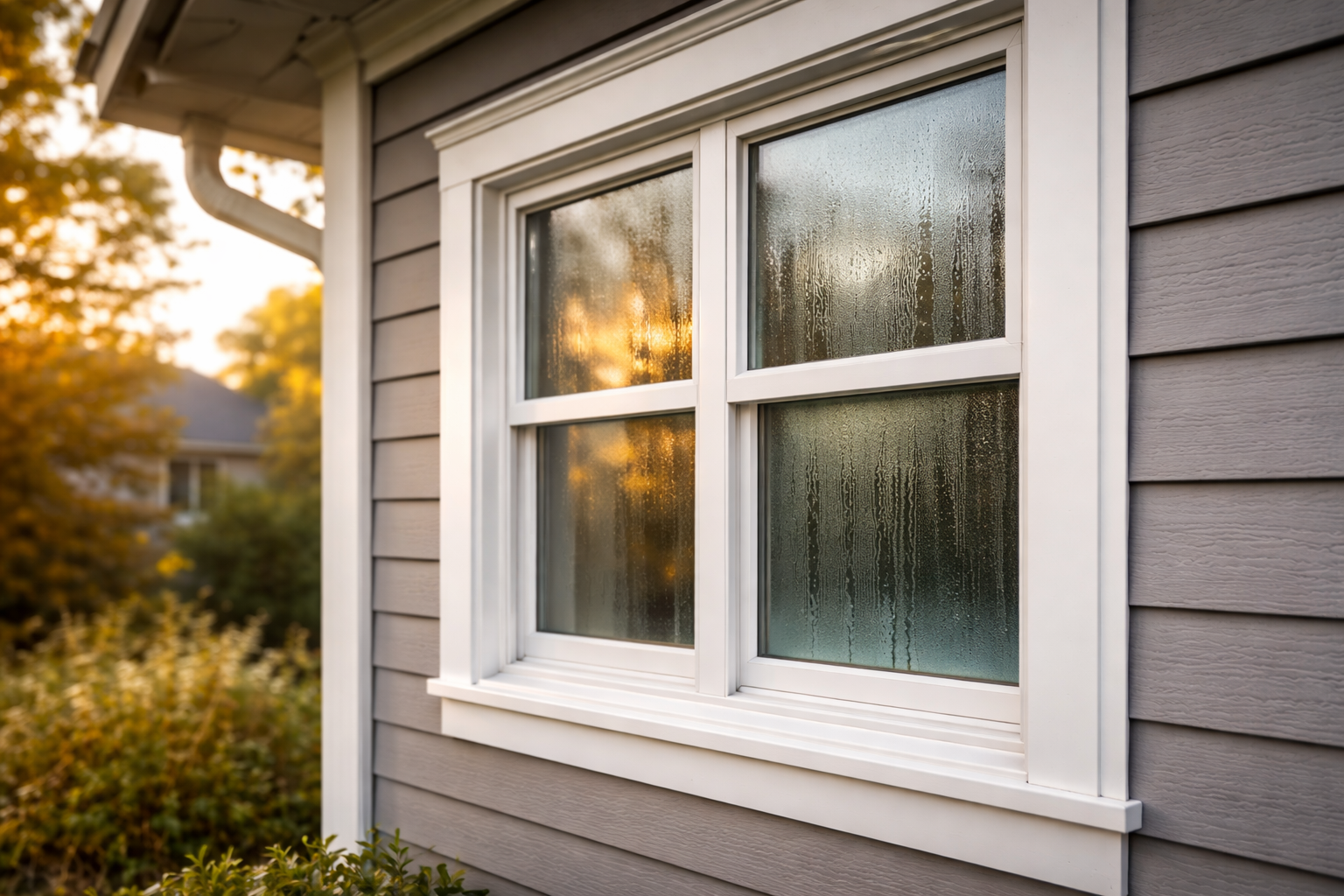
If a window seal fails, the gas escapes and you may notice:
- fogging between panes
- cloudy or hazy glass
- worsening insulation
- hotter rooms near that window
Which brings us to…
Seal Failure: A Common Arizona Window Problem
Arizona’s heat + temperature swings are rough on seals.
If you’re seeing:
- fog between panes
- “sweaty” windows
- distortion or cloudiness
- cracks or gaps in caulking
- drafts around the window
- air leaks causing drafts and reduced efficiency
…it may be time for replacement.
Old seals = lost efficiency = higher cooling bills. Replacing your existing windows with properly sealed units can eliminate air leaks and restore comfort.
Frame Types: Vinyl vs Fiberglass vs Aluminum in Arizona
Glass matters, but frames matter too — especially when surfaces heat up. Choosing the right window frame materials is crucial for insulation, energy efficiency, and overall performance in Arizona’s extreme climate.
Aluminum frames are common, but they conduct heat easily, which can make them less energy efficient in the desert sun. While they’re durable and low-maintenance, they may not be the best choice for keeping your home cool.
When comparing the best window frame materials for Arizona, high quality vinyl windows stand out for their durability, UV resistance, and energy efficiency. These windows, especially those made with virgin vinyl frames, are engineered to withstand harsh sun and temperature swings, making them a reliable choice for Arizona homes. Wood frames, including wood grain surfaces and wood clad doors, offer a natural look and visual authenticity, appealing to homeowners who value style and the classic appearance of real wood interiors. Each material—vinyl, wood, and aluminum—offers different benefits, so consider your climate, maintenance preferences, and aesthetic goals when choosing window frame materials.
Vinyl frames (common + good value)
✅ Pros:
- Affordable
- Good insulation
- Low maintenance
- Doesn’t conduct heat like metal
⚠️ Cons:
- Can warp or soften in extreme heat if low quality
- Dark colors can absorb more heat
Verdict: High-quality vinyl performs well in AZ. Cheap vinyl can fail sooner.
Fiberglass frames (premium + heat-resistant)
✅ Pros:
- Extremely durable in heat
- Resists warping
- Very strong (great for big windows)
- Great insulation
⚠️ Cons:
- Higher cost
Verdict: Fiberglass is often the best long-term performer for Arizona heat.
Aluminum frames (not ideal unless thermally broken)
✅ Pros:
- Strong and sleek
- Great for modern aesthetics
⚠️ Cons:
- Conducts heat easily
- Can make interior surfaces feel hotter
- Less efficient unless it includes a thermal break
Verdict: If you choose aluminum, make sure it includes thermal breaks and strong insulation ratings — otherwise it can increase heat transfer.
UV Resistance: Protect Your Furniture, Flooring, and Skin
Arizona sun can fade and damage:
- hardwood and laminate flooring
- carpets and rugs
- couches and curtains
- artwork and wall paint
To help protect your interiors, consider window coverings like cellular shades. Cellular shades feature a honeycomb design that provides excellent insulation, improves thermal efficiency, and can help reduce energy costs during both heating and cooling seasons.
And it happens faster than many homeowners realize.
What to prioritize for UV protection
- Low-E glass with strong UV blocking
- Optional tinting for extreme exposure
- Window coverings (but remember: blocking light doesn’t always block heat unless glass is designed properly)
A window with good UV resistance helps you:
- protect your home’s interior
- reduce glare
- improve comfort
The Best Window Setup for Arizona Heat (Quick Recommendation)
If you want the best window performance for 110°+ weather, here’s the simplest “great” formula:
- Double-pane
- Low-E coating designed for hot climates
- Low SHGC (ideally ~0.20–0.30)
- Argon gas fill
- Quality fiberglass or high-grade vinyl frame
- Warm-edge spacers + strong seals
Reviewing all the options for window features—such as glass type, frame material, and window coverings—can help you maximize energy savings in Arizona homes. That combination is usually enough to deliver a noticeable difference in:
- comfort
- temperature balance
- AC runtime
- energy costs
- indoor fading/glare
Common Arizona Window Mistakes (That Homeowners Regret)
1) Choosing windows based on looks instead of SHGC
Black frames are popular — but if the specs aren’t right, you’ll feel it.
2) Buying “energy efficient” windows with too-high SHGC
A window can be Energy Star-rated and still not be ideal for Arizona.
3) Ignoring installation quality
Even a perfect window performs poorly if installed incorrectly.
4) Replacing windows but ignoring the sun-facing side strategy
Many homes benefit from prioritizing the west and south sides first if budget is limited.
Installation Matters More Than Most People Think
Window replacement isn’t just about the window product — it’s about:
- sealing
- insulation
- flashing
- alignment
- weatherproofing
- structural fit
Professional window installation is crucial for optimal window performance, energy efficiency, and long-term durability.
A bad install can lead to:
- leaks during monsoon storms
- drafts and air leakage
- premature seal failure
- water intrusion and mold risk
- rattling or poor operation
That’s why Reimagine Roofing & Construction focuses on high-quality installs with proper weatherproofing, designed specifically for Arizona homes.
We also offer patio door replacement services, ensuring the same high standards and seamless process when you need your patio door replaced.
✅ Get a free window inspection and expert recommendation.
Arizona Monsoon Season: Why Old Windows Leak (Even If the Glass Is Fine)
During monsoon season, wind-driven rain can exploit:
- cracked caulk
- broken seals
- poor flashing
- gaps around the frame
If you’ve ever noticed water stains near your windows, bubbling paint, or musty smells — don’t ignore it.
Window leaks can lead to:
- drywall damage
- rot
- mold growth
- insulation breakdown
- rising cooling costs
Leaks can compromise the structural integrity and comfort of your entire house, making timely replacement especially important.
Replacing windows the right way can prevent all of that — and improve year-round comfort.
How Much Do New Windows Help With Cooling Costs in Arizona?
Savings vary depending on:
- how old your windows are
- how much sun exposure you get
- whether you have single-pane glass
- how leaky your current frames are
- whether you choose the right SHGC + Low-E
Homeowners can get a great price on replacement windows arizona and save on energy bills over time, making window replacement a smart investment for both comfort and cost savings.
What most homeowners experience:
- noticeable comfort improvement in sun-facing rooms
- reduced AC runtime (especially afternoons)
- fewer temperature swings from room to room
- improved humidity control (less hot air leaking in)
Even if your bill doesn’t drop overnight by a dramatic amount, most homeowners say the biggest impact is comfort — which becomes priceless in a Phoenix summer.
Frequently Asked Questions About Replacement Windows in Arizona
Are triple-pane windows worth it in Arizona?
Sometimes. They can be worth it for noisy streets, big west-facing glass, or “forever homes,” but double-pane with proper Low-E and low SHGC is often the best value.
What’s the best glass for Arizona heat?
Look for Low-E glass optimized for hot climates and a low SHGC. That combination blocks radiant heat and reduces heat gain.
Should I tint my windows instead?
Tinting can help with glare and heat, but it’s usually not as effective as replacing old single-pane or failing double-pane windows with a modern Low-E system — especially if seals and frames are leaking air.
Why do my windows feel hot to the touch?
That’s often radiant heat transfer through glass or heat conduction through the frame (especially aluminum). Better glass coatings and insulated frames fix this.
What’s better: vinyl or fiberglass windows in Arizona?
Fiberglass is generally the best long-term performer in extreme heat, but high-quality vinyl can still perform very well and is often more budget-friendly.
Why Homeowners Choose Reimagine Roofing & Construction for Window Replacement
Arizona homeowners don’t just need “new windows.” They need windows that are built to perform in:
- extreme heat
- intense UV exposure
- dust and wind
- monsoon rain
At Reimagine Roofing & Construction, we help you choose the right solution for your home — without upselling what you don’t need. Whether you want maximum heat reduction, improved comfort in sun-facing rooms, or better energy efficiency year-round, we’ll walk you through the best options for your budget.
✅ Ready for windows that actually work in 110°+ heat?
Get a free inspection and a fast quote (often in under 24 hours).
We’ll evaluate your current windows, identify problem areas, and recommend the best window setup for your home and sun exposure.
Contact Reimagine Roofing & Construction today to schedule your free window inspection and estimate.
The Best Windows for Arizona Heat Aren’t Just “Energy Efficient”
They’re optimized for solar control.
If you take only one thing from this guide, make it this:
In Arizona, SHGC + Low-E matter more than almost anything else.
Pair that with a strong frame material, sealed installation, and the right glass package, and you’ll feel the difference — especially during the hottest part of the day.
And if you want help choosing the best window option for your home, Reimagine is here to make it simple.
✅ Free inspection. Fast quote. Real comfort.
Popular Posts