AC On, Still Hot? The Window Heat Gain Problem
AC On, Still Hot? The Window Heat Gain Problem
Why Your House Feels Hot With AC On: The Window Heat Gain Problem
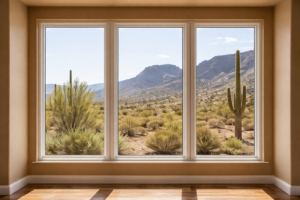
If you live in Arizona, you’ve probably experienced this exact frustration:
Your AC is running. The thermostat says it’s set to 74°. The vents are blowing cold air. And yet… your home still feels hot.
Here’s the truth: your air conditioner might not be the problem at all. In many Arizona homes, the real culprit is window heat gain — the silent, constant flow of heat into your house through glass, frames, and gaps. When windows are not energy efficient, the air conditioning system has to work much harder to keep your home cool, leading to higher energy bills and more wear on your HVAC equipment.
This blog will break down why your home can feel hot even with the AC on, the biggest myths homeowners believe about cooling, and the exact window issues that make your AC fight a losing battle. Modern windows with advanced insulating features can significantly improve energy efficiency and help keep homes comfortable even during Arizona’s extreme heat.
And if you want help identifying the problem fast, Reimagine Roofing & Construction can inspect your windows and recommend the right fixes — whether you need a simple sealing upgrade or full window replacement.
✅ Get a free inspection and a fast quote (often in under 24 hours).
Why Your House Can Feel Hot Even When the Air Is Running
A lot of people assume:
“If my AC is working, the house should feel cool.”
But comfort isn’t just about the temperature on a thermostat. It’s about:
- the radiant heat you feel on your skin
- the air leakage that creates hot pockets
- the solar heat pumping in through glass
- the humidity and airflow balance
- how quickly your home reheats after cooling
Using window treatments and other strategies to reduce solar heat gain is essential for keeping your home cool, especially in hot climates like Arizona.
In Arizona’s extreme sun, your windows can act like heat transmitters. Even if the AC can technically cool the air, it may not keep up with the constant heat entering through:
- sunny windows
- broken seals
- gaps around frames
- poorly installed flashing and insulation
- single-pane or outdated double-pane glass
So you end up with a situation where:
✅ The AC is producing cold air ❌ The home still feels hot and uncomfortable
The Window Heat Gain Problem: A Simple Explanation
Window heat gain means heat from outside is entering your home through the windows. It happens in two major ways:
First, solar radiation passes through window glass, allowing sunlight to enter and warm interior surfaces, which increases indoor temperatures. Using effective strategies to block heat—such as window treatments or exterior barriers—can prevent this heat gain before it enters your home, reducing the load on your cooling system.
1) Solar heat gain (sunlight heating the glass)
Sunlight carries energy. When it hits window glass, some of that energy:
- reflects away (good)
- gets absorbed by the glass
- passes through into your room as heat (bad, in AZ summer)
The amount of solar radiation that passes through a window is measured by the solar heat gain coefficient (SHGC). A lower SHGC means less solar heat enters your home, which is crucial for minimizing unwanted heat gain, especially in hot climates. Visible transmittance is another important window rating that indicates how much natural light passes through the glass, helping you balance daylighting benefits with heat gain.
2) Air leakage + conduction
Even if the glass is decent, heat can still enter because of:
- gaps between the frame and wall
- worn weatherstripping
- cracked caulk
- poor insulation around the opening
- heat transfer through frames (especially aluminum)
- frames that lack insulated frames are more prone to heat transfer
Using insulated frames and materials designed for reducing heat transfer can significantly improve window performance in hot climates.
This is why “nice-looking” windows can still be a major comfort problem.
Myth #1: “If It’s Hot Inside, My AC Is Too Small”
This is one of the most common myths in Arizona.
Yes — some homes do have undersized AC units. But many homeowners replace or upgrade their HVAC system without fixing the real issue: the building envelope, especially windows.
Here’s what happens when windows are the real problem:
- The AC runs longer and harder.
- You still get hot rooms.
- Your energy bills go up.
- The new AC wears out faster.
It’s like trying to cool a house with the front door cracked open.
How to tell if it’s windows (not your AC)
If your home feels hottest:
- late afternoon / evening
- in rooms with large windows
- on the west or south side
- near glass that feels warm to the touch
…it’s very likely a window heat gain issue. Homeowners should assess their current windows for signs of heat gain and inefficiency, as older or poorly performing windows can contribute significantly to indoor overheating.
Myth #2: “My Windows Are Double-Pane, So They’re Efficient”
Double-pane windows can be efficient — if they’re intact and properly installed. Double-pane windows provide better insulation than single-pane windows.
But in Arizona, many double-pane windows fail over time due to:
- extreme heat
- expansion and contraction
- UV exposure
- aging seals
- improper installation
Triple-pane windows offer superior insulation and are considered a high-performance window option, especially for extreme climates like Arizona. However, even the best windows require quality installation to ensure they perform as intended and deliver maximum energy efficiency.
When a seal fails, the window may lose its insulating gas (like argon), and performance drops dramatically.
Signs your double-pane windows aren’t working anymore
- fog or haze between panes
- condensation inside the glass unit
- noticeable drafts
- rooms that heat up quickly near windows
- glass that feels hot inside during peak sun hours
Even if the window “looks fine,” the performance might be gone.
Myth #3: “Closing the Blinds Fixes Window Heat Gain”
Blinds help with glare. They help with light. But they don’t always solve the heat problem.
Why? Because once solar energy passes through the glass, it becomes trapped in the room as heat — even if the blinds block direct sunlight.
Blinds can reduce the “sunbeam” effect, but if your window has high solar heat gain, the glass itself will still radiate heat inward.
To address this, consider window coverings like cellular shades, which are designed for better insulation and energy efficiency. Insulated cellular shades contain one or more air layers in a honeycomb cross-section, which can reduce unwanted solar heat through windows by up to 60%. Using light-colored window treatments can also help reflect more light and heat out of the window. Insulated cellular shades are typically considered to have the highest R-values of all window coverings, making them one of the most effective options for improving thermal efficiency.
Better fixes than blinds alone
- Low-E glass designed for hot climates
- lower SHGC windows
- reflective coatings
- window film (can significantly reduce heat gain and glare)
- exterior shutters (can be installed outside windows to block heat before it reaches the glass)
- exterior shading or solar screens
- sealing air leaks around frames
Myth #4: “Tint Is the Same as Energy-Efficient Windows”
Window tint can help — but it’s not always enough, especially if:
- your seals are broken
- your frames leak air
- you have single-pane windows
- your windows were poorly installed
Tint is like putting sunglasses on your house. It can help with glare and some heat, but it won’t fix:
- gaps around the frame
- failed glass insulation
- conductive frames
- leaking air pockets
For better results, low emissivity (Low-E) coatings are designed to reflect heat by reflecting infrared and ultraviolet rays, reducing heat transfer while still allowing visible light to pass through. These coatings help reflect heat and improve window efficiency, especially in hot climates like Arizona.
For many Arizona homes, tint is a band-aid when replacement or sealing is the real solution.
Radiant Heat: Why You Feel Hot Even When the Air Is Cool
Radiant heat is the “heat you feel” — not necessarily the air temperature.
It’s the same concept as standing near:
- a campfire
- a hot oven
- a sunny window
Even if the air around you is cool, radiant heat can make you feel warm and uncomfortable. Installing new windows with advanced insulation can help block radiant heat and also reduce outside noise, improving overall comfort in your home.
Why windows create radiant heat
When sun hits a window:
- the glass heats up
- the heat radiates into the room
- your body absorbs that radiant heat
So you might be sitting on the couch thinking:
“Why do I feel sweaty? The thermostat says 74°.”
Because the window is radiating heat directly into the space.
This effect is strongest with:
- large picture windows
- west-facing windows
- older glass with high solar gain
- windows without Low-E coatings
Upgrading to energy-efficient windows can make a noticeable difference in reducing radiant heat and improving comfort.
West-Facing Windows: The #1 Reason Homes Overheat in AZ
If you only remember one thing from this blog, make it this: West-facing windows are particularly problematic in the afternoon when the sun is at its hottest. During cooling seasons, these windows are especially challenging because they receive the most intense sunlight in the afternoon, leading to increased solar heat gain and making it harder to keep your house cool with the AC on.
West-facing windows are the hottest windows in Arizona.
Why?
Because they get hit with direct sun during the hottest part of the day — when outdoor temps are already high, and your AC is working hardest.
West-facing windows often cause:
- overheated bedrooms in the evening
- living rooms that “cook” after 3 PM
- uneven temperatures throughout the house
- constant AC cycling or nonstop running
If your home is comfortable in the morning but miserable later, west-facing glass is a prime suspect.
Broken Window Seals: The Hidden Failure That Raises Your AC Bill
Modern insulated windows rely on a sealed airspace (often filled with argon or krypton gas). That seal is what makes them efficient.
Homeowners should assess their existing windows for signs of seal failure and inefficiency, especially if they have older or single-pane models, as these can allow precious cool air to escape and superheated outdoor air to infiltrate.
But seals don’t last forever — and Arizona heat accelerates seal failure.
What happens when a window seal breaks?
- insulating gas escapes
- moisture enters
- performance declines
- radiant heat increases
- your AC runs longer
How to spot a broken seal
- fogging between panes
- cloudy “dirty” appearance that won’t wipe off
- distortion between panes
- condensation trapped inside
Broken seals are one of the most overlooked reasons a home stays hot.
Poor Window Installation: Great Windows Can Still Perform Badly
Even the best window on the market performs poorly if it’s installed wrong. Proper installation is essential to ensure windows are installed correctly and perform as intended. Even high-quality, energy-efficient windows will not deliver their full benefits unless they are installed correctly.
Bad installation can create:
- air gaps
- uninsulated cavities
- moisture intrusion risk (especially in monsoon storms)
- misalignment causing leaks and drafts
- premature seal and frame failure
Signs of poor installation
- you feel air movement around the window edges
- the window rattles when it’s windy
- visible gaps between trim and frame
- caulk is cracking or separating
- water stains near the window during heavy rain
If you’ve replaced windows before and the home still runs hot, the issue may be installation — not the product.
Gaps Around Window Frames: The “Invisible Leak” Letting Heat In
Air leakage is one of the biggest comfort killers in Arizona.
When your home has small gaps around windows, hot air can creep in constantly, while cool air leaks out.
Even tiny gaps add up because:
- your AC must cool new hot air entering the home
- the home reheats quickly
- you get hot zones near windows and doors
Common places windows leak air
- between the frame and the wall opening
- worn weatherstripping on operable windows
- cracked caulk on exterior edges
- corners of the frame
- where the sill meets the wall
If you want a quick DIY test:
- hold your hand near the frame on a hot day
- feel for temperature differences or airflow
- use a candle or incense on a windy day to detect movement
But the most reliable method is a professional inspection (and sometimes a thermal camera scan).
Why One Room Is Always Hotter Than the Rest
This is one of the most common homeowner complaints:
“Every room cools down except this one.”
That room is usually:
- west-facing
- has a big window
- has older or damaged glass
- has air leaks
- has poor insulation around the opening
It can also be amplified by:
- vaulted ceilings
- insufficient attic insulation
- poor airflow or ducting
But in many cases, the biggest driver is window heat gain.
The Most Common Window Types That Struggle in Arizona Heat
Single-pane windows
These are the worst for Arizona. They transfer heat easily and offer little insulation.
Older double-pane windows (especially with failing seals)
They may have been efficient once, but their performance degrades over time.
Aluminum frame windows without thermal breaks
Aluminum conducts heat quickly. Without a thermal break, it can act like a heat bridge.
Builder-grade windows
Some newer homes still have builder-grade windows that meet minimum standards but don’t perform well in extreme heat.
How to Fix Window Heat Gain Without Replacing All Your Windows
Not everyone wants (or needs) a full window replacement right away. Depending on your home, you may reduce heat gain with:
- Upgrading to double-pane or low-E windows
- Adding window film
- Installing insulated curtains or shades
- Having your patio door replaced by professionals to ensure optimal performance, weatherproofing, and durability
When considering upgrades, do some window shopping and compare performance ratings like SHGC and visible transmittance to find the most energy-efficient options for hot climates.
1) Re-caulking + sealing around frames
Great for older windows with air leaks.
2) Weatherstripping replacement
Especially for sliding or operable windows.
3) Solar screens
Effective for west-facing windows.
4) Shade solutions
Exterior awnings, shutters, or landscaping shade can reduce direct solar exposure.
5) Upgrading specific problem windows first
Many homeowners see big results replacing:
- west-facing living room windows
- large picture windows
- sliding glass doors
- bedrooms that stay hot at night
At Reimagine Roofing & Construction, we can help you prioritize the best ROI approach — so you don’t replace windows you don’t need to.
✅ Get a free inspection and recommendations tailored to your home’s sun exposure.
When It’s Time to Replace Your Windows (Not Just Seal Them)
Sealing helps if:
- the window is still structurally sound
- the glass unit isn’t failing
- you mainly have air leakage
For Arizona homeowners, windows can significantly impact energy bills due to their role in heat gain and loss. Upgrading to energy-efficient windows can reduce cooling costs, with potential annual savings between $126 and $465 when replacing single-pane windows with Energy Star-rated models. The payback period for energy-efficient windows can be shorter in hot climates like Arizona due to higher cooling demands. Additionally, energy-efficient windows can increase property value and curb appeal, making them a smart investment.
Replacement becomes the best option if:
- seals are broken
- glass is foggy
- frames are warped
- you have single-pane glass
- the windows are outdated and high solar gain
- repairs won’t restore performance
The best replacement windows for Arizona heat should include:
✅ Low-E glass for hot climates
✅ Low SHGC rating
✅ Argon gas fill
✅ High-quality vinyl or fiberglass frames
✅ Strong installation + insulation + flashing
✅ Triple-pane windows for superior insulation, which helps save energy and improve comfort in extreme climates like Arizona
What Specs Matter Most for Arizona Heat? (Quick Breakdown)
When comparing windows, look for:
- U-factor (measures how well a window prevents heat from escaping)
- Solar Heat Gain Coefficient (SHGC, measures how much heat from sunlight passes through)
- Low-E coatings (reduce infrared and ultraviolet light without compromising visible light)
- Air leakage ratings (lower numbers mean less air passes through)
- Light transmission properties, which indicate how much natural light enters while helping control heat and glare—choosing the right light transmission helps balance brightness and temperature.
SHGC (Solar Heat Gain Coefficient)
Lower = less heat enters.
For Arizona, you generally want low SHGC.
Low-E coatings
Make sure they’re designed for hot climates.
U-Factor
Lower = better insulation.
Useful, but in AZ, SHGC is often the bigger deal.
Frame material
Fiberglass and high-quality vinyl are strong choices.
Seal quality + warranty
Arizona heat tests seals aggressively — don’t skip warranty details.
UV Resistance and Protection: Shielding Your Home from Arizona’s Harsh Sun
Arizona’s extreme heat and intense solar radiation don’t just make your home feel hotter—they can also wreak havoc on your interiors. Prolonged UV exposure from the sun can cause your furniture, flooring, and curtains to fade, making rooms look tired and worn long before their time. Even more importantly, those invisible UV rays can increase your risk of skin damage and related health concerns, especially in rooms that get a lot of direct sunlight.
That’s where energy efficient windows come in. Modern energy efficient windows are engineered to block a significant portion of harmful UV radiation, even while allowing visible light to brighten your space. By reducing the amount of intense solar radiation that enters your home, these windows help protect your belongings from fading and your family from unnecessary UV exposure—all while keeping your home cooler during Arizona’s extreme heat.
Choosing windows with strong UV resistance isn’t just about comfort; it’s a smart investment in your home’s longevity and your family’s well-being. With the right energy efficient windows, you can enjoy natural light without the worry of sun damage, lower your cooling costs, and create a safer, more comfortable indoor environment year-round.
How Much Cooler Will Your Home Feel With Better Windows?
Every home is different, but homeowners commonly report:
- cooler rooms in late afternoon
- less “hot glass” feeling near windows
- less AC runtime during peak sun
- reduced hot spots
- improved comfort throughout the home
In many cases, the biggest benefit is comfort and stability — not just energy savings.
FAQ: Window Heat Gain in Arizona Homes
Why does my house feel hot even when the thermostat says 72°?
Because comfort is affected by radiant heat and solar gain. If windows are heating up, they radiate heat into the room even when air temp is cool.
Why do west-facing rooms get hotter?
West sun hits during the hottest part of the day, creating major solar heat gain.
Can broken seals make a window hotter?
Yes. Seal failure reduces insulation and increases heat transfer through the glass.
Is replacing windows worth it in Arizona?
If you have single-pane windows, failing seals, or major solar gain issues — yes. The comfort improvement alone is often worth it.
Why Reimagine Roofing & Construction Is the Right Partner for Arizona Window Upgrades
Arizona homes need windows that can handle:
- intense sun
- extreme temperatures
- UV exposure
- dust and wind
- monsoon rain
At Reimagine Roofing & Construction, we focus on the full solution — not just the product. That means:
- identifying the true cause of overheating
- checking seals, frames, and installation quality
- recommending the right glass + SHGC + Low-E setup
- ensuring proper sealing and weatherproof installation
- delivering fast, clear quotes without pressure
✅ Ready to stop fighting your windows?
Schedule a free window inspection today and get a fast quote (often in under 24 hours).
Whether you need sealing improvements, targeted replacement on the hottest side of your home, or a full window upgrade, Reimagine will help you choose what works best for your budget and your comfort.
Your AC Can’t Win Against Bad Windows
If your house feels hot even with the AC on, it’s not always an HVAC problem.
In Arizona, the most common causes are:
- radiant heat through glass
- west-facing solar gain
- broken seals
- poor window installation
- gaps and air leaks around frames
Fix the window heat gain problem, and your AC suddenly has a fighting chance — and your home finally feels like the cool refuge it’s supposed to be.
Popular Posts