7 Signs of Microburst Roof Damage
7 Signs of Microburst Roof Damage
7 Signs of Microburst Roof Damage (Even If You Don’t See Missing Shingles)
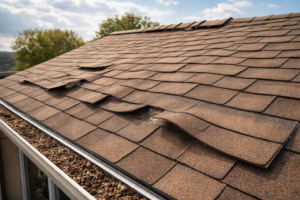
Microbursts are one of the most underrated roof-damaging weather events—and one of the easiest to miss.
After a big storm, many homeowners step outside, glance at the roofline, and think, “Looks fine.” There are no giant holes. No obvious missing shingles. And no tree on the house. So they move on.
But with microbursts, the damage isn’t always dramatic. It’s often subtle, scattered, and structural—and it can turn into leaks weeks later, right when the next storm hits. Microbursts are caused by an intense downdraft from a thunderstorm, which can have a significant potential impact on roofs and property.
If you’re in a storm-prone area (especially places that get sudden high winds during monsoon season), this guide is for you. While microbursts can cause damage similar to other severe storms like straight-line winds or tornadoes, their wind patterns and effects are unique. We’ll explain what a microburst is, why roofs are vulnerable, and the 7 most common signs your roof took a hit—even if it looks okay from the ground.
And if you want certainty, Reimagine Roofing & Construction can help you catch damage early before it turns into expensive repairs.
✅ Get a free roof inspection and a fast estimate (often in under 24 hours).
What Is a Microburst (and Why It’s So Hard on Roofs)?
A microburst is a powerful, localized downdraft from a thunderstorm that hits the ground and spreads outward in all directions. Microbursts form when heavy precipitation within a thunderstorm rapidly cools the air, causing an intense downdraft that accelerates toward the ground. This rapid development of violent downdrafts is triggered by rain evaporation and strong atmospheric instability, especially during summer storms in southeastern Minnesota. Instead of wind swirling like a tornado, microburst winds slam downward and then blast sideways across neighborhoods, often in a concentrated path.
When these intense downdrafts hit the ground, they typically affect areas less than 2.5 miles in diameter and last between 5 and 15 minutes. The wind direction is straight-line, not rotating, but wind speeds in microbursts can reach 100–120 mph and sometimes exceed 150–168 mph.
That’s why microbursts can do this weird thing where:
- one street has fences down and roof damage
- the next street looks almost untouched
Microbursts can cause significant roof damage to commercial properties, particularly those with flat or low-slope roofs, due to the severity of the wind and the concentrated impact of these violent downdrafts.
Why microbursts are rough on roofs
Roofs are built to shed water and resist normal wind loads—but microbursts can create:
- sudden uplift at roof edges and ridgelines
- intense pressure differences that loosen fasteners
- shingle creasing and seal breaks
- flashing separation
- gutter and fascia damage
- physical damage to roofing materials, including peeling away roofing materials and dislodging HVAC units
The most immediate threat from a microburst is physical destruction to roofing structures, which can include severe damage to roofing materials and even the displacement of heavy rooftop equipment.
Even if you don’t lose shingles, a microburst can weaken the system in ways that show up later as:
- leaks
- blown-off sections in the next storm
- mold and rot from slow water intrusion
The Big Mistake Homeowners Make After a Microburst
The most common post-storm assumption is:
“If I don’t see missing shingles, my roof is fine.”
But microburst damage often shows up as lifted, loosened, creased, or unsealed shingles—and those issues are hard to see without getting up close (and safely). It’s important to look for obvious signs and visible signs of damage, such as water stains, leaks, or other noticeable issues, not just missing shingles.
That’s why professional inspections matter after significant wind events.
✅ Reimagine Roofing & Construction offers free roof inspections and can document what we find so you have clear next steps.
Regular maintenance and timely repairs are essential to prevent issues from being left unaddressed, which can lead to more extensive damage over time.
Regular maintenance keeps your roof in good condition and extends its lifespan.
7 Signs a Microburst Damaged Your Roof
1) Lifted or “Unsealed” Shingles (They Look Flat… Until They Don’t)
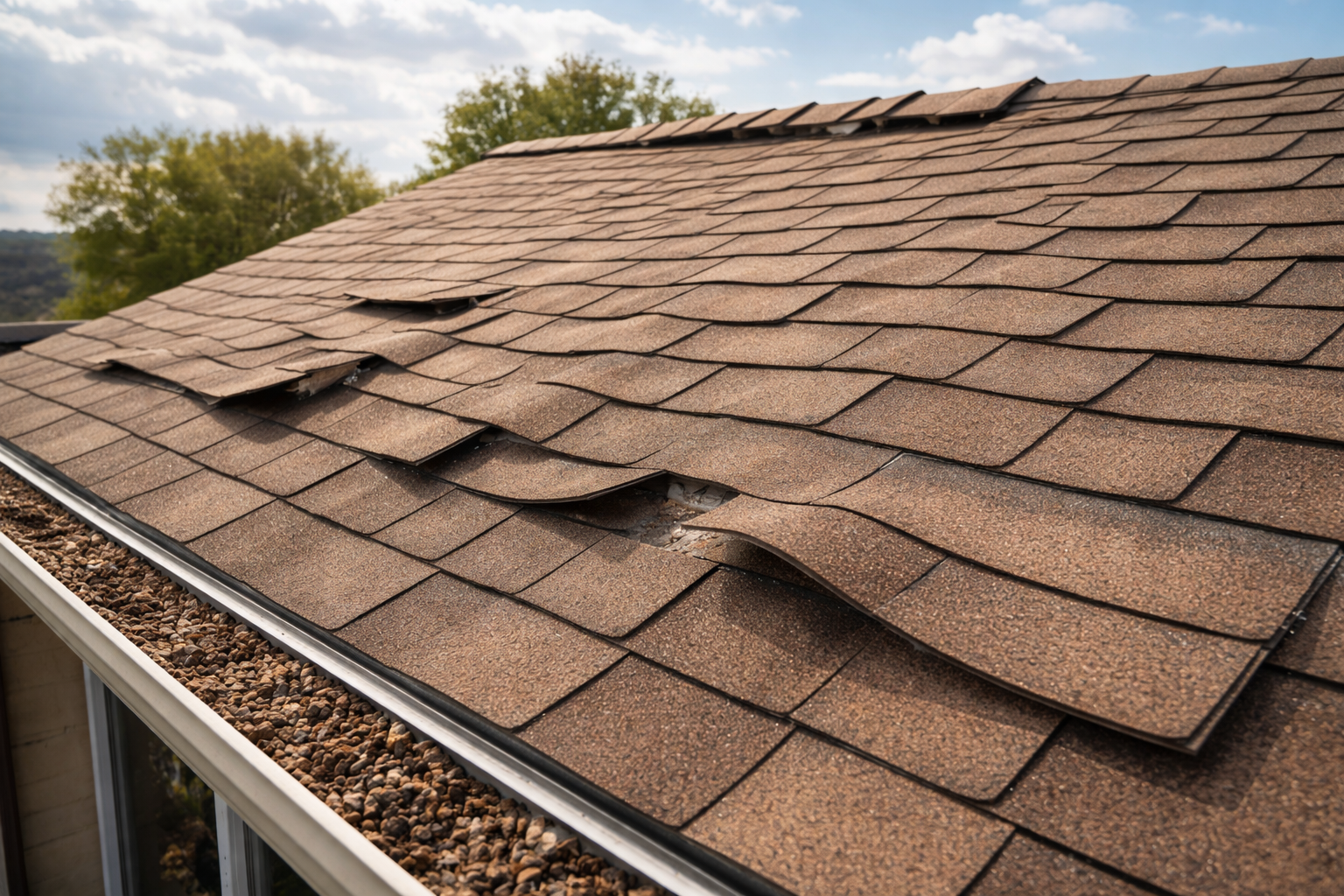
Shingles are supposed to be adhered to the shingle below with a seal strip. In a microburst, sudden uplift can break that seal without ripping the shingle off. Individual shingles, especially on asphalt shingle roofs, are particularly vulnerable at overlap points, making them more susceptible to wind damage.
From the ground, the roof can look normal—yet shingles may be:
- slightly raised at corners
- not fully bonded
- flapping during windy conditions
- loose shingles, which can result from improper installation or aging, are a sign of wind damage
Missing shingles are a clear indicator of wind damage that exposes the underlayment to water. Lifted, curled, or buckled shingles can also indicate wind damage and may lead to leaks if not repaired.
Why this matters
Unsealed shingles are vulnerable. The next wind gust can catch the edge and:
- peel the shingle back
- tear it
- allow wind-driven rain underneath
What to look for from the ground:
- uneven shingle lines
- slight shadowing where edges are lifted
- fluttering shingles during wind
Pro tip: If you can hear a “tapping” sound during wind, that can be shingles lifting and settling.
2) Creased or “Bruised” Shingles (Wind Damage That Doesn’t Look Like Wind Damage)
One signature of wind damage is shingle creasing—a visible line or bend where the shingle was lifted and flexed. Sometimes it’s obvious; other times it’s subtle but still serious. In addition to the force of the wind itself, flying debris during a microburst can strike the roof, causing shingles to lose granules or even become punctured, which leads to further roof damage. Other factors, such as weak points in the roof structure and environmental conditions, can also increase the vulnerability of asphalt roofs during severe wind events. High-speed winds in microbursts can propel debris that punctures shingles, compounding the overall damage to the roof.
Why creasing is a big deal
A creased shingle is compromised. Even if it lays back down:
- the asphalt mat may be cracked
- granules may loosen
- water can penetrate along the crease line
Over time, creasing can lead to:
- leaks
- shingle delamination
- premature aging in that area
What to look for:
- shingle tabs that look slightly “folded”
- horizontal lines or bends
- patches that look uneven in texture
This often shows up near:
- edges
- ridgelines
- corners where uplift forces are strongest
3) Granule Loss in Streaks or Patches (Your Roof’s “Sunscreen” Getting Blown Off)
Granules protect shingles from UV and help them shed water. Microburst winds can accelerate granule loss, especially if shingles were lifted and rubbed against each other. Granule loss is especially common on asphalt shingles after severe weather events, including hail damage. Granule loss on asphalt shingles is a significant indicator of wind damage, as it exposes the underlying layers and increases the risk of leaks and further deterioration.
What granule loss looks like:
- bald-looking shingle spots
- streaks where shingle tabs lifted and scraped
- granules collecting in gutters or downspout exits
Why it matters
Granule loss means:
- faster UV degradation
- shorter roof lifespan
- more vulnerability to cracking and leaks
Easy homeowner check: Look at the bottom of downspouts after a storm. If you see a noticeable pile of shingle granules, that’s a clue something happened up top.
4) Ridge Cap Damage (The Most Common “Microburst Hot Spot”)
Ridge caps sit at the highest point of the roof and are often the first to feel uplift pressure.
In microbursts, ridge caps can:
- loosen
- crack
- shift
- partially detach
- expose nail heads
What to look for:
- ridge pieces that look misaligned
- gaps along the ridge line
- lifted corners
- missing cap shingles (sometimes just 1–2)
Why ridge damage is urgent
The ridge is a prime entry point for water, especially in wind-driven rain. Even small separations can allow moisture into the attic space.
If you notice ridge issues, it’s smart to inspect quickly.
✅ Reimagine Roofing & Construction can inspect ridge caps and re-secure or replace damaged sections before the next storm.
5) Flashing Separation (Leaks That Start at the Metal, Not the Shingles)
Flashing is the metal (or similar material) installed around:
- chimneys
- skylights
- vents
- roof-to-wall transitions
- valleys
Microbursts can loosen flashing by:
- lifting shingles around it
- flexing the roof deck slightly
- pulling at sealants and fasteners
What flashing damage looks like:
- lifted edges
- bent sections
- visible gaps
- dried/cracked sealant that suddenly pulled away
Damaged flashing is a common sign of roof damage after severe weather, such as microbursts, and can lead to water intrusion and costly repairs.
Regular inspections by a professional roofing contractor are essential to identify and address flashing damage caused by microbursts before it escalates.
Why this leads to “mystery leaks”
Flashing leaks often show up as:
- stains near ceiling edges
- damp spots around vents
- leaks that appear only during wind-driven rain
These are some of the most frustrating leaks—because they aren’t always directly under the visible damage.
6) Gutters, Fascia, and Soffit Damage (The Roof System’s “Border” Taking the Hit)
Microbursts don’t just hit shingles. They hammer the edges of your roof system.
Look for:
- gutters pulling away from the house
- dented or twisted gutter runs
- fascia boards loosening
- soffit panels rattling or dropping
- downspouts bent or disconnected
- physical damage to gutters and downspouts, such as bending, sagging, or detachment, which can lead to water damage
To help prevent microburst roof damage, regularly trim overhanging branches to reduce the risk of wind damage to your roof.
Why edge damage matters
Roof edges are where wind uplift begins. If microbursts were strong enough to move gutters or fascia, your roof likely experienced intense forces.
Also, loose gutters can create secondary problems:
- water spilling behind gutters
- fascia rot
- erosion near foundations
- interior leaks along roof edges
7) Interior Warning Signs (Because Not All Damage Shows Outside)
Sometimes the first clear sign of microburst roof damage is inside your home—especially after the next rain. Some damage may not be visible from ground level, so it’s important to check for interior warning signs as well.
Look for:
- water stains on ceilings or walls
- musty smells in the attic
- damp insulation
- bubbling paint near rooflines
- dripping around vent pipes or skylights
- daylight visible in the attic
Water stains or leaks inside the home can indicate wind damage to the roof that needs immediate attention. Homeowners should look for internal indicators of roof damage such as water stains in ceilings, damp insulation, and daylight visible in the attic.
Important: leaks can be delayed
Microburst damage may not leak immediately if:
- the underlayment held temporarily
- rain didn’t hit at the right angle
- the next storm was the one that pushed water under lifted tabs
If you see interior signs, it’s worth acting fast.
✅ Reimagine Roofing & Construction can inspect, identify the entry point, and recommend the right repair path—often with a fast estimate in under 24 hours.
Microburst vs Tornado vs Straight-Line Winds: Why It Matters
Homeowners (and sometimes even neighbors) may call any severe wind event a “tornado.” But for roofs, the pattern matters because it affects:
- how damage spreads
- what areas are most vulnerable
- how insurance adjusters interpret cause and scope
After any major storm, it’s important to inspect your roof for different damage patterns, as microbursts, tornadoes, and straight-line winds each leave distinct marks.
Microburst signature:
- Debris and shingle damage radiate outward from a central point, creating a starburst pattern unique to microbursts
- Damage is often highly localized, sometimes affecting only one or two homes in a neighborhood
- Downed trees and fences typically fall in multiple directions, not just one
Microburst signature
- damage radiates outward
- concentrated path
- intense, sudden hit
- scattered roof and fence impacts
Tornado signature
- rotational damage patterns
- debris thrown in circular/spiral ways
- often more severe structural impacts
Straight-line wind
- consistent direction damage
- broad area affected
Regardless of cause, your next step is the same: inspect, document, and repair before more weather hits.
Emergency Response: What to Do in the First 24 Hours After a Microburst
Microbursts can cause significant damage to your home in a matter of minutes, especially when strong winds target your roof. The first 24 hours after a microburst are crucial for preventing further damage and ensuring your family’s safety. Here’s how to respond quickly and effectively:
Safety first: securing your home and family
Your top priority after a microburst is safety. Before inspecting your roof or property, check for immediate hazards such as downed power lines, scattered debris, or any signs of structural damage. Never approach or touch fallen power lines—these are extremely dangerous and should be reported to emergency services right away. Watch for sharp debris or unstable structures around your home, and keep children and pets away from affected areas. If you suspect any risk to your safety, contact a professional roofing contractor or emergency responders to assess the situation before proceeding.
Temporary protection for exposed areas
If you notice missing or lifted shingles, or if parts of your roof are exposed, it’s important to act fast to prevent water intrusion and further damage. Use tarps or heavy-duty plastic sheeting to cover any exposed sections of your roof, securing them with ropes or weights to keep them in place until permanent repairs can be made. Be careful not to put yourself at risk by climbing onto a damaged roof—if you’re unsure or the damage is extensive, call a reputable roofing contractor to handle temporary repairs safely. Quick action can help minimize repair costs and protect your home from additional water damage during the next storm.
When to call emergency services or professionals
If your home has suffered significant damage—such as a partially collapsed roof, major structural issues, or severe leaks—don’t hesitate to call emergency services. For less obvious but still serious issues, reach out to a professional roofer or insurance adjuster as soon as possible. These experts can help you document damage, guide you through the insurance claims process, and recommend the right repairs to protect your home from future storms. Remember to take photos and videos of all visible damage to support your insurance claims and make the claims process smoother. Scheduling regular inspections with a reputable roofing contractor can also help catch hidden problems early and ensure your roof is ready for whatever weather comes next.
By acting quickly and seeking professional help when needed, you can limit the impact of a microburst and keep your home and family safe. Don’t forget to document all damage and repairs—this not only helps with insurance claims but also provides a valuable record for future maintenance and storm preparedness.
What To Do Right After a Microburst (Homeowner Checklist)
Step 1: Take safe exterior photos
From the ground, capture:
- each roof slope you can see
- ridge line
- gutters and downspouts
- vents, skylights, chimney areas
- fallen branches or debris patterns
Step 2: Look for “clues” around the property
Microbursts often leave supporting evidence:
- fence panels down
- patio covers damaged
- light outdoor items moved or thrown
- neighbor roofs missing ridge caps
Step 3: Check attic (if safe)
Look for:
- damp insulation
- dark staining on decking
- moldy odors
- sunlight visible through decking (rare, but serious)
Step 4: Schedule a professional inspection
This is where you catch the damage you can’t see.
✅ Reimagine Roofing offers free roof inspections and can provide:
- photo documentation
- damage summary
- recommended repairs
- fast estimate turnaround
Insurance Tips: How to Document Microburst Roof Damage
If you suspect wind damage and may file a claim, documentation matters. Contact your insurance company or insurance provider immediately after discovering significant roof damage to begin the claims process. Most standard homeowners insurance policies cover sudden and accidental damage caused by wind, hail, or storms, but it’s important to consult your insurance agent to clarify coverage details, understand exclusions, and ensure you know what your policy includes. Engaging with your insurance provider proactively can facilitate a smoother claims process.
Insurance companies require clear evidence when processing claims for roof damage. What helps most:
- Take photos and videos of the damage while it is fresh to support your insurance claim.
- Keep a detailed record of the date and time of the storm, weather conditions, and any emergency repairs made.
- Document any conversations with insurance adjusters or contractors to clarify discussions and agreements.
- Save all receipts for repairs or temporary fixes.
- Note any visible signs of microburst roof damage, such as missing shingles, dents, or leaks.
This thorough documentation will help you communicate effectively with your insurance provider and maximize your chances of proper compensation.
What helps most
- date and time of storm (approximate)
- photos of exterior and interior signs
- notes about what you observed (sounds, debris, fence damage)
- neighbor reports (informal but helpful context)
- professional inspection photos
Avoid DIY repairs before documentation (if possible)
Emergency steps like tarping are sometimes necessary—but document first.
If water intrusion is active, temporary protection is smart. Just make sure it’s done safely and properly.
Repair vs Replace: What Determines the Best Option?
A microburst doesn’t automatically mean you need a full roof replacement. The right solution depends on:
- age of the roof
- severity of damage
- extent of lifted/creased shingles
- ridge cap and flashing condition
- whether repairs restore full wind resistance
The condition and type of roofing materials play a major role in determining the best option, as some materials are more susceptible to microburst roof damage than others. Older roofs or those with worn adhesive strips are especially at risk during high winds. Installing impact-resistant shingles can help mitigate roof damage risks during severe weather events.
Repairs can make sense if:
- damage is limited to a few areas
- shingles can be replaced and sealed properly
- flashing damage is localized
- roof is relatively new and in good condition
Replacement may make sense if:
- widespread creasing or unsealed areas exist
- the roof is near end-of-life
- multiple sections show compromised integrity
- repeated repairs are likely
- you want improved wind resistance upgrades
Reimagine will walk you through the honest options—repair if you can, replace if it’s the smarter long-term move.
How Reimagine Roofing & Construction Helps After Microburst Damage
When storms hit, homeowners want three things:
- clarity (what happened and how bad is it?)
- speed (before the next storm)
- confidence (that repairs are done right)
Choosing a roofing contractor with good reviews is essential to ensure you receive quality service and peace of mind during repairs.
That’s exactly what we focus on.
With Reimagine, you get:
- free roof inspection
- photo documentation of damage
- clear recommendations (repair vs replace)
- help prioritizing urgent fixes
- fast estimates (often in under 24 hours)
- roof system expertise—including shingles, flashing, ridge caps, gutters, fascia, and more
✅ If you think a microburst hit your neighborhood, schedule a free roof inspection today.
Microburst Roof Damage
Can a microburst damage a roof without removing shingles?
Yes. Microbursts often cause lifted tabs, broken seals, creasing, and flashing separation that may not be visible from the ground.
How soon should I inspect my roof after a microburst?
As soon as it’s safe. Wind damage can become leak damage fast—especially if more storms are coming.
What’s the most common microburst roof damage?
Ridge cap issues, lifted shingles near edges, and broken seals are very common.
Will insurance cover microburst roof damage?
Often, wind damage is covered, but coverage depends on your policy and the damage documentation. A professional inspection helps support the claim process.
Microburst Damage Is Often Invisible—Until It Isn’t
Microbursts don’t always leave obvious “movie-style” destruction. Instead, they quietly compromise your roof’s wind resistance and water-shedding ability. Microbursts can cause storm damage that may not be immediately visible, but this hidden damage can worsen with future storms if left unchecked.
If your area experienced sudden severe winds, the safest move is to check for these 7 signs:
- lifted/unsealed shingles
- creased shingles
- granule loss
- ridge cap damage
- flashing separation
- gutter/fascia/soffit issues
- interior warning signs
If you suspect any of the above—or you just want certainty—Reimagine can help.
✅ Book a free roof inspection with Reimagine Roofing and get a fast estimate (often in under 24 hours).
Popular Posts