Windows Repair vs Replace: A Homeowner Decision Guide
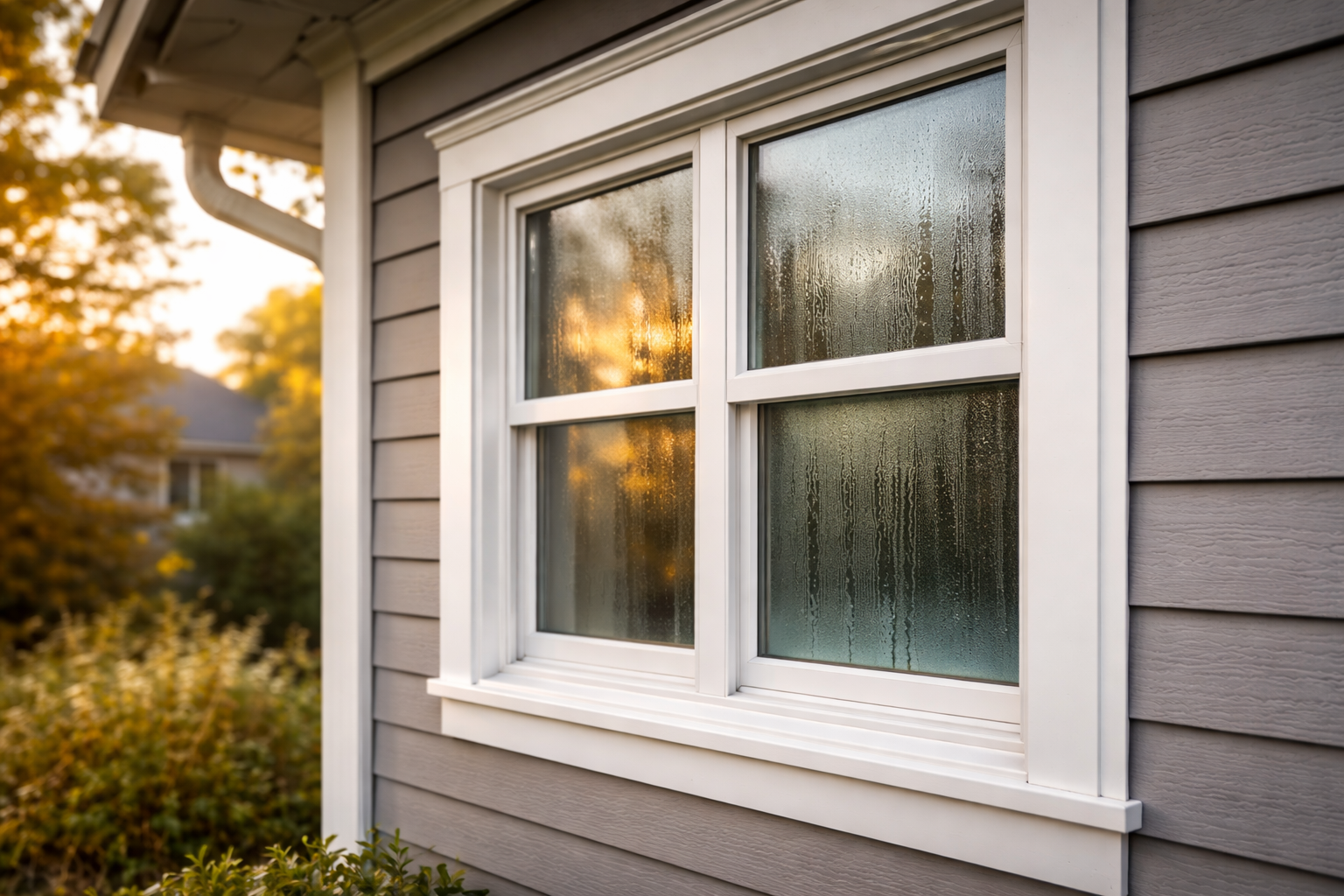
Windows Repair vs Replace: A Homeowner Decision Guide
Windows Repair Vs Replace: A Homeowner Decision Guide (With Real Scenarios)
Windows do more than frame the view. They manage heat and glare, keep water and wind out, reduce outside noise, and help your home feel comfortable year-round. When something goes wrong—drafts, foggy glass, sticking sashes, rising energy bills—homeowners usually face the same question:
Should I repair my windows… or replace them?
This guide breaks the decision down in a practical, homeowner-friendly way. You’ll learn what problems can be repaired, what symptoms usually signal replacement, how to compare costs, and how to avoid the most common pitfalls. By the end, you’ll be able to make a confident choice based on facts—not guesswork.
If you’d rather skip the stress and get a professional opinion, Reimagine Roofing & Construction can evaluate your windows, identify the real source of the issue, and recommend the most cost-effective fix.
✅ Schedule A Window Inspection With Reimagine Roofing & Construction and get clear answers on whether repair or replacement makes the most sense for your home.
Why The “Repair Vs Replace” Decision Isn’t Always Obvious
Many window problems look like a window issue, but are actually caused by something else—like failed flashing, worn sealant, settling framing, or moisture problems around the opening.
On the other hand, some windows are beyond simple fixes—even if they “kind of still work.” The key is understanding:
- What’s Failing (hardware, seals, frame, glass, installation details)
- How Widespread The Issue Is (one window vs many)
- How Old The Windows Are
- How Much Performance You’re Losing (comfort, energy use, water intrusion risk)
- What Repair Can Realistically Restore
This guide will help you avoid two expensive mistakes:
- Replacing windows that could have been repaired affordably
- Repairing windows that will keep failing and cost more over time
Quick Decision Snapshot: Repair Or Replace?
Here’s a fast way to triage:
Usually Repair If…
- The window is less than 10–15 years old
- The frame is solid (no rot, warping, major cracks)
- The problem is localized (one window or one component)
- You’re dealing with hardware issues (locks, balances, rollers)
- You have minor air leaks that can be sealed properly
- The glass is intact and not fogging between panes (or it’s a single pane)
Usually Replace If…
- The window is 20+ years old (or older builder-grade units)
- The frame has rot, warping, or structural damage
- You have repeated water intrusion
- The glass is foggy between panes (failed seal) across multiple windows
- You’re experiencing high heat gain/loss and comfort issues
- Repair costs are approaching 40–60% of replacement cost
- You want a noticeable upgrade in energy efficiency, noise reduction, or security
Step 1: Identify What’s Actually Wrong
Before you decide repair vs replace, you need to know the failure type. Window issues usually fall into one of these categories:
- Air Leaks And Drafts
- Water Leaks And Staining
- Fogging/Condensation Between Panes
- Operational Issues (sticking, won’t open/close, won’t lock)
- Frame Deterioration (rot, warping, cracks)
- Noise Issues
- Efficiency Problems (hot rooms, cold rooms, higher bills)
Let’s break down each—what it means, and what typically makes sense.
Problem #1: Drafty Windows
Common Causes
- Worn weatherstripping
- Gaps in caulking around trim
- Poor insulation in the window cavity
- Misaligned sashes or worn balances
- Old single-pane glass (inherently inefficient)
- Poor original installation
When A Draft Is A Repair
Repair makes sense when:
- The window frame is in good shape
- The draft is due to weatherstripping, caulk, or minor alignment
- The window is relatively modern (double-pane)
- You don’t have moisture damage around the opening
Typical repair options:
- Replace weatherstripping
- Re-caulk exterior trim (correct product + technique matters)
- Adjust sash alignment or replace balances
- Add insulation around the frame (if accessible and safe to do)
When A Draft Is A Replacement Signal
Replacement makes sense when:
- You have very old windows (especially single-pane)
- Frames are warped or no longer square
- The sash doesn’t seal properly even after adjustment
- Multiple windows are drafty and repairs are stacking up
Homeowner note: If a window is old and leaky, you can patch drafts temporarily, but you won’t get modern performance. In many climates, that means ongoing comfort problems and wasted energy.
Problem #2: Water Leaks Around Windows
Water is the big one. A window that leaks can damage drywall, trim, flooring, and framing—and create conditions for mold.
Common Causes Of Window Leaks
- Failed caulk or sealant at trim
- Failed flashing or missing flashing
- Improper integration with house wrap/building paper
- Siding or stucco issues diverting water into openings
- Roof or gutter problems dumping water against walls
- Condensation (often mistaken as a “leak”)
Repair Vs Replace: The Key Question
A lot of “window leaks” are not solved by replacing the window alone. You need to pinpoint the source.
Repair is often the right move when:
- The window unit is fine but the installation details failed
- Flashing/trim/sealant needs correction
- Water is entering from above due to gutters/roofline issues
- The interior moisture is actually condensation
Replacement becomes likely when:
- The frame is rotting
- The window has repeated leakage and structural damage
- The window is poorly manufactured or degraded beyond sealing
- The cost to correct surrounding damage is high and you want to reset the system
Important: If your wall assembly and flashing details are failing, you want a contractor who understands water management, not someone who just “swaps the window.” That’s exactly why homeowners work with a construction team like Reimagine Roofing & Construction—because windows and water problems rarely exist in isolation.
Seeing stains, bubbling paint, or soft trim near a window? Book A Window Leak Evaluation With Reimagine Roofing & Construction before the damage spreads.
Problem #3: Foggy Windows (Condensation Between Panes)
If you have modern double-pane or triple-pane windows and you see fog between the panes, that usually means the seal has failed. The insulating gas escapes, moisture gets in, and performance drops.
Can Foggy Windows Be Repaired?
Sometimes—depending on the window design and availability of parts.
Options may include:
- Replacing the insulated glass unit (IGU) while keeping the frame
- Warranty replacement (if covered)
- In some cases, professional defogging services (often not a true performance fix)
When Replacement Makes More Sense
- Multiple windows have failed seals
- Frames/hardware are aging too
- The windows are near end-of-life
- The repair cost per window is high compared to full replacement
Rule of thumb: If it’s one window and everything else is in good condition, IGU replacement can be cost-effective. If it’s widespread, full replacement often provides better long-term value.
Problem #4: Windows That Stick, Won’t Open, Or Won’t Lock
Common Causes
- Broken balances (especially in double-hung windows)
- Dirty or damaged tracks
- Failed rollers in sliding windows
- Swollen wood due to moisture
- Settling and shifting that throws off alignment
- Worn hardware (locks, latches, cranks)
Repair Is Usually The First Step
Operational issues are often repairable. It might be:
- Cleaning and lubricating tracks
- Replacing balances or rollers
- Adjusting alignment
- Replacing locks and hardware
When Replacement Is Smarter
Replace when:
- Repairs don’t restore safe, reliable operation
- Multiple components are failing (hardware + frame + seals)
- The window is old and inefficient anyway
- There’s moisture damage causing swelling/rot
Windows should open easily and lock securely. If yours don’t, it’s more than an annoyance—it can be a safety issue.
Problem #5: Rotting Frames, Warping, And Structural Damage
This is where replacement usually wins.
Signs Your Frame May Be Failing
- Soft spots in wood
- Paint that bubbles repeatedly
- Cracked, separating joints
- Warped sashes or frames
- Visible rot, mold, or insect damage
- Gaps that keep growing over time
Repair Options (Limited)
Small, localized wood rot can sometimes be repaired with:
- Epoxy consolidation
- Partial frame repairs
- Rebuilding trim sections
But if the damage affects structural integrity, weather sealing, or the window’s squareness—replacement is typically the safest choice.
Step 2: Consider Window Age And “Quality Tier”
Age matters, but so does build quality. A high-quality fiberglass or well-built wood window can outlast a basic builder-grade vinyl unit by many years.
General Lifespan Ranges (Broad Guidance)
- Builder-grade vinyl: 15–25 years
- Better vinyl: 20–30 years
- Fiberglass: 30+ years (often longer)
- Wood: varies widely (maintenance dependent)
- Aluminum: can last a long time but may be inefficient depending on design
If your windows are:
- Under 10 years → repairs often make sense
- 10–20 years → depends on condition and performance
- 20+ years → replacement becomes more compelling, especially for efficiency and comfort
Step 3: Compare True Costs (Not Just Today’s Price Tag)
The cheapest option upfront isn’t always the least expensive over time.
Cost Categories Homeowners Should Compare
Repair costs include:
- Parts (balances, rollers, locks, weatherstripping)
- Labor
- Repeat failures if the system is aging
- Possible hidden moisture damage if leaks aren’t resolved
Replacement costs include:
- Window units
- Labor and installation method
- Trim work (interior/exterior)
- Permits (where required)
- Potential upgrades (glass packages, frame material)
The 40–60% Rule
If repairs will cost 40–60% of replacement, especially on older windows, replacement usually provides better long-term value.
But There’s A Catch
If the problem is actually flashing/siding/water management, replacing the window without fixing the envelope can waste money.
That’s why an evaluation should include:
- The window condition
- The surrounding wall condition
- How water is managed around the opening
- Any related roof/gutter issues
Step 4: Think About Performance Goals (Comfort, Noise, Bills)
Some homeowners replace windows not because they’re “broken,” but because they want to:
- Reduce hot/cold spots
- Lower HVAC load
- Cut outside noise
- Improve security
- Increase resale value
- Modernize the look of the home
If Comfort Is Your Main Issue…
Ask:
- Do you have hot rooms in summer or cold rooms in winter?
- Does the glass feel cold to the touch in winter?
- Do you sit near windows because it’s uncomfortable?
Repairs can address drafts, but replacement is how you gain:
- Better glass technology
- Better frame designs
- More consistent indoor temperature near windows
If Noise Is Your Main Issue…
Repair won’t usually change much. Replacement with upgraded glass and seals can significantly reduce noise (especially if your existing windows have poor seals or thin glass).
Real Homeowner Scenarios: What Usually Makes Sense?
Scenario A: One Window Is Foggy, Everything Else Is Fine
Likely best move: Replace the IGU (glass unit) or use warranty if available.
Why: Cost-effective and avoids unnecessary full replacement.
Scenario B: Several Windows Are Foggy And Drafts Are Common
Likely best move: Full replacement.
Why: Multiple failures suggest the window line is aging and performance will keep dropping.
Scenario C: Water Stains Under One Window After Rain
Likely best move: Evaluate flashing, sealant, and water entry path first.
Why: Might be a building-envelope issue. Replacement alone may not stop it.
Scenario D: Windows Won’t Stay Open And Don’t Lock Properly
Likely best move: Repair balances/hardware if frames are solid.
Why: Functional repairs can restore safety at lower cost.
Scenario E: Wood Frame Is Soft And Paint Keeps Bubbling
Likely best move: Replacement (and check for hidden wall damage).
Why: Rot means the assembly is compromised and will worsen.
Scenario F: You’re Replacing Siding Or Doing Major Exterior Work Anyway
Likely best move: Replacement is often efficient at this time.
Why: You can integrate flashing and water management properly, avoid rework, and upgrade performance.
Retrofit Vs Full-Frame Replacement: What Homeowners Should Know
This can significantly affect your cost and outcome.
Retrofit (Insert) Replacement
- New window inserted into the existing frame
- Less disruptive, often less trim work
- Can be cost-effective when the existing frame is solid
- Slightly reduces glass area in some cases
Full-Frame Replacement
- Removes the window down to the rough opening
- Best for addressing rot, squareness issues, and flashing integration
- Better chance to correct water management
- More labor and trim work, but often a better “reset”
If water damage or frame issues are present, full-frame is typically the safer option.
How To Avoid Common Window Decision Mistakes
Mistake #1: Caulking Everything And Hoping For The Best
Caulk is not a flashing system. It can help, but if water is getting behind trim or siding, caulk alone may fail repeatedly.
Mistake #2: Replacing Windows Without Solving The Source Of Leaks
If the opening isn’t properly flashed or water is being driven into the wall from above, new windows won’t magically fix the pathway.
Mistake #3: Repairing Old Windows Repeatedly
If you’re calling for repairs every year or two, the “repair” path may actually be more expensive long-term.
Mistake #4: Choosing Windows Based On Price Only
Installation quality and correct product selection matter as much as the window itself.
Mistake #5: Ignoring Ventilation And Humidity
Some “window problems” are indoor humidity problems. A good evaluation looks at moisture sources and airflow—not just the window unit.
A Simple Homeowner Checklist: Repair Or Replace?
Use this checklist to guide your decision.
Repair Is Usually Right If You Can Say “Yes” To Most:
- The window is under ~15 years old
- Frame is solid with no rot or warping
- Issue is limited to hardware, weatherstripping, minor alignment
- Only one or two windows are affected
- Estimated repair is less than ~40% of replacement
- You’re happy with performance (comfort/noise) overall
Replacement Is Usually Right If You Can Say “Yes” To Most:
- Windows are 20+ years old
- Multiple windows have failed seals or recurring issues
- Frames show damage, rot, or squareness problems
- You have consistent comfort complaints (hot/cold rooms)
- Water intrusion has occurred more than once
- Repairs are approaching 40–60% of replacement
- You want a clear efficiency and comfort upgrade
When To Bring In A Pro (And What To Ask)
A professional evaluation matters most when:
- There’s water staining, moldy smells, or soft drywall/trim
- You suspect rot
- Multiple windows have symptoms
- You’re considering replacing many windows
- You have mixed signals (draft + leak + fogging)
Questions To Ask During An Evaluation
- What is the root cause of the issue—window unit, installation, or surrounding wall?
- Is the frame square and structurally sound?
- Are there signs of hidden moisture damage?
- If repairing, what’s the realistic lifespan of the repair?
- If replacing, should we do retrofit or full-frame?
- How will flashing and water management be handled?
- What performance improvements should we expect (comfort, noise, energy)?
Why Homeowners Choose Reimagine Roofing & Construction For Window Decisions
The best window outcome isn’t just about the window—it’s about how it works with your home’s exterior system. Because Reimagine Roofing & Construction understands roofing, siding, flashing, and the building envelope, we can identify whether your issue is truly the window or something feeding into it.
Our process is designed to:
- Diagnose the real cause (not guess)
- Recommend repair when it’s genuinely cost-effective
- Replace when it improves safety, performance, and long-term value
- Address water management details so fixes actually last
Ready For A Clear Answer On Your Windows?
If you’re on the fence between repair and replacement, you don’t need a sales pitch—you need a reliable assessment.
✅ Book A Window Inspection With Reimagine Roofing & Construction to get expert guidance on whether you should repair or replace—and what option will deliver the best long-term value for your home.
Popular Posts