Heaviest Monsoon Rains in a Decade: Is Your Roof Ready?
Heaviest Monsoon Rains in a Decade: Is Your Roof Ready?
Why 2025 Could Bring the Heaviest Monsoon Rains in a Decade: Is Your Roof Ready?
How NOAA’s latest predictions signal an intense monsoon season—and what homeowners must do NOW to protect their roofs.
Every year, monsoon season brings dramatic weather shifts to the Southwest—thunderstorms, microbursts, high winds, lightning, dust storms, and sudden downpours. But according to NOAA’s most recent long-range climate models, 2025 may bring the strongest, wettest, and most unpredictable monsoon season the region has seen in more than ten years.
For homeowners in Arizona, New Mexico, and parts of Utah, that prediction should serve as both a warning and a call to action. Monsoon risks and roof preparation needs can vary greatly across the country, so homeowners should consider the specific challenges of their own region. Roofs that are already aging, damaged, improperly installed, or weakened by years of heat exposure could struggle—or fail—during the next cycle of heavy rain and wind.
This year’s monsoon forecast is not just “slightly wetter than normal.” It’s dramatically different.
NOAA meteorologists are tracking signals that point to:
- An early start to monsoon storms
- Stronger, slower-moving storm cells
- Higher-than-average rainfall totals
- More microburst activity
- Increased flash flooding potential
- Higher humidity and moisture saturation
These conditions create a perfect scenario for roof leaks, wind uplift, tile movement, shingle loss, underlayment failure, attic moisture, mold growth, and structural damage—especially if your roof is not prepared.
This blog breaks down everything homeowners need to know about the 2025 monsoon forecast and how to make sure their roof is ready before the first storm hits.
What NOAA Is Predicting for the 2025 Monsoon Season
Let’s start with what the experts are saying.
Every year, NOAA and the National Weather Service analyze Pacific Ocean temperatures, jet stream patterns, atmospheric moisture, and regional pressure systems to forecast monsoon intensity.
Here’s what stands out for 2025:
1. Higher-than-normal ocean temperatures fueling moisture flow
This increases atmospheric water vapor—one of the primary ingredients for severe monsoon storms.
2. Unusually strong sub-tropical moisture surges
Moisture from the Gulf of California and Pacific Ocean is expected to push deeper into Arizona and New Mexico.
3. Slower-moving storms
Slow storm cells dump large amounts of rain over one area, overwhelming roofs, gutters, and drainage systems.
4. More frequent microbursts
Microbursts—localized downward blasts of wind—are notorious for ripping shingles, lifting tiles, and causing sudden roof failure.
5. Stronger pre-monsoon dust storms (haboobs)
Dust storms clog gutters, valleys, roofline, scuppers, and drains… and the next rainfall drives mud into your roofing system, causing leaks.
6. Increased year-over-year rainfall totals
Arizona hasn’t seen projected rainfall levels like this since the 2014–2015 monsoon seasons, which caused widespread roof damage.
In short:
2025 isn’t “normal monsoon weather”—it’s a high-risk season with significantly more moisture, wind, and structural stress.
So what does that mean for your roof?
Why the 2025 Monsoon Season Poses a High Risk to Homeowners
Monsoon storms stress every part of your roofing system—both above and below the surface.
Let’s break down the risks.
Heavy Rains Will Exploit Hidden Weak Spots
Strong monsoon rains overwhelm roofing systems that are already compromised by heat or age.
Damage often comes from:
- Cracked or dry-rotted underlayment
- Lifted shingles
- Slipped or cracked tiles
- Damaged flashing
- Worn sealants around vents or skylights
- Debris blocking drainage paths
- Exposed nail holes from old repairs
Unexpected leaks or roof failures can happen suddenly during intense monsoon rains, so being prepared is essential.
These issues aren’t always visible from the ground, but monsoon rains will find them—and water will get in.
Signs your roof isn’t ready for heavy rain:
- Water stains on ceilings or walls
- Dripping during storms (even small drips)
- Musty attic smells
- Dark streaks under eaves
- Peeling paint near rooflines
- Visible granule loss from shingles
- Tiles that look “offset” or uneven
A roof that holds up fine during dry months may fail dramatically during a prolonged monsoon storm.
Microbursts and Wind Gusts Will Tear Up Weak Roof Systems
Monsoon winds—from sustained gusts to sudden microbursts—cause more roof damage than rain.
Wind uplift can peel shingles back like pages in a book. Tile roofs can shift, crack, or even fly off entirely. Flat roofs are vulnerable to membrane separation and edge failure.
Rooftop items like:
- HVAC units
- Solar mounts
- Satellite dishes
- Loose flashing
- Poorly secured ridge caps
… can become entry points for wind and water.
Monsoon wind risk is especially high in:
- Phoenix
- Scottsdale
- Tucson
- Mesa
- Albuquerque
- Rio Rancho
- Santa Fe
- Southern Utah communities
Roofing systems that are older, improperly installed, or weakened by heat are at highest risk. Ensuring a professional install is crucial, as quality installation by trained experts greatly improves a roof’s ability to withstand monsoon winds.
Extreme Humidity Creates Attic Moisture and Mold Problems
Most people think desert climates can’t have mold issues—but during monsoon season, humidity skyrockets.
When humidity enters your attic through roof gaps or unsealed openings, it can:
- Create condensation
- Strain your HVAC system
- Rot wood
- Damage insulation
- Grow mold in as little as 48 hours
Proper air circulation and maintaining enough space for airflow in the attic are essential to prevent moisture buildup and related problems.
Humidity also weakens roof decking, leading to sagging or long-term structural issues.
If your attic ventilation is poor—or your roof isn’t properly sealed—2025’s projected humidity levels could become a costly problem.
Dust Storms (Haboobs) Will Clog Drains and Valleys Before the Rain Even Starts
Haboobs typically arrive before major rainstorms. They fill your roof with dust, debris, leaves, and dirt. Clean gutters are essential to prevent clogs and water backup during monsoon rains, helping to protect your roof and foundation from potential damage.
Then monsoon rainfall turns that debris into:
- Mud
- Clogs
- Standing water
Flat roofs, foam roofs, and low-slope systems are especially vulnerable.
Debris-driven water pooling is one of the leading causes of:
- Leaks
- Mold
- Structural issues
- Premature roof failure
2025’s forecast of heavy dust and early storm activity makes this issue much more severe.
Heatwaves Before Monsoon Season Will Weaken Roofing Materials
NOAA also predicts an unusually hot run-up to monsoon season.
This creates a dangerous cycle:
- Heat ages your roof.
- Monsoon storms exploit the damage.
- Repeated wet–dry cycles make the damage worse.
This cycle accelerates:
- underlayment breakdown
- shingle curling and cracking
- tile movement
- flashing separation
- adhesive failure
- gutter warping
Any weakness created by heat will be exposed by monsoon moisture.
Aging Roofs Will Fail Faster This Year
If your roof is:
- 12+ years old (shingle)
- 15+ years old (tile underlayment)
- 10+ years old (flat/foam)
- 20+ years old (metal)
…it needs a monsoon-readiness inspection ASAP.
The projected storm intensity means that roofs nearing midlife or older are at high risk of leaking, even if they’ve been “fine” in previous monsoons.
Homeowners should also review their roof’s warranty coverage and understand what is included, so they are prepared to make warranty claims if repairs or replacements are needed after storm damage.
Gutters and Downspouts: Your First Line of Defense
When it comes to protecting your home during storm season, gutters and downspouts are your roofing system’s unsung heroes. These components are the first line of defense against water damage, channeling heavy rain away from your roof, walls, and foundation. But when gutters become clogged with debris—like leaves, twigs, and dirt from overhanging branches—they can quickly turn from protectors to problems, leading to costly repairs and even compromising your property value.
Clogged gutters are a leading cause of water backing up under shingles or tiles, resulting in wet insulation, trapped moisture, and the perfect environment for mold growth. Over time, this can weaken your roof, cause water stains on ceilings and walls, and even lead to ice dams during winter. That’s why regular inspections and cleaning are essential, especially before and after periods of heavy rain or high winds.
Installing gutter guards is a smart way to reduce the likelihood of clogged gutters and minimize the amount of maintenance required. Gutter guards help keep out debris while allowing rainwater to flow freely, making it easier to keep your gutters clean and functional throughout the year. For homeowners with flat roofing systems, keeping drains and scuppers clear is just as important to prevent standing water and leaks.
Book Free Roof Inspection Today
A professional roof inspection can help you spot early signs of gutter and downspout issues—like sagging, rust, or water overflow—before they escalate into major problems. Trimming overhanging branches and removing leaves from your roof and gutters will also help reduce debris and keep your system working efficiently.
Don’t wait for a storm to reveal small issues that could have been prevented. In Arizona and other areas prone to summer storms, it’s especially important to schedule regular inspections and gutter cleaning as part of your seasonal maintenance routine. Fall is the perfect time to prepare your home for winter weather, ensuring your gutters and downspouts are ready to handle snow, ice, and rain.
Whether your home has a flat roof or a traditional pitched roof, keeping your gutters and downspouts in top shape is key to extending the life of your roof, preventing water damage, and protecting your property. By prioritizing maintenance now, you can avoid costly repairs, safeguard your home’s value, and ensure your roofing system is ready for whatever the weather brings.
What Homeowners Must Do Before the 2025 Monsoon Season Starts
With heavier rainfall, stronger winds, and more atmospheric moisture expected, proactive roof preparation is essential.
To ensure your home is protected during the monsoon season, select durable roofing materials and perform proactive maintenance before storms arrive.
Here’s what Reimagine Roofing recommends:
Schedule a Monsoon Roof Readiness Inspection
This is the single most important step you can take.
A professional monsoon inspection identifies:
- Hidden leaks in underlayment
- Cracked tiles
- Lifted shingles
- Damaged flashing
- Blocked roof valleys
- Attic ventilation issues
- Ponding water areas (flat roofs)
- Heat damage that compromises roof integrity
Reimagine Roofing performs full monsoon-prep inspections with drone imaging, thermal scanning, and photos of every issue so homeowners understand exactly what needs attention.
Clean and Clear Debris Before the First Storm
Dust, leaves, needles, and small branches accumulate in:
- valleys
- gutters
- downspouts
- scuppers
- flat roof drains
- behind chimneys
- along parapet edges
Before monsoon season, these must be cleared to prevent water pooling and backup leaks. Additionally, trim overhanging tree branches and limbs to prevent them from causing roof damage or adding debris during storms.
Replace Cracked or Slipped Tiles
Tile roofs are common in the Southwest—but they’re not invincible.
Even a single slipped tile can allow water to penetrate the underlayment.
Monsoon rains will exploit tiny gaps and cracks, leading to:
- interior water damage
- mold
- deck rot
A pre-monsoon tile reset or repair is inexpensive compared to a full roof replacement.
Repair or Replace Lifted Shingles
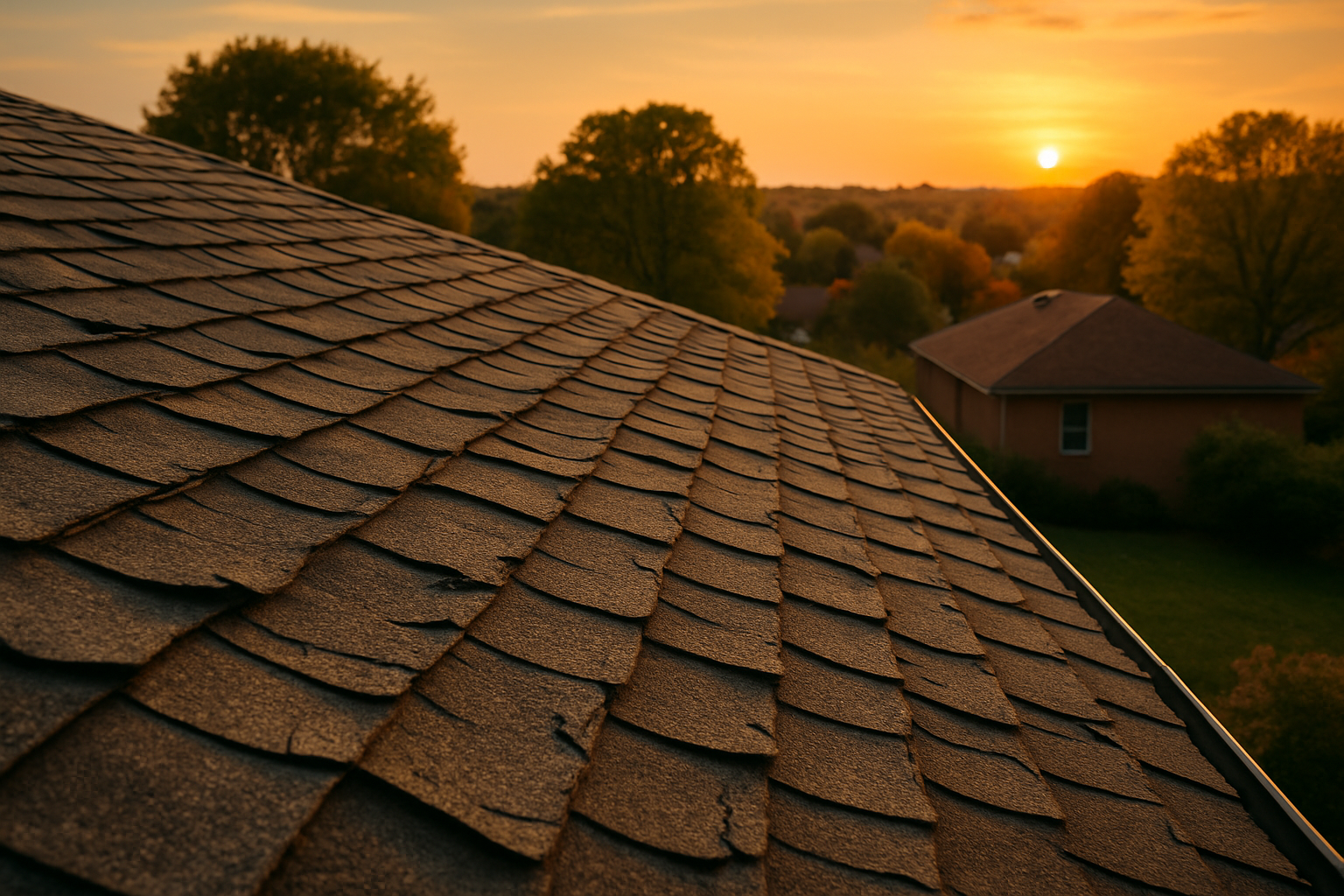
Shingles weakened by heat or wind are extremely vulnerable during monsoon storms.
Lifted shingles allow:
- water intrusion
- wind uplift
- underlayment exposure
Reimagine Roofing secures, seals, and replaces shingles to ensure they’re storm-ready. Using quality shingles and professional repairs is essential for maximum protection and long-term performance.
Seal Roof Penetrations and Flashing
Most monsoon leaks occur around:
- vents
- skylights
- chimneys
- HVAC penetrations
- solar mounts
A sealing and flashing tune-up prevents wind-driven rain from entering these vulnerable areas.
Inspect and Reinforce Attic Ventilation
Proper attic ventilation helps:
- prevent moisture buildup
- reduce heat stress on the roof
- extend roof lifespan
- prevent mold during humid monsoons
If ventilation is poor, monsoon humidity will cause problems quickly in 2025.
Upgrade Aging Underlayment
Tile roofs may look beautiful on the surface—but underlayment is what actually keeps water out.
In Arizona and New Mexico, underlayment deteriorates faster due to heat.
If your roof underlayment is:
- blistering
- cracking
- dried out
- weakened from age
…it will almost certainly fail in a high-rainfall year.
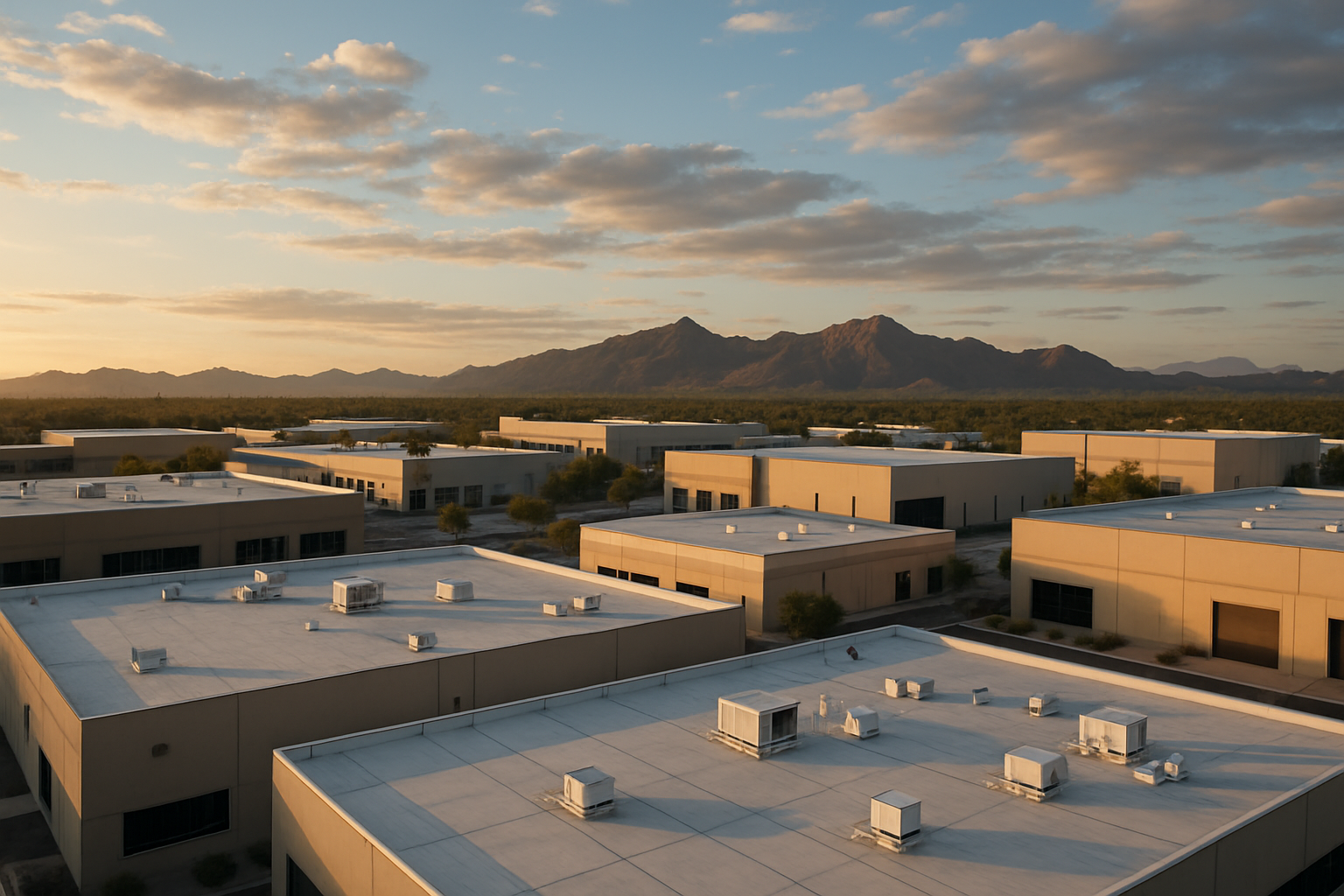
Strengthen Flat Roofs Before Heavy Rains
Flat and foam roofs are particularly vulnerable during heavy monsoon seasons.
Reimagine Roofing can perform:
- recoating
- sealing
- patching
- drainage correction
- parapet waterproofing
…to ensure the system can handle significant water loads.
Why Homeowners Should Act BEFORE the Storms Arrive
Once monsoon season starts, roofing contractors are overwhelmed with emergency calls.
During a high-intensity year like 2025, wait times can stretch from days to weeks.
Acting early means:
- preventing leaks
- avoiding interior damage
- securing materials and repairs before demand spikes
- getting priority scheduling
- locking in better pricing
Proactive homeowners save thousands compared to those reacting after damage occurs.
How Reimagine Roofing Helps You Prepare for Monsoon Season
Reimagine Roofing specializes in storm readiness, desert-climate roofing, and monsoon protection.
Our Monsoon Roof Prep Services Include:
- Full roof inspection
- Drone and thermal imaging
- Tile repairs and resets
- Shingle reinforcement
- Flashing upgrades
- Underlayment replacement
- Flat roof sealing and drainage correction
- Attic ventilation improvement
- Gutter and valley cleanup
- Storm-hardening recommendations
We provide photos, documentation, and expert recommendations so you know exactly what your roof needs.
Is Your Roof Ready for the Strongest Monsoon in Years?
According to NOAA, 2025 monsoon storms will push many Southwest roofing systems to their limits.
Don’t wait until the first downpour creates a leak—by then, the damage is already done.
Reimagine Roofing is here to help you:
- Prevent leaks
- Strengthen your roof
- Prepare for wind and rain
- Avoid costly interior damage
- Protect your home and family
Schedule Your FREE Monsoon Roof Readiness Inspection Today
Whether you live in Arizona, New Mexico, or Utah, now is the time to make sure your roof can withstand 2025’s extreme weather.
Get your free monsoon readiness inspection and 24-hour estimate now.
Our experts will evaluate your roof, identify risks, and provide fast, honest recommendations—so you can face monsoon season with confidence.
Popular Posts