Ember Attacks And Why Roofs Fail During Wildfires
Ember Attacks And Why Roofs Fail During Wildfires
What Homeowners Don’t Know About Ember Attacks And Why Roofs Fail During Wildfires
The invisible wildfire threat every AZ, NM, UT, and TX homeowner needs to understand before the next fire season.
When people think about wildfires, they imagine massive walls of flames moving toward homes, scorching everything in their path. But the truth is far more surprising—and far more dangerous:
Most homes lost in wildfires never come into contact with direct flames. They ignite from airborne embers landing on their roof.
These embers—sometimes called “firebrands”—can travel miles in high winds, landing silently on rooftops, in gutters, under roof tiles, and in attic vents. By the time homeowners realize what happened, it’s too late: the roof is burning from the top down, beneath the surface, or inside the attic.
In states like Arizona, New Mexico, Utah, and Texas, where droughts and heatwaves have intensified dramatically in recent years, ember attacks have become one of the fastest-growing threats to residential neighborhoods. Wildfire zones are expanding, fire seasons are lengthening, and more communities are experiencing the reality of airborne embers than at any other time in history.
This blog breaks down:
- What ember attacks actually are (and why they’re so dangerous)
- Why most roofs fail—often in minutes—when embers reach them
- How wildfire behavior has shifted in AZ, NM, UT, and TX
- Why Class A roofing and fire-resistant systems are no longer optional
- What homeowners can do NOW to harden their roof before fire season
- How Reimagine Roofing helps homeowners stay protected
If you’re in a high-risk region—or even an area that wasn’t considered fire-prone in the past—this information is essential.
What Exactly Is an Ember Attack?
Ember attacks occur when burning pieces of vegetation, roofing, or structure material break loose from a wildfire and travel through the air. These glowing fragments can be:
- small like ash flakes
- medium like burning twigs
- large like fist-sized burning debris
Embers spread through:
- strong winds
- dry thunderstorm activity
- canyon wind tunnels
- monsoon-driven high winds
- embers floating upward into smoke plumes and falling miles away
The process of ember generation and transport can continue long after the main flames have moved on, posing ongoing risks to homes.
Why Ember Attacks Are the #1 Cause of Home Ignitions
According to leading fire agencies:
90% of homes destroyed in wildfires were ignited by airborne embers—not direct flame.
Embers are dangerous because they can:
- lodge under roof tiles
- collect in gutters filled with dry debris
- enter attic vents
- land on asphalt shingles and ignite them
- expose weaknesses in old roofing systems
- smolder for hours, then suddenly ignite
This invisible threat is why two houses on the same street can have dramatically different outcomes during a wildfire: the construction and maintenance of each house play a critical role in its vulnerability to ember attacks—one house may burn to the ground, while the one next to it survives untouched.
The roof is the largest exposed surface of the home—making it the most vulnerable element of all.
Why Roofs Fail During Wildfires: The 7 Failure Points Most Homeowners Don’t Know About
Wildfire losses aren’t usually about “big flames.” They’re about small failures that lead to big consequences. A lack of regular maintenance is a common reason why these failure points go unnoticed until it’s too late.
Below are the most common ways roofs ignite during ember attacks in AZ, NM, UT, and TX.
Combustible Roofing Materials Ignite Easily
Many older roofs across the Southwest still use:
- standard asphalt shingles
- 3-tab shingles
- wooden shake shingles
- untreated roofing systems
- low-rated (Class B or C) materials
When embers land on these surfaces, they can ignite within minutes, especially if the roof is old, dry, or sun-damaged from years of UV exposure.
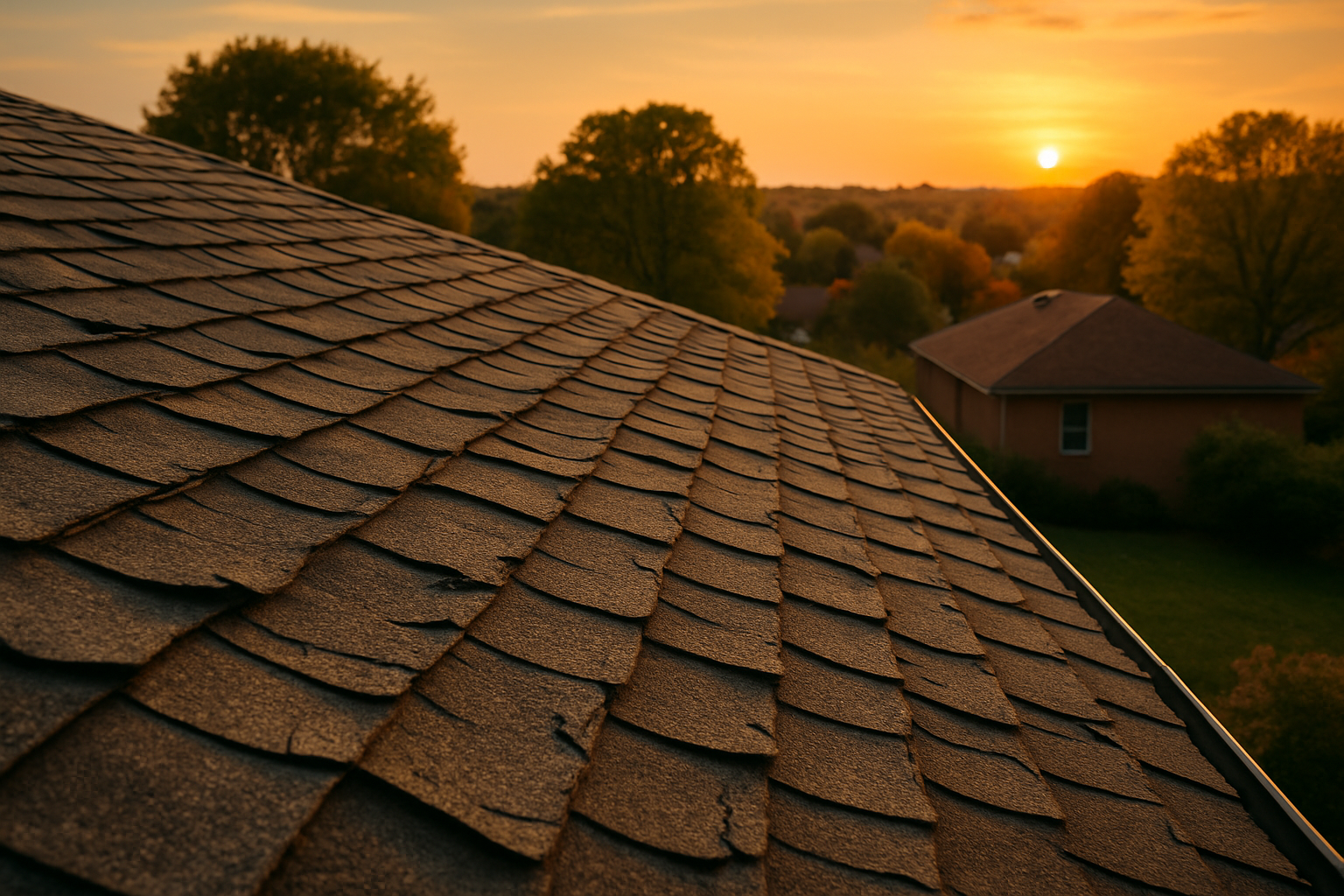
Asphalt shingles become more flammable with age
Heatwaves in AZ, NM, UT, and TX accelerate shingle dry-out, cracking, and granule loss. This exposes deeper asphalt layers that burn more easily.
Wooden shake roofing is extremely dangerous
Even “treated” shake roofs lose their fire resistance within a few years.
Many homeowners don’t realize they are living beneath roofing material that could ignite more easily than they think.
Underlayment Failure Allows Fire to Spread Beneath the Roof
Even if the top layer of roofing resists ignition, the underlayment might not.
Old, brittle, sun-damaged underlayment is one of the biggest hidden wildfire hazards.
If embers make it beneath tiles or shingles, they can ignite:
- felt underlayment
- tar paper
- aging synthetic layers
- foam adhesives
- exposed decking
Fire beneath the roof surface spreads quickly and silently—and may not be visible from outside until the attic is already burning.
Gaps and Openings Let Embers Enter the Attic
Attic vents are one of the weakest points of any home in a wildfire.
Common vulnerabilities include:
- standard soffit vents with ¼” openings
- old ridge vents without ember screens
- gable vents
- roof jack openings
- unsealed exhaust ducts
- poorly installed solar/HD antenna penetrations
Embers can be sucked directly into the attic by convection currents created during a wildfire.
Once inside, they ignite:
- dry insulation
- electrical wiring coverings
- exposed beams
- debris that accumulated over time
This is the #1 way homes ignite without any visible exterior damage beforehand.
Tile Roofs Fail More Often Than People Realize
Many AZ and NM homeowners mistakenly believe their tile roof is “fireproof.”
The tiles themselves are fire-resistant—but the system underneath is not automatically Class A.
Tile roofs fail when:
- tiles lift even slightly in high winds
- embers slip underneath
- underlayment is exposed
- valleys have debris
- ridge caps are loose
- edge tiles have gaps
Tile movement is extremely common after heatwaves, monsoons, and dry-out cycles—making them vulnerable to ember intrusion.
Gutters and Roof Valleys Become Ember Traps
Dry debris accumulates in gutters year-round. In the desert, this debris dries out in the sun and becomes highly combustible.
During a wildfire, embers can:
- land in gutters
- ignite debris
- burn upward into the roofline
- enter under the drip edge or first row of shingles
Roof valleys are another trap, especially for tile roofs that collect pine needles, leaves, and dust.
UV Damage and Heatwaves Make Roofs More Flammable
Southwestern roofing faces some of the harshest UV exposure in the U.S. Combined with 100°–110°+ heat waves, roofing materials become brittle and easier to ignite.
In UT and NM, the combination of high elevation + intense UV accelerates roof aging even more.
In TX, prolonged heat exposure coupled with dry spells increases flammability at the worst possible time—during peak fire risk.
Old Roofs Lose Fire Resistance Over Time
A roof that once met fire safety standards may no longer be performing at that level years later.
Fire ratings degrade due to:
- sun exposure
- wind damage
- cracked materials
- aging adhesives
- weakened underlayment
- thermal expansion and contraction
Homeowners should regularly evaluate their roof’s fire resistance, especially as it ages and as insurance requirements change. This is one reason why insurance companies in high-risk ZIP codes are increasingly requiring Class A roofing for policy renewals.
Wildfire Behavior Has Changed in AZ, NM, UT, and TX—Here’s How
Wildfires used to be mostly rural problems in these states.
That’s no longer the case.
Arizona
Drought + extreme heat have made Phoenix outskirts, Tucson foothills, Prescott, Flagstaff, and countless desert suburbs wildfire-prone.
New Mexico
The state has seen some of the largest wildfires in its history in just the last five years. Entire mountain communities are now considered high-risk.
Utah
Wind-driven canyon fires near suburban Salt Lake areas are now common, and neighborhoods once considered safe are facing evacuation warnings.
Texas
Massive grassland fires fueled by drought have ignited subdivisions in central and northern Texas. Ember storms can spread across flat landscapes rapidly.
In all four states, the wildfire danger now extends well beyond traditional “fire zones.”
The Solution: Ember-Resistant, Class A Roofing Systems
A roof is only as fire-resistant as the entire system, not just the visible surface.
Achieving true ember resistance requires a commitment from both homeowners and roofing professionals, as every detail matters in the mission to protect homes and communities from wildfire threats.
A true ember-resistant roof includes:
✔ Class A roofing material
Metal roofing, tile with Class A underlayment, or Class A asphalt shingles.
✔ Fire-rated underlayment
This prevents ember penetration even if roofing tiles shift.
✔ Sealed gaps, edges, and roofing penetrations
Prevents debris from entering vulnerable areas.
✔ Ember-resistant vents
1/8″ metal mesh or specialized fireproof vent systems.
✔ Class A roofing valleys and metal flashing
Stops fire from tracking under materials.
✔ Clean roof and gutter systems
Removes combustible debris.
These layered defenses dramatically reduce your wildfire risk.
Best Ember-Resistant Roofing Materials for the Southwest
Reimagine Roofing installs multiple Class A options that stand up to southwestern fire conditions.
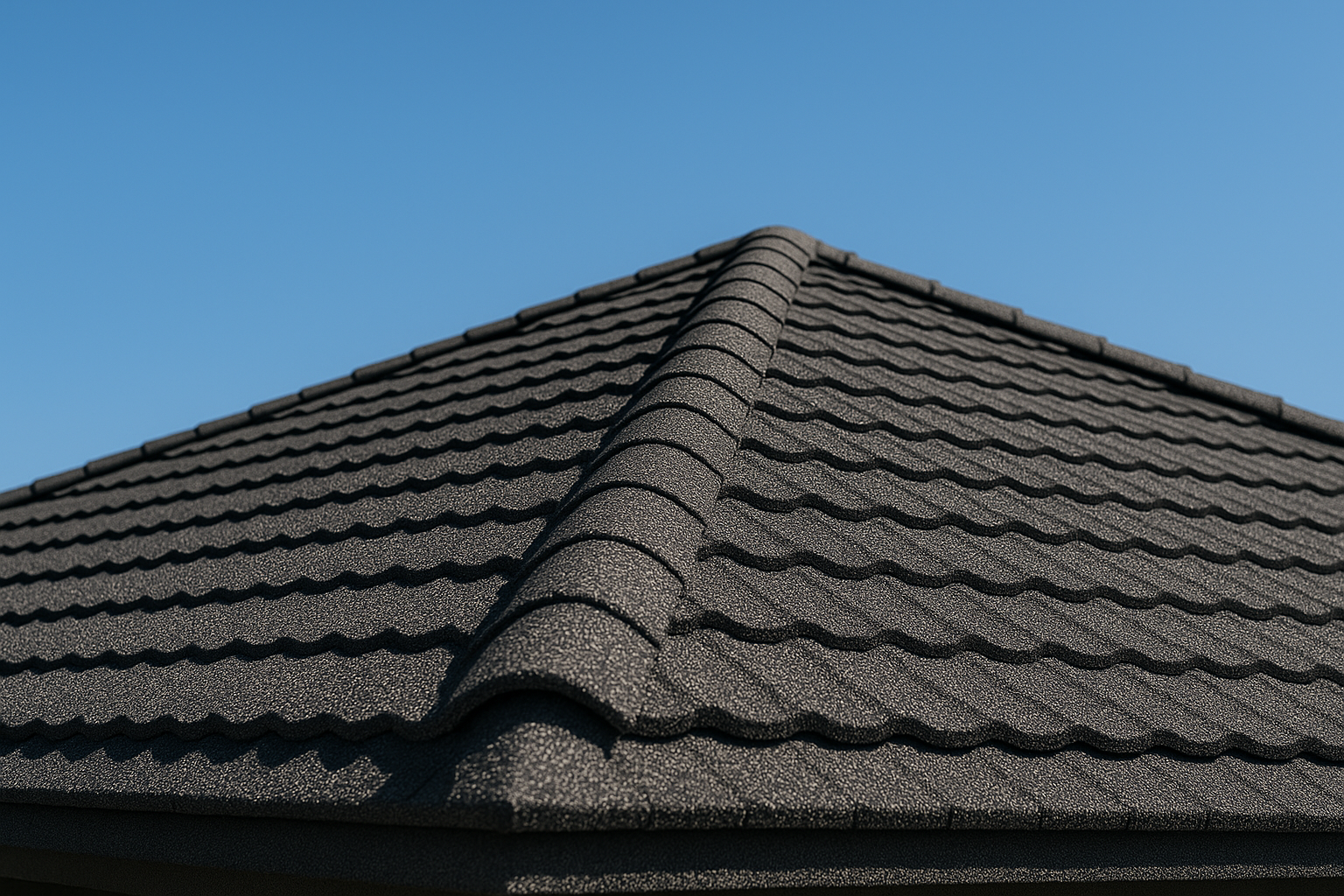
1. Stone-Coated Steel Roofing (Class A)
- Outstanding ember resistance
- Lightweight and durable
- Wind-resistant
- Great for monsoon climates
- Looks like tile or shingle
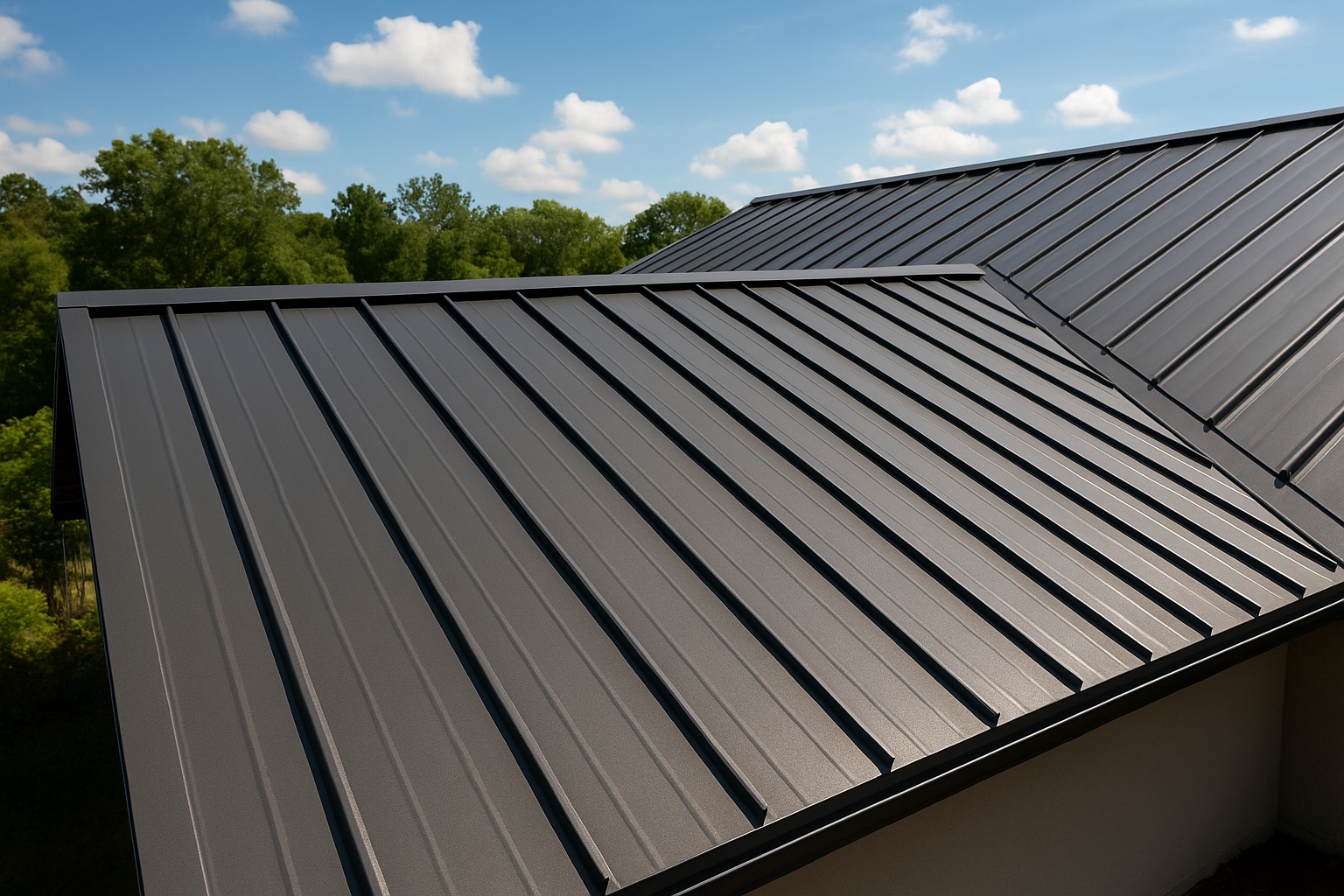
2. Standing Seam Metal Roofing (Class A)
- Completely non-combustible
- Embers slide off
- Long lifespan (40–70 years)
3. Clay or Concrete Tile Roofing (with Class A Underlayment)
- Very fire-resistant
- Great for desert climates
- Requires professional installation for full Class A rating
4. Class A Architectural Shingles
- Affordable
- Effective with upgraded underlayment
- Suitable for new builds and replacements
How to Know if Your Roof Is Vulnerable to Ember Attacks
Your roof may be at risk if:
- it is older than 12–15 years
- it has missing or lifted tiles/shingles
- attic vents lack ember screens
- you see debris trapped in valleys
- your tiles sound hollow or shift when walked on
- your shingles are curling, cracking, or granule-bare
- you have wood shake or basic 3-tab shingles
- you are anywhere near dried vegetation
Assessing your roof’s vulnerability is a crucial part of protecting your property from wildfire damage.
Most homeowners don’t know their vulnerabilities until after a fire—even if they live miles from the ignition point.
How Reimagine Roofing Protects Homes from Ember Attacks
We specialize in wildfire-resistant roofing for AZ, NM, UT, and TX, customizing each roof to local fire behavior and building codes.
For more detailed content on wildfire protection and to explore our resources, visit the Reimagine Roofing website. Don’t forget to share this information with friends and neighbors who may benefit.
Our services include:
✔ Free wildfire roof vulnerability assessments
✔ Class A roofing upgrades (metal, tile, stone-coated steel, Class A shingles)
✔ Fire-resistant underlayment installation
✔ Ember-resistant vent replacements
✔ Ridge and valley fireproofing
✔ Gutter clearing and metal gutter upgrades
✔ Attic sealing and vulnerability correction
✔ Insurance-friendly documentation
We don’t just install roofs—we fire-harden homes.
Why Choose Reimagine Roofing?
Because we understand the Southwest’s wildfire conditions better than most contractors. What matters most is choosing a company that stands behind its product and prioritizes homeowner safety.
We offer:
- Local wildfire expertise
- Class A certified roofing systems
- Modern materials designed for extreme heat
- High-wind installation techniques
- Drone inspections
- Fast, transparent quotes
- No high-pressure sales
- Full roof reports homeowners can keep
Your roof is the most critical line of defense your home has—and it deserves specialists who treat it that way.
Protect Your Home Before Ember Season Starts—Schedule Your Free Fire Safety Audit
Every year, fire season becomes more unpredictable in Arizona, New Mexico, Utah, and Texas. Homes that once seemed safe are suddenly in evacuation zones. Ember attacks travel farther, ignite faster, and destroy more homes than direct flames ever will.
But you can protect your home—starting with a Class A, ember-resistant roof.
Investing in fire-resistant roofing now can save homeowners significant cash by avoiding costly repairs and higher insurance premiums, while failing to act may mean you have to pay much more after a wildfire.
Reimagine Roofing Can Help You:
- Identify hidden vulnerabilities
- Upgrade to Class A roofing material
- Add ember-resistant vent protection
- Install fire-resistant underlayment
- Strengthen your home’s wildfire defenses
- Get a fast, fair estimate within 24 hours
Protect your home, your investment, and your peace of mind before the next ember storm hits. Watch our wildfire safety videos for more tips on protecting your home.
Popular Posts