Why 70% of Mold in Homes Starts in the Roof
Why 70% of Mold in Homes Starts in the Roof
Small Roof Leaks, Big Problems: Why 70% of Mold in Homes Starts in the Roof
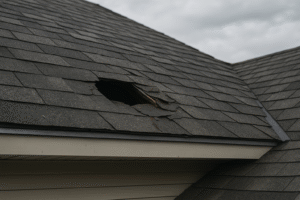
The Silent Crisis Growing Above Your Head
When homeowners think of mold, they imagine bathroom grout, damp basements, or plumbing leaks. Rarely do they suspect their roof.
And yet:
These leaks are often so small they never drip into living spaces. A hidden roof leak may not be visible on the surface or directly above the water stain, as water can travel within roofing layers and attic space before manifesting as a leak.
Up to 70% of household mold problems begin with small, hidden roof leaks.
Not plumbing.
lass=”yoast-text-mark” />>Not crawlspaces.
>Not flooding.
Roof leaks.
These leaks are often so small they never drip into living spaces. Instead, they soak into insulation, framing, and attic materials — where warmth and humidity create perfect mold conditions. By the time homeowners smell something musty or see a stain, mold colonies may already be spreading through:
- Attics
- Air ducts
- Walls
- Ceilings
- Insulation
- HVAC systems
And because mold thrives quietly and invisibly, roof-related mold problems often go undiagnosed for months or even years.
This comprehensive guide explains why roofs are the #1 source of mold, how to spot early warning signs, the dangers of untreated moisture, and how Reimagine Roofing protects homeowners with proactive roof inspections, leak detection, and modern moisture-resistant roofing systems.
Why Roof Leaks Cause So Much Mold — Even When They’re Small
Roof leaks behave differently from other kinds of water intrusion.
And chronic moisture = mold.
That’s why it’s crucial to catch a roof leak early, so you can prevent mold growth and avoid more extensive damage.
1. Roof leaks drip into hidden spaces
Unlike a burst pipe or a dishwasher leak, roof leaks rarely cause obvious puddles. Instead, water:
- Absorbs into sheathing
- Wicks into insulation
- Travels across rafters
- Pools under shingles
- Soaks into wooden framing
This hidden moisture is a mold paradise.
2. Roof leaks are warm — ideal mold habitat
Attics often reach 95–140°F, creating:
- Warm air
- Trapped humidity
- Dark spaces
- Minimal ventilation
This combination accelerates mold growth dramatically — sometimes within 24–48 hours.
3. Roof leaks are tied to weather cycles
Roof leaks often appear only:
- After storms
- During heavy winds
- During snow melt
- After hailstorms
- When humidity is high
Meaning they may go unnoticed by homeowners until mold growth is widespread.
4. Roof leaks remain active for months or years
Because the leak is not obvious, many homeowners have ongoing moisture problems but don’t realize it.
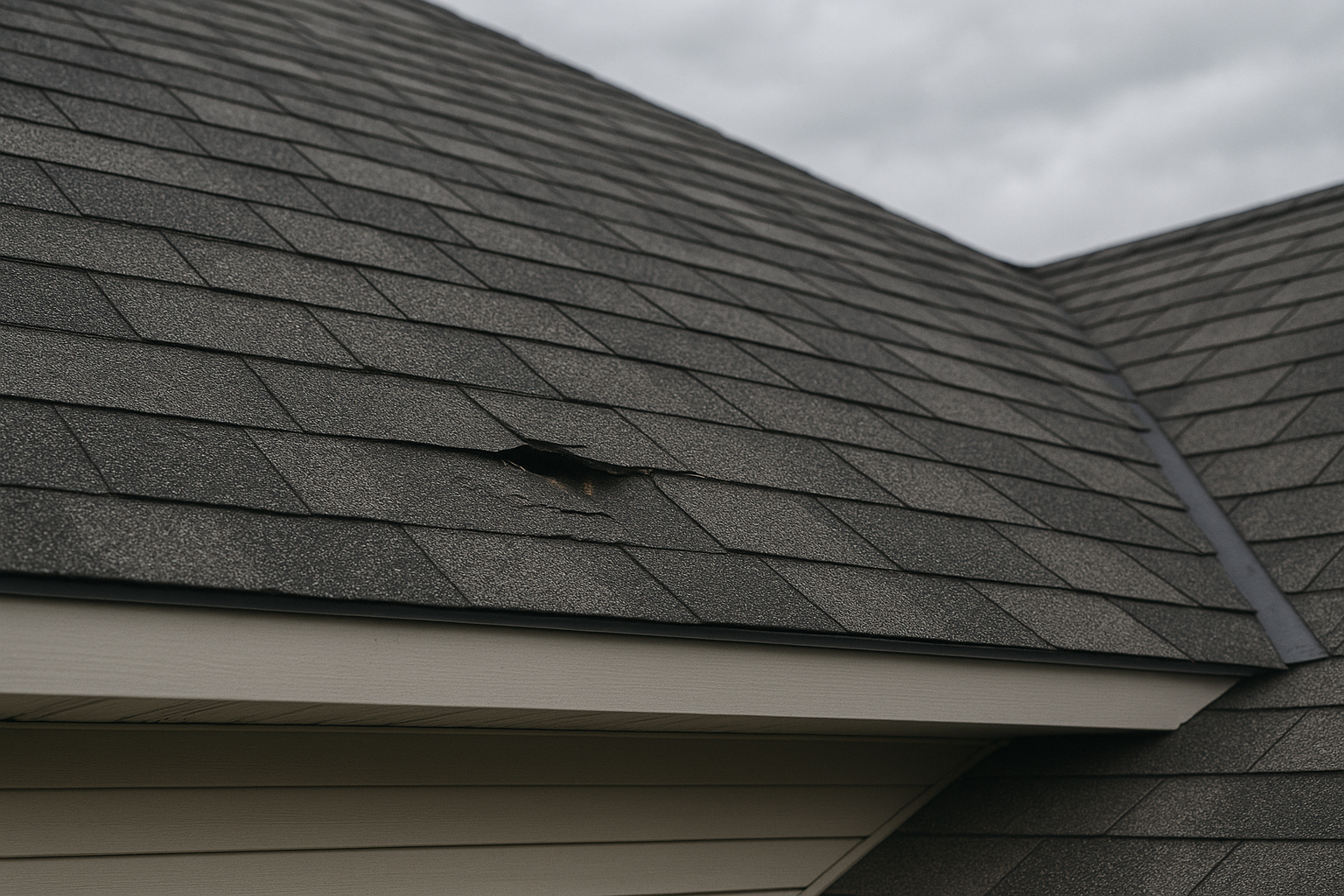
A single missing shingle or cracked flashing can cause:
- Slow drips
- Repeated soaking
- Chronic humidity in attic cavities
And chronic moisture = mold.
If left untreated, roof leaks can make the damage much worse, resulting in more extensive repairs and higher costs.
How Mold Forms From Roof Leaks (Step-by-Step Breakdown)
Here’s the typical process and progression of roof-induced mold:
Step 1: Water infiltrates roofing materials
This can occur through:
- Old, brittle shingles
- Nail pops
- Cracked seals
- Aging underlayment
- Poor ventilation
- Storm damage
- Deteriorated flashing
Roofing materials that are not properly installed can increase the risk of leaks and subsequent mold growth.
Step 2: Water saturates roof sheathing
The wood becomes discolored, soft, or swollen — but rarely visible to the homeowner.
Step 3: Moisture enters insulation
Once insulation is wet, it:
- Holds moisture for long periods
- Loses R-value (making home hotter)
- Provides organic material for mold
To prevent these issues, it is important that relative humidity in attic spaces is maintained below 60% to inhibit mold growth and ensure moisture is properly controlled.
Step 4: Mold spores colonize the attic
Attics contain:
- Dust
- Paper-back insulation
- Wood
- Humidity
Mold spreads rapidly across rafters, decking, and insulation. Mold consists of fungal matter, including hyphae and mycelium, which can quickly colonize and spread across attic materials.
Step 5: Mold enters the home’s air system
This is the most dangerous part.
Vents, ductwork, and ceiling cavities suck mold spores into the conditioned living space.
Symptoms often include:
- Allergies
- Headaches
- Persistent odors
- Respiratory irritation
- Fatigue
- Sinus problems
Mold spores and mycotoxins can pose significant health risks to humans, including allergic reactions and respiratory problems.
Homeowners often misdiagnose these issues for years.
Real Examples of “Small Roof Leaks” That Turn Into Big Problems
Roof leaks don’t always look like leaks.
Here are common small issues that lead to major mold outbreaks:
1. Nail Pops
When a nail backs out of the decking, it creates a tiny hole. Rainwater can follow the nail down into the attic.
This can create:
- Slow drips
- Wet wood
- Mold around decking boards
It’s important to fix nail pops promptly to prevent roof leaks and mold growth.
2. Cracked Pipe Boot Flashing
One of the most common causes of unseen leaks.
Even a small tear in a rubber vent boot allows rain to run directly into attic cavities.
3. Aging Skylight Seals
Skylight cracks and seal breakdown cause micro-leaks that don’t drip inside until it’s too late.
4. Hail or Wind Damage
Many homeowners think “no missing shingles = no roof problem.”
Not true.
Wind uplift can break shingle seals.
Hail can bruise underlayment.
Both allow water intrusion.
5. Damaged or Clogged Gutters
Overflowing gutters send water under the first row of shingles. It often looks like fascia damage, but the moisture ends up in attic insulation.
To prevent roof leaks and detect potential issues early, it’s important to keep gutters and downspouts clear of debris.
Why Roof-Related Mold Is Harder to Detect Than Other Mold
1. It grows in hidden spaces
Attics, ventilation shafts, and inside wall cavities are not places homeowners inspect regularly.
Having access to the attic is crucial for inspecting these hidden spaces for leaks and mold.
2. It spreads before it smells
Mold odor often appears months after mold growth starts.
3. Leaks are intermittent
Only occurring during certain storms or wind directions.
4. Discoloration is hidden by insulation
Most mold is buried under insulation layers — invisible until the insulation is removed.
5. It gets blamed on other causes
HVAC condensation, bathroom humidity, or old windows get blamed instead of the real culprit:
attic moisture caused by the roof.
Dangers of Ignoring Roof-Related Mold
Mold isn’t just a cosmetic problem.
It’s a structural and health threat.
Ignoring roof leaks can lead to further damage to your property and increased repair costs.
1. Health Risks
Mold can trigger:
- Allergies
- Chronic coughing
- Sinus infections
- Skin irritation
- Asthma episodes
- Fatigue
- Headaches
- Respiratory issues
Exposure to mold can potentially cause serious health issues, especially for vulnerable individuals.
For children, seniors, and immune-compromised individuals, the risks are higher.
2. Structural Damage
Long-term roof leaks lead to:
- Rotted roof decking
- Damaged rafters
- Sagging ceilings
- Weakened roof structure
- Ruined insulation
- Damaged walls and frames
Mold often indicates moisture damage far beyond what you can see. Mold growth can also cause extensive property damage, affecting building materials and personal possessions.
3. HVAC Contamination
Mold entering ducts results in:
- Odors throughout home
- Recirculated spores
- Reduced air quality
- Costly duct cleaning and sanitization
4. Higher Energy Bills
Wet insulation loses effectiveness.
That leads to:
- Hotter homes
- Overworked AC
- Higher electric bills
5. Home Value Decline
Buyers avoid homes with mold history.
Roof leaks must be:
- Reported
- Disclosed
- Remediated
- Verified
Mold can make selling a home difficult and expensive.
How To Know If Your Roof Is Causing Mold
Most homeowners miss the early signs. Here’s what to look for:
Before calling a professional, consider these practical tips for identifying and fixing roof leaks to help prevent further mold issues.
1. Musty Odor in Attic or Upper Floors
Classic early sign of roof moisture.
2. Discoloration on Ceiling or Walls
Yellow stains = water movement.
Brown stains = older water damage.
Black stains = moisture + time.
3. Condensation or Rust on Nails in Attic
This indicates trapped humidity — a precursor to mold.
4. Peeling Paint Near Rooflines
Often a sign of moisture from above, not below.
5. Hot Rooms or Inconsistent Temperatures
Wet insulation fails to control heat.
6. Visible Mold in Attic Wood or Insulation
If you can see mold, it’s already widespread.
How Reimagine Roofing Prevents and Eliminates Roof-Related Mold
Reimagine Roofing specializes in identifying, preventing, and correcting the underlying roofing issues that lead to mold growth.
Our services are designed to prevent mold growth by addressing roofing issues before they become serious.
Here’s how we protect homeowners:
1. Comprehensive Roof Leak Detection
Our inspectors look for:
- Micro-cracks
- Hidden hail bruising
- Loose shingles
- Failed flashing
- Skylight seal breakdown
- Nail pops
- Underlayment deterioration
We use thermal imaging and moisture meters to find leaks invisible to the naked eye.
2. Attic Moisture & Ventilation Assessment
We evaluate:
- Moisture levels
- Insulation health
- Ventilation flow
- Mold-prone areas
It’s important to inspect attic surfaces for signs of moisture or mold growth to catch issues early.
Proper ventilation greatly reduces mold risk.
3. Roof Replacement With Mold-Resistant Materials
Reimagine Roofing installs:
- Synthetic underlayments
- Mold-resistant barriers
- High-performance shingles
- Advanced flashing systems
- Leak-proof vent boots
- Storm-resistant materials
Proper installation of these roofing systems is crucial for creating a weather-resistant barrier and reducing the risk of leaks.
Each upgrade significantly lowers the chance of mold formation.
4. Emergency Roof Repairs
For active leaks, we offer:
- Fast response
- Storm damage repair
- Temporary tarping
- Permanent leak elimination
Stopping the leak quickly reduces mold spread.
Hiring a qualified roofer for emergency repairs ensures the work is done correctly and helps prevent future leaks.
5. Guidance on Mold Remediation
If mold is present, we coordinate:
- Mold testing
- Attic remediation
- Insulation replacement
- Moisture prevention
Our goal is to solve the root cause: the roof.
It is essential to follow established best practices during mold remediation to ensure the process is both effective and safe.
How to Protect Your Home From Mold — Starting Today
Preventing roof-related mold is far easier and cheaper than repairing it. Taking preventive steps now can save homeowners the hassle and inconvenience of major repairs and mold remediation.
1. Schedule Annual Roof Inspections
Especially after storms or monsoon season.
2. Inspect the Attic Twice a Year
Look for:
- Dark stains
- Wet insulation
- Musty smells
- Rusted nails
3. Keep Gutters Clean
Overflowing gutters cause roofline leaks.
4. Replace Aging Flashing
It’s one of the top causes of water intrusion.
5. Consider Upgraded Roofing Systems
Modern roofing materials are more mold-resistant and leak-proof than older systems.
Installing a new roof with impact-resistant and mold-resistant materials can help prevent future issues and reduce potential repair costs.
The True Cost of Ignoring a Small Roof Leak
A small leak can become:
- $800–$2,500 in mold remediation
- $3,000–$6,000 in insulation replacement
- $5,000–$12,000 in structural repairs
- $8,000–$25,000 in duct cleaning + HVAC mold removal
- $12,000–$40,000 in major roof replacement
All from a leak that originally cost less than $300 to repair.
Delaying repairs means you may have to pay much more for extensive damage, while addressing leaks promptly can save you significant money in the long run.
Protect Your Home From Mold Before It Starts
Get Reimagine Roofing’s FREE Roof Leak & Mold Risk Assessment
Our inspection includes:
✔ Full roof scan
✔ Attic moisture review
✔ Structural check
✔ Flashing & penetration inspection
✔ Insulation health check
✔ Ventilation evaluation
✔ Detailed report + recommendations
✔ Fast quote (often in under 24 hours)
Our experienced inspection team works collaboratively to ensure every aspect of your roof is thoroughly assessed.
Reimagine Roofing
Schedule your FREE roof inspection and protect your home, your health, and your investment.
Smart Roofing. Better Homes. Zero Mold Surprises.
Popular Posts