High Wind Roofing New Mexico: Fasteners, Underlayment, and Edge Protection That Matter

High Wind Roofing New Mexico: Fasteners, Underlayment, and Edge Protection That Matter
If you live in New Mexico, you already know this truth:
Wind is not an occasional problem—it’s a constant threat.
From spring wind events to powerful summer storms and sudden gusts rolling off desert plains and mountain corridors, New Mexico roofs face some of the most persistent wind stress in the country. The intense UV radiation from New Mexico’s high-altitude sun also accelerates roof deterioration, causing roofing materials to become brittle and crack over time. And unlike hail or heavy rain, wind damage doesn’t always leave obvious clues.
At Reimagine Roofing, we inspect countless roofs across New Mexico that “look fine” from the ground—but are quietly failing due to uplift, loosened fasteners, compromised underlayment, and weak roof edges.
In this guide, we’ll break down:
- Why New Mexico is uniquely hard on roofs
- How wind actually damages roofing systems
- Why fasteners matter more than shingle brand
- The critical role of underlayment in wind resistance
- Why roof edges are the most common failure point
- How modern roofing systems are engineered for high-wind zones
- What homeowners can do to prevent costly roof failure
- How to choose the best roofing materials for long-term durability in New Mexico’s climate
If your roof wasn’t designed specifically for high winds, this article could help you avoid thousands of dollars in preventable damage.
Why High Wind Roofing Matters in New Mexico
New Mexico’s geography creates a perfect storm for wind damage.
High winds in New Mexico can reach speeds of 60 mph or more, especially during spring and monsoon seasons. Monsoon storms also bring heavy rainfall that can expose existing weaknesses in roofing systems.
That’s why it’s crucial to choose roofing materials and installation methods that are specifically designed to withstand high winds and severe weather. For New Mexico homeowners, considering wind resistant options and ensuring compliance with local building codes is essential to protect your home, given New Mexico’s climate.
What Makes NM a High-Wind State
- Wide open desert terrain with little wind buffering
- Elevation changes that accelerate gusts
- Seasonal pressure systems
- Thunderstorm outflows and microbursts
- Long stretches of sustained wind, not just brief gusts
Areas like Santa Fe are especially affected by high-altitude sunlight and strong winds, making roofing solutions tailored to New Mexico’s climate essential.
Unlike coastal hurricanes, New Mexico wind damage often happens without dramatic storms. A roof can fail on a “clear” day simply due to sustained uplift forces.
How Wind Actually Damages a Roof (It’s Not What Most People Think)
Many homeowners assume wind damage means missing shingles.
In reality, wind works differently. Wind uplift forces and wind forces can compromise a roof’s integrity, leading to structural damage if not properly addressed. High winds can loosen or tear shingles completely off, leaving your roof exposed to leaks and flying debris that can further damage your home.
Wind can create pressure differences on your roof, causing shingles to lift, curl, or break their seal. This makes it easier for water to penetrate and for debris to cause additional harm. Over time, repeated exposure to these forces can weaken the entire roofing system.
Choosing roofing materials designed to withstand wind uplift forces and impact from flying debris is essential in New Mexico’s high wind zones. Wind resistance refers to the overall ability of a roofing system to withstand the effects of wind, including wind-driven rain and debris impact.
Wind Attacks Roofs From Below
As wind flows over a roof, it creates negative pressure (uplift)—similar to how airplane wings generate lift.
This uplift:
- Pulls shingles upward
- Loosens fasteners
- Breaks adhesive seals
- Compromises underlayment
- Attacks roof edges first
A properly secured roof deck and the use of resistant roofing materials are essential for wind uplift resistance, especially in wind-prone areas. Homeowners in regions prone to high winds should prioritize both wind uplift resistance and overall wind resistance when choosing a roof.
Once the roof system is breached, damage spreads rapidly.
The Roofing System: It’s More Than Shingles
A roof is only as strong as its weakest component.
In high-wind environments like New Mexico, choosing the right roofing materials and roofing components is crucial for optimal high wind performance. Three elements matter most:
- Fasteners
- Underlayment
- Edge protection
The way the roofing system performs in high winds depends on the quality of materials, components, and installation, including the use of high quality shingles. The strength of the seal between shingles is the single most important factor for high-wind performance.
If any of these fail, the roof fails—regardless of shingle quality.
Fasteners: The Backbone of Wind Resistance
Why Fasteners Matter More Than Shingles
Shingles don’t stay in place by magic—they’re held down by fasteners.
In high wind conditions:
- Improper fasteners pull out
- Under-driven nails allow movement
- Over-driven nails tear through shingles
- Incorrect spacing reduces holding power
Many wind-related roof failures start with fastener failure, not material failure.
Common Fastener Mistakes We See in New Mexico
At Reimagine Roofing, we frequently find:
- Staples instead of nails
- Short nails that don’t penetrate decking
- Nails missing the reinforced nail strip
- Inconsistent nail placement
- Corroded fasteners in older roofs
Any one of these compromises wind resistance.
Best Fastener Practices for High Wind Roofing
For New Mexico homes, high-wind roofing systems should include:
- Ring-shank or high-hold nails
- Proper nail length to penetrate decking
- Correct nail placement per manufacturer specs
- Increased fastening patterns in wind zones
Always ensure all fastener practices comply with local building codes for maximum wind resistance.
Fasteners must work with the roofing system—not against it.
Underlayment: The Unsung Hero of Wind Protection
Most homeowners never see underlayment—but it often determines whether a roof survives a wind event.
Proper underlayment and flashing help prevent water intrusion and mold growth, especially after heavy monsoon rains, and also help maintain energy efficiency by protecting insulation and roofing components.
What Underlayment Does in High Winds
Underlayment:
- Acts as a secondary water barrier
- Protects decking if shingles lift or blow off
- Reduces wind-driven rain infiltration
- Helps maintain structural integrity during storms
In New Mexico, underlayment often becomes the last line of defense. Using resistant roofing underlayment is key to overall roof durability in high-wind environments.
Why Traditional Felt Underlayment Falls Short
Older felt underlayment:
- Tears easily under uplift
- Absorbs moisture
- Degrades quickly in heat
- Offers limited wind resistance
When shingles lift, felt often fails immediately.
Synthetic Underlayment: A Must for NM Winds
Modern synthetic underlayments:
- Are tear-resistant
- Stay flexible in heat and cold
- Resist UV exposure
- Handle prolonged uplift better
For high wind roofing in New Mexico, synthetic underlayment isn’t an upgrade—it’s a necessity, offering superior durability compared to traditional materials.
Self-Adhered Underlayment: Extra Protection Where It Counts
In critical areas, self-adhered (peel-and-stick) underlayment provides:
- Superior adhesion to decking
- Reduced wind-driven water intrusion
- Added protection at eaves, valleys, and edges
These areas experience the highest uplift pressure during wind events.
Edge Protection: Where Most Roofs Fail First
If you remember only one thing from this article, remember this:
Roof edges fail first in high winds.
If there’s one area of the roof that consistently fails first during high wind events in New Mexico, it’s the edges.
Roof edges experience the highest uplift pressure when wind flows over a home. Once the edge fails, wind can get underneath the roofing system and begin peeling it back—often in seconds.
It’s also important to inspect for cracked flashing at roof edges, as this can be a weak point in high winds and lead to leaks or water damage if not repaired.
Why Roof Edges Are So Vulnerable in NM
Wind accelerates at roof corners
Pressure differences are strongest along eaves and rakes
Improperly secured materials lift easily
Older installation standards didn’t account for today’s wind speeds
Many roofs that “look fine” lose edge components long before shingles blow off.
Drip Edge: Small Detail, Big Impact
Drip edge is more than a cosmetic metal trim—it’s a critical structural component for high wind roofing.
What Drip Edge Does
- Secures the perimeter of the roof
- Protects roof decking from moisture
- Helps lock down shingles at edges
- Reduces uplift during wind events
Without proper drip edge, wind can get underneath the first course of shingles and start a chain reaction.
Common Drip Edge Mistakes We See in New Mexico
At Reimagine Roofing, we often find:
- No drip edge at all (common on older homes)
- Improper overlap
- Incorrect fastening spacing
- Thin metal that bends or warps
- Drip edge installed over underlayment instead of under it
Any of these weaken the roof’s ability to resist wind.
Starter Strips: The First Line of Defense
Starter strips are specially designed shingles installed at roof edges to:
- Provide enhanced adhesive sealing
- Anchor the first row of shingles
- Reduce uplift at the most vulnerable points
Using cut shingles instead of manufacturer-approved starter strips is a common cost-cutting shortcut—and one of the biggest causes of edge failure in high winds.
Ridge Caps & Hip Caps: Wind Targets You Can’t Ignore
Wind doesn’t just attack edges—it also targets the highest points of the roof.
Why Ridge Caps Matter in High Wind Areas
Ridge and hip caps:
- Are fully exposed to wind from multiple directions
- Experience both uplift and shear forces
- Are often improperly fastened
Loose ridge caps can allow wind-driven rain inside even when the rest of the roof looks intact.
High-wind installations require:
- Correct cap type
- Proper fastener count
- Manufacturer-specified sealants
Decking: The Foundation of Wind Resistance
Even the best shingles and fasteners can’t save a roof if the decking is compromised.
- Concrete tiles and clay tiles, known for their wind-resistant properties, require a sturdy, often reinforced, roof deck due to their significant weight.
How Decking Impacts Wind Performance
- Loose decking reduces fastener holding power
- Gaps allow movement during uplift
- Old or thin decking splits under stress
During high wind roofing projects in New Mexico, decking must be:
- Properly spaced
- Securely fastened to framing
- Repaired or replaced when damaged
Skipping decking inspection is a recipe for failure.
Shingle Ratings vs Real-World Wind
Many shingles are rated for winds up to 110–130 mph—but those ratings assume:
- Proper installation
- Correct fasteners
- Approved underlayment
- Proper edge protection
High-quality architectural shingles with a Class H rating can support winds of 110–130 mph or more. Architectural composite shingles should be high-quality and rated for winds of 110–130 mph.
In the real world, most wind failures happen because installation details weren’t followed, not because shingles weren’t strong enough. Note that a 130 mph wind warranty only applies if the roof was installed correctly according to manufacturer specifications.
High-Wind Roofing Isn’t About One Product—It’s a System
This is one of the most important takeaways for homeowners.
A roof doesn’t fail because of:
- Just the shingles
- Just the wind
It fails because the system wasn’t designed for high wind conditions.
Choosing reputable roofing companies with experience in New Mexico’s local conditions is essential for ensuring your roof’s long-term performance and compliance with regional building standards.
High-wind roofing success depends on:
- Fasteners working with decking
- Underlayment backing up shingles
- Edge protection locking everything down
- Venting and flashing installed correctly
Regular inspections and professional inspection are crucial to identify vulnerabilities before they lead to costly repairs, especially given New Mexico’s extreme weather. Miss one element, and the system weakens.
Signs Your Roof May Be Vulnerable to High Winds
You don’t need to wait for shingles to blow off to have a problem.
Watch for:
- Lifting or flapping sounds during windy days
- Loose or rattling edge metal
- Exposed nail heads
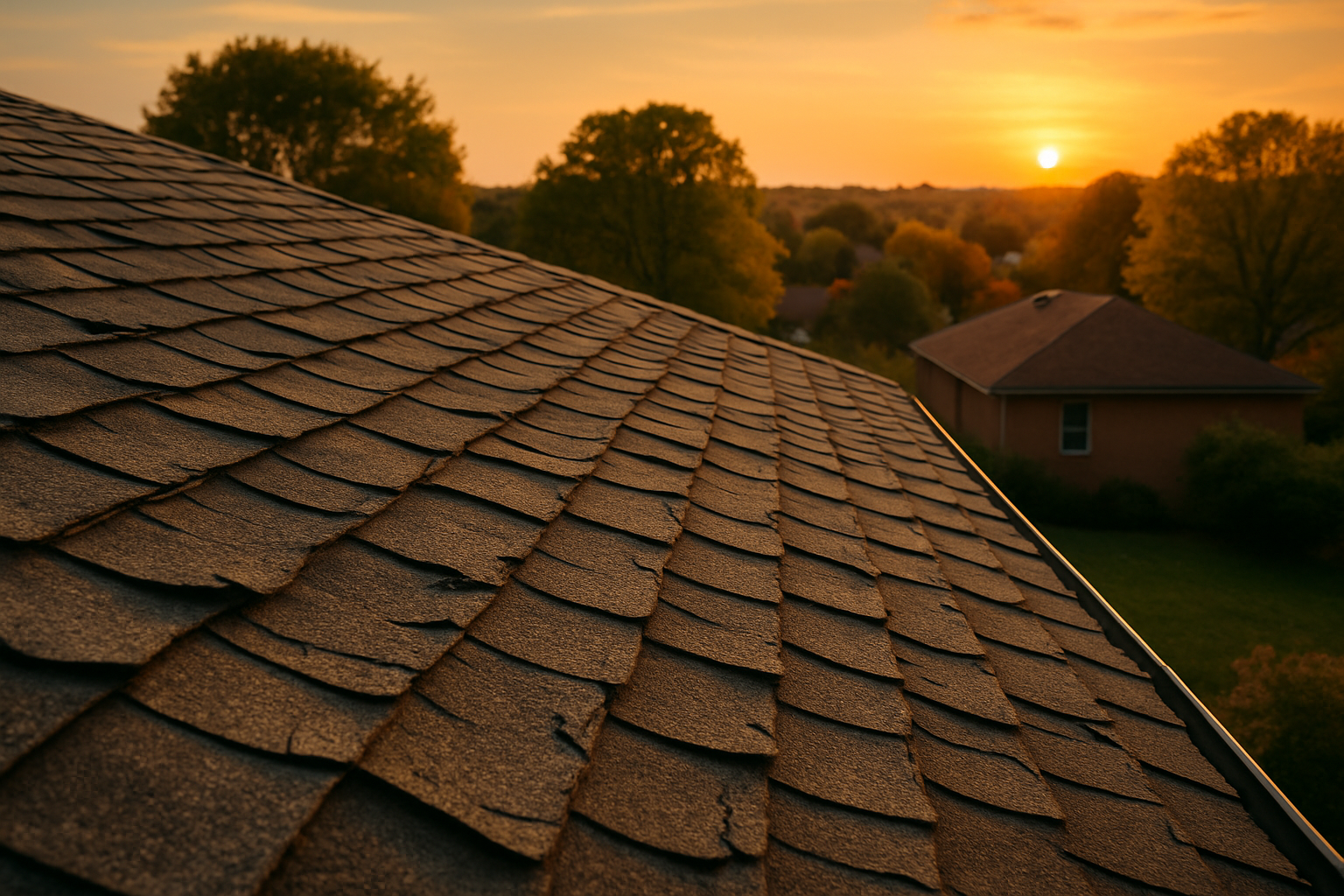
- Curling or uneven shingles
- Missing starter strip adhesion
- Ridge caps that look misaligned
- Loose shingles
These are early warnings—not cosmetic issues.
After storms, it’s important to inspect your roof for missing shingles or loose materials to prevent further damage.
Repair vs Replacement After Wind Damage
When Repairs Might Be Enough
- Damage is localized
- Shingles remain flexible
- Underlayment is intact
- Decking is solid
Using durable materials, such as asphalt shingles, can also result in fewer repairs over the roof’s lifespan due to their resistance to harsh weather conditions.
When Replacement Makes More Sense
- Multiple wind events have occurred
- Fasteners have loosened across large areas
- Underlayment has been compromised
- Edge protection is failing throughout
- Roof is near the end of its lifespan
In New Mexico, repeated wind stress often means replacement is the safer long-term investment.
Why High-Wind Roofing Saves Money Long-Term
While high-wind roofing systems can cost more upfront, they often:
- Reduce repair frequency
- Prevent interior damage
- Extend roof lifespan
- Improve insurance outcomes
- Provide peace of mind during storm season
- Lower energy costs by improving energy efficiency through better material and color choices
Cutting corners in a high-wind state almost always costs more later.
Why Professional Installation Matters More Than Ever
High-wind roofing isn’t forgiving.
Small mistakes—like a misplaced nail or missing drip edge—can lead to:
- Progressive roof failure
- Denied insurance claims
- Expensive emergency repairs
That’s why experience in New Mexico-specific wind conditions matters.
Choosing local roofing companies is crucial, as they understand New Mexico’s unique weather patterns and building codes. Top-rated roofing contractors in New Mexico include Interstate Roofing, EverGuard Roofing, Roof-Tech, Maverick Roofing, and East Mountain Roofing.
How Reimagine Roofing Builds Roofs for New Mexico Winds
At Reimagine Roofing, we don’t install “standard” roofs in high-wind areas.
We:
- Use enhanced fastening patterns
- Install high-performance underlayments
- Reinforce edges and corners
- Follow manufacturer wind-zone specifications
- Inspect decking thoroughly
- Build roof systems—not just shingle layers
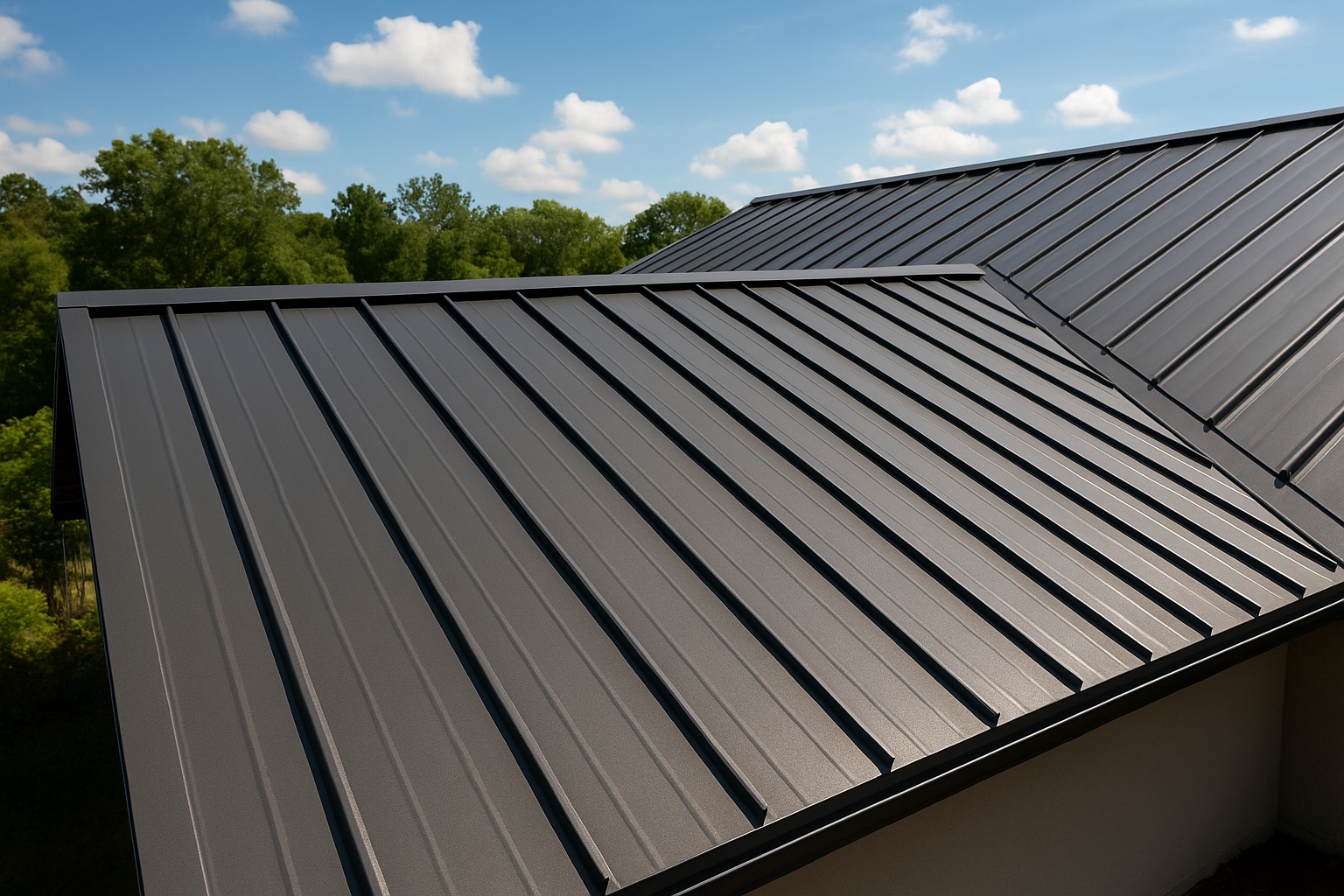
- Recommend and install metal roofing, especially standing seam metal roofing and metal panels, for greater wind resistance
Metal roofing systems are often the most wind-resistant option, rated to withstand winds from 140 mph to over 160 mph, and are considered the best long-term option for high winds. Metal roofs, particularly standing seam designs, are among the best roofing materials to withstand wind and wind uplift due to their durability and lightweight nature.
Our goal is simple: build roofs that stay put when the wind shows up.
Wind Is Inevitable—Roof Failure Isn’t
New Mexico’s wind isn’t going away. But roof failure doesn’t have to be part of living here.
By focusing on:
- Proper fasteners
- Durable underlayment
- Reinforced edge protection
Homeowners can dramatically reduce the risk of roof damage—and the stress that comes with it. Regular inspections and seasonal maintenance are essential for roof durability, helping to extend the life of your roofing materials and prevent costly roof damage.
Schedule Your FREE High-Wind Roof Inspection in New Mexico
If your home is exposed to frequent or strong winds, don’t assume your roof is ready. Homeowners should conduct regular visual inspections of their roof at least twice a year, ideally in spring and fall, to catch any early signs of wind damage.
👉 Get a FREE Roof Inspection from Reimagine Roofing
We’ll assess fasteners, underlayment, edge protection, and overall wind resistance—clearly and honestly.
- No pressure
- No obligation
- High-wind expertise
- Fast quotes and estimates—often in under 24 hours
Reimagine a roof built for New Mexico winds—not one waiting to fail.
Popular Posts