How Cool Roofs and Solar Cut 110°F Roof Heat in the Southwest
How Cool Roofs and Solar Cut 110°F Roof Heat in the Southwest
Cool Roofs, Solar Panels & Heat Reflection: How to Combat Up to 110 °F Roof Temps in Arizona, New Mexico, Texas & Utah
When summer temperatures climb past 110°F, the roof over your home becomes more than just a protective barrier—it becomes the first line of defense against extreme heat. If you live in Arizona, New Mexico, Texas, or Utah, you know the scorching sun isn’t just uncomfortable; it can drive up your energy bills, prematurely age your roof, and even impact your indoor air quality.
Fortunately, roofing technology has evolved. Today’s homeowners have smarter options—cool roofs, solar-ready roofing systems, reflective materials, advanced insulation, and heat-deflecting coatings that dramatically reduce heat absorption.
In this in-depth guide, we break down everything homeowners need to know about battling triple-digit roof temps, improving comfort, and lowering energy costs. Whether you live in Phoenix, Tucson, Albuquerque, Santa Fe, Dallas, Austin, Salt Lake City, or St. George, these strategies work where the heat hits hardest, but keep in mind that the effectiveness of cool roof solutions can vary depending on your specific location within the Southwest.
Why Roof Heat Is a Critical Issue in AZ, NM, TX, UT
Your Roof Is the Hottest Part of Your Property
While ground temperatures in these states regularly hit 100–115°F, your roof can reach:
- 150–190°F asphalt shingles
- 140–170°F dark tile / clay roofs
- 130–160°F metal roofs
- 150–200°F flat roofs (common on Southwestern homes)
This intense heat transfers downward into your attic and living spaces. Depending on your roof and insulation, you may experience:
- Hot bedrooms and upstairs spaces
- Air conditioning systems that can’t keep up
- Increased cooling costs (20–40% higher in summer)
- Faster roof deterioration
- Moisture buildup and poor ventilation
In desert and semi-arid climates, heat isn’t just a comfort issue—it’s a roof lifespan killer.
How Extreme Heat Damages Your Roof
Thermal Expansion & Contraction
Roofs in AZ, NM, TX, and UT experience huge daily temperature swings. This creates:
- Warping
- Shingle curling
- Cracked underlayment
- Loose granules
- Sealant breakdown
This process shortens a typical asphalt roof’s lifespan from 25–30 years down to 15–20 years or less in high-heat zones.
UV Degradation
UV radiation is strongest in the Southwest U.S. It bleaches, dries, and weakens roofing materials faster than in cooler regions.
Some roofing products are more resistant to UV degradation than others, making them better suited for high-sunlight regions.
Superheated Attics
An attic in Arizona or Texas can hit 160–180°F without ventilation or insulation improvements.
This heat forces your AC system to work significantly harder, increasing electric bills every summer.
Reduced Energy Efficiency
Without reflective roofing, your home absorbs up to 90% of the sun’s heat directly into the structure.
Cultural and Architectural Influences on Roofing in the Southwest
The roofs that define the skylines of Arizona, New Mexico, Texas, and Utah are more than just practical—they’re a reflection of the region’s rich cultural tapestry and architectural evolution. From the sunbaked adobe homes of northern New Mexico to the mission-style tiles of the Southwest, roofing in this part of the United States is deeply rooted in centuries of tradition, adaptation, and innovation.
What Is a “Cool Roof”—and Why Homeowners Want One Now
A cool roof is designed to reflect more sunlight and absorb less heat than a standard roof. Cool roofs use:
- Reflective shingles
- Heat-resistant coatings
- Light-colored materials
- Special granules or membranes
- Solar-reflective underlayment
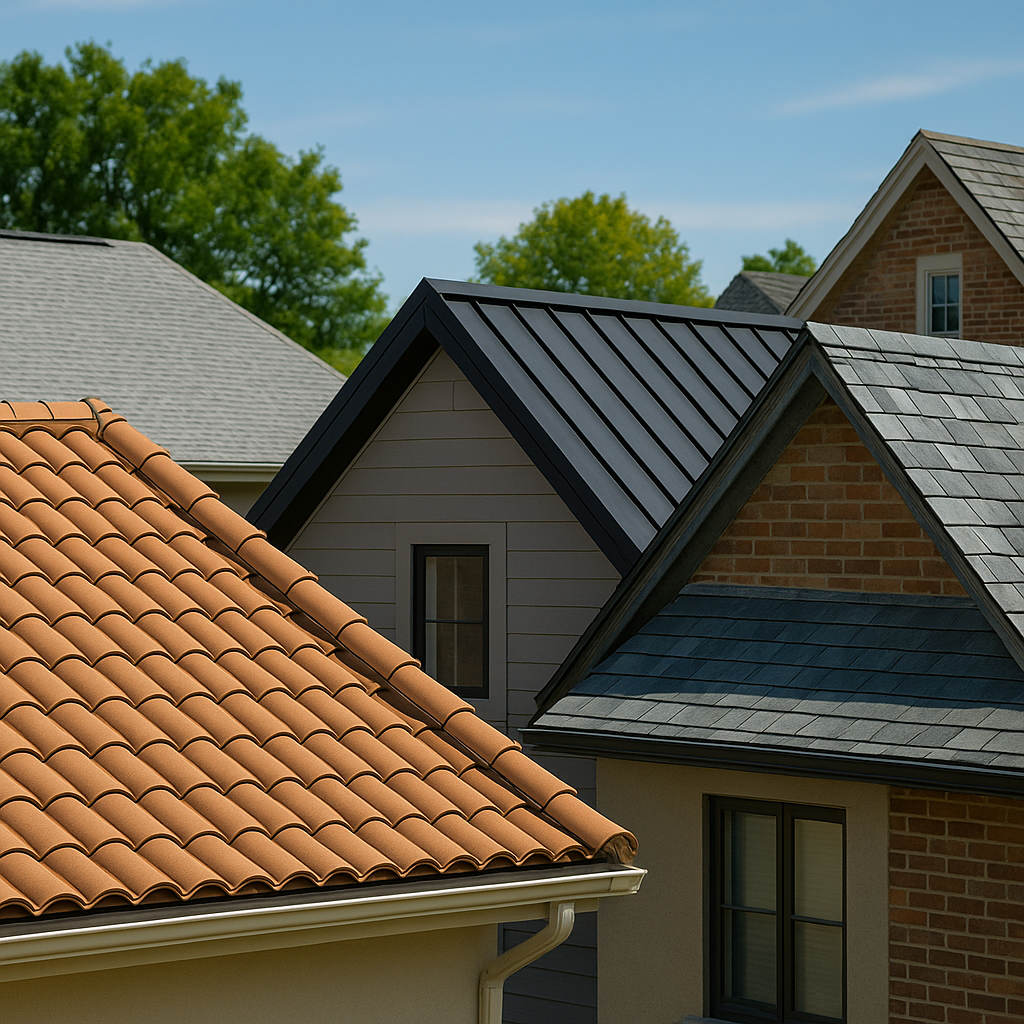
A variety of roof types—including shingles, tiles, metal, and membranes—can be designed or retrofitted as cool roofs.
Two Main Factors Make a Roof “Cool”
Solar Reflectance (SR):
How much sunlight the roof reflects. Higher = cooler.
Thermal Emittance (TE):
How efficiently the roof releases absorbed heat.
To qualify as a “cool roof,” materials typically need:
- SR ≥ 0.25–0.65
- TE ≥ 0.80–0.90
Best Cool Roof Options for Homeowners in AZ, NM, TX, UT
Below are the most effective roofing systems for extreme desert and semi-arid heat; selecting the right system during the building or renovation phase can maximize energy efficiency.
Light-Colored or Reflective Shingles
Modern “cool shingles” from top manufacturers use light-reflective granules.
Ideal For: All four target states
Benefits:
- Look like regular shingles
- Lower roof surface temps by 15–50°F
- Often ENERGY STAR–rated
- Affordable upgrade vs full roof replacement
Cool Roof Coatings (Elastomeric or Silicone)
These coatings create a reflective, waterproof membrane applied over shingle, tile, metal, or flat roofs. Cool roof coatings can be incorporated during new construction projects or applied as a retrofit to existing roofs, making them a flexible solution for various construction phases.
Perfect for:
- Arizona monsoon areas
- New Mexico adobe / flat roofs
- Texas ranch-style homes
- Utah homes with strong UV seasons
Benefits:
- Reflects 60–85% of sunlight
- Extends roof life 10–15 years
- Seals cracks and prevents leaks
- Improves attic temps by up to 15–30%
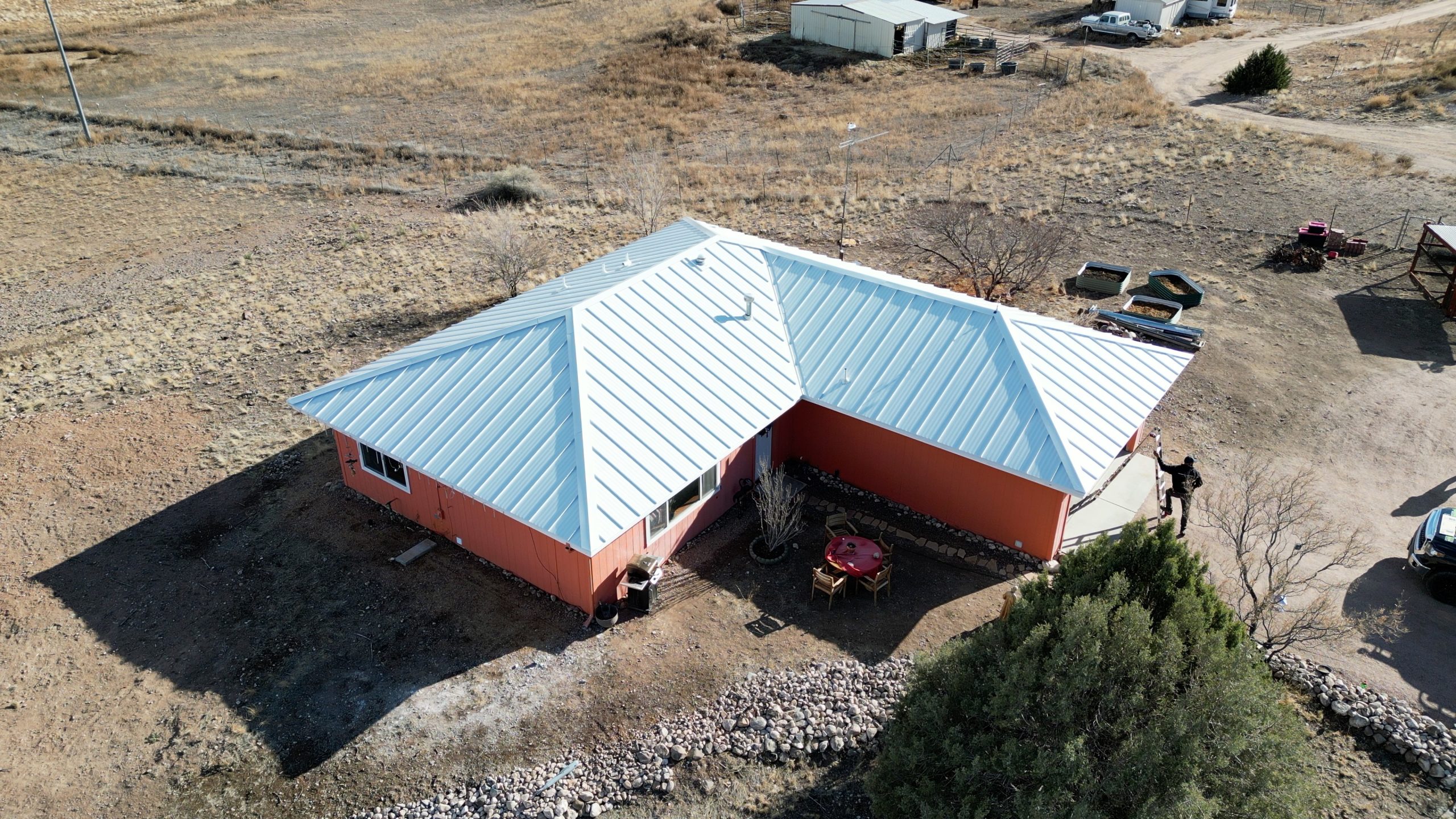
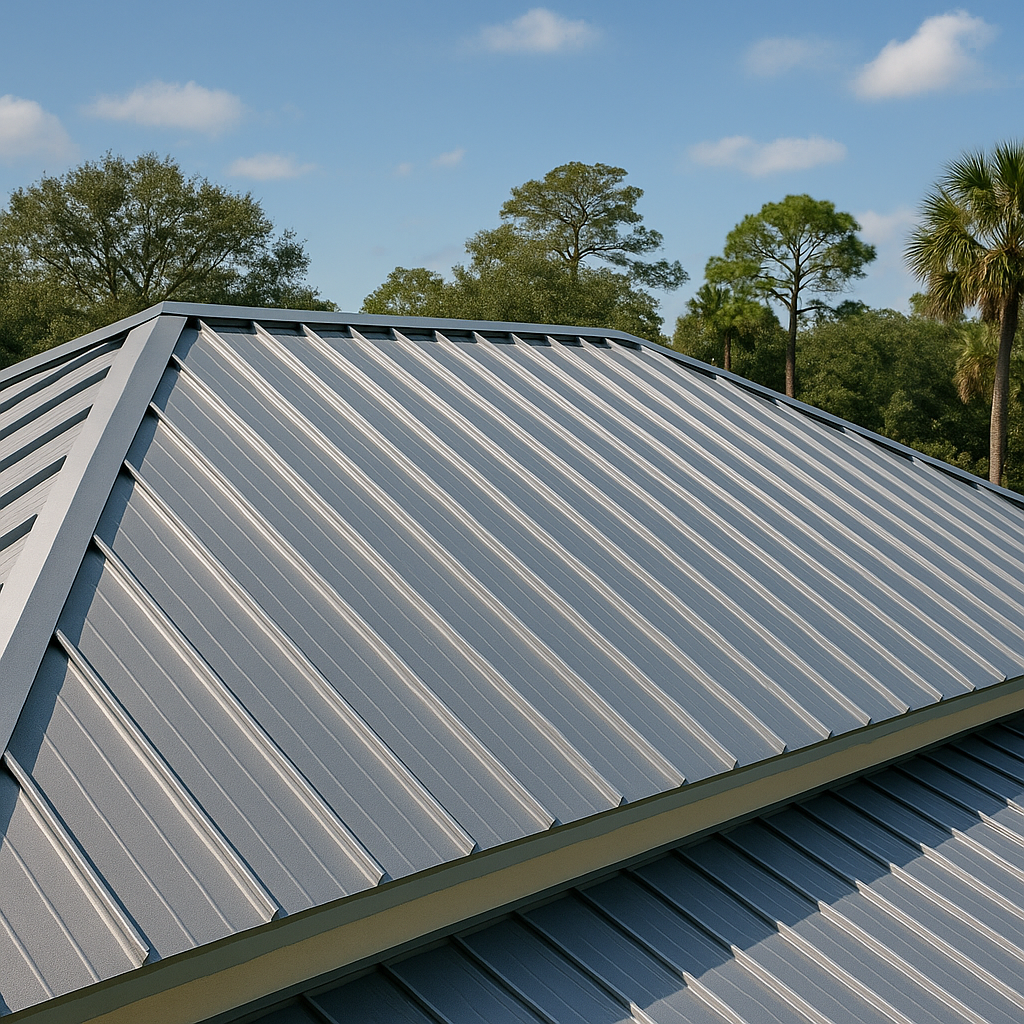
Metal Roofing with Reflective Finish
Metal roofs with cool pigments are one of the best heat-reflecting roofing systems available.
Benefits:
- Easily reflects 60–90% of heat
- Lasts 50+ years
- Perfect for solar integration
- Fire-resistant (big benefit for dry climates)
Metal roofs are becoming increasingly popular in Arizona, Texas, and Utah for their modern look and performance.
Clay, Concrete & Tile Roofs
Tile roofs are naturally heat resistant because:
- They have natural air gaps
- They radiate heat more slowly
- They pair well with reflective coatings
Tile roofs perform exceptionally well in Arizona and New Mexico, where adobe and Mediterranean-style homes are common.
TPO & PVC Roofing (Best for Flat Roofs)
These white membrane roofing systems are ideal for Southwestern flat roofs.
Benefits:
- Extremely reflective
- Highly durable in heat
- Energy efficient
- Resistant to cracking
Flat roofs are common in New Mexico and Arizona, making TPO/PVC a top choice.
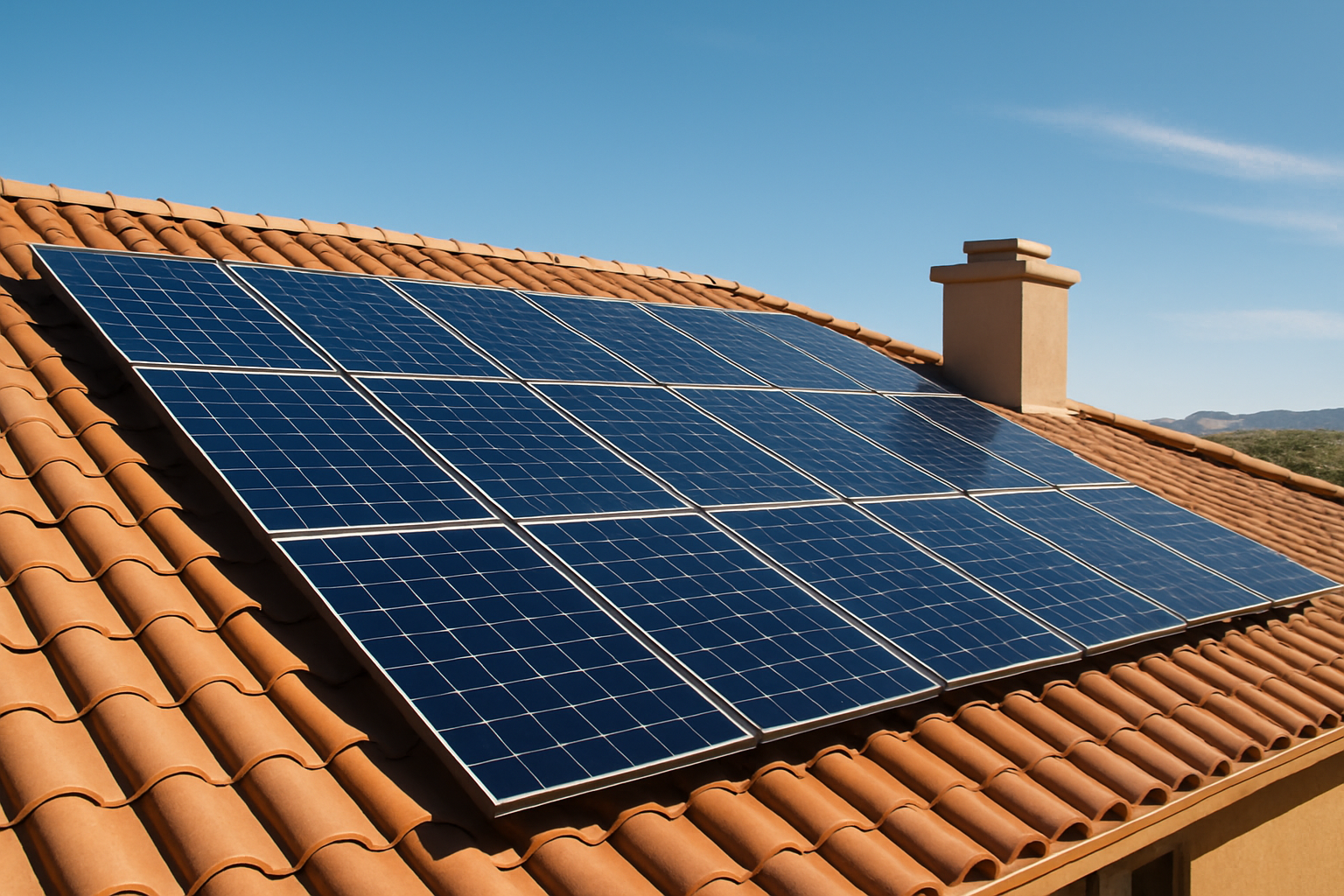
Solar Panels as a Heat Shield? Yes—Here’s Why.
Solar panels don’t just produce energy—they shade your roof.
Studies show that solar panels can reduce roof surface temps by 10–35°F right below the panels.
How Solar Lowers Roof Temperatures
- Panels block direct sunlight
- Airflow beneath panels adds cooling
- Panels shade the hottest areas of the roof
Why Solar + Cool Roofing Is a Power Combo
Homeowners in hot climates are increasingly pairing:
- Cool roofing (reflective materials)
- Solar panels (shade + energy savings)
The result:
Lower AC loads + lower energy bills + lower roof temperatures + renewable power.
Best States for Solar Integration
Your four service states all rank high for solar potential:
- Arizona → #2 in U.S. solar production
- New Mexico → huge incentives + sunny climate
- Texas → fastest-growing solar market nationwide
- Utah → excellent net metering programs
Combining solar + cool roof systems is a long-term smart investment.
Advanced Heat-Blocking Upgrades Homeowners Should Consider
If you want maximum cooling, pair cool roofing with these enhancements.
Radiant Barrier Underlayment
Placed under roofing materials, radiant barriers reflect heat away from the interior.
Benefits:
- Reduces attic temps by 20–30°F
- Cuts cooling bills 5–20%
- Works especially well in AZ & TX homes
Attic Insulation Upgrades
Even the best roof can’t perform well without proper insulation.
- Blown-in insulation
- Spray foam
- Hybrid insulation systems
Attic insulation is essential for Utah and New Mexico, where nighttime temperatures drop sharply.
Ridge, Soffit & Gable Ventilation
Heat rises—ventilation gives it a place to escape.
Proper airflow prevents:
- Heat buildup
- Moisture issues
- Warped framing
- AC overload
Homes in Arizona and Texas especially benefit from enhanced ventilation because attic temperatures swing the most dramatically.
Solar Roof Fans
These systems use solar energy to power fans that pull hot air out of the attic.
Especially effective in:
- Phoenix, AZ
- Las Cruces, NM
- Dallas & Houston, TX
- St. George & Moab, UT
How Much Can Cool Roofing Reduce Your Energy Bills?
Exact savings depend on materials, house design, and local climate, but most homeowners in the Southwest can expect:
- 15–40% reduction in summer cooling costs
- 10–25°F lower attic temperatures
- 10–50°F reduction on roof surfaces
- Up to 5–15 extra years added to roof lifespan
In Arizona and Texas, where cooling loads are high, savings are significant. Per capita energy savings can also be substantial in these regions, reflecting the high demand for cooling on an individual basis.
State-by-State Climate Benefits
Arizona
- Extreme UV index
- Monsoon storms
- High summer heat (110–118°F)
Best choices: cool shingles, metal roofs, tile, elastomeric coatings, solar panels.
New Mexico
- High elevation UV
- Large temperature swings
- Many flat-roof homes
New Mexico is a region in the Southwest known for its unique climate and diverse cultural influences. Much of the state’s land features flat-roof homes and open spaces. There is a significant presence of Native American communities, including the Navajo Nation in the northwest. The north central part of the state, especially around Albuquerque, has a higher population density compared to other areas.
Texas
- Extreme heat
- High humidity in some regions
- Rapid temperature changes
Best choices: metal roofs, reflective shingles, solar roofing systems.
Utah
- Strong summer UV
- Snow in winter
- Cold-to-hot temperature cycling
Best choices: metal roofs, cool shingles, solar panel integration.
How Homeowners Can Decide Which Cool Roof Option Is Best
Choosing the right system depends on:
- Home style (flat vs pitched)
- Roof age
- Budget
- Solar plans
- HOA rules
- Regional weather patterns
A professional inspection is the fastest way to determine which options will:
- Lower your energy bills
- Improve comfort
- Extend your roof’s lifespan
- Increase home value
- Prepare your roof for solar
Why Work with Reimagine Roofing
Reimagine Roofing specializes in modern, energy-efficient roofing solutions built for extreme heat, available for both homes and buildings.
We offer:
- Cool roof installations
- Reflective coatings
- Heat-resistant underlayments
- Attic ventilation upgrades
- Solar-ready roof designs
- Insulation improvements
- Storm and monsoon protection
Whether your home is in Arizona, New Mexico, Texas, or Utah, we build roofing systems that protect you from the Southwest’s brutal summer heat.
Get a Cool Roof or Solar-Ready Roof Designed for 110°F+ Temperatures
If your home is struggling to stay cool or your energy bills keep rising, it’s time to upgrade your roofing system.
Reimagine Roofing helps homeowners in AZ, NM, TX & UT build roofs designed for the heat of the Southwest.
Get a Free Roof Inspection & Fast Quote (Under 24 Hours!)
Beat the heat. Lower your bills. Protect your home.
Schedule your FREE roof inspection today—fast, no-obligation, and solar-ready.
Get a quote in under 24 hours.
Let Reimagine Roofing help you combat 110°F+ roof temperatures with cool roofing solutions built for the Southwest.
Popular Posts