What to Do If Your Insurer Says Your Roof Needs Replacement Before Renewal
What to Do If Your Insurer Says Your Roof Needs Replacement Before Renewal
What to Do If Your Insurer Says Your Roof Needs Replacement Before Renewal
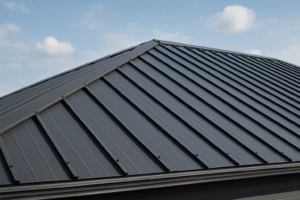
A Connecticut, Delaware, and Pennsylvania Homeowner’s Plan
Homeowners across Connecticut, Delaware, and Pennsylvania are facing a growing and stressful reality: insurance companies are tightening their rules, scrutinizing roof age more aggressively, and in many cases, refusing to renew policies unless a full roof replacement is completed first.
If you’ve recently received a letter, email, or notice from your insurer saying your roof needs to be replaced before they can renew your homeowners policy, you’re not alone. Across the Northeast and Mid-Atlantic, thousands of homeowners are being flagged—not because their roof is leaking—but because insurers believe the roof is “too old,” “beyond actuarial risk thresholds,” or “no longer compliant with underwriting standards.”
This guide will walk you through exactly what to do, step by step, to protect your home, safeguard your house, and ensure the safety and comfort of your family, avoid gaps in insurance coverage, stay compliant with state requirements, and ensure you’re making the smartest financial decision—not just the fastest one under pressure.
Why Insurance Companies Are Suddenly Enforcing Roof Age Requirements
To homeowners, it feels like insurers changed the rules overnight.
But behind the scenes, several industry-wide forces have collided:
Severe Weather Trends Are Increasing Claim Frequency
Connecticut, Delaware, and Pennsylvania have seen a significant rise in:
- Windstorms
- Heavy snowfall
- Ice dams
- Nor’easters
- Hail events
- Sudden severe rain and microbursts
Even moderate storms now cause higher-than-average roof damage compared to a decade ago.
Carriers Are Experiencing Higher Loss Ratios
Insurance companies are paying out more than they bring in for property claims. Roof damage is one of the costliest claims categories, so insurers attempt to reduce risk by enforcing strict roof replacement rules.
Drones & Satellite Imaging Allow Insurers to Spot Problems Automatically
Insurers now use:
- AI-powered roof mapping
- Satellite age estimates
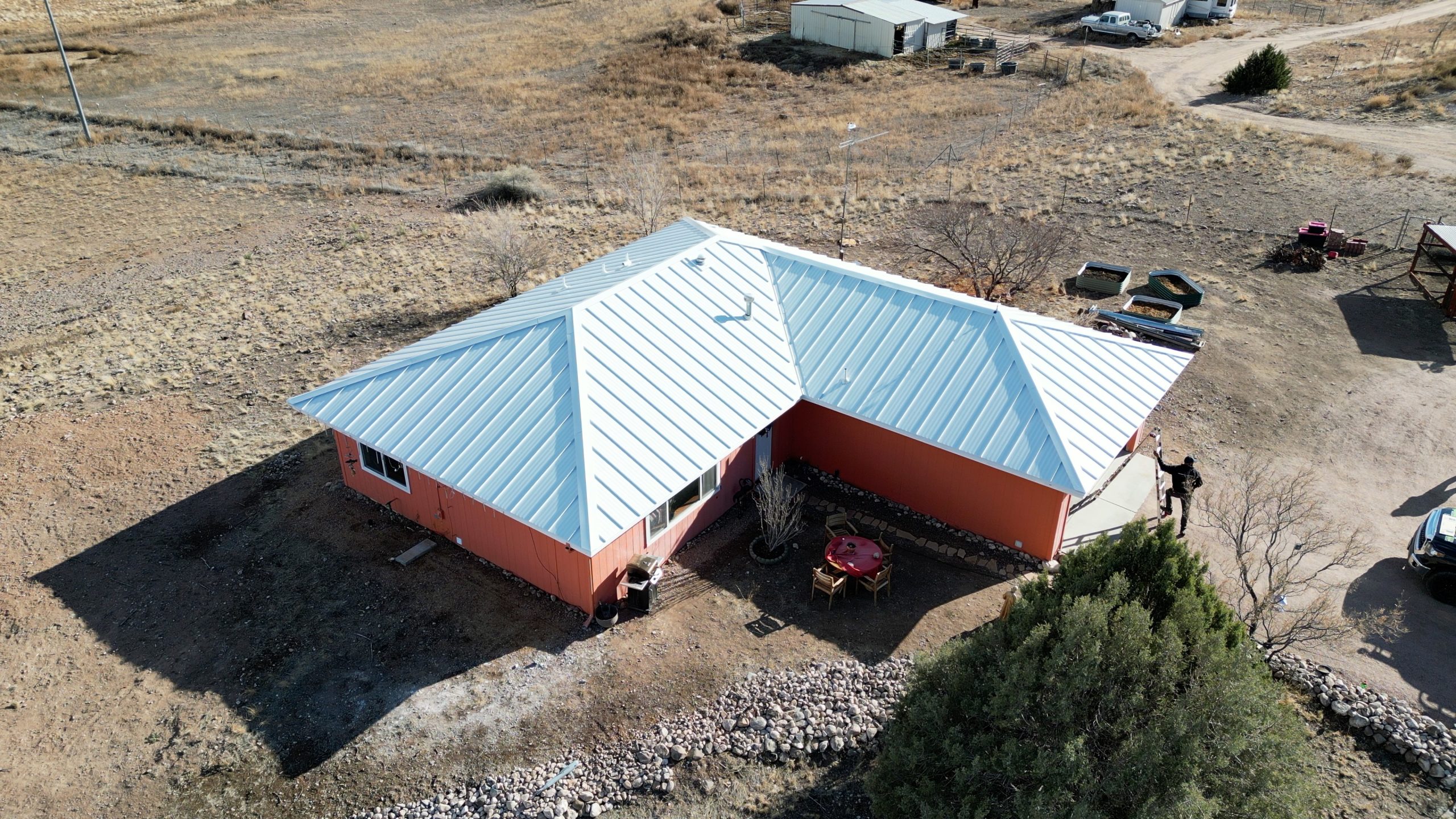
- Drone inspections
- Aerial photography
This lets them flag roofs—sometimes incorrectly—without ever visiting your home.
Materials in CT/DE/PA Age Faster Than Expected
Climate change means roofs experience:
- Wider freeze-thaw cycles
- Higher humidity
- Moss/algae growth
- UV degradation
- Ice damming stress
These conditions shorten a roof’s lifespan, pushing carriers to cap roof ages at 15–20 years, even when roofs appear functional.
How Roof Age Impacts Insurance Underwriting in CT, DE, and PA
While every insurer is different, the regional norm is:
| Roof Material | Typical Insurance Red Flags |
|---|---|
| Asphalt shingles | 15–20 years old |
| Architectural shingles | 20–25 years old |
| Wood shake | 20–25 years old |
| Tile / slate | Rare in the Northeast but may trigger inspection at 30–40 years |
| Flat roofs | 10–15 years |
Connecticut
CT insurers have recently been scrutinized for aggressive roof-age enforcement. Many companies now:
- Non-renew asphalt roofs at 15+ years
- Require photo proof of condition
- Reject roofs showing streaking, curling, or shingle loss—even minor
Delaware
DE’s coastal climate accelerates:
- Salt-air shingle corrosion
- Wind uplift
- Moisture penetration
- Mold and algae growth
Many insurers won’t renew coastal or near-bay homes unless the roof is under 15 years old.
Pennsylvania
PA’s freeze-thaw cycles cause:
- Shingle cracking
- Granule loss
- Ice dam damage
Many PA insurers enforce stricter guidelines on roofs older than 20 years.
What to Do Immediately When You Receive a Non-Renewal or Replacement Notice
If your insurance company sends you a message saying your roof needs replacement, don’t panic—but don’t ignore it.
It’s important to understand the process you should follow after receiving a non-renewal or replacement notice to ensure you take the right steps and avoid complications.
Failing to act can result in:
- Lapsed coverage
- Forced-placed insurance (much more expensive)
- Mortgage lender penalties
- Higher future premiums
- Losing claims eligibility
Here’s your first-48-hours plan:
Step 1: Read the Notice Carefully
Look for:
- The exact reason (roof age? condition? photos? inspection?)
- The required deadline
- Whether it’s a request or a non-renewal notice
- Whether a repair or partial replacement may satisfy the requirement
Step 2: Gather All Roof Documents
You’ll need:
- Date of roof installation
- Roofing receipts
- Warranty paperwork
- Photos of the roof (taken within 6–12 months)
- Any repair invoices
Step 3: Order a Professional Roof Inspection Immediately
Insurance companies trust licensed roofing inspections far more than homeowners’ photos. For a thorough inspection and professional documentation, consult a roofing contractor.
Reimagine Roofing offers:
- Free inspections
- Drone imaging
- Condition reports
- Insurance-friendly documentation
Step 4: Do NOT Immediately Replace the Roof
Many homeowners mistakenly pay for a new roof before verifying whether:
- A repair may be accepted
- The insurer made an error
- The age estimation is wrong
- Your roof qualifies for an appeal
- Another insurer will cover you without replacement
Your roofing partner should help you navigate this strategically. Talk with your roofing partner or contractor about all available options before making a decision.
Step-by-Step Homeowner Response Plan
Below is the complete strategy to protect your insurance status without overspending.
A roof replacement is a major project that requires careful planning and execution to ensure every step is handled properly.
STEP 1 – Get a Roof Inspection With Photo Evidence
A professional evaluation should include:
- Drone overhead imagery
- Close-up photos of shingles
- Documentation of granule loss
- Notes on flashing condition
- Ventilation assessment
- Moss or algae presence
- Gutter system review
- Age estimate
- Condition rating
This report is your #1 tool for negotiating with your insurer.
STEP 2 – Verify the Actual Age of Your Roof
Insurance companies often estimate roof age incorrectly using outdated satellite imagery.
Confirm:
- Year the roof was installed
- Any partial reroofs
- Material type
- Warranty status
If the insurer’s record is wrong, you may avoid replacement.
STEP 3 – Ask Your Insurer Whether Repairs Are Acceptable
Some insurers will allow:
- Shingle replacement in damaged sections
- Flashing repairs
- Ridge cap reinforcement
- Algae treatment
- Ventilation upgrades
This can save you thousands compared to full replacement.
Always ask:
“Is a certified repair acceptable in place of full roof replacement to satisfy underwriting requirements?”
STEP 4 – If Replacement Is Required, Get Multiple Roof Quotes
Your quote should include:
- Tear-off and disposal
- Underlayment type
- Ice & water shield
- Ventilation improvements
- Material brand and color options
- Labor warranty
- Manufacturer warranty
- Timeline estimate
Avoid contractors who:
- Pressure you with “today only” pricing
- Lack licensing or references
- Don’t provide written contracts. Always carefully review the contract and make sure you fully understand all terms, including warranties and responsibilities, before signing.
- Push materials not suited for CT/DE/PA climates
STEP 5 – File an Appeal (If Applicable)
Sometimes insurers make mistakes.
You may win an appeal if:
- The age was incorrect
- The roof is in good condition
- There is no active damage
- A contractor certifies remaining lifespan
- Needed repairs can fully address issues
Your roofing inspection report becomes key evidence.
STEP 6 – If Replacement Is Needed, Schedule Before Your Deadline
Insurance carriers often require:
- Pre-renewal proof
- Final invoice
- Photos after installation
- Contractor certification
A typical roof replacement job can take one to three days, depending on the size and complexity of the project, so it’s important to schedule the job well before your insurance deadline.
Reimagine Roofing handles documentation directly with your insurer.
STEP 7 – After Replacement, Review Your Policy for Discounts
Many homeowners qualify for:
- New roof credits
- Impact-resistant roof discounts
- Wind mitigation discounts
- Ice-dam prevention credits
- Home upgrade bundling credits
Your premium may drop surprisingly more than expected. Be sure to ask your insurer about the potential savings you could realize on your premiums after a roof replacement, as these can vary based on your individual circumstances and location.
What Insurance Companies Look for in a Roof (Inspection Checklist)
When evaluating roof risk, insurers typically look for:
They also consider the condition of each layer of the roofing system, as the integrity of every layer contributes to the overall protection and durability of the roof.
1. Shingle Conditions
- Curling
- Cracking
- Bald patches
- Loose shingles
- Exposed underlayment
2. Granule Loss
Heavy granule loss is a major red flag because it exposes the waterproof layers.
3. Flashing Issues
Around:
- Chimneys
- Skylights
- Vents
- Valleys
4. Moss, Lichen, and Algae
Evidence of moisture retention = increased damage risk.
5. Ventilation Problems
Poor airflow leads to:
- Ice dams
- Premature shingle aging
- Mold growth
6. Roof Sagging
Hard fail by insurers.
7. Soft Spots
Indicates rot or structural concerns.
8. Evidence of Leaks
Even small ceiling stains trigger underwriting alerts.
How to Challenge or Appeal a Roof Replacement Requirement
Many homeowners successfully appeal using a contractor report—especially if:
- The roof is younger than insurer records show
- Repairs solve the issue
- The roof has more lifespan left than estimated
- The satellite data was inaccurate
If your roof meets certain conditions, it may be a candidate for repair or re-roofing instead of full replacement.
A strong appeal includes:
- Proof of roof age
- Professional photos
- A written roof assessment
- Warranty documents
- Contractor certification of condition
Reimagine Roofing prepares these for you.
Working With the Right Roofer: Avoiding Mistakes That Can Cost You Coverage
Common mistakes that homeowners in CT, DE, and PA make:
When it comes to roof replacement, choosing the right professional is crucial. Hiring trained roofers or roofing contractors ensures that your roof is installed correctly, reducing the risk of future problems and providing peace of mind.
- Not checking the roofer’s credentials or references.
- Failing to get a written estimate or contract.
- Overlooking the importance of a warranty.
- Not ensuring proper training and certification of roofers.
- Ignoring local building codes or permit requirements.
- Choosing the lowest bid without considering quality.
After your roof replacement, it’s important to make sure the job site is thoroughly cleaned. This includes the removal of all debris and sweeping for loose nails to ensure safety and a tidy finish. Additionally, proper covering should be used to protect landscaping, such as flowers or shrubbery, from damage or debris during the installation process. Working with reputable roofing contractors who follow these best practices can help ensure a smooth and efficient roof replacement.
❌ Hiring the cheapest roofer
Low-quality work can void insurance coverage.
❌ Accepting “cash discounts” or handshake agreements
You need documented proof for insurers.
❌ Using materials not suited for freeze-thaw climates
A roof must be built with the right roofing materials for freeze-thaw climates, ensuring:
- Heavy snow
- Ice dam protection
- Wind uplift
- Algae resistance
❌ Not upgrading ventilation
Improper ventilation shortens roof life by 30–40%.
❌ Not getting a post-installation certificate
Insurers require:
- Photos
- Date of completion
- Proof of replacement
- Material documentation
Reimagine Roofing handles all of this for you automatically.
How a New Roof Can Lower Your Premiums
A roof replacement can often reduce insurance premiums by:
- Lowering wind-damage risk
- Preventing water intrusion claims
- Improving fire resistance
- Adding hail resistance
- Qualifying you for new-build discounts
In CT, DE, and PA, homeowners with a new roof may see 5–20% savings depending on the insurance carrier.
Financial Assistance, Incentives, and Payment Options
Replacing a roof is a major investment—but you have options. When budgeting for a roof replacement, remember to include permit fees as a necessary part of the overall cost.
Many financing options and state or local programs can help make roof replacement more affordable. Keep in mind that permits are a fixed cost required for any roof replacement project, whether it’s a partial or full replacement, and should be factored into your total expenses.
Financing Options We Offer
- Low monthly payments
- 0% introductory options for qualified homeowners
- Flexible terms
- No-home-equity-required financing
State or Local Programs
While CT, DE, and PA don’t have universal roof grants like FL, some towns offer:
- Weatherization incentives
- Energy-efficiency financing
- Property improvement loans
- Utility-partnered upgrade credits
We help you identify available programs.
Why Reimagine Roofing Is the Smartest Choice for CT, DE, and PA Homeowners
Reimagine Roofing isn’t just a roofing company—we’re your insurance compliance partner.
We provide:
- Free roof inspections
- Drone imaging
- Insurance-friendly documentation
- Fast quotes
- Code-compliant installations
- Premium, weather-optimized materials
- Lifetime warranties
- Easy financing options
- 24-hour scheduling availability
We ensure your roof meets:
- Insurance provider standards
- Local building codes
- Regional weather requirements
- Manufacturer warranty guidelines
And we guide you from first notice → final approval → renewal success.
Pro Roofer Advice
Getting a notice that your insurance won’t renew your policy unless you replace your roof can be incredibly stressful—but you have far more options than you think.
With the right roofing partner, you can:
- Confirm whether replacement is even necessary
- Explore repair-based alternatives
- Appeal incorrect insurer decisions
- Potentially lower your premiums
- Upgrade your home’s protection
- Avoid gaps in coverage
- Secure long-term peace of mind
Your roof protects everything you love inside your home. Your insurance protects everything you’ve worked hard for. When both are aligned, you’re protected from every angle. Protecting your property and financial security starts with proper roof replacement and the right insurance coverage.
Get Your Free Roof Inspection & Fast Quote (24 Hours)
If your insurer says your roof must be replaced before renewal, DO NOT WAIT—your coverage deadline is approaching.
Reimagine Roofing can help you today.
- Free Roof Inspection
- Drone + Photo Evidence for Your Insurer
- Repair or Replace Options
- Insurance-Ready Documentation
- 24-Hour Fast Quote
- Financing Available
Book your free inspection now and protect your home before your policy lapses.
Popular Posts