Why UT and AZ Homeowners Need Class A Roofing Now
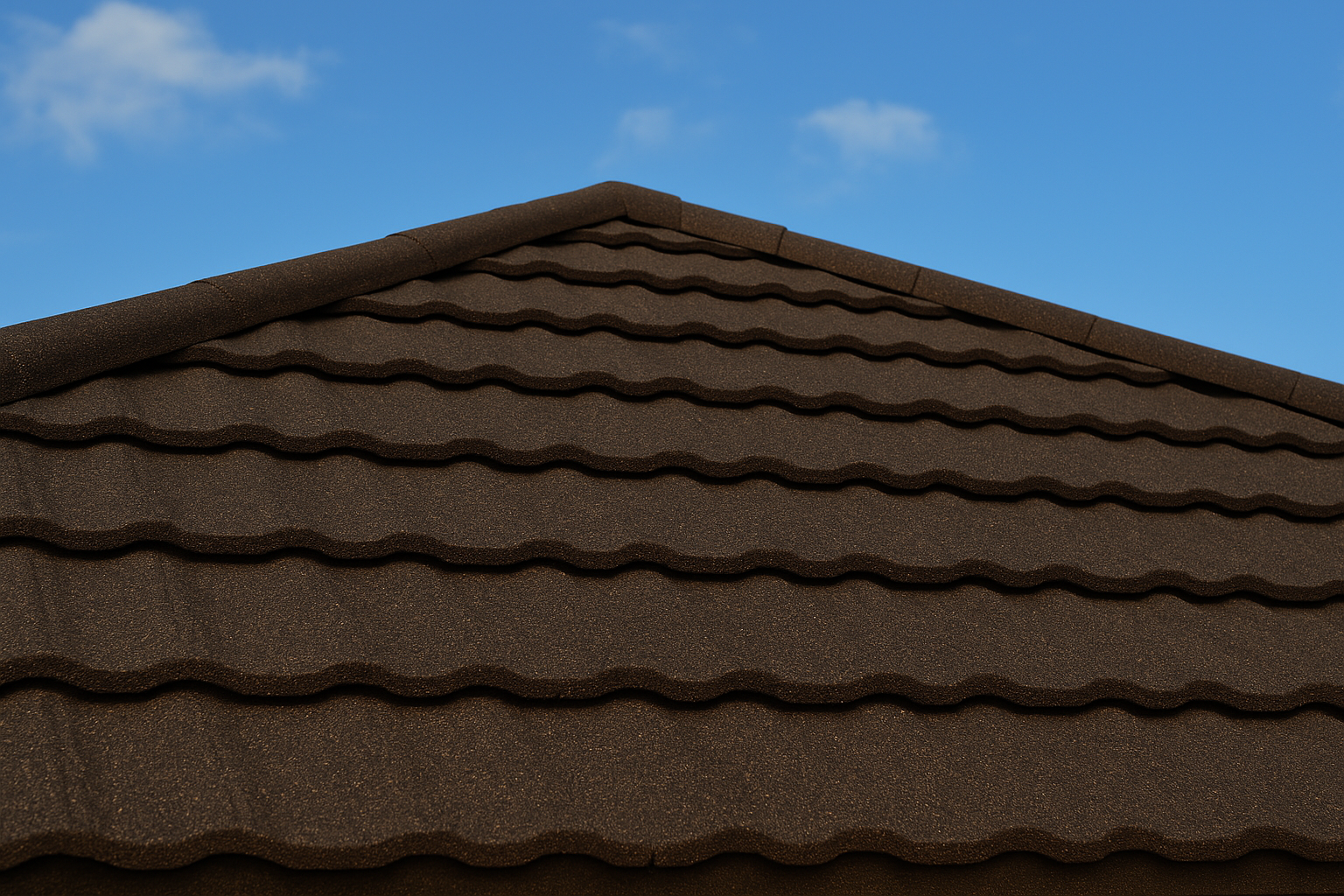
Why UT and AZ Homeowners Need Class A Roofing Now
Wildfire-Resistant Roofing Isn’t Just for California: Why UT and AZ Homeowners Need Class A Roofing Now
How drought, heatwaves, and expanding fire zones are putting thousands of homes at risk—and what homeowners can do before next wildfire season.
For decades, wildfire prevention conversations have focused almost exclusively on California. But over the last three years, something dramatic—and dangerous—has happened across the western United States:
Utah and Arizona have rapidly expanded into high-risk wildfire zones due to severe drought, rising temperatures, and shifting wind patterns.
This means one thing for homeowners:
Wildfire-resistant, Class A roofing is no longer optional. It’s essential.
In Utah and Arizona, neighborhoods that once saw wildfire threats only in the distance are now experiencing:
- more red-flag warning days
- more seasonal brush fires
- more embers carried by high winds
- more structure losses in what were once considered “safe” regions
And the most vulnerable part of any home?
The roof.
In this comprehensive guide, we’ll break down:
- Why fire zones in UT and AZ have expanded so quickly
- Why your roof is the #1 defense against ember attacks
- What Class A roofing actually means (and what it doesn’t)
- The top wildfire-resistant roofing materials for desert and mountain climates
- How to tell if your roof is putting your home at risk
- Why upgrading now is more affordable—and more urgent—than homeowners realize
If your roof is more than 10–15 years old, built with wood shake, basic asphalt shingles, or any non-rated material, this article is urgent reading.
Let’s start with the climate shift that made Class A roofing a necessity for every homeowner in Arizona and Utah.
Wildfire Risk Has Exploded in Utah and Arizona: Here’s Why
Both states are experiencing some of the fastest-growing wildfire zones in the U.S.
1. Severe drought conditions have worsened since 2020
Arizona has been in an ongoing mega-drought for over 20 years. Utah is facing one of the worst water shortages in recorded history.
When vegetation dries out, it becomes explosive fuel.
2. Hotter temperatures create longer fire seasons
Phoenix and Tucson now have 50–60+ days over 110°F each summer.
Salt Lake and southern Utah face extended heatwaves and dry lightning storms.
Heat dries out grasses, trees, roofing debris, and landscaping materials—making homes easier ignition targets.
3. High winds push embers farther than ever
The biggest wildfire threat isn’t direct flames—it’s airborne embers, which can travel:
- ½ mile in normal winds
- Up to 1–2 miles in monsoon or canyon wind conditions
More than 90% of home ignitions come from embers landing on roofs or being sucked into roof openings.
4. Urban expansion has pushed neighborhoods into fire-prone zones
Utah’s Wasatch Front suburbs and Arizona’s expanding desert communities are now built:
- next to wildfire-prone hillsides
- near dry washes
- next to unmanaged desert vegetation
- in areas historically considered low-risk
This urban/wildland overlap is now the fastest-growing risk factor.
5. Monsoon storms + dry vegetation are a perfect firestorm setup
Lightning strikes dry terrain.
Wind gusts scatter embers.
Rooftops become ember landing pads.
This climate shift is why UT and AZ now mirror many of California’s wildfire patterns.
But unlike California, Utah and Arizona homeowners often don’t have Class A roofing—because until recently, it wasn’t required.
Your Roof Is the #1 Fire Vulnerability: Here’s Why
Many homeowners mistakenly believe that wildfires engulf homes with flames.
In reality, the primary cause of home destruction is:
Ember attack.
Embers:
- float through the air
- land on roofs
- fall into roof valleys, gutters, and cracks
- ignite roofing materials
- enter attic vents
If your roof isn’t fire-resistant, embers can ignite it within minutes.
Why roofs ignite so easily:
- Dry debris collects on them
- Asphalt or wood shingles catch fire quickly
- Poorly sealed roof gaps let embers enter the attic
- Underlayment can burn even when shingles don’t
- Heatwaves make old roofs more flammable
In fact:
A home with a non-Class A roof is up to 10 times more likely to burn in a wildfire.
That’s why fire agencies and insurance companies identify the roof as the single most important upgrade a homeowner can make to protect their property.
What Is Class A Roofing? (And Why It Matters in UT & AZ)
Class A is the highest fire rating available in roofing.
A Class A roof must:
- withstand heavy ember exposure
- resist flame penetration for up to 2–4 hours
- prevent fire spread
- avoid collapsing under extreme heat
Class A roofing protects against:
✔ Wind-blown embers
✔ Burning debris
✔ Direct flame exposure
✔ Radiant heat from nearby structures
✔ Fire traveling across the roofline
Class A roofing materials significantly reduce the chance of home ignition, even when embers fall directly on them.
Common Roofing Materials Ranked by Fire Safety
❌ Wood Shake Roofing
Extremely flammable
Many older homes in AZ mountain towns and UT rural areas still have them.
❌ Basic 3-Tab Asphalt Shingles
Can ignite quickly when aged or dried out.
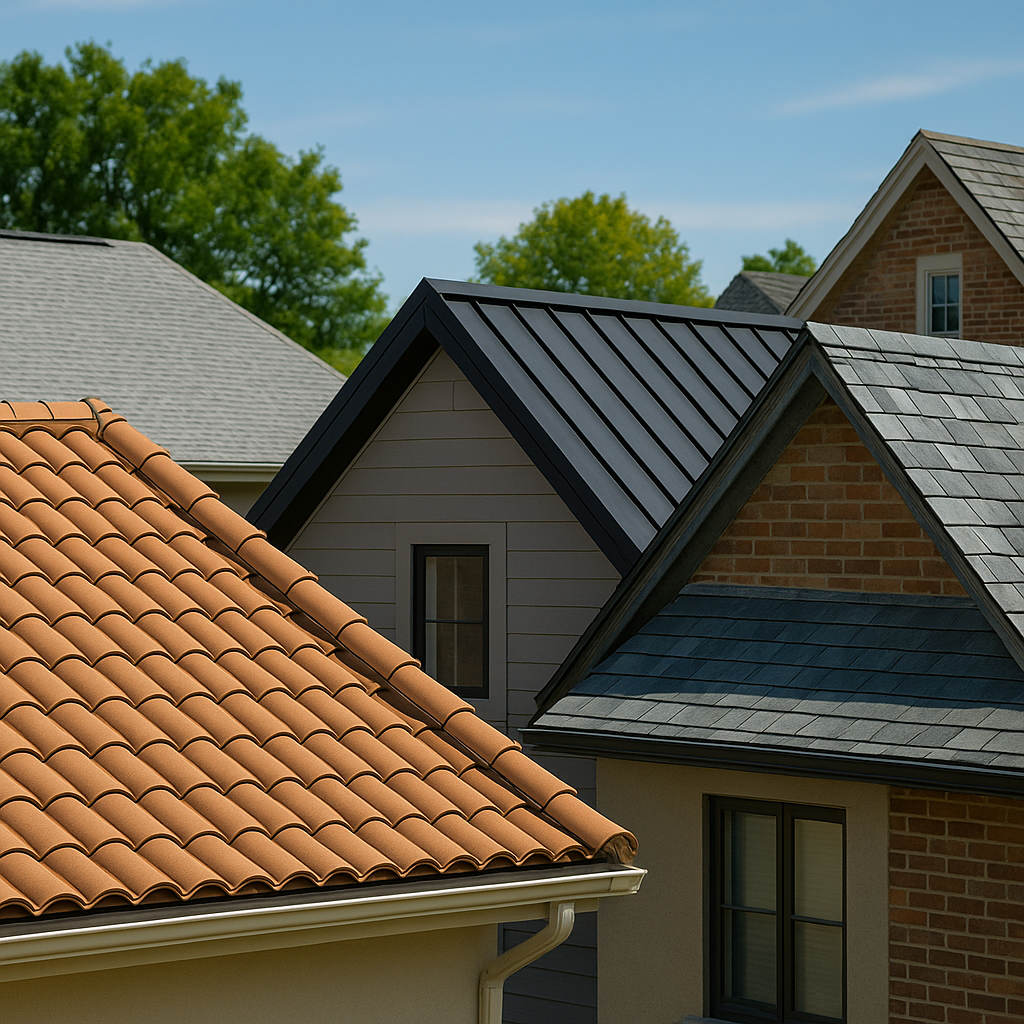
⚠️ Standard Architectural Shingle Roofs
Better than 3-tab, but only Class C or B unless installed with special fire-resistant underlayment.
Class A Fire-Resistant Roofing Options
These are the materials Reimagine Roofing recommends for homeowners in wildfire zones:
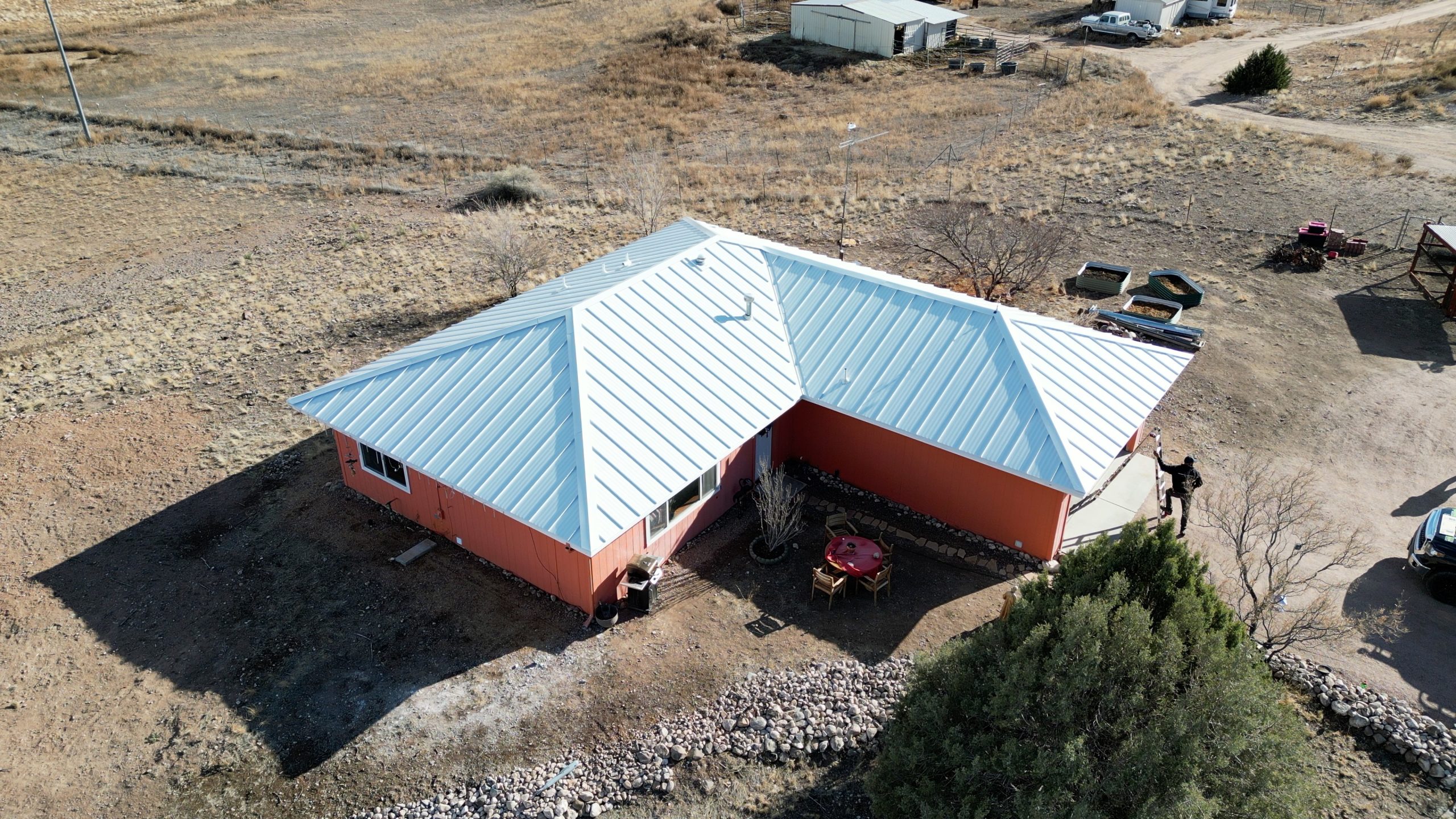
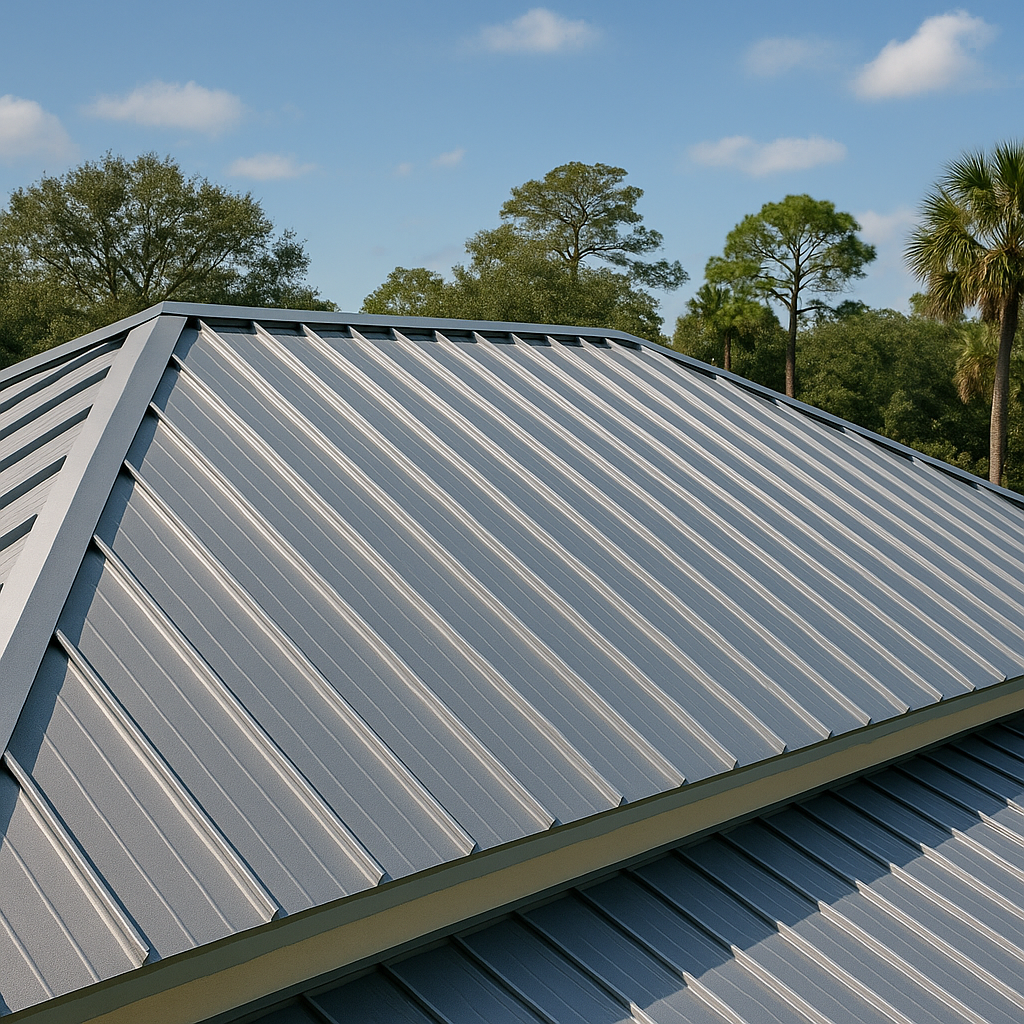
1. Class A Metal Roofing
- Non-combustible
- Resistant to ember ignition
- Excellent for high-wind, high-heat environments
- Long lifespan (40–70 years)
- Ideal for desert climates
2. Clay or Concrete Tile Roofing (Class A Rated)
- Heavy, fire-resistant material
- Excellent for Arizona architecture
- Requires underlayment upgrades for full Class A protection
3. Class A Asphalt Architectural Shingles with Fire-Resistant Underlayment
- Affordable
- Great for Utah’s 4-season climate
- Highly effective against embers
4. Synthetic Fire-Resistant Roofing Systems (Class A Composites)
- Designed to resist flame spread
- Maintain appearance of slate or shake
- Lightweight and durable
Why UT and AZ Homeowners Need Class A Roofing NOW (Not Later)
1. Fire zones have expanded dramatically in the last 3 years
Neighborhoods once considered “safe” are experiencing evacuation warnings for the first time.
2. Climate models show worsening fire seasons ahead
More drought. More extreme heat. More red-flag days.
3. Insurance companies are tightening requirements
Some insurers are already requiring fire-resistant materials before renewal.
4. Small roof upgrades dramatically increase fire survival rates
A Class A roof can reduce ignition risk by 60–90%.
5. Home value increases with fire-resistant roofing
Buyers increasingly prioritize fire safety—especially in wildfire-prone states.
Signs Your Roof Is NOT Fire Resistant
You should be concerned if your roof:
- is 15–20+ years old
- is missing shingles or tiles
- has curling or brittle shingles
- uses untreated wooden materials
- has visible gaps, openings, or lifted edges
- has damaged or old underlayment
- collects debris in valleys or gutters
Even small vulnerabilities can become ignition points during ember storms.
What Makes a Roof Truly Wildfire-Resistant? (Hint: It’s More Than the Shingles)
A roof is only as fire-resistant as every part of the system, including:
1. Class A Roofing Material
Metal, tile, or Class A asphalt.
2. Fire-Resistant Underlayment
Critical for preventing attic entry.
3. Sealed Vents & Fire-Rated Vent Covers
Keeps embers out.
4. Non-Combustible Gutters
Aluminum or steel preferred.
5. Clean Roof Valleys & Edges
Prevents debris ignition.
6. Proper Installation by a Fire-Aware Contractor
Fire resistance is only valid if installed correctly.
Reimagine Roofing uses installation methods optimized specifically for fire-prone climates in the Southwest.
Wildfire Case Studies: What We’re Seeing in UT and AZ
Arizona Wildfire Trends
- Homes near Prescott, Flagstaff, Paradise Valley, and Tucson suburbs have seen ember attacks even miles from flames.
- Tile roofs without upgraded underlayment still failed due to ember intrusion.
- Older asphalt roofs ignited from airborne debris landing on dry granules.
Utah Wildfire Trends
- Wasatch Front neighborhoods in Draper, Lehi, Farmington, and South Jordan have faced unexpected wildfire threats.
- Canyon winds carried embers across subdivisions.
- Class A roofing saw far fewer losses compared to outdated roofs.
These real-world patterns prove one thing:
The roof is the single biggest factor determining whether a home survives a wildfire.
How Reimagine Roofing Helps UT & AZ Homeowners Stay Fire-Protected
We specialize in wildfire-resistant roofing for desert, mountain, and high-heat environments.
Our Fire Safety Roofing Services Include:
- Free wildfire roof vulnerability assessments
- Class A roofing upgrades (metal, tile, asphalt, synthetic)
- Fire-resistant underlayment installation
- Ember-resistant vent and ridge cover installations
- Gutter hardening and metal replacement
- Home perimeter wildfire-safety consultation
Why Homeowners Trust Reimagine Roofing:
✔ Experts in UT and AZ climate hazards
✔ Class A compliant roofing systems
✔ Fast, professional installation
✔ High-grade fire-resistant materials
✔ Insurance-friendly documentation
✔ Honest assessments with zero pressure
Your home deserves a roof that can withstand the changing climate of the Southwest.
How Much Does a Class A Roofing Upgrade Cost?
Costs vary based on material:
Metal Roofing: $18,000–$45,000+
Long lifespan, highest fire resistance.
Tile Roofing: $16,000–$40,000+
Desert architecture + fire protection.
Class A Architectural Shingles: $9,500–$22,000
Most affordable wildfire-resistant option.
Synthetic Class A Roof Systems: $20,000–$50,000+
Luxury appearance + top-tier fire protection.
Financing options are available for homeowners who want to upgrade sooner.
When Should You Upgrade to Class A Roofing?
If any of these apply, the time is now:
- Your roof is older than 15 years
- You live near desert brush, mountains, washes, or open land
- Your neighborhood recently had a wildfire warning
- Your insurance premiums have increased
- You plan to sell your home within 5–10 years
- Your roof uses wood, basic shingles, or old underlayment
Don’t wait until fire season arrives.
Protect Your Home Before the Next Red-Flag Warning
Wildfires aren’t just a California problem anymore.
They’re a Utah problem.
They’re an Arizona problem.
And they’re growing faster than homeowners realize.
The good news?
You can dramatically reduce your risk with one upgrade:
A Class A fire-resistant roof.
Reimagine Roofing is here to protect your home with:
- Free wildfire roof audits
- Fast Class A roofing upgrades
- Fire-resistant underlayment installation
- Metal, tile, and Class A shingle options
- 24-hour estimates and expert guidance
Schedule your FREE Roof Inspection
Protect your home, your investment, and your family before the next wildfire season hits.
Popular Posts