How Roof Temperature Affects Your AC Bill More Than Insulation
How Roof Temperature Affects Your AC Bill More Than Insulation
How Roof Temperature Affects Your AC Bill More Than Insulation
And Why Homeowners in AZ, NM, UT & FL Are Paying 25–40% More Than They Need To
The Real Energy Leak Is Above Your Head
Most homeowners assume their sky-high summer energy bills come from bad insulation, drafty windows, or an aging AC unit.
But the truth is far simpler — and far hotter:
Your ROOF is the #1 source of heat gain inside your home.
Across Arizona, New Mexico, Utah, and Florida, roof surface temperatures routinely hit:
160°F–190°F on summer afternoons
That’s hot enough to fry an egg… and hot enough to:
- Superheat your attic
- Overwork your AC
- Add 20–40% to your monthly cooling bill
- Age your roof materials faster than expected
- Make interior rooms unevenly hot and harder to cool
Most homeowners have no idea their roof plays a bigger role in energy waste than insulation, windows, or even their HVAC system.
Today’s article explains why — and what you can do to stop your roof from cooking your home this summer.
The Science Behind Roof Heat (and Why It Matters)
Your roof is the first point of contact for solar radiation. When sunlight hits your shingles, several things happen:
1. Roof surfaces absorb radiation
Darker shingles absorb more heat, but even mid-tone roofs can exceed 170°F in summer.
2. Heat transfers downward into your attic
Your attic acts as a heat reservoir. Once it hits 130–150°F, that heat pushes into:
- Your ceiling
- Your insulation
- Your living spaces
3. Your AC must remove that heat — constantly
When the roof radiates heat downward, your AC runs:
- Longer
- More frequently
- With higher pressure and load
- Lower efficiency
- And more wear on components
The outcome?
Higher cooling bills, lower comfort, and a shorter roof & HVAC lifespan.
And this isn’t a small problem.
In hot climates like AZ, NM, FL, and UT, attic heat from roof temperatures can account for:
30–50% of a home’s total summer heat gain
Even perfect insulation can’t stop that.
Why Insulation Isn’t the Main Culprit
Homeowners often think their insulation is the problem, but here’s the truth:
Insulation only slows heat transfer… it doesn’t stop it.
If your attic reaches 150°F, your insulation will slow heat from entering the home — but eventually, enough heat gets through that your AC is forced to battle it constantly.
Insulation reduces heat movement… but doesn’t reduce heat CREATION.
Your roof, however?
Controls how much heat enters your attic in the first place.
If your roof is too hot, insulation can only do so much.
If your roof is cool, insulation becomes dramatically more effective.
How Roof Temperature Affects Your AC Bill
Let’s break down how overheated roofs financially impact homeowners.
1. Higher Energy Consumption
Every 10°F increase in attic temperature increases:
- AC run time
- Energy draw
- Cooling costs
In hot states, that can easily add:
$600–$1,500 per year in unnecessary cooling costs.
2. Faster AC Wear & Tear
A system running in 100+ degree heat load conditions faces:
- More compressor strain
- Higher internal pressures
- Shorter lifespans
- More costly repairs
Most AC units in the Southwest run 30–60% longer than they should because of roof heat alone.
3. Premature Roof Aging
Excessive solar heating causes:
- Shingle curling
- Granule loss
- Early brittleness
- Underlayment deterioration
A roof designed to last 25–30 years may only last 15–20 years in harsh, high-heat climates.
4. Uneven Indoor Temperatures
Rooms under sun-exposed roof slopes can be 5–15°F warmer than shaded rooms.
This creates:
- Hot second floors
- Uneven comfort
- Constant thermostat battles
- Higher energy waste
Why This Impacts AZ, NM, UT, and FL Homeowners Most
Arizona
Phoenix, Mesa, Tucson, Scottsdale, and surrounding areas routinely hit 115°F+. Roof temps regularly exceed 180°F.
New Mexico
Albuquerque, Santa Fe, and Las Cruces see intense high-altitude UV exposure — radiation intensity is up to 25% stronger.
Utah
The desert-meets-mountain climate creates severe temperature swings, stressing shingles and overheating attics.
Florida
Humidity + sun + storm season cause both high roof temps and accelerated shingle wear.
Whether it’s UV intensity, humidity, or extreme heat, all four states experience roof performance challenges that directly affect cooling costs.
The #1 Solution: Cool Roofing Technology
Cool roofing is the modern answer to extreme roof temperatures.
It uses special materials designed to:
- Reflect sunlight
- Emit heat more efficiently
- Lower surface temperatures
- Reduce attic heat gain
- Reduce AC usage
- Extend roof lifespan
Cool roofs often stay 40–60°F cooler than standard shingles.
Types of Cool Roofing Options for Homeowners
Solar-Reflective Asphalt Shingles
Modern cool shingles use reflective granules that bounce solar radiation back outward.
Benefits:
- Affordable
- Similar appearance to standard shingles
- Compatible with most homes
- 10–30% cooling cost reduction
Perfect for: AZ, NM, UT & FL homeowners wanting efficiency without changing roof style.
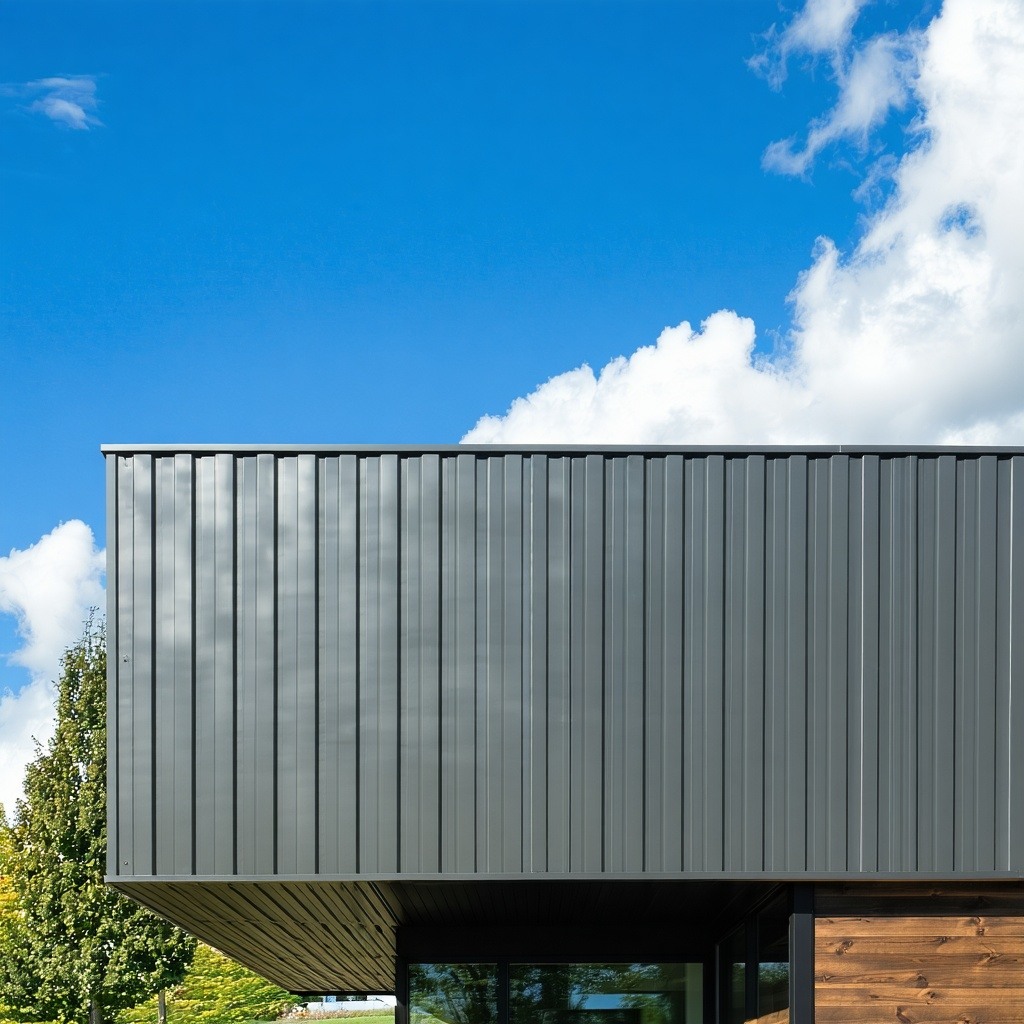
Metal Roofing Systems
Metal roofs excel at reflecting solar heat. With proper coatings, they remain dramatically cooler than asphalt shingles.
Benefits:
- Extreme UV resistance
- 40–70% solar reflectance
- Can last 40–70 years
- Ideal for solar panel setups
- Highest energy savings
Perfect for: Homes with severe sun exposure or long-term owners.
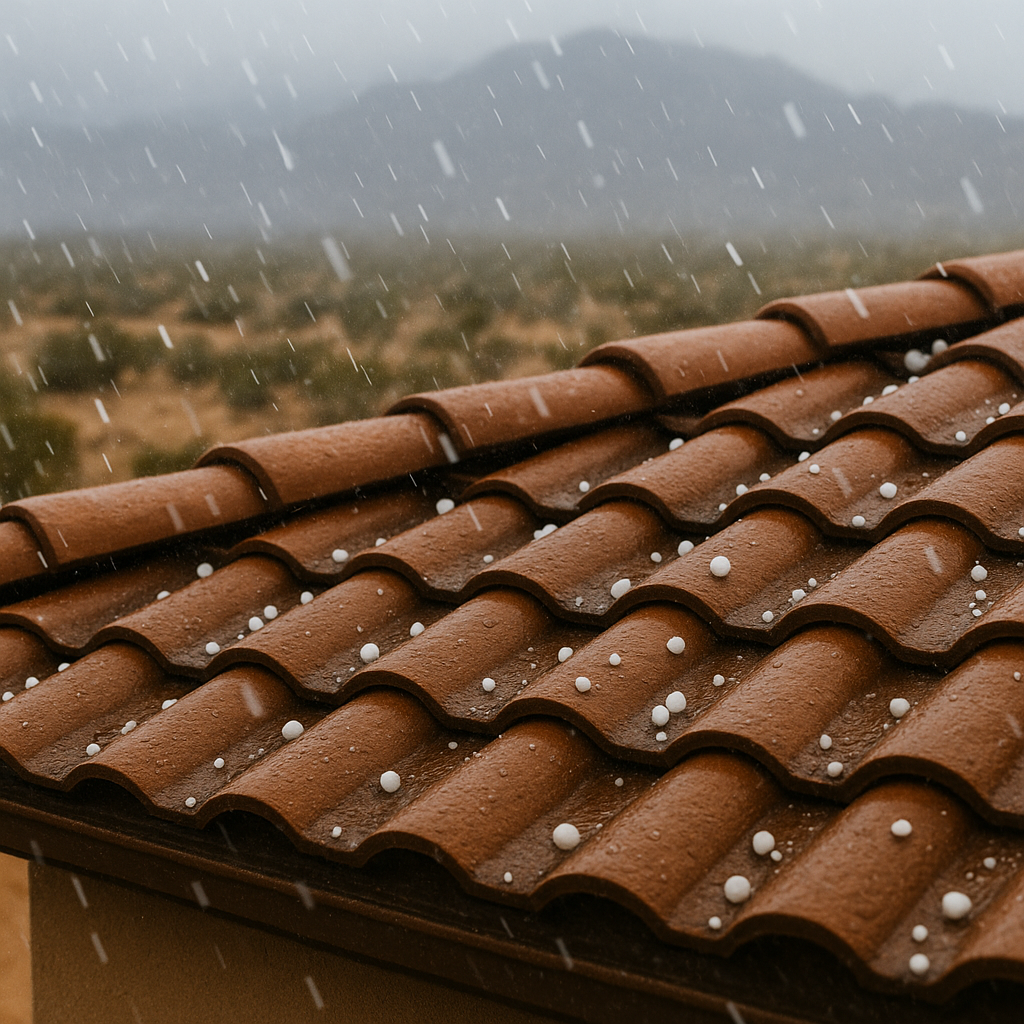
Tile Roofing with Cool Roof Coatings
Clay and concrete tiles already perform better than shingles, but coatings make them even more reflective.
Benefits:
- Long lifespan
- Excellent thermal efficiency
- Great for Southwest architecture
- Superior in dry climates
Perfect for: AZ, NM, UT homeowners with tile homes.
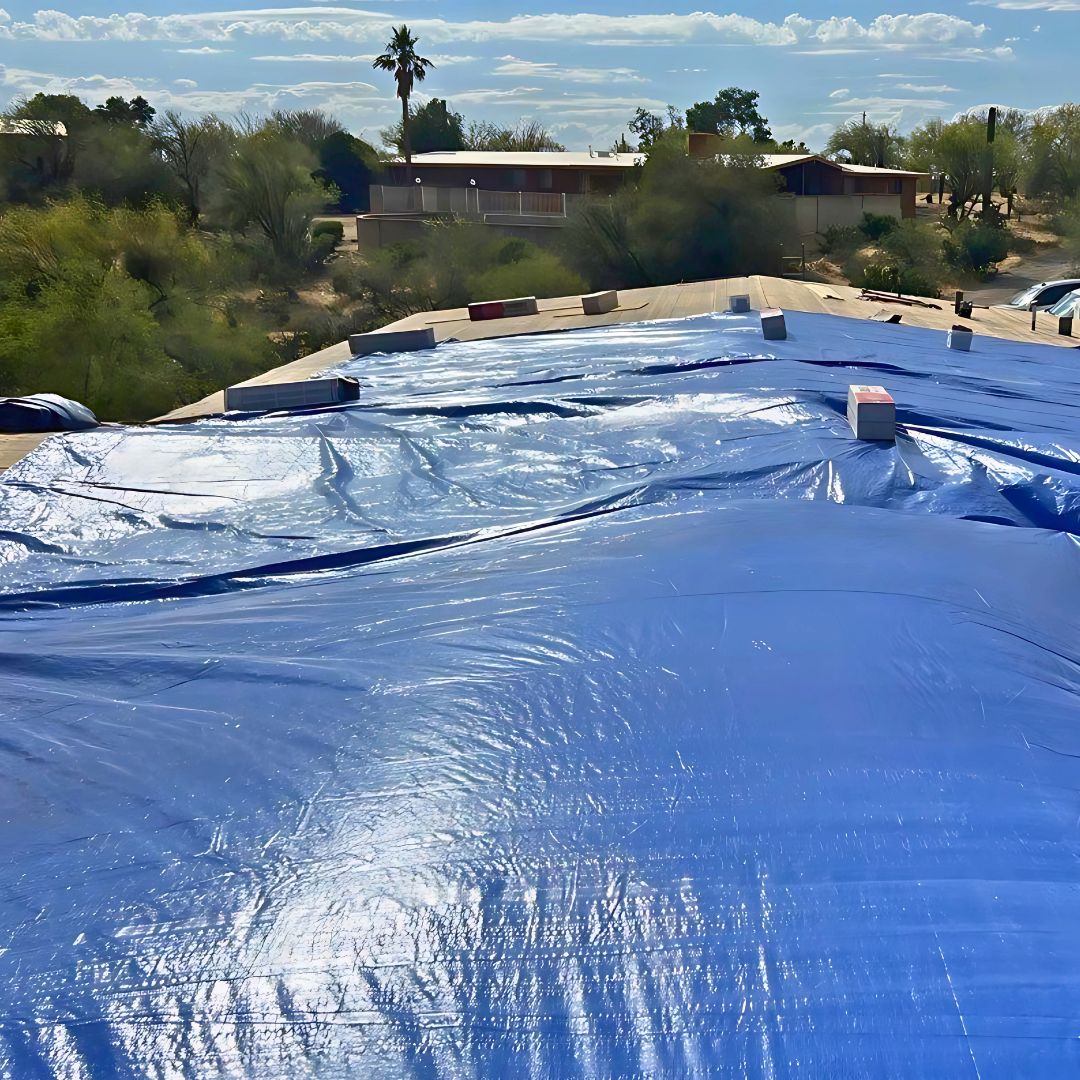
Flat Roof Reflective Membranes (TPO/PVC)
Flat roofs get excessively hot because heat doesn’t shed off slopes.
Reflective membranes stay dramatically cooler.
Benefits:
- Best for flat or low-slope roofs
- Common in FL and parts of AZ
- Very high reflectivity
- Large cooling energy savings
How Much Can Cool Roofing Lower Your AC Bill?
Homeowners typically see:
- 10–30% lower cooling bills in AZ & NM
- 15–25% lower cooling bills in FL
- 10–20% in UT (depending on elevation)
For many households, that means saving:
$500–$1,500 per year
And that’s without upgrading insulation or HVAC.
Additional Ways to Reduce Roof & Attic Heat
Even with a cool roof, homeowners can improve energy efficiency with secondary upgrades.
1. Radiant Barriers
Foil-based barriers block radiant heat transfer from the roof deck.
2. Ridge Vents & Roof Ventilation
A well-vented attic can lower temperatures by 15–30°F.
3. Solar Attic Fans
Powered by sunlight, they pull hot air out of the attic at no energy cost.
4. Insulation Upgrades
Insulation works best when attic temps are lower.
Pairing insulation + cool roofing amplifies savings.
Signs Your Roof Is Causing High Energy Bills
You may need a roofing heat evaluation if you notice:
- AC running constantly in the afternoon
- Extremely hot second floors
- Warm ceilings or attic access panels
- Rooms that never cool down
- Shingles fading or curling
- Sky-high summer energy bills
- Mold or moisture in the attic
- Asphalt granules in gutters
These are classic hot-roof symptoms.
Why Reimagine Roofing Is the Southwest’s Cool Roofing Leader
Reimagine Roofing specializes in:
- Solar-reflective shingles
- High-efficiency metal roofs
- Tile cool-roof coatings
- Energy-efficient roofing systems
- Ventilation & attic cooling upgrades
- Full roofing replacements & inspections
Our team understands the extreme climates across AZ, NM, UT, and FL — and designs roofs specifically to perform under heat, UV stress, and seasonal storms.
Most roofing companies simply “install shingles.”
We design roofing systems that lower:
- Heat
- Energy bills
- Maintenance costs
- Long-term replacement expenses
How Much Roof Heat Is Costing You — Without You Realizing It
If your roof is older than 10–15 years, there’s a good chance you’re paying more for cooling than necessary.
The average homeowner in hot-climate states overpays:
$6,000–$12,000 during a 10-year period
due to excessive roof heat alone.
Even worse?
Roof heat accelerates shingle wear, often shaving 5–10 years off roof life.
Upgrading to a cool roof system pays itself back — sometimes in as little as 3–6 years.
The Future of Energy Savings Starts at the Roof
The real energy problem isn’t your AC. And it’s not your insulation. It’s your roof temperature — and it’s 100% fixable.
Homeowners are now discovering that the right roofing system:
- Cuts bills significantly
- Reduces indoor temperatures
- Extends AC life
- Increases home value
- Qualifies for energy rebates (in some states)
- Improves year-round comfort
A cool roof is no longer a luxury.
In hot states like AZ, NM, UT, and FL — it’s essential.
Get a Free Roof Inspection
Reimagine Roofing offers a FREE home roof temperature analysis, including:
✔ Roof heat surface scan
✔ Attic heat load measurement
✔ Ventilation assessment
✔ Insulation performance check
✔ Material lifespan evaluation
✔ Personalized cool roof upgrade options
✔ Energy bill savings estimate
This inspection helps homeowners understand:
- Why their AC runs nonstop
- How much heat their roof is generating
- How much they could save each month
- What cool roofing options fit their home
Request a fast quote, estimates in under 24 hours
Start lowering your energy bills before summer hits.
Reimagine Roofing can cool your home from the top down.
Popular Posts