Roof Problems You Miss After Summer Storms & Heatwaves
Roof Problems You Miss After Summer Storms & Heatwaves
Top Roof Issues Homeowners Ignore After Summer Monsoons and Heatwaves (Arizona & New Mexico)
Why Late-Summer Roof Damage Is Worse Than You Think — and How to Protect Your Home Before Winter Hits
Summer in the Southwest hits hard—and if you live in Arizona or New Mexico, you know the combination of extreme heatwaves, UV radiation, and violent monsoon storms can take a serious toll on your roof. But here’s the biggest problem: Most homeowners don’t discover the damage until months later… when it’s already too late and repairs are far more expensive.
By the time fall and winter arrive, hidden monsoon damage and heat-related deterioration may already occur if regular maintenance is neglected, compromising your roofing system, attic, and even your home’s interior structure.
This guide breaks down the top roof issues homeowners overlook after summer weather, why they matter, and how Reimagine Roofing can help Arizona and New Mexico homeowners prevent small cracks, leaks, and weaknesses from turning into major headaches. Regular roof maintenance is essential to prevent these issues from occurring after intense summer weather.
Why Summer Roof Damage Is So Severe in Arizona & New Mexico
Arizona and New Mexico have some of the toughest climates on roofs anywhere in the country. Each aspect of summer weather, from intense heat to sudden storms, contributes uniquely to roof issues in these regions.
1. Extreme Heatwaves
Temps can soar above 110°F, causing roofing materials to expand, warp, and weaken.
2. Intense UV Exposure
Phoenix, Tucson, Albuquerque, Las Cruces—these cities receive some of the highest UV indexes in the U.S. UV rays break down asphalt shingles, dry out underlayment, and cause premature aging.
3. Powerful Monsoon Storms
High winds, heavy rain, microbursts, and flying debris all hit your roof repeatedly during monsoon season.
4. Rapid Temperature Swings
Desert climates can shift 40+ degrees in a day, forcing roofing materials to expand and contract, causing cracks and structural stress.
In combination, these conditions create the perfect storm for roof deterioration—most of which is nearly invisible from the ground and worsens over time if not repaired.
Let’s break down the most commonly overlooked issues.
Hidden Underlayment Damage (The #1 Post-Monsoon Issue)
Homeowners often believe their roof is “fine” because shingles or tiles look intact. But the real protection is underneath.
In Arizona and New Mexico, roofs rely heavily on underlayment—often a felt, synthetic, or tile underlayment system—to keep water out.
Regular inspections and prompt repairs can extend the lifespan of your underlayment and overall roof system, helping to prevent hidden damage and costly issues.
Why Heat & Monsoons Destroy Underlayment:
- Prolonged heat waves cause underlayment to dry out, bubble, or crack
- UV radiation penetrates through tiles or lifted shingles
- Monsoon moisture gets trapped beneath the surface
- Fast temperature swings break down adhesives and seals
Warning Signs Homeowners Miss:
- Slight discoloration or dark streaks under eaves
- Small interior ceiling spots
- Occasional attic mustiness
- Tile shifting during heavy rains
- Drips appearing only during monsoon bursts
By the time leaks reach the interior ceiling, the underlayment is often severely compromised. Repairing it early can save thousands in long-term structural repairs.
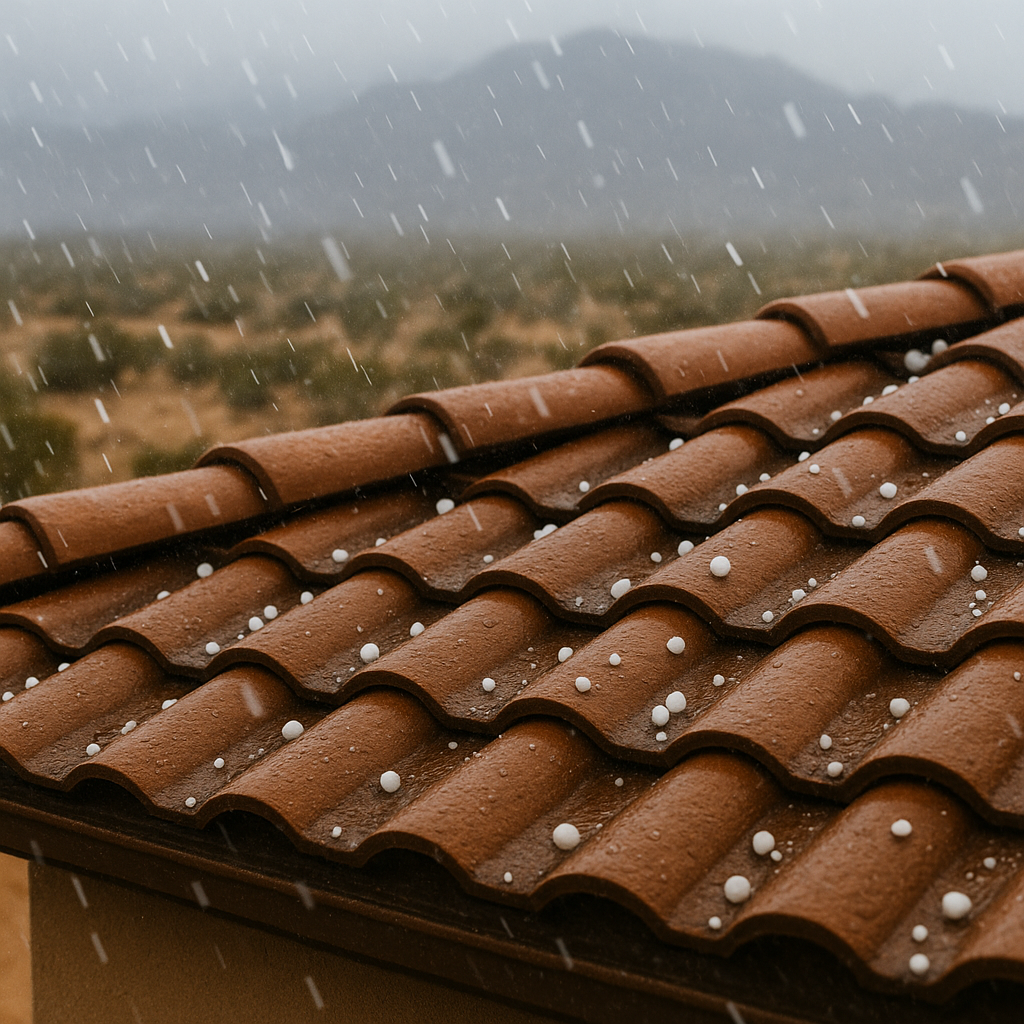
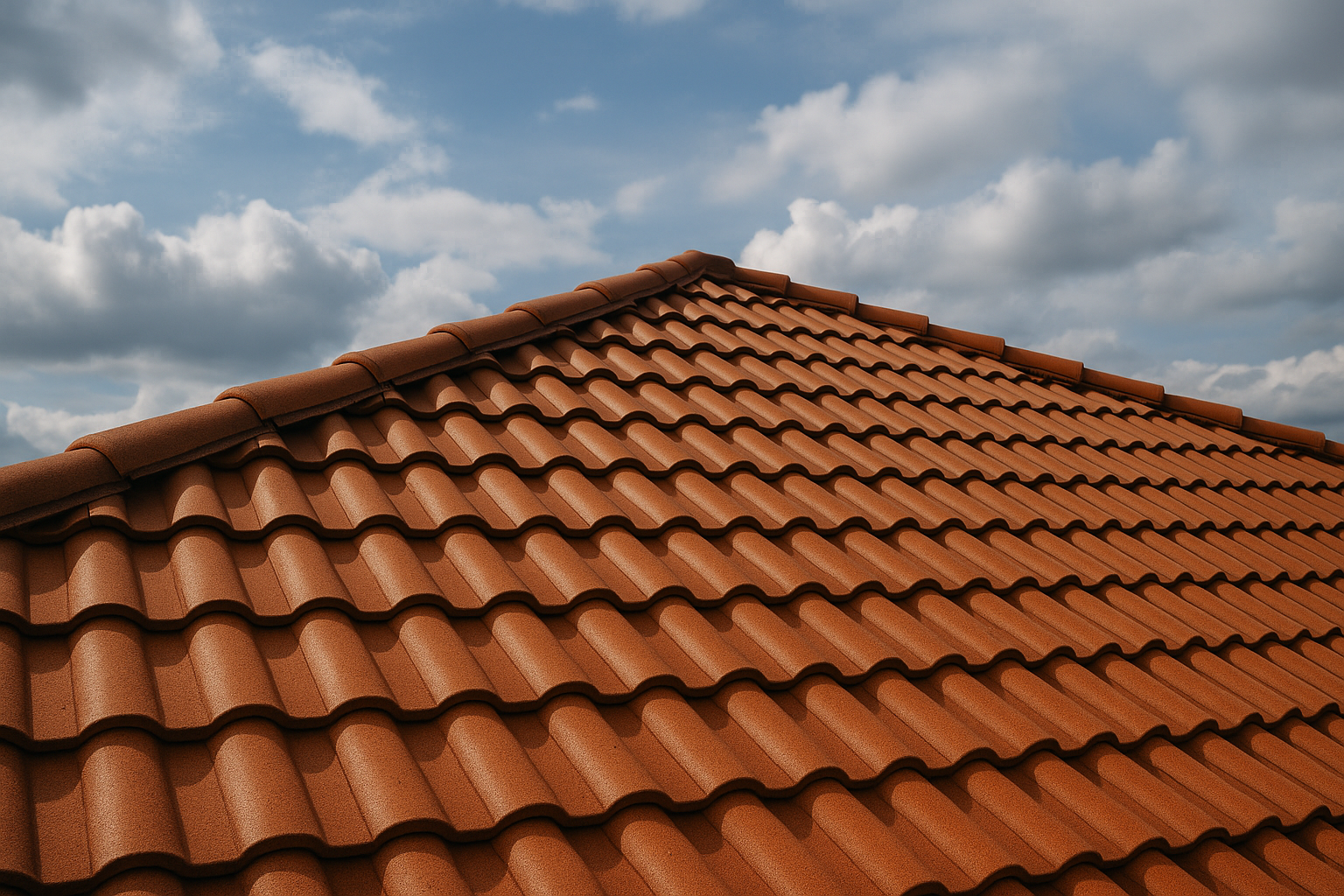
Cracked or Slipped Tiles (A Common Issue in Tile-Roof States)
Arizona and New Mexico have some of the highest concentrations of tile roofs in the nation. Tile roofs are durable—but not indestructible.
Pooling water can be a problem, especially if tiles are cracked or have slipped out of place. Dirt accumulation in roof valleys or under tiles can worsen water pooling and contribute to tile displacement.
Why Monsoons Damage Tile Roofs:
- Wind gusts lift tiles just enough to break the seal
- Microbursts cause tiles to slide out of position
- Debris impacts cause invisible cracks
- Pooling water weakens ridge tiles
Even a single cracked or shifted tile can expose the underlayment beneath, letting water rush in during monsoons.
Homeowners Usually Miss These Signs:
- Tiny tile fractures
- Tiles that moved less than half an inch
- Hairline cracks hidden under the tile surface
Unfortunately, these small issues allow water intrusion that rots decking and framing over time.
Asphalt Shingle Dry-Rot & Granule Loss
Shingle roofs deteriorate faster in the desert than almost anywhere in the country.
Asphalt shingles can dry-rot and lose their protective granules, especially under intense sun and heat. These granules loosen and wash into gutters during rain.
Granule runoff can also accumulate in the soil around the home, potentially affecting drainage and landscaping.
Summer Heat + UV Radiation = Rapid Aging
- Shingles bake, curl, and warp
- Granules loosen and wash into gutters
- Tar seals melt then re-harden incorrectly
- Flashing dries out and breaks seal
Monsoon storms then lift weakened shingles or blow water underneath them.
Often-Ignored Signs:
- Granules in the driveway after rain
- Slight curling around edges
- Discoloration patches
- Soft spots when walking on the roof
Shingle roofs in AZ/NM that should last 25 years often fail after 15–18 due to climate stress—but most homeowners aren’t aware of this accelerated timeline.
Flashing Damage Around Vents, Skylights & Chimneys
Flashing is one of the most vulnerable points in a roof system—and one of the most ignored.
Why Flashing Fails in the Southwest
- Expansion from heat loosens metal edges
- Monsoon winds tear up exposed flashing
- Microcracks allow water to seep beneath
- Dust buildup underneath prevents proper sealing
Resulting Problems:
- Slow attic leaks
- Mold in hidden wood areas
- Pooling around skylights
- Water intrusion near chimneys
Most homeowners have no idea flashing has failed until water damage becomes severe.
Attic Moisture & Mold Growth After Monsoon Humidity
Many people assume desert climates can’t develop attic moisture problems—but monsoon humidity and storm rains can quickly create mold-friendly environments.
Moist air from monsoon storms can easily enter attics, creating the perfect environment for mold growth if not properly ventilated.
What Causes Desert Attics to Trap Moisture?
- Improper attic ventilation
- Hot air driving moisture upward
- Storm humidity getting trapped
- Minor roof openings letting water seep inside
Signs Most Homeowners Overlook:
- Mild musty smell
- Hotter-than-usual attic temperatures
- Slight moisture on attic nails
- Damp insulation
- Light discoloration on wood beams
Left untreated, this leads to mold, wood rot, and costly repairs.
Damaged Roof Valleys (The Monsoon Water Pathway)
Roof valleys are designed to handle the highest volume of water, which also means:
When monsoon water flow is extreme, valleys are often the first to fail.
Common Valley Damage After Storms:
- Debris buildup
- Cracked tiles
- Lifted shingles
- Exposed underlayment
- Rust or metal separation
If a valley malfunctions, water can enter the house quickly—and homeowners rarely look closely enough to catch early signs.
Gutter & Downspout Blockages (Desert Debris Is a Real Problem)
Southwestern homeowners often assume gutters don’t matter. But during monsoons, they are essential.
Why Gutters Get Damaged:
- Wind pushes leaves and debris into them
- Dust compacts into sludge
- Water overflows and penetrates roof decking
When gutters fail, water backs up under the roof system—causing damage that looks like a roof leak but starts at the gutter line.
Structural Decking Weakness After Repeated Storms
Beneath the tiles or shingles lies your roof decking—usually plywood or OSB. Heat and storms weaken decking faster than people realize.
Causes of Decking Damage in AZ/NM:
- Moisture intrusion
- Extreme thermal expansion
- Wind uplift
- Broken tiles allowing water entry
Once decking softens or warps, the entire roof system becomes vulnerable.
HVAC or Solar Equipment Roof Penetrations
Arizona and New Mexico have some of the highest rates of:
- Rooftop HVAC units
- Solar panels
- Satellite mounts
- Skylights
These penetrations are notorious for causing hidden leaks when rubber seals crack or fasteners loosen due to heat expansion.
Problems Often Missed:
- Dry-rotted rubber boots around vents
- Cracked solar mounts
- Loose HVAC flashing
- Micro-leaks around fasteners
These small openings become pathways for stormwater during monsoons.
Wind Uplift Damage (Especially From Microbursts)
Microbursts and monsoon winds can reach 60–100+ mph in seconds.
Wind Damage Homeowners Don’t Notice:
- Slight lift of shingles
- Tile movement only visible from above
- Ridge cap loosening
- Broken adhesive seals
Wind-related issues allow rain to infiltrate more easily—especially in older roofs.
Essential Tools for DIY Roof Repairs
What Every Homeowner Should Have on Hand
When the summer monsoon season sweeps through northern New Mexico and neighboring regions, your roof faces a barrage of heavy rains, wind, and sudden temperature changes. Being prepared with the right tools can make all the difference when it comes time to fix leaks or address minor roof issues before they become major headaches. Every homeowner should keep a sturdy ladder, roofing hammer, utility knife, roofing nails, and a reliable tape measure in their toolkit. These essentials help you safely access your roof and make quick repairs to damaged shingles or flashing.
Don’t forget protective gear—gloves and safety glasses are a must to shield your hands and eyes from sharp edges and flying debris. A first aid kit should always be nearby, especially when working at heights. In regions like northern New Mexico, where the summer monsoon can bring sudden, intense rains, having these tools on hand allows you to act fast and maintain your roof’s integrity throughout the season. Whether you’re patching a small leak or replacing a few shingles, being prepared is the first step to protecting your home from the unpredictable climate of New Mexico and northern Mexico.
Safety Tips for DIY Inspections
Before you climb up to inspect or repair your roof, make safety your top priority. Start with a sturdy, well-positioned ladder, and if possible, have a friend or family member act as a spotter to keep it steady. Wear non-slip shoes, durable gloves, and safety glasses to protect yourself from the harsh sun, sharp materials, and unexpected hazards. In Santa Fe and across the Navajo Nation, where the climate can shift from dry heat to sudden rain, it’s important to stay hydrated and take breaks to avoid overheating.
As you inspect your roof, pay close attention to missing or damaged shingles, curled or buckled edges, and any issues around chimneys, vents, or skylights. These are common trouble spots after a summer of intense heat and monsoon storms. On land that is deeply rooted in tradition and culture, such as the Navajo Nation, be mindful of your surroundings and respect the environment—avoid causing unnecessary damage to the roof or the land around your home. By following these safety tips and honoring the traditions of your region, you can ensure your DIY roof inspection and repair is both effective and respectful of the unique climate and culture of the Southwest.
Why Homeowners Often Don’t Notice Summer Damage Until It’s Too Late
Reason 1: Problems Hide Underneath Tiles & Shingles
Superficial inspection doesn’t reveal underlayment or decking issues.
Reason 2: Leaks Often Start Small and Grow Slowly
A tiny gap in flashing or a cracked tile can worsen over months before it’s visible indoors.
Reason 3: Monsoon Storms Are Inconsistent
Damage may only show during heavy or angled rain.
Reason 4: Heat Masks Moisture
Water evaporates quickly in desert climates, hiding the evidence.
Reason 5: Many Roofs in AZ & NM Are Already Aging
Neighborhoods built in the 90s–2000s have roofs now reaching the end of their lifespan.
The Cost of Ignoring Post-Monsoon Damage
Small, inexpensive repairs can spiral into major structural issues:
- Mold remediation: $2,000–$10,000
- Full roof replacement: $12,000–$30,000+
- Interior ceiling and drywall repairs: $1,000–$8,000
- Damaged solar equipment removal/reinstall: $2,000–$6,000
Simply put:
Ignoring post-summer roof damage is the most expensive decision a homeowner can make.
How Reimagine Roofing Helps Arizona & New Mexico Homeowners Stay Protected
We specialize in roofing challenges unique to desert climates. Our inspections are designed to find the damage homeowners can’t see.
Our Post-Monsoon Inspection Includes:
- Full tile or shingle condition report
- Drone imagery for hard-to-spot damage
- Underlayment assessment
- Flashing and penetration inspection
- Attic ventilation and moisture check
- Valley and gutter evaluation
- Thermal imaging for hidden leaks (if needed)
Why Homeowners Choose Us:
- Fast 24-hour estimate
- No high-pressure sales
- Licensed, insured, and local
- Specialists in desert-climate roofing
- Experts with tile, shingle, foam, metal, and flat roofs
- High-quality materials built for heat & monsoons
Protect Your Home Before Winter: Schedule Your Free Roof Inspection Today
Your roof has just endured months of scorching heat and sudden, violent monsoon storms. Small issues caused by this extreme weather can quickly become major winter leaks if they aren’t inspected and repaired in time.
Reimagine Roofing is here to help you catch damage early—before it becomes expensive.
Get Your FREE Roof Inspection & 24-Hour Estimate
Our experts will evaluate your roof, document findings, and give you clear recommendations so you can make the best decision for your home.
Schedule your free roof inspection today and protect your home from hidden monsoon and heatwave damage—before winter weather makes it worse.
Popular Posts