How Extreme Heat Is Quietly Damaging Roofs in Phoenix and Albuquerque
How Extreme Heat Is Quietly Damaging Roofs in Phoenix and Albuquerque
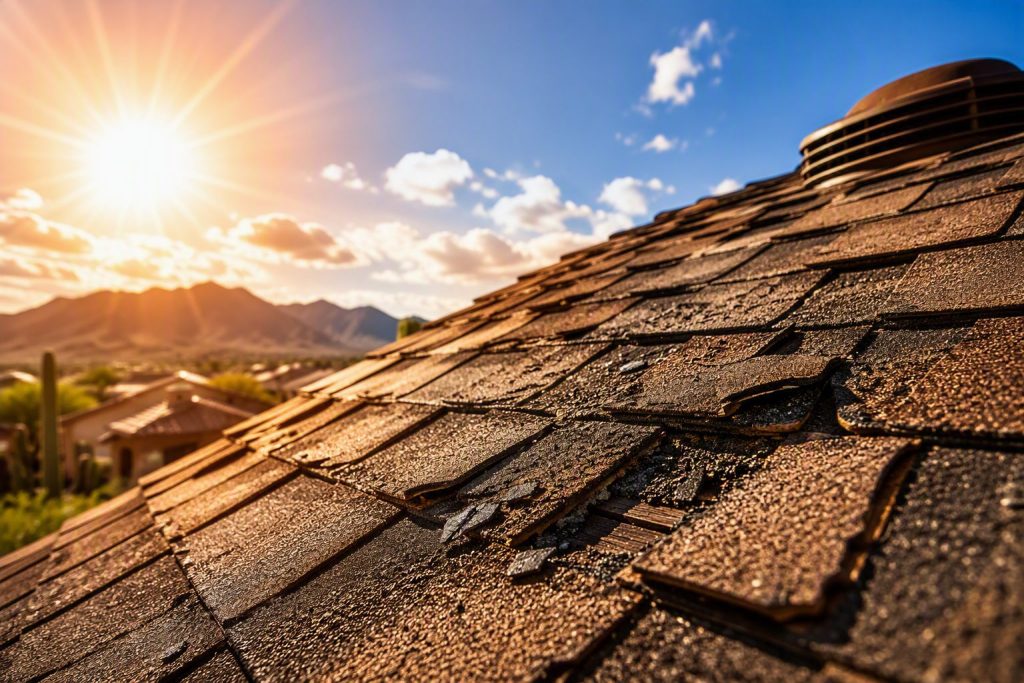
How Extreme Heat Is Quietly Damaging Roofs in Phoenix and Albuquerque
Protecting your home starts at the top. Here’s what every Southwest homeowner needs to know about the hidden effects of extreme heat on roofing systems.
The Roof Damage You Can’t See
When most homeowners think about roof damage, they picture hail, high winds, fallen tree branches, or severe storms. But in Phoenix and Albuquerque, one of the most destructive forces attacking your roof every day is something much less dramatic: heat.
Extreme temperatures are a constant reality throughout the Southwest. Summer highs in Phoenix routinely exceed 100°F, while roof surface temperatures can climb well above 150°F during peak sunlight hours. Albuquerque may experience slightly cooler air temperatures, but its high elevation and intense UV exposure create their own challenges for roofing systems.
The problem is that heat damage often happens gradually. Unlike storm damage, which is easy to spot, thermal deterioration works silently over months and years. By the time homeowners notice missing shingles, leaks, cracks, or rising utility bills, the damage may already be extensive.
Understanding how extreme heat impacts your roof can help you avoid costly repairs, extend the life of your roofing system, and protect one of the biggest investments you’ll ever make: your home.
Why Southwest Roofs Face Unique Challenges
Roofs are designed to withstand environmental stress. However, the climate in Arizona and New Mexico places roofing materials under nearly constant pressure.
Several factors contribute to accelerated roof aging in Phoenix and Albuquerque:
- Intense solar radiation
- Prolonged periods of extreme heat
- Significant temperature fluctuations
- UV exposure
- Monsoon storms
- Wind-driven dust and debris
- Low humidity conditions
Together, these elements create a perfect environment for roofing deterioration.
While a roof in a milder climate may last its full expected lifespan, roofs in the Southwest often experience faster wear and tear due to the relentless exposure to sunlight and heat.
How Hot Does a Roof Actually Get?
Many homeowners assume their roof is exposed to the same temperature listed in the weather forecast.
That isn’t the case.
On a 105°F summer day in Phoenix, dark-colored roofing materials can reach surface temperatures of 150°F to 180°F.
Even lighter-colored materials can become significantly hotter than the surrounding air.
This creates continuous stress on roofing components, including:
- Shingles
- Tiles
- Underlayment
- Flashing
- Sealants
- Roofing adhesives
- Ventilation systems
Day after day, these materials expand as temperatures rise and contract when temperatures cool at night.
This repetitive movement may seem minor, but over years it can significantly impact roof performance.
The Hidden Damage Caused by Thermal Expansion and Contraction
One of the biggest threats to a roof’s longevity is thermal cycling.
Every day, your roof experiences a cycle of heating and cooling.
As temperatures rise:
- Roofing materials expand.
- Fasteners shift slightly.
- Sealants stretch.
- Flashing moves.
When temperatures fall overnight:
- Materials contract.
- Gaps can form.
- Connections weaken.
Over time, this repeated movement can lead to:
Cracked Sealants
Roof penetrations such as vents, skylights, and chimneys rely on sealants to keep water out.
Heat accelerates sealant breakdown, causing cracking and separation.
Loose Flashing
Metal flashing expands and contracts regularly. Eventually, fasteners may loosen, creating openings where water can infiltrate the roof system.
Material Fatigue
Repeated thermal stress weakens roofing materials, making them more vulnerable to wind and storm damage.
These issues often remain invisible until a roof leak develops.
UV Radiation: The Silent Roof Destroyer
Heat isn’t the only concern.
The Southwest receives some of the highest levels of ultraviolet (UV) radiation in the country.
UV rays break down roofing materials at a molecular level.
This process can cause:
- Drying
- Brittleness
- Discoloration
- Surface cracking
- Loss of flexibility
For asphalt shingles, UV exposure gradually degrades the oils that help keep shingles pliable.
As shingles become brittle, they are more likely to crack, curl, or break during storms.
Many homeowners don’t realize that UV damage can begin years before visible signs appear.
What Extreme Heat Does to Asphalt Shingles
Asphalt shingles remain one of the most common roofing materials in Arizona and New Mexico.
However, they can be particularly vulnerable to prolonged heat exposure.
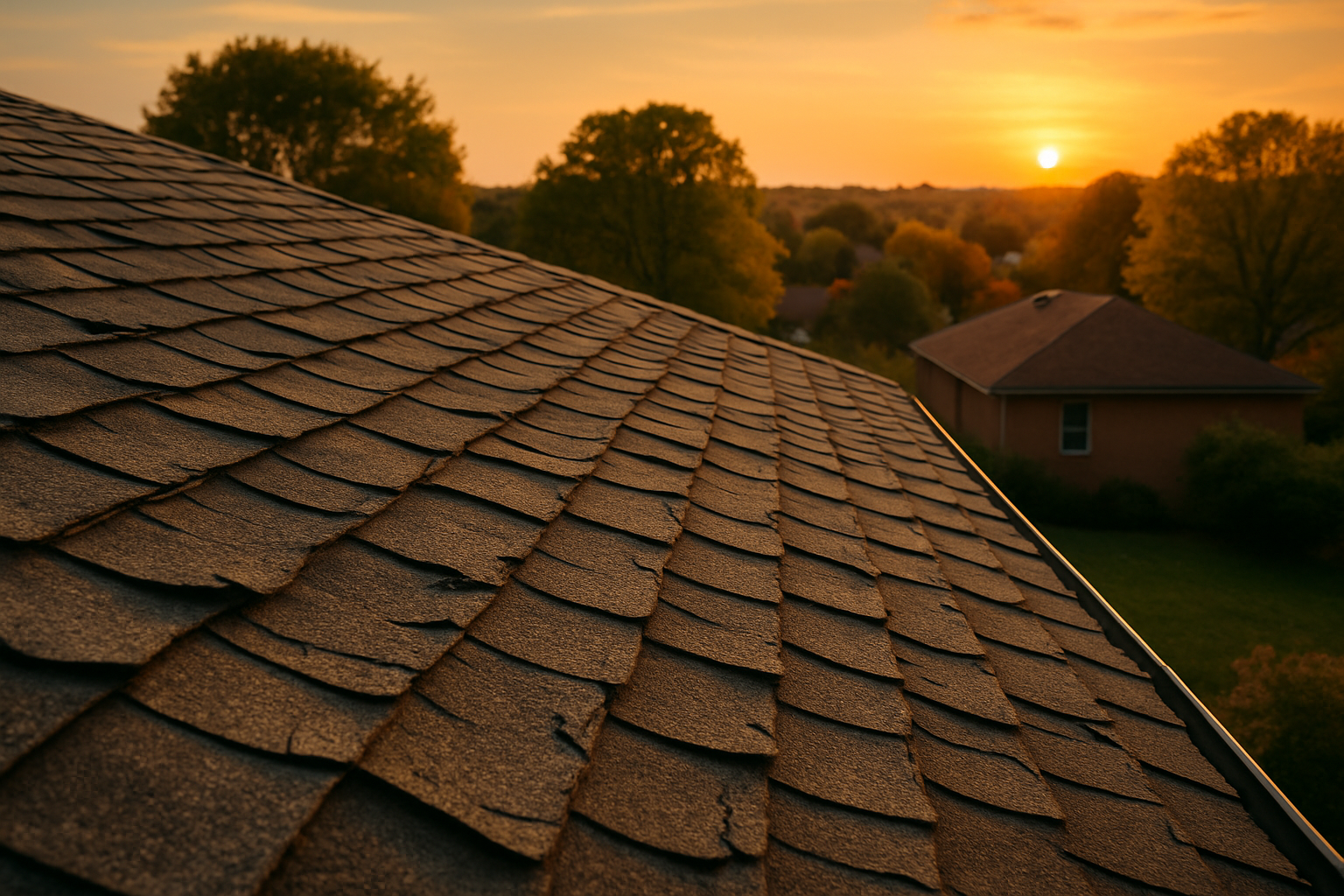
Granule Loss
The protective granules on shingles shield the underlying asphalt from UV rays.
Over time, heat and sunlight loosen these granules.
Signs include:
- Granules collecting in gutters
- Bare spots on shingles
- Uneven roof coloration
Curling and Warping
Extreme heat can cause shingles to:
- Curl upward
- Lift at the edges
- Warp out of shape
These changes increase the risk of wind damage and water intrusion.
Accelerated Aging
A shingle roof designed to last 25 to 30 years may experience reduced longevity when exposed to years of intense desert heat.
Regular inspections help identify these issues before major problems develop.
How Tile Roofs Are Affected by Heat
Many Phoenix and Albuquerque homes feature concrete or clay tile roofs.
Tile is generally well-suited for hot climates, but it is not immune to heat-related damage.
Underlayment Deterioration
The biggest vulnerability often isn’t the tile itself.
Instead, it’s the underlayment beneath the tiles.
Years of heat can weaken underlayment systems long before homeowners notice any visible roofing issues.
Cracking and Movement
Heat-related expansion can contribute to:
- Cracked tiles
- Shifted tiles
- Broken fasteners
Even small cracks can allow moisture infiltration during monsoon season.
Hidden Damage
Because tiles conceal underlying roofing components, damage often goes unnoticed until leaks occur.
This makes routine inspections especially important.
Heat and Flat Roof Systems
Flat and low-slope roofs are common throughout the Southwest.
These roofs face their own set of heat-related challenges.
Membrane Degradation
Constant UV exposure can weaken roofing membranes.
Over time, membranes may:
- Crack
- Shrink
- Split
- Separate at seams
Ponding Water Issues
Although Phoenix and Albuquerque are relatively dry, monsoon storms can create temporary standing water.
If heat-damaged roofing membranes already contain weaknesses, water infiltration becomes more likely.
Increased Energy Load
A deteriorating flat roof can absorb more heat, increasing cooling costs throughout the home.
Why Rising Energy Bills Could Indicate Roof Problems
Many homeowners don’t associate roof condition with utility costs.
In reality, the roof plays a major role in home energy performance.
Heat-damaged roofing systems can contribute to:
- Reduced reflectivity
- Poor attic ventilation
- Increased heat transfer
- Overworked HVAC systems
Common warning signs include:
- Higher summer electric bills
- Hot upstairs rooms
- Uneven temperatures throughout the home
- Increased air conditioning run times
When a roof loses its ability to manage heat effectively, energy costs often rise.
The Importance of Proper Roof Ventilation
Ventilation is one of the most overlooked aspects of roof health.
In extreme heat climates, attic temperatures can exceed 150°F.
Without adequate airflow:
- Shingles deteriorate faster
- Underlayment ages prematurely
- Moisture accumulates
- Cooling systems work harder
A properly designed ventilation system helps regulate attic temperatures and improve roof longevity.
Many homeowners are surprised to discover that ventilation issues contribute to roofing failures long before leaks become apparent.
Monsoon Season Makes Existing Heat Damage Worse
Phoenix and Albuquerque both experience seasonal storms that can expose hidden roofing weaknesses.
When months of heat have already:
- Dried out sealants
- Weakened flashing
- Cracked materials
- Loosened fasteners
A single monsoon storm can suddenly reveal damage.
Homeowners often assume the storm caused the problem.
In reality, the heat may have been slowly creating vulnerabilities for years before the storm arrived.
This is why post-storm inspections are so important, even when no obvious damage is visible from the ground.
Signs Your Roof May Be Suffering from Heat Damage
Because heat damage develops gradually, it can be difficult to identify without a professional inspection.
Watch for:
Exterior Signs
- Curling shingles
- Cracked shingles
- Missing granules
- Discoloration
- Broken roof tiles
- Damaged flashing
Interior Signs
- Water stains on ceilings
- Increased energy bills
- Hot attic spaces
- Uneven indoor temperatures
- Visible mold or moisture
Structural Warning Signs
- Sagging roof sections
- Soft roofing materials
- Persistent leaks
If you notice any of these symptoms, it’s wise to schedule a professional roof evaluation.
How Long Should a Roof Last in Phoenix or Albuquerque?
Roof lifespan depends on several factors:
- Material type
- Installation quality
- Maintenance practices
- Ventilation
- Sun exposure
- Storm activity
General estimates include:
Asphalt Shingles
Approximately 15-30 years depending on quality and environmental exposure.
Concrete Tile
Often 40-50 years or more, though underlayment may require replacement sooner.
Clay Tile
Can exceed 50 years with proper maintenance.
Metal Roofing
Often lasts 40-70 years when properly installed.
However, extreme heat can shorten any roofing system’s expected service life if issues go unaddressed.
How Cool Roofing Technology Helps
Cool roofing systems are becoming increasingly popular throughout Arizona and New Mexico.
These products are designed to:
- Reflect solar radiation
- Reduce heat absorption
- Improve energy efficiency
- Lower roof temperatures
Popular options include:
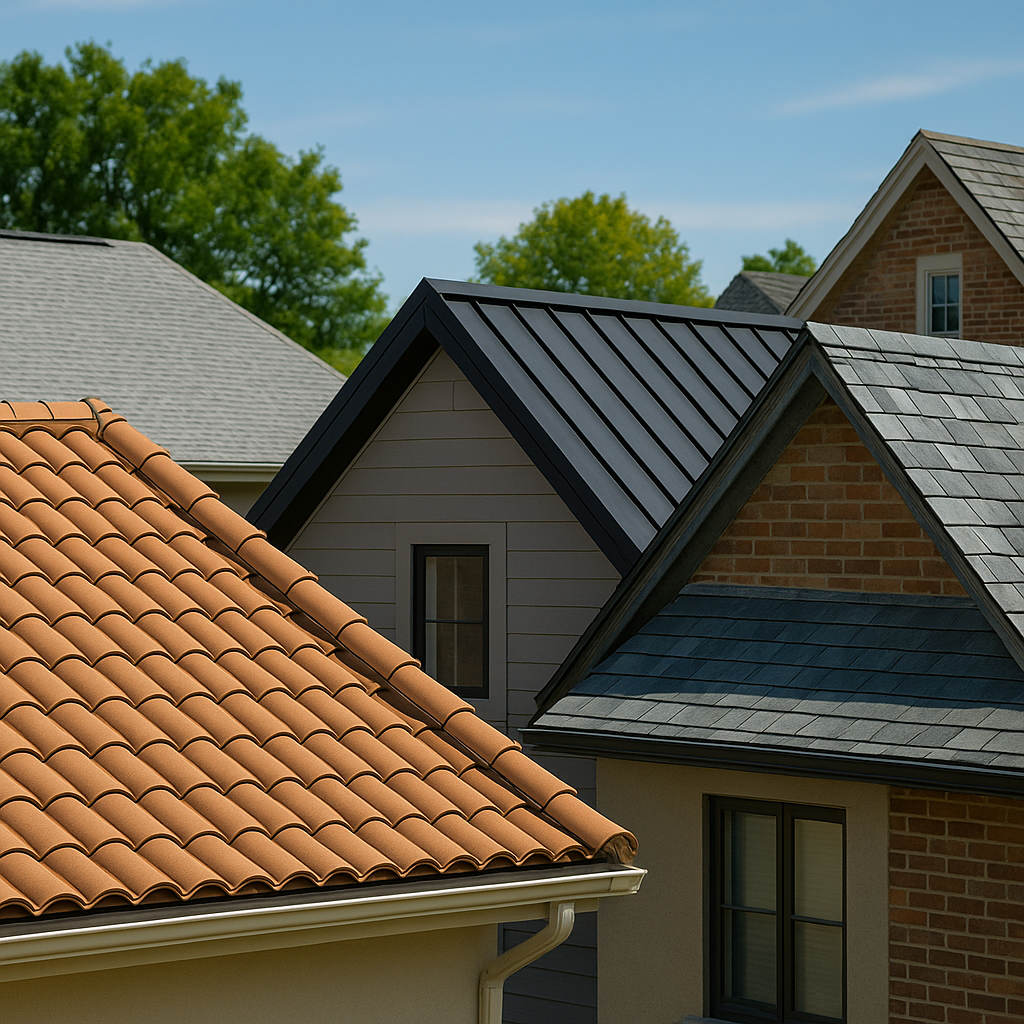
Reflective Shingles
Designed to reflect more sunlight than traditional shingles.
Cool Roof Coatings
Applied to certain roofing systems to improve solar reflectivity.
Metal Roofing
Many metal roofing systems naturally reflect heat and perform exceptionally well in hot climates.
Light-Colored Roofing Materials
Lighter colors absorb less heat than darker roofing materials.
For many homeowners, cool roofing can contribute to improved comfort and lower cooling expenses.
Why Professional Roof Inspections Matter
Many forms of heat damage are impossible to identify from the ground.
Professional inspections can uncover:
- Hidden underlayment deterioration
- Ventilation deficiencies
- Loose flashing
- Sealant failures
- Early signs of roof aging
- Storm-related vulnerabilities
Small issues identified early are often less expensive to address than major repairs or premature roof replacement.
Regular inspections are one of the most effective ways to maximize the lifespan of a roofing investment.
Why Local Roofing Experience Matters
Not every roofing contractor understands the unique challenges of Southwest climates.
Phoenix and Albuquerque roofs require solutions specifically designed for:
- Extreme heat
- UV exposure
- Monsoon storms
- Dust accumulation
- Wind events
Working with a local contractor helps ensure roofing systems are selected, installed, and maintained with regional conditions in mind.
Protect Your Roof Before Heat Damage Becomes Expensive
The biggest mistake many homeowners make is waiting until a leak appears.
By the time water enters the home, roofing damage may already be extensive.
Preventative maintenance and routine inspections can help homeowners:
- Extend roof lifespan
- Improve energy efficiency
- Avoid costly emergency repairs
- Protect home value
- Reduce long-term ownership costs
The sooner heat-related issues are identified, the easier they are to address.
Schedule Your Roof Inspection with Reimagine Roofing & Construction
Extreme heat is one of the most overlooked threats to roofs in Phoenix and Albuquerque. While damage often develops quietly, the financial impact can be significant if problems are left unchecked.
At Reimagine Roofing & Construction, our team understands the challenges Southwest homeowners face and provides professional roof inspections, repairs, maintenance, and replacement solutions tailored to desert climates.
Book a Professional Roof Inspection
If your roof has been exposed to years of intense sun, monsoon storms, or extreme temperatures, now is the time to have it evaluated by a local roofing expert.
Get a Fast Online Roof Estimate
Want a quick idea of your roofing project’s cost?
Use our online quote tool to receive a fast, convenient estimate for roof repair or replacement. It’s a simple way to start planning your next roofing project without the hassle.
Popular Posts