How Regional Climate Trends Shape Roofing Material Choices Across the U.S.

How Regional Climate Trends Shape Roofing Material Choices Across the U.S.
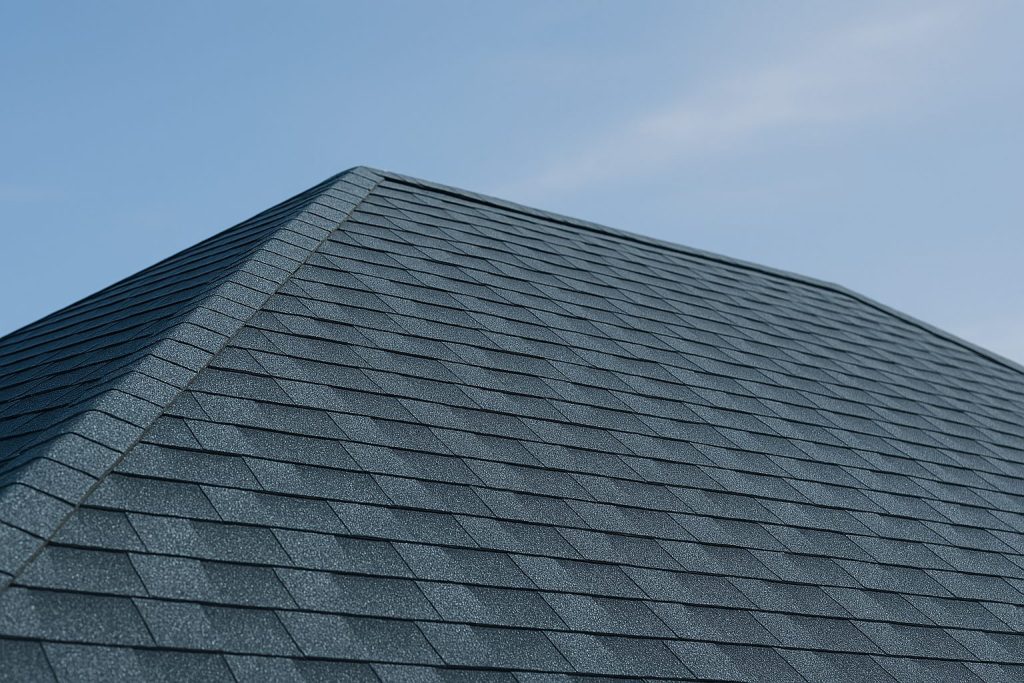
How Regional Climate Trends Shape Roofing Material Choices Across the U.S.
When it comes to protecting your home, your roof is your first and most important line of defense. However, not all roofs are created equal—and more importantly, not all roofing systems perform the same across different climates which is why roofing material choices are affected by your region’s climate.
From relentless desert sun to hurricane‑force winds and devastating hailstorms, regional climate conditions across the United States dramatically influence which roofing materials last longer, perform better, and save homeowners money.
At Reimagine Roofing, we specialize in designing and installing roofing systems that are engineered for your regional environment, not generic, one‑size‑fits‑all solutions. Roofing contractors may offer a variety of roof types and materials, including asphalt shingles, metal roofing, tiles, slate, or synthetic materials, each with specific characteristics and benefits suited to different climates and energy-saving strategies. With service areas spanning the Sun Belt, Mountain West, coastal regions, and hail‑prone states, we help homeowners make smarter roofing decisions that deliver long‑term performance, energy efficiency, and insurance advantages.
In this in‑depth guide, we’ll explore how regional climate trends shape roofing material choices. Cool roofs can be installed on both residential and commercial buildings and can include materials such as membranes, shingles, coatings, and tiles with high solar reflectance. We’ll also cover what options are best for your area, and why now is the perfect time to schedule a free roof inspection.
Why Climate Matters More Than Ever in Roofing
Extreme weather events are increasing in frequency and intensity across the U.S. Rising temperatures, stronger storms, and shifting weather patterns mean roofs are exposed to greater stress than ever before.
Choosing the wrong roofing materials for your region can result in:
- Premature wear and tear
- Higher cooling and heating bills
- Increased risk of leaks and storm damage
- Insurance complications or denied claims
- Costly repairs or early replacement
That’s why regional climate‑specific roofing systems aren’t just a luxury—they’re a necessity.
At Reimagine Roofing, we analyze heat exposure, wind speed ratings, hail frequency, moisture levels, and local building codes to design roofs that truly perform where you live.
Overview of Roofing Options
When selecting the best roofing material for your home or building, it’s important to consider both performance and climate suitability. The Cool Roof Rating Council (CRRC) is a trusted resource for evaluating cool roof products, offering ratings that help homeowners and builders compare how well different materials reflect sunlight and decrease roof temperature. Cool roofs are designed to reflect more of the sun’s rays, which can lead to significant energy savings and lower maintenance costs over time.
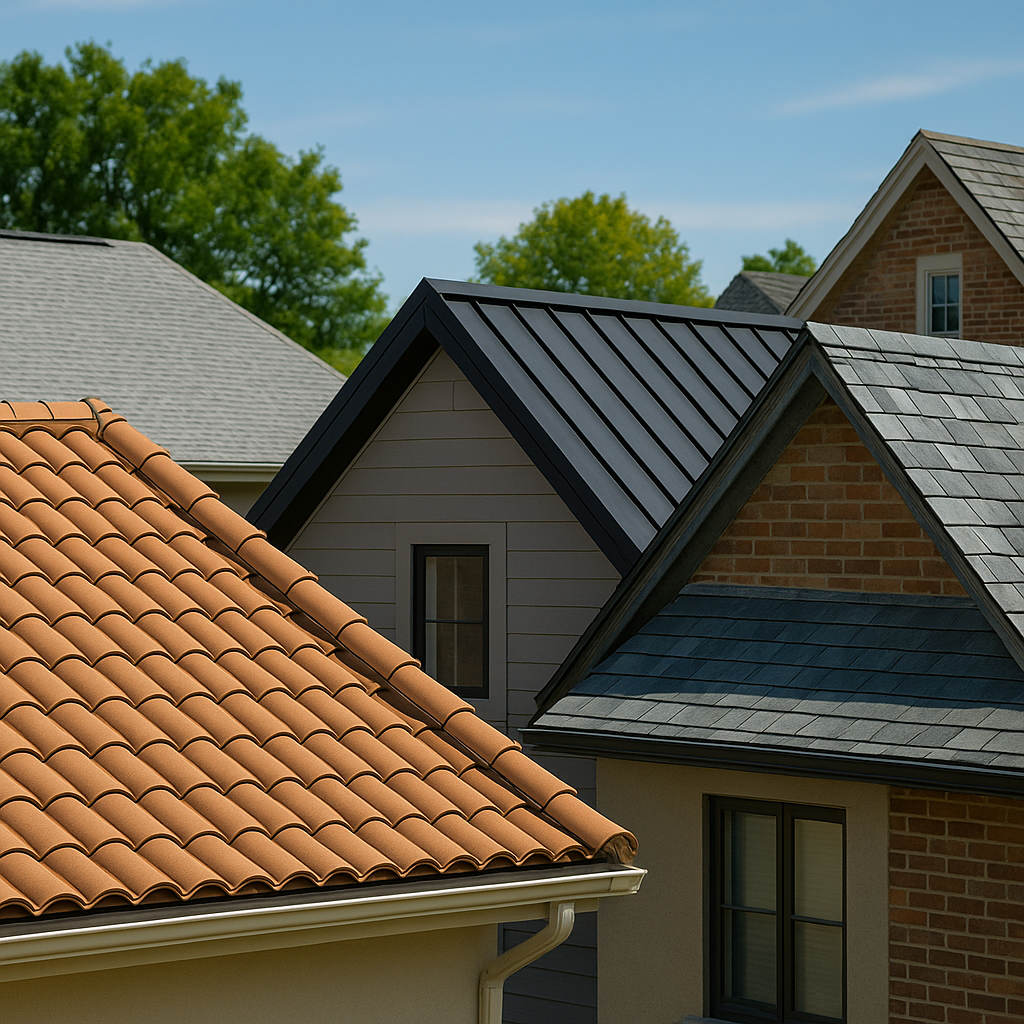
Among the most popular roofing materials are asphalt shingles, metal shingles, slate tiles, and clay tiles. Asphalt shingles are widely used due to their affordability and versatility, making them a common choice for many homeowners. Metal shingles offer enhanced durability and are especially valued for their ability to reflect sunlight, contributing to a cooler roof and improved energy efficiency. Slate tiles and clay tiles are known for their longevity and classic appearance, providing both aesthetic appeal and robust protection against the elements.
Each roofing material has unique benefits and is suited to different climates and building types. By consulting resources like the Cool Roof Rating Council and considering factors such as energy savings, maintenance requirements, and local climate, homeowners can make informed decisions that maximize the value and performance of their roof.
Roofing Types: Steep vs. Low-Sloped Roofs and Climate Suitability
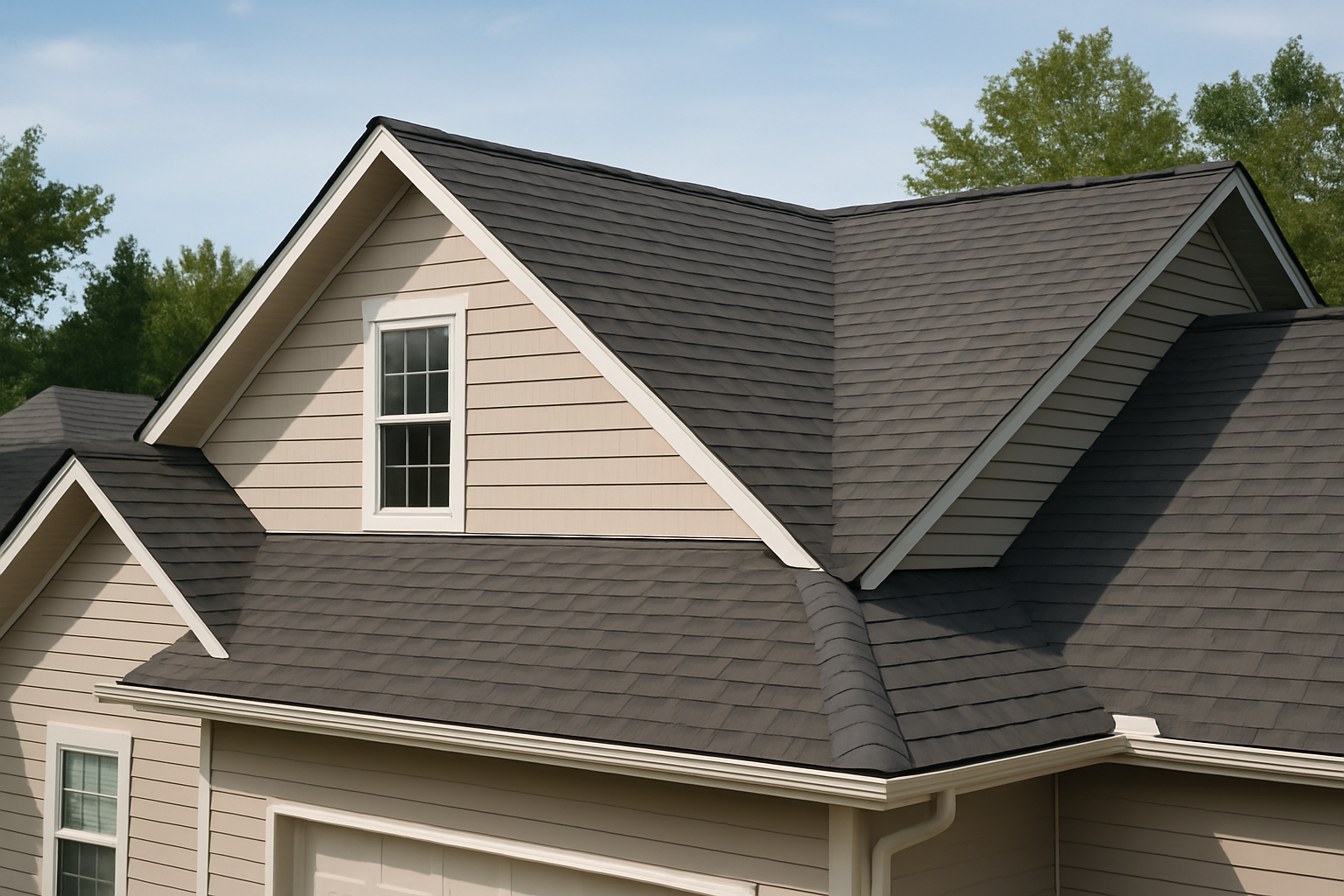
Roofing systems are generally categorized as either steep or low-sloped, and each type comes with its own set of advantages and considerations. Steep roofs, which are commonly found in residential construction, are particularly effective in regions with heavy snowfall or high winds, as their pitch helps shed water and snow efficiently. Asphalt shingles are a popular choice for these roofs due to their cost-effectiveness, ease of installation, and reliable performance.
Low-sloped roofs, often seen in commercial construction, require materials that can withstand standing water and provide long-term durability. Metal panels are frequently chosen for low-sloped applications because they are durable, water-resistant, and can help prevent issues like algae growth. However, in climates with extreme heat or humidity, it’s important to select materials that resist cracking and other forms of weather-related damage.
Choosing the right combination of roof type and material is essential for ensuring protection, durability, and energy efficiency. By considering local climate conditions and the specific needs of your building, you can select a roofing system that will provide lasting value and performance.
Roofing in the Sun Belt & Mountain West
(Arizona, New Mexico, Utah, Texas)
The Climate Challenge: Heat, UV, and Temperature Swings
Homes in the Sun Belt and Mountain West face some of the harshest roofing conditions in the country:
- Intense UV exposure year‑round
- Prolonged high temperatures
- Rapid temperature changes from day to night
- Low humidity followed by monsoon storms (in some regions)
About half of sunlight consists of invisible near-infrared radiation, which can contribute significantly to roof heat gain.
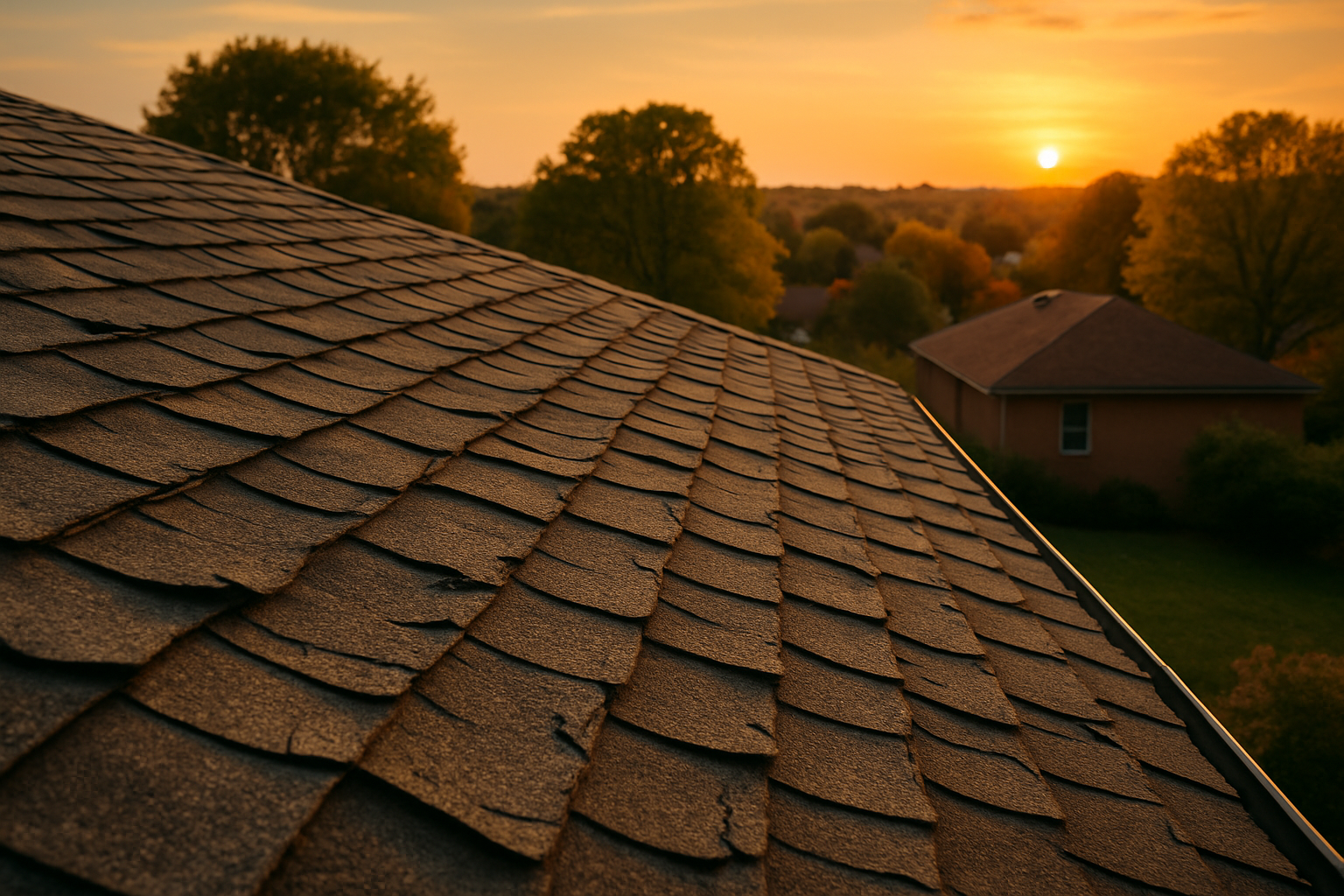
These conditions can cause roofing materials to dry out, crack, curl, fade, and deteriorate prematurely.
Best Roofing Solutions for Hot, High‑UV Regions
1. Cool Roofing Systems
Cool roofs are engineered to reflect more sunlight and absorb less heat, helping homes stay comfortable while reducing energy costs.
White roofing products can reflect about 60% to 90% of sunlight, while ‘cool colored’ products can reflect about 30% to 60%, helping to keep buildings cooler.
Key benefits include:
- Lower surface roof temperatures
- Reduced indoor cooling demand
- Longer shingle lifespan
- Improved home comfort
Cool roofing materials include reflective asphalt shingles, metal roofing, and specialized coatings. Creating cool roofs often involves using special pigments that improve reflectance, especially in dark-colored materials.
2. High‑Rated Synthetic Underlayments
Standard felt underlayments often fail quickly in extreme heat. Reimagine Roofing installs high‑performance synthetic underlayments that keep the roof deck covered and protected from moisture and UV exposure, and resist:
- UV degradation
- Thermal expansion
- Tearing and moisture intrusion
These underlayments serve as a critical secondary barrier, extending roof lifespan and performance.
3. Metal Roofing for Long‑Term Durability
Metal roofs are increasingly popular in Arizona, New Mexico, Utah, and Texas thanks to their:
- Exceptional heat reflectivity
- Long lifespan (40–70 years)
- Minimal maintenance needs
- Fire resistance
Why Reimagine Roofing Excels in the Sun Belt
Our team understands desert and high‑heat roofing challenges and installs systems specifically rated for these demanding conditions.
✅ Free Roof Inspection
✅ Energy‑Efficient Roofing Options
✅ Fast Quotes & Transparent Pricing
Roofing in Coastal & Storm‑Exposed States
(Florida, New Jersey, Maryland, Delaware)
The Climate Challenge: Wind, Rain, and Hurricanes
Coastal and storm‑exposed states deal with:
- Severe thunderstorms
- Hurricanes and tropical storms
- Heavy rainfall and flooding
- Salt air corrosion (coastal zones)
In these regions, roofs fail not because of age—but because they weren’t designed to withstand high wind uplift and water intrusion.
Essential Roofing Features for Coastal Areas
1. Wind‑Rated Roofing Assemblies
Many older roofs are rated for winds far below today’s storm standards. Reimagine Roofing installs wind‑rated systems designed to withstand:
- Sustained winds
- Uplift pressure
- Flying debris during storms
These systems use improved fastening patterns and reinforced decking attachment.
2. Secondary Water Barriers
When shingles blow off during storms, water can rapidly infiltrate your home. A secondary water barrier provides:
- Additional waterproof protection
- Reduced interior damage
- Increased storm resilience
This feature is especially critical in Florida and Mid‑Atlantic coastal states.
3. Moisture‑Resistant Materials
Persistent humidity and rain demand roofing systems that resist mold, mildew, and rot. We use materials designed to perform in wet environments without compromising durability.
Insurance Benefits in Storm‑Prone States
Upgrading to wind‑rated roofing systems often qualifies homeowners for:
- Insurance premium discounts
- Reduced deductibles
- Improved coverage eligibility
Protect Your Home Before Storm Season Arrives
A professional inspection can identify weak points before storms strike.
👉 Schedule Your Free Roof Inspection Today
Roofing in Hail‑Exposed Regions
(Texas, Pennsylvania, New Jersey)
The Climate Challenge: Hail Damage and Repeated Claims
Hail is one of the most destructive forces for residential roofs. Even moderate‑sized hail can:
- Fracture shingle mats
- Dislodge protective granules
- Create hidden leaks that worsen over time
States like Texas, Pennsylvania, and New Jersey experience frequent hail events that significantly shorten roof lifespans.
The Solution: Class 4 Impact‑Resistant Shingles
Class 4 shingles are tested against steel ball impacts to simulate severe hail conditions. Impact-resistant shingles are evaluated using standardized industry tests such as UL 2218 and FM 4473, with a Class 4 rating being one of the highest for impact resistance. To achieve a Class 4 rating, impact-resistant shingles must withstand a 2-inch steel ball dropped from a height of 20 feet without breaking. These shingles are engineered in two ways to improve impact resistance and enhance storm damage protection. They offer:
- Superior impact resistance
- Reduced cracking and granule loss
- Longer roof lifespan
- Potential insurance discounts
Why Insurance Companies Prefer Impact‑Resistant Roofs
Many insurers encourage or require Class 4 materials in hail‑prone regions because they result in:
- Fewer claims
- Reduced repair costs
- Longer replacement cycles
However, while UL 2218 and FM 4473 tests indicate impact resistance, they do not guarantee warranty coverage for all weather-related damages, such as hail. Homeowners should request two separate warranties in writing: a Manufacturer’s Warranty covering defective materials and a Workmanship Warranty for the roofing contractor’s labor.
Choosing impact‑resistant shingles can protect both your home and your wallet.
Reimagine Roofing: Hail Damage Experts
Our inspectors know how to identify hail damage that others miss and help homeowners:
✅ Document damage accurately
✅ Navigate insurance claims
✅ Upgrade to impact‑resistant systems
👉 Get a Fast Quote Today
Cost of Roof Replacement: What Homeowners Need to Know
Replacing your roof is a major investment, and understanding the costs involved can help you plan effectively. The average cost of a roof replacement typically ranges from $6,000 to $9,000 or more, depending on factors such as the size and complexity of your roof. Labor costs make up about 60% of the total expense and can vary based on your location, the pitch of your roof, and the type of materials selected.
In addition to the cost of new materials, homeowners should budget for the removal and disposal of the existing roof, as well as any necessary repairs to the underlying structure. Essential components like pipe boots and flashing are critical for ensuring a watertight and durable installation, and their inclusion can impact the overall cost. By understanding these factors and working with a reputable contractor, you can make informed decisions and ensure your new roof is both durable and cost-effective.
Energy Efficiency, Durability, and Long‑Term Savings
Across all regions, climate‑optimized roofing delivers:
- Lower energy bills
- Increased home value
- Fewer repairs
- Improved indoor comfort
- Longer replacement cycles
Preventative maintenance for roofs involves cleaning, debris removal, and minor sealing to keep the roof in good condition and extend its lifespan. Proper ventilation solutions, like ridge vents and attic fans, help regulate home temperature and prevent moisture-related degradation.
A roof designed for your environment simply performs better over time.
Working with Local Roofers: The Value of Regional Expertise
Partnering with local roofers offers significant advantages when it comes to roof repairs or replacement. Local professionals bring valuable regional expertise, understanding the unique climate challenges and weather patterns in your area. This knowledge allows them to recommend the most suitable roofing materials and installation techniques for your specific needs, ensuring your roof is built to withstand local conditions.
Local roofers are also familiar with area building codes and regulations, helping to ensure your roof is installed to code and meets all necessary standards. Their proximity means they can respond quickly to emergencies and provide ongoing maintenance and support. By choosing a local roofing business, homeowners benefit from personalized service, professional installation, and the peace of mind that comes from working with experts who truly understand the demands of your region.
Why Homeowners Choose Reimagine Roofing
Reimagine Roofing is trusted across the U.S. because we offer:
✅ Climate‑Specific Roofing Solutions
✅ Certified, Experienced Roofing Professionals
✅ Transparent Pricing & Fast Quotes
✅ Insurance‑Friendly Installations
✅ Free, No‑Obligation Roof Inspections
We don’t just install roofs—we engineer protection based on where and how you live.
Is Your Roof Ready for Your Climate?
Many homeowners don’t realize their roofs are underperforming until damage appears inside the home. A free professional inspection can:
- Identify hidden issues
- Evaluate material performance
- Reveal upgrade opportunities
- Prevent costly surprises
Don’t Wait for the Next Storm or Heatwave
Get a Fast Roofing Quote Today
Schedule Your Free Roof Inspection with Reimagine Roofing
Your roof should work with your climate—not against it. Reimagine better protection. Reimagine Roofing.
Popular Posts