What are the Pros and Cons of Each Frame Material: Vinyl vs Aluminum vs Fiberglass Windows
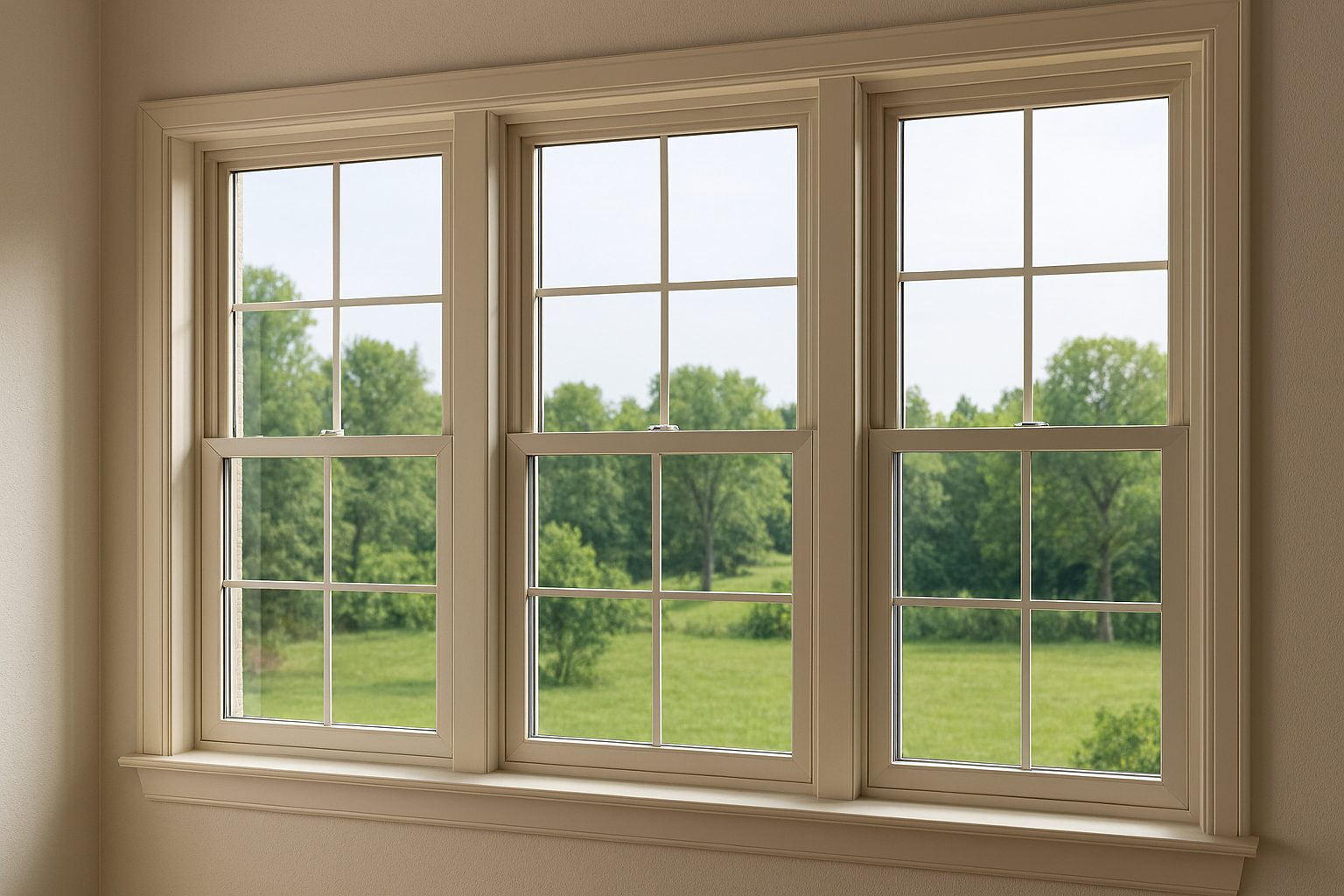
What are the Pros and Cons of Each Frame Material: Vinyl vs Aluminum vs Fiberglass Windows
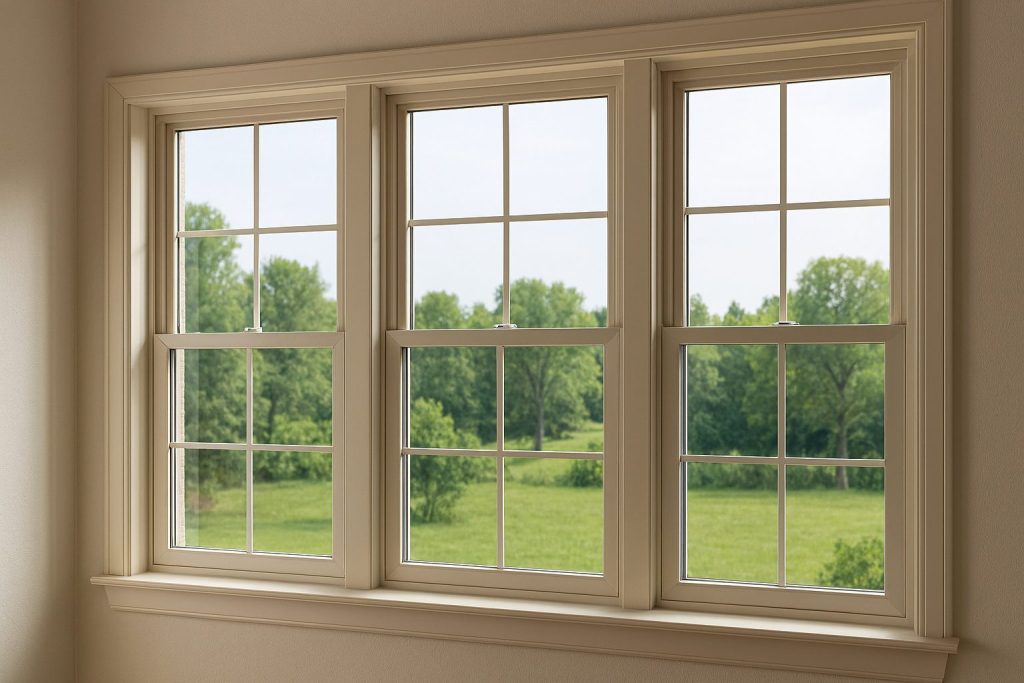
Vinyl vs Aluminum vs Fiberglass Window Frames: Pros and Cons
Choosing new windows is one of the most impactful upgrades you can make to your home. The right windows improve curb appeal, increase energy efficiency, reduce maintenance, and enhance comfort year‑round. But before you select window styles or glass options, one major decision comes first:
Which window frame material is best for your home?
The three most popular modern window frame materials are vinyl, aluminum, and fiberglass. Each offers unique benefits—and potential drawbacks—depending on your climate, budget, home style, and long‑term goals. When considering window materials for replacement windows as part of your home improvement project, it’s important to understand how these choices affect performance, durability, and cost.
The choice of window materials not only impacts your windows but also affects other exterior openings, such as doors, where framing material plays a key role in insulation and overall performance. Understanding these factors will help you decide which option is best for your needs.
The average national price for a professional to replace one window is around $800, with costs ranging from about $300 to $3,000 depending on the size and type of window.
In this comprehensive guide, Reimagine Roofing & Construction breaks down the pros and cons of vinyl vs aluminum vs fiberglass window frames so you can make a confident, informed decision. If you’re planning a window replacement or new installation, this article will help you choose the material that delivers the best performance and value for your home.
Why Window Frame Material Matters
Many homeowners focus on window glass—double pane, Low‑E coatings, argon gas—but the frame and the choice of window materials are just as important. The window frame affects:
- Energy efficiency and insulation (a key factor in overall window performance)
- Structural strength and durability
- Resistance to heat, cold, and moisture
- Maintenance requirements
- Long‑term performance and lifespan
- Overall look of your home
Choosing the wrong frame material can lead to higher energy bills, energy loss, warping, condensation issues, and premature replacement.
Let’s explore each option in detail.
Vinyl Window Frames: Affordable, Energy‑Efficient, and Low Maintenance
What Are Vinyl Windows?
Vinyl window frames are made from PVC (polyvinyl chloride), a durable, plastic‑based material. They are one of the most widely installed window types in residential homes across the U.S.
Pros of Vinyl Window Frames
1. Excellent Energy Efficiency
Vinyl is a poor conductor of heat, which makes it naturally energy efficient. When combined with insulated glass featuring multiple panes and an insulated space between panes, vinyl windows help reduce heat transfer and energy loss. This design improves insulation, leading to:
- Reduced heat loss in winter
- Minimized heat gain in summer
- Lower heating and cooling costs
Many vinyl windows are available as Energy Star certified windows. Choosing Energy Star certified windows ensures compliance with strict energy performance standards, further improving energy efficiency and reducing energy bills.
Multi‑chambered vinyl frames add an extra layer of insulation, making them ideal for extreme temperatures.
2. Lower Cost Compared to Other Materials
Vinyl windows are typically the most affordable option, making them popular for homeowners replacing multiple windows at once.
- Budget‑friendly upfront pricing
- Strong return on investment
- Ideal for rental properties and resale upgrades
3. Minimal Maintenance
Vinyl windows do not require:
- Painting
- Sealing
- Staining
When installed properly, vinyl windows are low maintenance and retain their durability over time.
They resist moisture damage, rot, peeling, corrosion, and insect infestation. Occasional cleaning with soap and water is usually enough.
4. Moisture and Humidity Resistant
Vinyl is highly resistant to moisture, making it a good choice for bathrooms, kitchens, and humid climates.
5. Variety of Styles and Colors
Modern vinyl windows are available in:
- White, beige, gray, black, and wood‑grain finishes
- Double‑hung, slider, casement, bay, and picture window styles
Vinyl windows can also help maximize natural light and sunlight in your house, brightening interiors and enhancing comfort.
Cons of Vinyl Window Frames
1. Limited Structural Strength
Vinyl is not as rigid as aluminum or fiberglass. Larger window openings may require internal reinforcements.
2. Color Limitations (Especially for Dark Colors)
Vinyl cannot be repainted easily, and darker colors may fade or warp over time if exposed to intense heat. Prolonged exposure to sunlight can also cause fading or warping in dark-colored vinyl windows.
3. Less Premium Appearance
While vinyl windows look great on most homes, some homeowners feel they lack the upscale aesthetic of fiberglass or wood alternatives.
Aluminum Window Frames: Modern, Strong, and Sleek
What Are Aluminum Windows?
Aluminum window frames are made from lightweight metal known for its strength and clean, contemporary appearance. Aluminum is commonly used for both windows and doors, and is valued for its durability on the exterior of homes. They are commonly found in commercial buildings and modern residential projects.
Pros of Aluminum Window Frames
1. High Strength and Durability
Aluminum frames offer exceptional structural integrity, making them ideal for:
- Large window openings
- Floor‑to‑ceiling windows
- Narrow sightlines and slim profiles
They don’t warp, crack, or swell over time.
2. Sleek, Modern Design
Aluminum windows are popular in modern and industrial‑style homes. The frames allow for more glass and less visible framing.
3. Lightweight Material
Despite its strength, aluminum is lightweight, reducing stress on window openings during installation.
4. Low Maintenance
Aluminum does not rot or attract pests. Powder‑coated finishes resist chipping and fading.
Cons of Aluminum Window Frames
1. Poor Natural Insulation
Aluminum is a conductor of heat, which means:
- Heat transfers easily in hot weather
- Cold transfers quickly in winter
Without a thermal break, aluminum windows can significantly reduce energy efficiency.
2. Condensation Issues
In humid or cold climates, aluminum frames can develop condensation, potentially leading to moisture problems.
3. Not Ideal for All Climates
Unless equipped with advanced thermal technology, aluminum windows are better suited for mild or warm climates.
4. Higher Cost Than Vinyl
Aluminum windows often cost more than vinyl while offering lower insulation value.
Fiberglass Window Frames: Premium Performance and Longevity
What Are Fiberglass Windows?
Fiberglass window frames are made from glass fibers embedded in resin, creating one of the strongest and most stable materials in the window industry. Fiberglass windows are a type of composite windows, made from a blend of materials such as fiberglass, plastics, and sometimes recycled wood, which enhances their durability and insulation properties. Additionally, fiberglass windows expand and contract at nearly the same rate as glass, helping them maintain airtight seals for decades.
Pros of Fiberglass Window Frames
1. Exceptional Strength and Stability
Fiberglass is incredibly strong, even stronger than aluminum, and resists:
- Warping
- Twisting
- Cracking
- Expansion and contraction
This makes fiberglass ideal for large windows and extreme temperature changes.
2. Superior Energy Efficiency
Fiberglass has insulation properties similar to glass, allowing it to expand and contract at nearly the same rate. This helps maintain airtight seals over time.
3. Long Lifespan
Fiberglass windows can last 30–50 years or more, significantly longer than vinyl or aluminum options.
4. Paintable and Customizable
Unlike vinyl, fiberglass frames can be painted and repainted. This allows for color customization both inside and outside the home.
5. Weather and Moisture Resistant
Fiberglass does not rot, corrode, or absorb moisture, making it suitable for all climates.
Cons of Fiberglass Window Frames
1. Higher Initial Cost
Fiberglass windows typically cost more upfront than vinyl or aluminum. However, long‑term savings often offset the price difference.
2. Fewer Budget Options
Fiberglass is considered a premium material, so budget‑grade options are limited.
Vinyl vs Aluminum vs Fiberglass: Quick Comparison
| Feature | Vinyl | Aluminum | Fiberglass |
|---|---|---|---|
| Cost | Lowest | Mid‑range | Highest |
| Energy Efficiency | High | Low–Medium | Very High |
| Durability | Good | Very Good | Excellent |
| Maintenance | Very Low | Low | Very Low |
| Appearance | Traditional | Modern | Versatile |
| Paintable | No | Limited | Yes |
| Lifespan | 20–30 years | 20–30 years | 30–50+ years |
Which Window Frame Is Best for Your Home?
Choose Vinyl If:
- You want affordable, energy‑efficient windows
- You prefer low maintenance
- You’re replacing multiple windows on a budget
Go for Aluminum If:
- You like clean, modern aesthetics
- You want strong frames for large windows
- You live in a mild or warm climate
Get Fiberglass If:
- You want the best long‑term performance
- Energy efficiency is a top priority
- You prefer a premium, customizable option
Professional Installation Matters More Than Material
Even the highest‑quality windows will underperform if installed incorrectly. Poor installation can cause:
- Air and water leaks
- Drafts and heat loss
- Structural issues
- Reduced lifespan
At Reimagine Roofing & Construction, we specialize in professional window installation and replacement using industry best practices to ensure your windows perform exactly as designed.
Why Homeowners Choose Reimagine Roofing & Construction
- Expert recommendations based on your home and climate
- High‑quality window products from trusted manufacturers
- Skilled, experienced installation crews
- Honest pricing and transparent quotes
- Satisfaction focused service from start to finish
Ready to Upgrade Your Windows? Get a Fast Quote Today
Whether you’re replacing a single window or upgrading your entire home, choosing the right frame material makes all the difference.
Let the experts at Reimagine Roofing & Construction help you select the best windows for your needs, style, and budget—and install them the right way.
👉 Get a fast, no‑obligation quote today
Reimagine your home. Rebuild with confidence.
Popular Posts