How Tile Roof Underlayment Fails in Arizona
How Tile Roof Underlayment Fails in Arizona
How Tile Roof Underlayment Fails in Arizona and When to Replace It
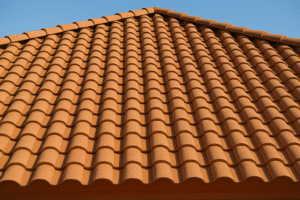
The Hidden Layer Protecting Your Home
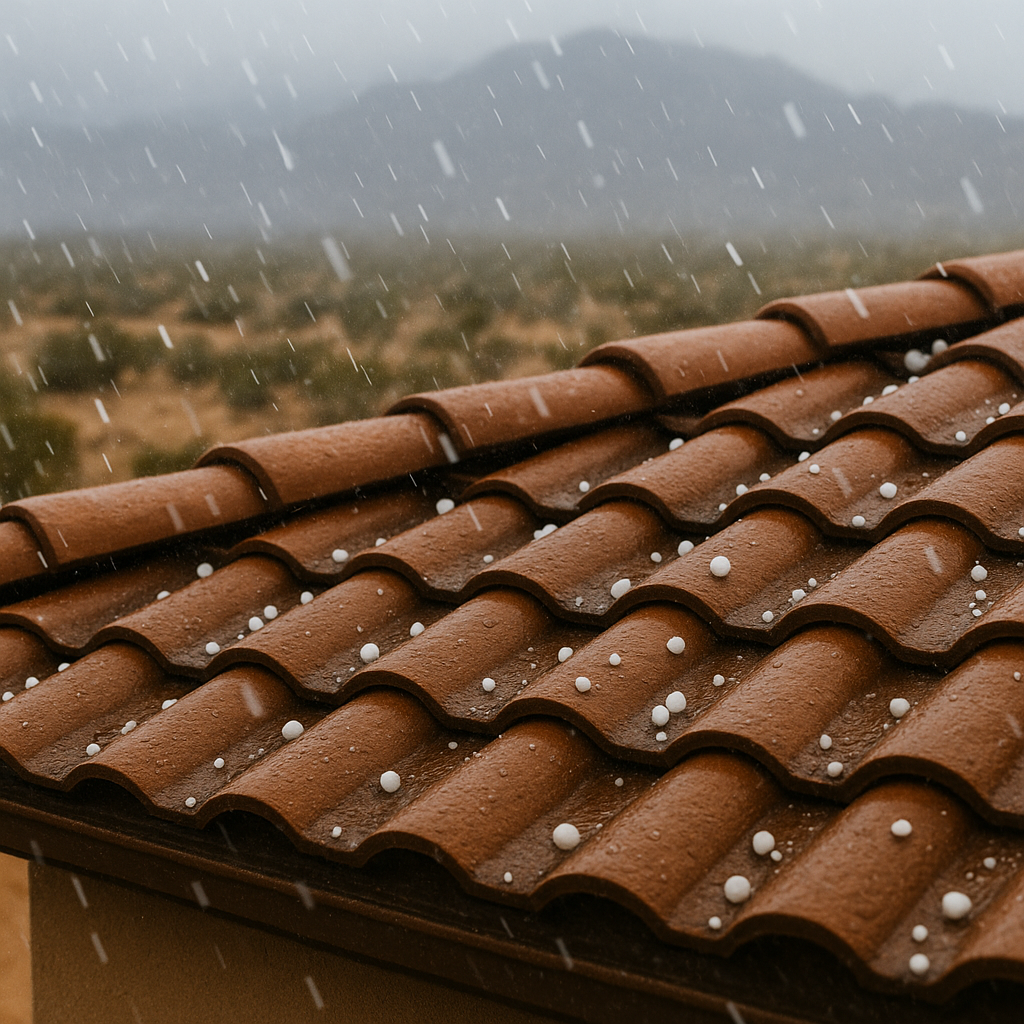
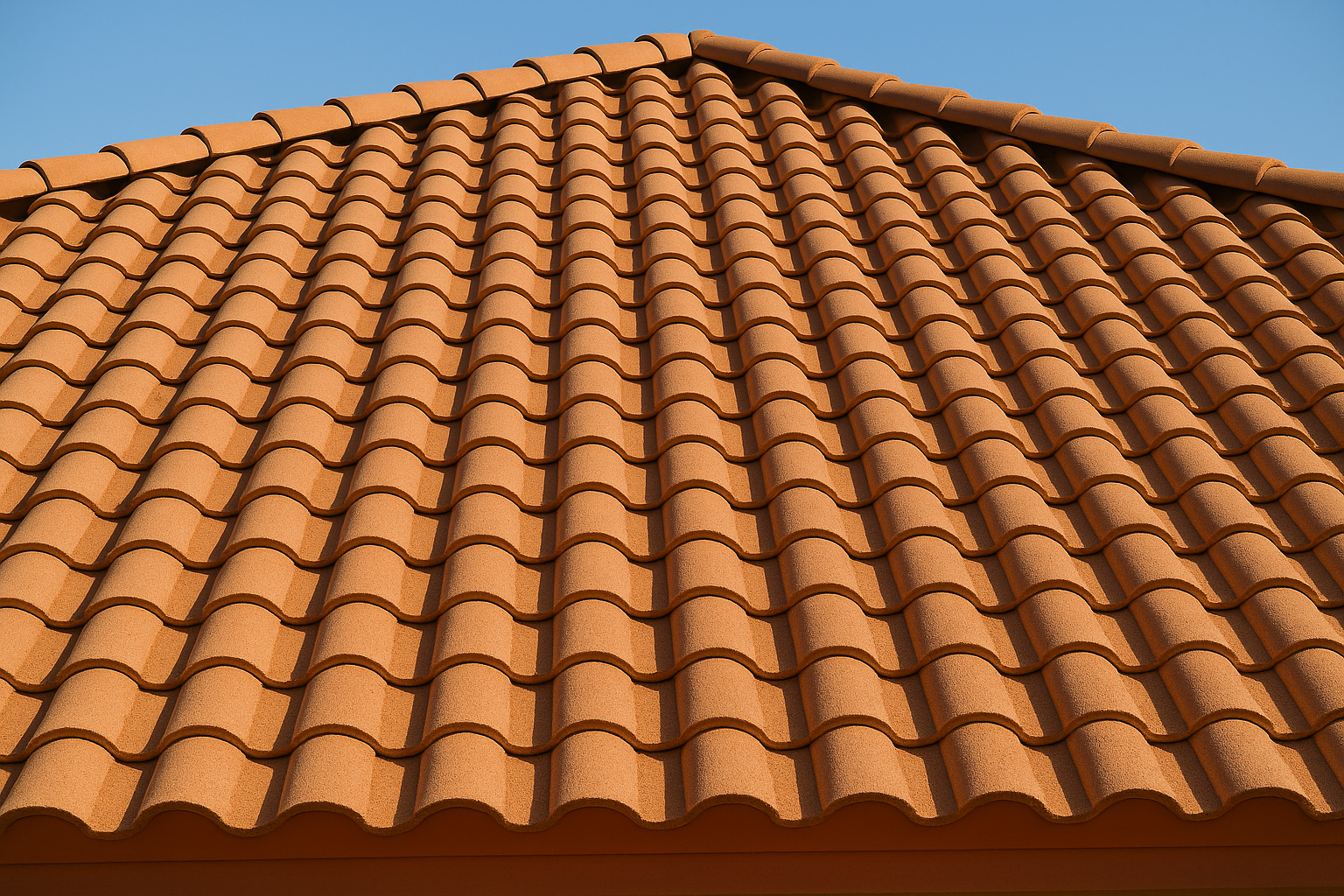
Tile roofs are a staple of Arizona architecture — and for good reason. They’re beautiful, durable, and built to withstand the desert’s scorching sun, while also complementing the style of any house. But here’s something most homeowners don’t realize: the tiles themselves aren’t waterproof.
The real protection lies beneath the surface, in a crucial layer called roof underlayment. This hidden barrier is what keeps your home dry when monsoon rains hit, when wind-blown dust builds up, or when years of UV exposure begin to wear down roofing materials. Underlayment protects the entire house, not just the roof structure, ensuring your property remains safe and sound.
Unfortunately, Arizona’s unique climate — high heat, intense UV radiation, and heavy summer storms — causes underlayment to break down far faster than in most other states.
At Reimagine Roofing, we see it every day. A roof may look perfectly fine from the outside, but underneath, the underlayment is dry, cracked, or disintegrating. The result? Costly leaks, water damage, and structural issues that could have been prevented with timely replacement.
In this in-depth guide, we’ll explain:
- What tile roof underlayment actually does
- How Arizona’s climate causes it to fail
- The early warning signs of deterioration
- When replacement is necessary
- And how Reimagine Roofing ensures your roof stays watertight for decades
What Is Roof Underlayment (and Why It’s So Important)
Roof underlayment is a waterproof or water-resistant barrier installed directly on your roof deck, underneath your tile, shingle, or metal surface. Its job is to prevent water infiltration in case the top layer fails.
Professional roofing services are essential for correct underlayment installation and long-term protection.
The Three Key Layers of a Tile Roof
- Tile Surface: Clay or concrete tiles that shield from UV rays and direct rainfall.
- Underlayment: A moisture barrier that keeps water from penetrating the wood deck.
- Roof Deck: The plywood or OSB structure that supports your roof.
Tiles alone can’t prevent leaks. In fact, they’re primarily designed for aesthetic and thermal protection, not complete waterproofing. Rainwater often runs under the tiles — and it’s the underlayment that keeps your home dry.
If the underlayment fails, the roof deck absorbs water, leading to rot, mold, and eventual structural damage.
The Types of Underlayment Used in Arizona Roofs
Not all underlayments are created equal — especially in a climate as extreme as Arizona’s.
Experienced roofing companies can help homeowners choose the right underlayment for their specific needs, ensuring durability and protection in Arizona’s unique conditions.
Asphalt-Saturated Felt (Traditional Felt Paper)
- Commonly used in older roofs (pre-2000s).
- Inexpensive but short-lived under UV exposure.
- Lasts about 10–15 years in Arizona.
Synthetic Underlayment
- Made from woven polypropylene or polyethylene.
- UV and moisture resistant.
- Lightweight and longer-lasting — up to 25 years.
Peel-and-Stick Underlayment
- Self-adhering waterproof membrane.
- Excellent for valleys and vulnerable areas.
- Highly durable but more costly.
Tile-Specific Underlayments (High-Performance Systems)
- Designed for clay and concrete tile applications.
- Reinforced with fiberglass for added heat resistance.
- Can last 30–40 years with proper installation.
At Reimagine Roofing, we recommend tile-rated synthetic or hybrid underlayments engineered to handle high temperatures, wind, and UV exposure — ideal for Arizona conditions.
Why Arizona’s Climate Destroys Roof Underlayment Faster
Arizona’s desert environment puts your underlayment through one of the harshest stress tests on earth. As a result, underlayment failures tend to occur more frequently in Arizona due to the extreme weather conditions.
Intense UV Radiation
The sun’s ultraviolet rays cause asphalt-based materials to dry out, shrink, and crack. Even small tears can let moisture in.
Extreme Heat
Roof surfaces can reach up to 160°F in summer. This accelerates aging and causes adhesive layers to soften and fail.
Monsoon Rains and Dust
When the first summer rains hit, they expose weaknesses. Water seeps into tiny cracks, and mud buildup in valleys traps moisture against the underlayment. Storm damage from heavy rains can accelerate underlayment deterioration, making timely inspection and repair essential.
Temperature Fluctuations
Arizona’s day-night temperature swings cause expansion and contraction, leading to material fatigue over time.
Wind Uplift
Haboobs and monsoon winds loosen tiles, exposing underlayment directly to debris and sunlight.
The result? What’s advertised as a “30-year roof” might only perform for 15–20 years in Arizona without proactive maintenance.
The Most Common Ways Tile Roof Underlayment Fails
Understanding how underlayment deteriorates helps homeowners spot the warning signs before leaks appear. Timely roof repairs can address these issues before they worsen.
1. Drying and Cracking
Underlayment dries out due to constant heat exposure, forming brittle cracks that let water pass through.
2. Curling or Peeling
Edges lift as adhesives weaken, especially around flashing and valleys.
3. Rot or Mold
Water trapped under tiles or debris leads to microbial growth, breaking down organic underlayment materials.
4. Nail or Fastener Damage
Improper tile installation or shifting can puncture underlayment, creating entry points for water.
5. Overlaps Separating
Old felt underlayments lose adhesion, and overlapping seams open up under tension.
6. UV Exposure Through Broken Tiles
Even small gaps allow sunlight to degrade the material underneath.
7. Poor Ventilation
Trapped heat in the attic accelerates deterioration from below, effectively “baking” the underlayment.
Each of these failure modes eventually leads to leaks, decking rot, and insulation damage if left unchecked.
Warning Signs Your Tile Roof Underlayment Is Failing
Even if your tiles look fine, your underlayment may already be nearing the end of its life. Here are the most common red flags:
| Warning Sign | What It Means | Action Needed |
|---|---|---|
| Water stains on ceilings or walls | Moisture penetrating underlayment | Schedule inspection immediately |
| Missing, cracked, or slipped tiles | Underlayment exposed to sun/water | Replace damaged sections |
| Fine dust or debris under roof eaves | Tile movement or uplift | Check for wind damage |
| Sagging roofline | Possible wood rot | Professional structural evaluation |
| Moldy attic smell or damp insulation | Leaking barrier below tiles | Remove and inspect underlayment |
| Roof age 15+ years | Reaching end of lifespan | Preventive replacement recommended |
If you notice any of these symptoms, it’s time for a professional roof inspection. Even a small exposed section can lead to extensive water damage during Arizona’s monsoon season.
For prompt assistance or to get a quote, contact a roofing professional as soon as you observe any of these warning signs.
What Happens If You Don’t Replace Failing Underlayment
Some homeowners delay underlayment replacement because the tiles still look intact — but what you can’t see can cause the most harm.
Addressing underlayment issues early allows professionals to fix problems before they require extensive repairs.
1. Leaks and Interior Water Damage
Moisture eventually makes its way through the decking and into drywall or insulation, leading to expensive repairs.
2. Structural Rot
Continuous water exposure weakens the plywood sheathing, causing sagging or collapse in extreme cases.
3. Mold Growth
Arizona’s dry air doesn’t stop mold from growing inside sealed attic spaces where moisture is trapped.
4. Compromised Tile Stability
Once the underlayment deteriorates, tiles can shift more easily, increasing wind vulnerability.
5. Insurance Claim Denials
Many homeowners insurance policies require regular roof maintenance. Neglecting known underlayment issues can void coverage.
6. Reduced Property Value
Buyers and inspectors flag aging roofs as major liabilities during home sales.
Proactive replacement costs a fraction of what full structural repairs would.
When to Replace Tile Roof Underlayment in Arizona
Timing is everything. You don’t need to wait until leaks appear — by then, internal damage is already underway. Homeowners now have access to advanced inspection tools and professional assessments, making it easier to determine the condition of their underlayment before problems arise.
General Guidelines:
- Standard asphalt felt: Replace every 10–15 years
- Synthetic or high-performance underlayment: Replace every 20–30 years
- Clay/concrete tile roofs: Underlayment typically fails before tiles
Location-Specific Recommendations:
- Phoenix / Scottsdale: High UV exposure — inspect every 10 years
- Tucson / Casa Grande: Hot, dry air — prioritize UV-resistant materials
- Flagstaff / Northern AZ: More freeze-thaw cycles — check for seam integrity
If your roof is more than 15 years old and has never had the underlayment replaced, it’s time for an inspection.
Reimagine Roofing offers free, drone-assisted evaluations and full photographic reports so you can see the condition of your underlayment without guesswork.
Local Building Codes and Regulations for Tile Roof Underlayment
When it comes to roofing in Arizona, following local building codes and regulations isn’t just a formality—it’s a critical part of ensuring your home is protected for the long haul. The roofing industry in our state is shaped by strict standards designed to address the unique challenges of our climate, from relentless sun to sudden storms. That’s why every residential roofing project, whether it’s a small repair or the installation of an entire roof, must meet or exceed these requirements.
Quality roofing starts with a deep understanding of these codes. Local regulations specify everything from the type and thickness of underlayment materials to the proper installation techniques for tile roofs. These rules are in place to guarantee that every roof can withstand Arizona’s extreme weather and keep your home safe and dry.
Trusted roofers know that cutting corners isn’t an option. Their dedication to quality means they stay up to date on the latest building codes, ensuring that every job—no matter the size—is carried out with precision and care. Whether you’re dealing with a minor repair or a full roof replacement, working with experienced professionals ensures your roof is built to last and fully compliant with all local regulations.
At the end of the day, choosing a roofing company that values quality and dedication protects your investment, your family, and your peace of mind. With the right team on your side, you can be confident that your roof isn’t just beautiful—it’s built to the highest standards in the industry.
How Reimagine Roofing Replaces Underlayment the Right Way
Replacing underlayment on a tile roof isn’t just a matter of laying down new material. It’s a precise process that demands experience, especially in Arizona’s climate. Each underlayment replacement is a craft that requires expertise and attention to detail, and we take great pride in every project we complete. Roofing is not just a trade—it’s a skilled profession that goes beyond just a trade, demanding dedication and mastery. Every step of our process is carefully crafted by experienced professionals who take pride in their workmanship.
Step 1: Comprehensive Inspection
We start with a drone and infrared assessment to identify moisture pockets, broken tiles, and flashing issues.
Step 2: Tile Removal and Cleaning
Each tile is carefully removed and stacked for reuse. The entire roof deck is then cleaned and inspected for rot or damage.
Step 3: Deck Repairs
If any decking is soft or compromised, we replace it to ensure a solid foundation for the new underlayment.
Step 4: New Underlayment Installation
We use premium, tile-rated synthetic underlayment engineered for heat resistance, tear strength, and long-term UV stability.
Step 5: Flashing and Edge Reinforcement
New metal flashing and drip edges are installed for added protection against wind-driven rain.
Step 6: Tile Reinstallation
Your original tiles are reinstalled and sealed. Any cracked or broken tiles are replaced with matching ones.
Step 7: Final Quality Check
Our technicians perform a full water test and provide a detailed completion report — including before-and-after photos for your records.
We also register your warranty so you’re protected for years to come.
The Cost of Replacing Tile Roof Underlayment in Arizona
Costs depend on roof size, material, and complexity, but here’s a general estimate:
| Roof Size | Estimated Cost Range | Notes |
|---|---|---|
| 1,500 sq. ft. | $5,000–$7,500 | Typical single-story home |
| 2,000 sq. ft. | $7,500–$10,000 | Includes flashing and tile repairs |
| 3,000+ sq. ft. | $10,000–$15,000+ | Complex roofs or high-end materials |
While underlayment replacement isn’t cheap, it’s far less expensive than repairing interior water damage or replacing the entire roof later. Investing in quality underlayment replacement can save homeowners significant money by preventing costly repairs down the road.
Most importantly, once it’s done right, you’ll get decades of worry-free protection.
How Long Does Tile Roof Underlayment Last After Replacement?
With modern materials and professional installation, you can expect your new underlayment to last 25–40 years, depending on product type.
At Reimagine Roofing, we use high-performance synthetic membranes rated for up to 250°F heat resistance and backed by lifetime workmanship warranties.
Why Reimagine Roofing Is Arizona’s Tile Roof Specialist
We’ve built our reputation on precision craftsmanship and local expertise, with deep roots in the local area and a strong commitment to serving our community. Arizona roofs aren’t like those in other states — and we know exactly how to make them last.
Our dedicated, close-knit team is passionate about delivering reliable service to customers and families, ensuring every project meets the highest standards. Our definitive vision drives us to continually improve, and our dedication shines through in every roof we install or repair.
We are committed to serving and supporting the local community and families, emphasizing reliability, customer focus, and ongoing involvement to help our neighbors feel safe and protected.
What Sets Us Apart:
Starting with just a couple people, a single truck, and a small office, we have grown through dedication and hard work. Fast forward to today, we are recognized as a leading specialist in the industry.
- Licensed, insured, and locally based
- Specialized in tile, foam, and metal roofing systems
- Drone inspections and infrared imaging for pinpoint accuracy
- Premium, heat-resistant materials made for desert climates
- Lifetime workmanship warranty on replacements
- 24-hour quotes and fast project turnaround
Whether you live in Phoenix, Scottsdale, Chandler, Tucson, or Mesa, we provide customized solutions designed to withstand Arizona’s toughest weather.
Real Arizona Case Study: Saving a Roof in Scottsdale
Homeowner: Daniel R., Scottsdale, AZ
Roof Type: Clay tile, 20 years old
Issue: Interior water stains during monsoon season
This case study is an example of how our company solves underlayment issues. After our inspection, we discovered that Daniel’s underlayment had completely disintegrated in multiple areas — though the tiles looked fine. The original felt paper had become brittle and torn.
Our Solution:
- Removed all tiles
- Replaced decking where rot was detected
- Installed heat-resistant synthetic underlayment
- Reinstalled tiles and replaced damaged ones
- Added new ridge cap flashing for improved ventilation
Result:
Daniel’s roof was restored to better-than-new condition, his energy bills dropped by 15%, and his home remained leak-free through the next three monsoon seasons.
Maintenance Tips to Extend the Life of Your Underlayment
Even after professional replacement, maintenance matters. Regular upkeep can help create a more durable and long-lasting roof system. Here’s how to protect your investment:
- Schedule Annual Inspections
Identify early wear and tear before it leads to leaks. - Keep Roofs Clear of Debris
Remove leaves, branches, and dust after storms. - Check Flashing and Sealants Regularly
Reapply sealant to prevent UV cracks. - Repair Broken Tiles Promptly
Prevent direct UV exposure to the underlayment. - Ensure Proper Attic Ventilation
Prevent heat buildup that accelerates aging. - Recoat or Seal as Recommended
Some underlayment systems benefit from periodic sealing or maintenance coatings.
The Cost of Waiting Too Long
| Delay | Result | Average Repair Cost |
|---|---|---|
| 1–2 years after signs appear | Minor leaks | $800–$2,000 |
| 3–5 years | Deck rot, mold growth | $5,000–$10,000 |
| 5+ years | Full roof replacement | $12,000–$25,000+ |
Preventive action always costs less. Once water damage spreads to decking and insulation, the only solution is a full tear-off and replacement. Waiting too long means homeowners will pay significantly more for repairs or a full replacement.
Protect What’s Beneath the Tiles
Your roof tiles may look perfect — but if the underlayment underneath is failing, your home is living on borrowed time.
Arizona’s sun and monsoons don’t just test your roof; they accelerate the natural aging process of every material. Catching underlayment problems early and replacing them on schedule is the smartest, most cost-effective way to protect your home’s value and structure.
At Reimagine Roofing, we combine local expertise, advanced technology, and top-tier materials to deliver roofing systems that last decades in the desert heat.
Schedule Your Free Tile Roof Inspection Today
Don’t wait until you see a leak — by then, the damage is already done. Let Reimagine Roofing help you catch problems early and protect your home from Arizona’s harsh weather.
Here’s what you’ll get:
- Free drone inspection and photo report
- Expert evaluation of your underlayment condition
- Honest, transparent repair or replacement recommendations
- Workmanship warranty on every project
Schedule your free roof inspection today and find out if your underlayment is still protecting your home — or silently failing beneath the tiles.
Reimagine Roofing — Smarter roofs. Stronger homes. Peace of mind.
Popular Posts