Roofing Challenges Unique to Arizona’s Desert Climate

Roofing Challenges Unique to Arizona’s Desert Climate
Roofing Challenges Unique to Arizona’s Desert Climate (and How to Solve Them)
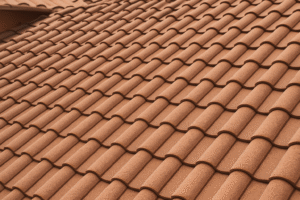
Living in the heart of Arizona’s desert brings breathtaking sunsets and year-round sunshine—but it also means facing some of the toughest roofing challenges in the country. In this in-depth guide, we’ll explore the unique environmental factors, including Arizona’s unique climate, that impact Arizona roofs and offer actionable, expert-backed solutions to help you extend the life of your roof, save on energy bills, and protect your home for years to come.
Why Arizona’s Climate is Brutal on Roofs
Let’s be honest—Arizona isn’t your average roofing environment.
With scorching summers, massive temperature swings, unpredictable monsoons, high-speed windstorms, and relentless UV radiation, your roof is under constant stress. These extreme desert conditions create an environment where roofing materials break down faster, insulation becomes critical, and regular maintenance is non-negotiable. Using superior insulation can significantly reduce cooling costs in Arizona’s climate by improving your roof’s energy efficiency and thermal performance.
Whether you’re a new homeowner in the Valley or have lived in Tucson for decades, understanding these challenges is key to preventing costly repairs or premature replacements.
So, let’s dive into the biggest roofing threats in Arizona and how to beat them.
Extreme UV Exposure: Arizona’s #1 Roof Killer
Arizona ranks among the sunniest places in the United States, with some cities like Yuma getting over 4,000 hours of sunlight a year. That constant UV bombardment doesn’t just tan your skin—it cooks your roof.
Choosing high quality materials is essential for roofs in Arizona, as they are better equipped to withstand the region’s intense UV exposure and help ensure long-term durability.
How UV Rays Damage Your Roof:
- Shingles dry out and become brittle
- Surface granules erode, exposing the base layer
- Tile and membranes crack, especially on older roofs
- UV rays weaken adhesives, seams, and flashing
Even premium roofing materials degrade much faster in Arizona compared to other regions.
Smart Solutions:
- Cool Roof Coatings: Reflect solar energy and lower surface temps
- Elastomeric Roof Coatings: Flexible and UV-resistant
- Reflective Tiles or Metal Roofing: Ideal for reducing heat absorption
- Shade structures: Strategic overhangs or solar panels offer extra protection
- Durable solutions: Choose materials and services designed for long-lasting protection against UV damage and extreme Arizona weather conditions
Pro Tip: Re-coating your roof every 5–7 years can add a decade or more to its lifespan in the desert.
Thermal Shock: When the Desert Swings Hit Hard
Arizona’s daily temperature swings can be shocking. It might hit 110°F at noon and cool to 75°F by midnight.
Modern roofing practices are evolving to better address the challenges of thermal shock in Arizona, helping roofs withstand these extreme temperature changes.
This rapid fluctuation causes materials to expand and contract—a process known as thermal cycling or thermal shock.
Thermal Shock Damage Includes:
- Warped shingles
- Buckled underlayment
- Separated seams on flat roofs
- Loosened flashing or membrane wrinkles
Best Roofing Choices:
- Modified Bitumen Roof Systems: Flexible, ideal for flat roofs
- SPF Roofing (Spray Polyurethane Foam): Seamless and adaptable
- Concrete & Clay Tiles: Handle expansion better than asphalt
- Proper Attic Ventilation: Reduces extreme heat build-up under your roof
For all these roofing options, expert installation is essential to ensure optimal performance and durability under thermal shock conditions.
Did you know? A well-ventilated attic can lower roof temperatures by 30–40 degrees, easing expansion pressure.
Monsoon Madness: Rain + Wind = Roofing Chaos
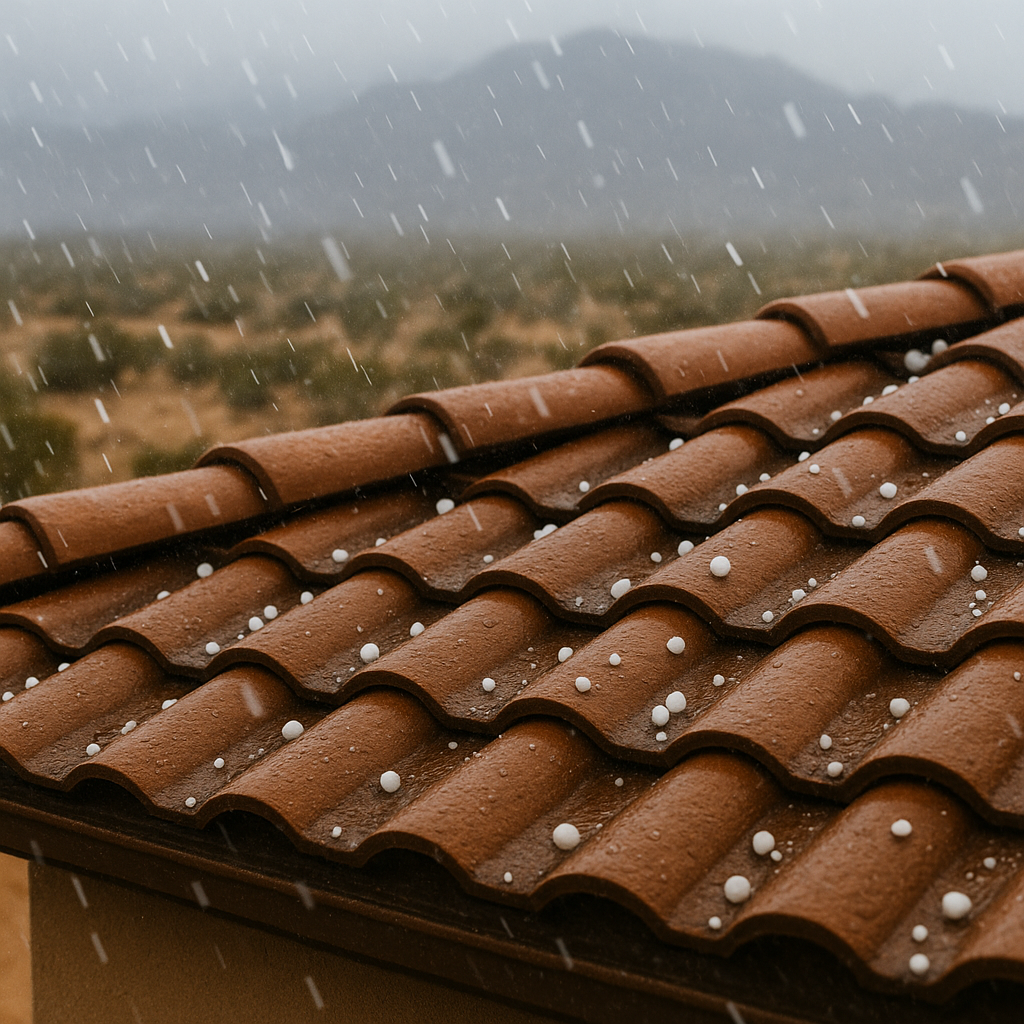
Though Arizona is a desert, the monsoon season—typically from July through September—brings flash floods, torrential downpours, and wind gusts up to 70 mph.
That combo can lead to:
- Shingle blow-off
- Standing water on flat roofs
- Gutter overflows and water intrusion
- Compromised roof decks
- Mold and mildew in attic spaces
Monsoon storms are also a leading cause of roof damage in Arizona, making it crucial to inspect your roof for any signs of harm after severe weather.
Must-Do Monsoon Prep:
- Inspect and clean gutters and downspouts before storm season
- Secure loose shingles or tiles
- Install a waterproof underlayment or membrane
- Add scuppers or internal drains for flat roofs
- Have a roofer check flashing, valleys, and penetrations
Consider taking advantage of a free inspection before monsoon season to catch potential issues early.
Monsoon Maintenance Tip: Schedule a roof inspection every June—just before the season hits.
Dust Storms and Wind Damage: The Haboob Hazard
If you’ve lived in Arizona long enough, you’ve likely seen a haboob—those massive, apocalyptic-looking walls of dust that roll across the desert.
These storms don’t just make the air gritty; they can:
- Tear off loose roofing materials
- Jam dust under shingles or tiles
- Clog gutters and drains
- Scratch and erode roof surfaces
- Loosen satellite dishes or solar panel mounts
Dust storms are a frequent roofing issue for Arizona homeowners, often requiring prompt attention to prevent further damage.
Combat Dust Storm Damage With:
- High-wind rated shingles or tiles
- Roof edge reinforcement
- Professional debris removal
- Annual inspections post-storm
- Use of roofing sealants on vulnerable joints
Prompt roof repair after a dust storm is crucial to address any damage and prevent further costly issues.
Fun Fact: One major dust storm can cut roof life expectancy by up to 2 years if not cleaned properly afterward.
Dry Air & Low Humidity: The Silent Material Killer
Unlike coastal or humid regions, Arizona’s air is extremely dry—often dipping below 10% humidity. While that might feel refreshing, it’s not good news for certain roofing materials. Foam roofs, however, are an excellent choice in these conditions, as foam roofing provides superior resistance to Arizona’s dry climate and helps maintain durability and energy efficiency.
Dry Air Problems:
- Wood shingles/shakes dry out and split
- Asphalt shingles shrink and lose flexibility
- Underlayment becomes brittle
- Sealants and adhesives fail faster
Better Roofing Alternatives:
- Synthetic Shingles: Resistant to drying and cracking
- Clay, Metal, or Concrete Tiles: Inorganic and desert-hardy; tile roofs are especially durable and well-suited for Arizona’s dry climate due to their longevity and heat resistance
- Foam Roofing: Resists the drying effect of low humidity
Avoid: Wood shake shingles—while beautiful, they’re simply not cut out for the Arizona desert.
Color Choices & Energy Efficiency: Your Roof’s Role in Cooling
Most people don’t realize it, but roof color has a huge impact on your home’s temperature—especially in a state where air conditioning is running 8 months a year. Choosing energy-efficient colors is particularly important for residential roofing in Arizona, as it can help homeowners reduce cooling costs and improve comfort.
The Problem:
- Dark-colored roofs absorb 10–20% more heat
- More absorbed heat = higher energy bills
- Roofing material can reach 170°F in peak sun
The Fix:
- Light-colored or white roofs reflect solar heat
- Cool Roof-certified shingles
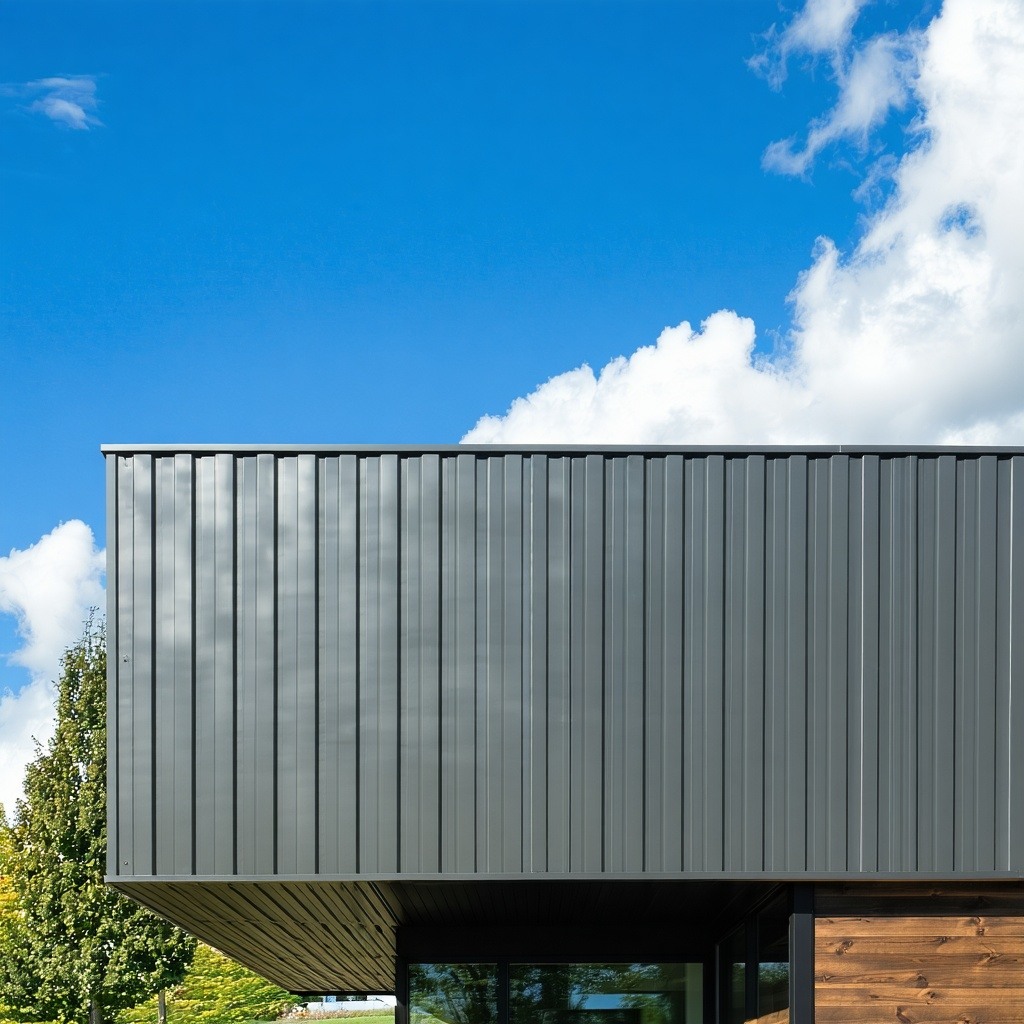
- Metal roofing with reflective paint coatings
- SPF roofing (naturally light-colored and reflective)
Proper roof installation is essential to achieve maximum energy efficiency, as quality workmanship ensures the materials perform as intended and help prevent future issues.
Cool roofs can cut air conditioning costs by up to 20% annually!
Old Roofs + Neglected Maintenance = Disaster Waiting to Happen
Let’s face it—many Arizona homes built during the 90s and early 2000s are now pushing 20–30 years old. Many homeowners in Arizona are dealing with aging roofs and the risks that come with neglecting necessary maintenance. If your roof hasn’t been replaced or upgraded, it may be at risk.
Signs Your Roof is Aging Out:
- Curling or missing shingles
- Frequent leaks
- Granule buildup in gutters
- Cracked or faded tiles
- Higher energy bills
Solutions:
- Annual roof inspections by local experts
- Replace with climate-adapted materials
- Upgrade insulation and ventilation systems
- Add modern coatings to extend lifespan
Investing in a new roof or upgrades is a long term investment in your home’s value and safety.
Remember: A failing roof won’t just impact your comfort—it can lead to structural damage, mold, and insurance nightmares.
Commercial Roofing Considerations in Arizona’s Desert Climate
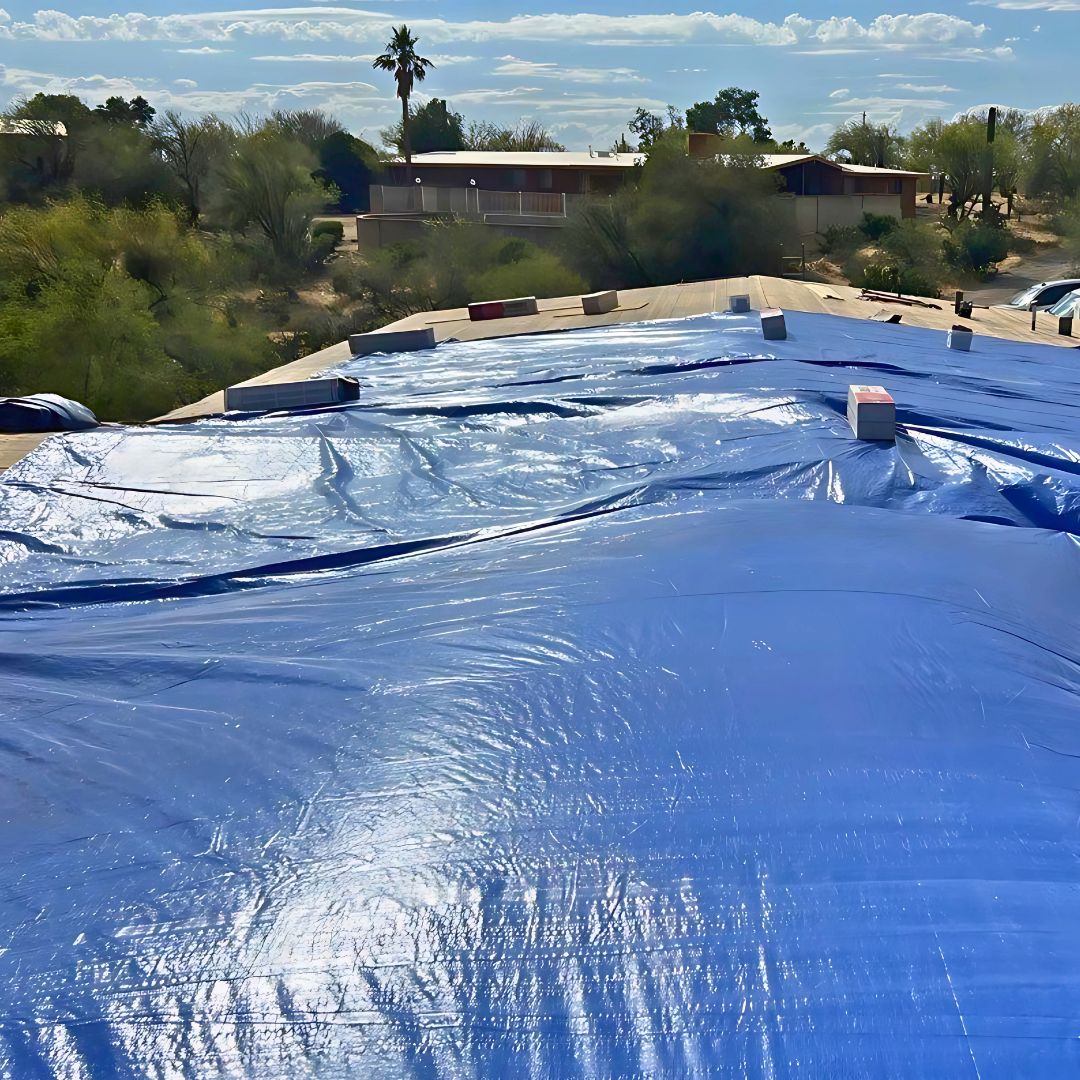
When it comes to commercial roofing in Arizona, the stakes are high. The harsh desert conditions—scorching sun, heavy rain, and dramatic temperature swings—can take a serious toll on commercial roofs. For business owners, this means that regular maintenance and timely roof repairs aren’t just recommended—they’re essential for protecting your investment and avoiding costly disruptions.
A well-maintained commercial roof is your first line of defense against the elements. Without proper care, minor roofing problems can quickly escalate into major issues, leading to water damage, interior leaks, and expensive repairs. That’s why the roofing industry in Arizona places such a strong emphasis on preventative maintenance and quality roofing solutions tailored to our unique climate.
Unique Challenges for Commercial Roofs:
Commercial properties in Arizona face a set of roofing challenges that go beyond what’s typical for residential buildings:
- Extreme Temperature Fluctuations: Arizona’s wild temperature swings cause roofing materials to expand and contract, which can lead to cracks, splits, and premature aging of the roof.
- Heavy Rain and Monsoon Storms: Sudden downpours can overwhelm drainage systems, resulting in standing water and increased risk of leaks or water damage.
- Intense Sunlight: Constant UV exposure degrades roofing materials, reducing their lifespan and making regular maintenance a must.
- High Winds: Monsoon winds and dust storms can lift or damage roofing materials, especially on large, flat commercial roofs.
- HVAC Systems and Equipment: Rooftop HVAC units and other equipment add extra stress to the roof, creating more opportunities for wear, tear, and maintenance challenges.
These factors make it clear: commercial roofs in Arizona require specialized attention and durable roofing materials designed to withstand the state’s extreme weather conditions.
Solutions for Business Owners:
Protecting your commercial property starts with a proactive approach to roofing. Here’s how you can stay ahead of potential problems and ensure your roof stands up to Arizona’s climate:
- Schedule Regular Roof Inspections: Routine roof inspections by a qualified roofing contractor can catch small issues before they become major problems, helping you avoid costly repairs down the line.
- Choose High-Quality Roofing Materials: Invest in roofing materials engineered for durability and resistance to UV rays, temperature swings, and heavy rain—ensuring your roof lasts longer and performs better.
- Ensure Proper Drainage and Ventilation: Effective drainage systems are critical for commercial roofs, especially flat roofs. Proper drainage prevents water accumulation and reduces the risk of water damage or roof collapse.
- Implement Preventative Maintenance Programs: Regular maintenance, including cleaning, coating, and sealing, extends the life of your roof and helps prevent unexpected failures.
- Partner with an Experienced Roofing Contractor: Work with a roofing company that understands the unique demands of commercial roofing in Arizona. The best roofing contractors offer expert guidance, dependable service, and industry leading warranties to keep your roof in top shape.
By prioritizing preventative maintenance and working with trusted roofing professionals, business owners can prevent costly repairs, protect their assets, and ensure a safe, well maintained roof over their commercial properties. In Arizona’s challenging climate, a proactive approach to commercial roofing is the perfect solution for long-term peace of mind and business success.
Best Roofing Materials for Arizona Homes (Ranked)
| Material | Durability | Heat Resistance | Cost | Recommended For |
|---|---|---|---|---|
| Clay Tiles | ★★★★★ | ★★★★★ | $$$ | Sloped roofs, high sun |
| Concrete Tiles | ★★★★☆ | ★★★★☆ | $$ | Budget-conscious |
| Metal Roofing | ★★★★☆ | ★★★★★ | $$$ | Eco-friendly homes |
| Spray Foam (SPF) | ★★★★★ | ★★★★★ | $$ | Flat roofs, energy savings |
| Modified Bitumen | ★★★★☆ | ★★★★☆ | $ | Flat roofs, commercial |
| Asphalt Shingles | ★★☆☆☆ | ★★☆☆☆ | $ | Temporary fix only |
When selecting a roofing system for Arizona homes, it’s essential to choose quality materials to ensure optimal durability, performance, and protection against the harsh climate.
Roof Maintenance Checklist for Arizona Homeowners
Here’s your seasonal roadmap to keeping your roof in tip-top shape—customize this checklist to fit your home’s unique roofing needs:
Spring:
- Check for winter damage
- Clear debris from roof and gutters
- Inspect flashing and sealants
Summer:
- Apply UV-protective coating
- Check attic ventilation
- Trim overhanging tree branches
Fall:
- Clean gutters before monsoons
- Schedule professional inspection
- Look for signs of cracked tiles or shingles
Winter:
- Watch for condensation in attic
- Check insulation levels
- Remove storm debris
Set reminders—seasonal upkeep is far cheaper than full-blown replacements!
Why Choose Reimagine Roofing?
Choosing the right roofing company in Arizona is half the battle, and selecting reputable roofing companies ensures your home is protected by experienced professionals. At Reimagine Roofing, we specialize in tackling the challenges specific to the desert climate.
We are recognized as the best roofing contractor in the region, known for our commitment to excellence and reliability.
- We are fully licensed, ensuring compliance with all safety and legal standards.
- As a locally owned business, we understand the unique needs of our community and the Arizona climate.
- Our team is dedicated to expert craftsmanship, delivering durable and precise roofing solutions.
- We guarantee quality work on every roofing project, from minor repairs to complete replacements.
- Customer satisfaction is our top priority, as reflected in our positive client experiences and testimonials.
- With extensive experience managing every type of roofing project, we provide guidance and assurance throughout the process.
What Makes Us Different:
- Arizona-based experts with decades of experience
- Roofing systems engineered for heat and dust
- Energy-efficient and storm-ready materials
- 100% satisfaction guarantee and lifetime warranties available
- Financing options to make upgrades affordable
Whether you’re replacing an aging roof or building a new home, we’ll help you reimagine what a roof can do—comfort, protection, and peace of mind.
Protect Your Home from the Desert
You’ve read the risks. You’ve seen the solutions. Now it’s time to take action.
Investing in a new roof ensures long-term protection and peace of mind, thanks to quality craftsmanship and durable materials.
Whether it’s an inspection, repair, or full re-roof, don’t leave your home unprotected from Arizona’s extreme climate.
Book your FREE, no-obligation roof inspection today from Reimagine Roofing.
Use Fast Quote Tool to get your estimate in less than a day.
Serving Phoenix, Scottsdale, Tucson, Mesa, and surrounding areas for residential and commercial properties
Roof smart. Roof strong. Reimagine Roofing.
FAQs: Arizona Roofing Questions Answered
Q1: What’s the best time of year to replace a roof in Arizona?
A: Late fall through early spring (October–March) offers cooler temperatures and fewer weather delays.
Q2: Can I install a cool roof over an existing roof?
A: In many cases, yes! Coatings or certain tile systems can be added without full tear-offs—ask us during your inspection.
Q3: How long should a roof last in Arizona?
A: Depends on material: asphalt (15–20 years), tile (40–50+ years), foam (20+ with maintenance), metal (50+ years).
Q4: How can I lower energy bills with my roof?
A: Go with reflective roofing, proper insulation, and excellent attic ventilation.
Popular Posts