Hurricane Season Roof Reinforcement Tips for Homeowners
Hurricane Season Roof Reinforcement Tips for Homeowners
Hurricane Season Wrap-Up: Lessons Learned and Roof Reinforcement for Next Year
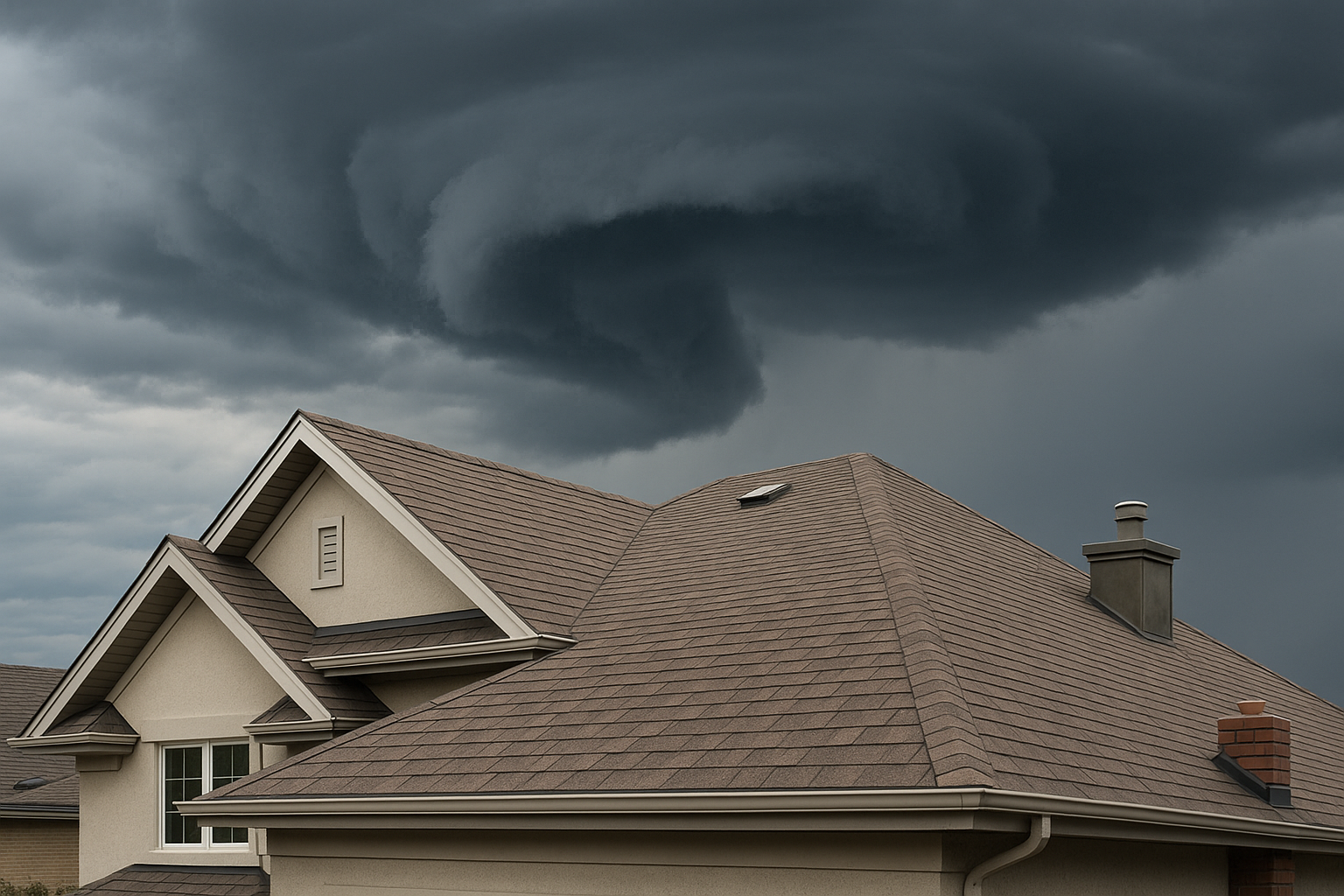
Every year, the hurricane season leaves behind a trail of lessons — some hard-earned, others reaffirming the importance of preparation. For homeowners in Florida and Texas, the 2025 hurricane season was no different. From unpredictable storm paths to record-breaking rainfall and high winds, this year reminded us just how critical it is to fortify our homes—starting with the roof.
The official hurricane season for the Atlantic hurricane season generally runs from June 1 to November 30, with the beginning of the season often seeing fewer storms. Most activity occurs in the Atlantic Ocean, Caribbean Sea, Gulf of Mexico, and the broader North Atlantic region. The peak of the season is typically in September, especially around September 10, but storms generally form from July through October, with late August and September being the most active periods.
Your roof is your first line of defense against the elements. When hurricanes strike, it’s the roof that takes the full brunt of the wind, debris, and driving rain. As we close out another intense hurricane season, now is the time to reflect, assess, and plan ahead for the next one.
This wrap-up explores the lessons learned, best roof reinforcement strategies, and actionable insurance and inspection tips to ensure your home is stronger and more resilient when the next storm season rolls in.
What We Learned from This Year’s Hurricane Season
A. Every Storm Is Different — and So Are Its Impacts
One of the biggest takeaways from this year’s storms was their unpredictability. Tropical cyclones typically travel toward the west between 5 and 30 degrees North latitude, but as they approach land and higher latitudes, their movement often shifts toward the north, northwest, or northeast depending on atmospheric conditions. This means storms can change direction unexpectedly as they near land, increasing the risk to coastal and inland areas. The significance of landfall is critical—storms that make landfall can cause severe damage, but even those that do not reach land can still bring destructive winds and heavy rainfall to land areas.
In both Florida and Texas, some of the most destructive events were caused by Category 1 and 2 storms that lingered longer than expected or spawned tornadoes.
- Lesson: It’s not just about wind speed — it’s about storm duration, rainfall, and your home’s preparedness.
- Impact on Roofs: Extended rainfall led to widespread leaks, while high gusts tore off poorly fastened shingles and exposed underlayment.
B. Aging Roofs Are More Vulnerable Than You Think
Older roofing systems, especially those over 15 years old, showed a higher failure rate during this season’s storms. Even when roofs looked fine from the ground, hidden weaknesses—like rusted nails, lifted shingles, or degraded flashing—caused leaks when the winds picked up.
- Lesson: Preventative maintenance is far cheaper than post-storm repairs.
- Recommendation: Schedule annual roof inspections, especially before and after hurricane season, to identify vulnerabilities early.
C. Building Codes Save Homes
Both Florida and Texas have strengthened their roofing codes in the past decade, and the results are clear. Homes built or retrofitted under the latest FBC (Florida Building Code) and IRC (International Residential Code) standards withstood winds better and suffered fewer insurance claims.
- Lesson: Code compliance isn’t just bureaucracy—it’s protection.
- Action: Make sure your next roofing project meets or exceeds local hurricane zone requirements.
Post-Storm Roof Inspections: The First Step to Recovery
A. Why Immediate Inspections Matter
After a hurricane passes, your roof might look fine from the street, but minor damage can quickly escalate. Missing granules, loosened shingles, or small punctures may lead to water intrusion that worsens over weeks or months.
A professional roof inspection identifies:
- Hidden leaks beneath underlayment
- Lifted or creased shingles from wind stress
- Flashing separation around vents, skylights, and chimneys
- Impact damage from flying debris
Reimagine Roofing Tip: Schedule your free post-storm inspection within two weeks after a major storm. Our experts provide fast, thorough assessments and detailed reports you can use for insurance claims.
B. What Inspectors Look For
During a post-storm inspection, roofing specialists will:
- Survey the exterior for missing or displaced shingles, tile cracks, or metal seam damage.
- Check gutters and downspouts for debris and shingle granules—signs of wear and tear.
- Inspect attic spaces for signs of leaks, moisture, or daylight peeking through.
- Document all findings with photos and moisture readings for insurance purposes.
C. DIY Visual Checks You Can Do Safely
Before professionals arrive, you can perform a visual inspection from the ground:
- Look for shingles in your yard or driveway.
- Examine ceilings and corners inside your home for water stains.
- Take photos of any visible damage.
Avoid climbing onto your roof—it can be slippery and dangerous after storms.
Reinforcing Roofs for Next Year’s Storms
Now that the hurricane season is behind us, this is the perfect window to strengthen your roof system. Our skilled team is dedicated to delivering quality workmanship and using high-grade materials, consistently meeting and exceeding industry standards. We offer a comprehensive range of roofing services, including fixing leaks, addressing other problems like storm damage, and reinforcing roofs to handle movement and stresses caused by environmental factors.
By creating reinforced roof systems with specialized equipment, we ensure long-term durability and superior performance. Our team of professionals takes pride in their jobs, and we prioritize fair pay practices to attract and retain the best talent in the industry.
Modern roofing technology offers a wide range of options designed to withstand high winds, debris, and driving rain.
A. Choose Impact-Resistant Materials
1. Asphalt Shingles: Class 4 Impact-Rated
Today’s impact-resistant shingles, rated Class 4 by UL 2218 standards, can survive hail and wind gusts up to 130 mph. They’re made with flexible polymers that help them resist cracking or tearing.
- Brands to look for: GAF Timberline HDZ, Owens Corning Duration Storm
- Best for: Cost-effective upgrades in both Texas and Florida climates.
- Reimagine Roofing Advantage: We install Class 4 impact shingles with precision nailing patterns and upgraded adhesives for maximum hold.
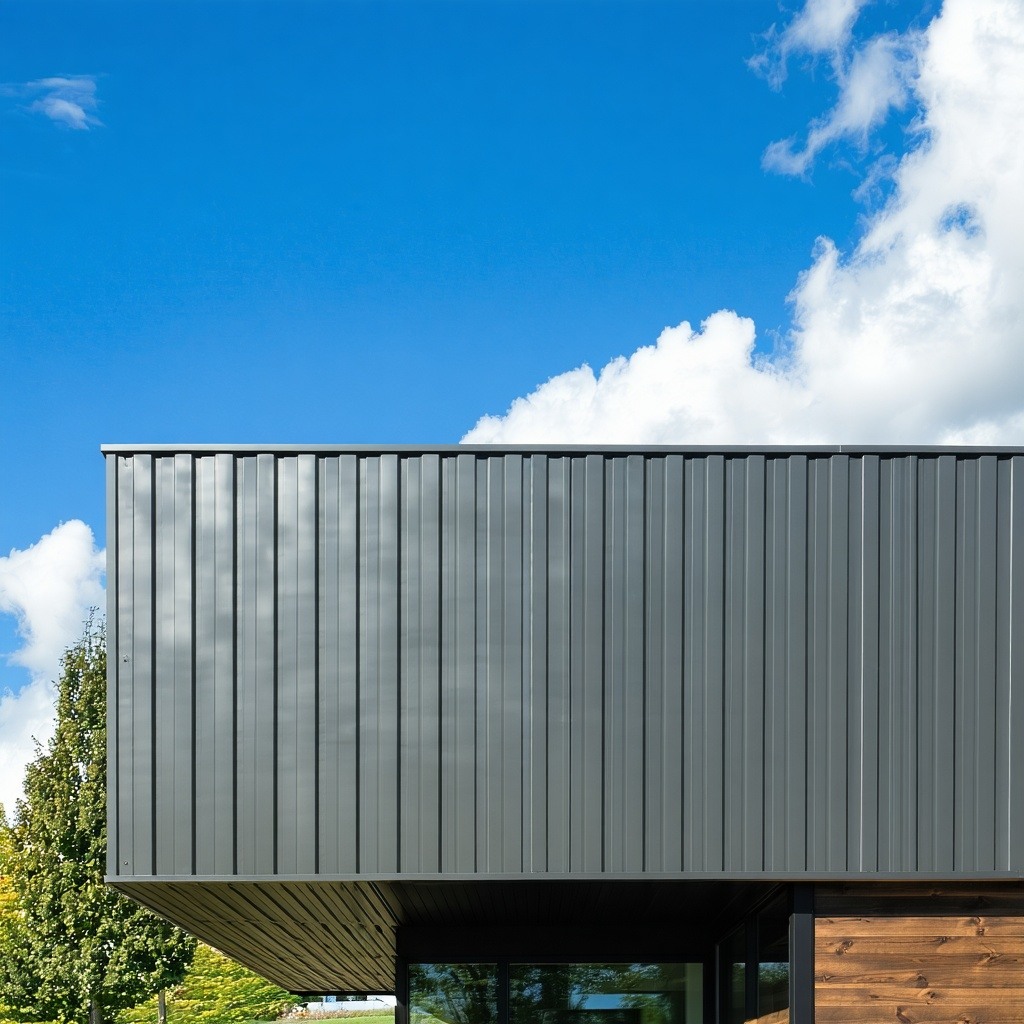
2. Metal Roofing Systems
Metal roofs have surged in popularity across hurricane-prone regions, and for good reason:
- Wind resistance up to 180 mph
- Fire-resistant
- Long lifespan (40–70 years)
- Energy efficiency — reflecting up to 90% of solar radiation.
Modern metal roofs feature standing seams and concealed fasteners that reduce lift risk during storms.
Reimagine Roofing Exclusive: Ask about our Hurricane-Grade Metal Roof Package—engineered for Category 4+ wind zones, with warranties up to 50 years.
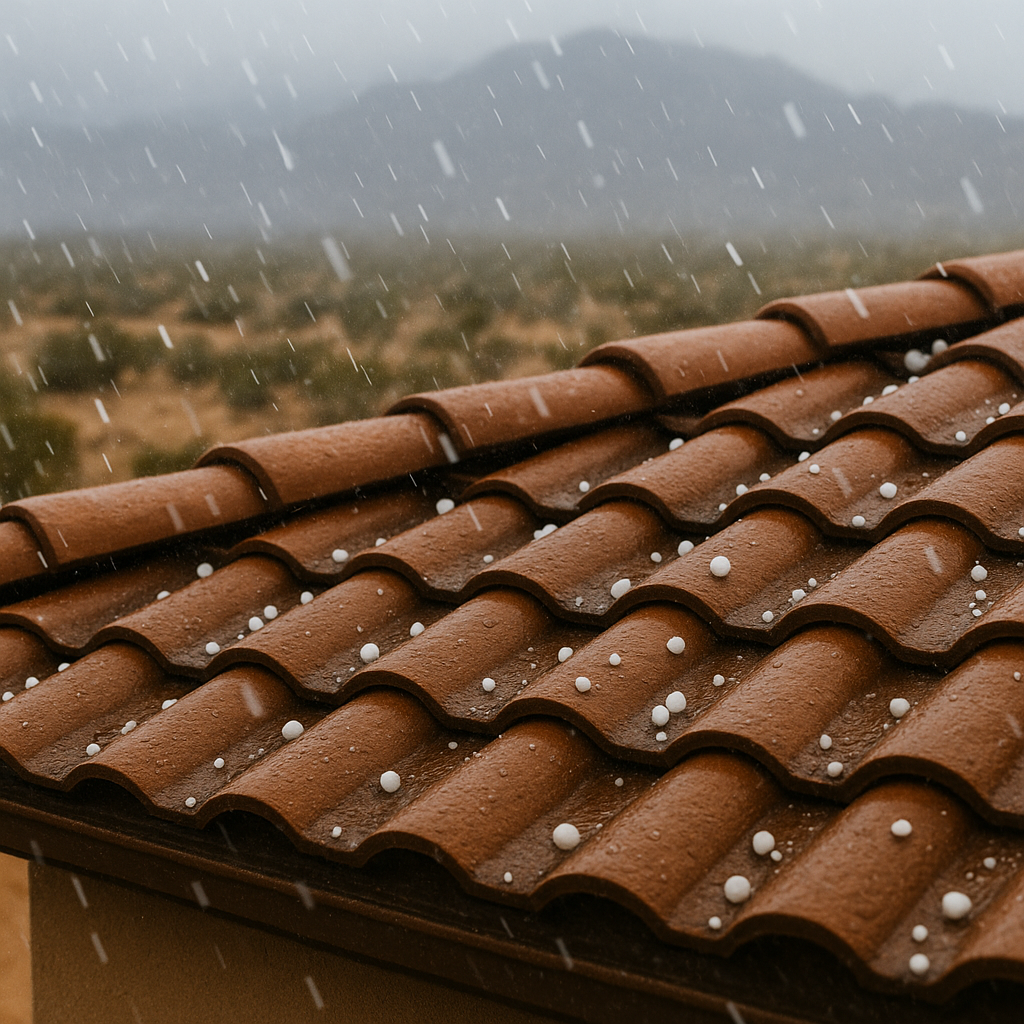
3. Tile Roofing Reinforcement
Clay and concrete tile roofs remain common in Florida’s coastal areas. While tiles are durable, their attachment systems matter more:
- Upgrade to foam or mechanical fasteners rather than mortar alone.
- Replace old underlayment with self-adhering waterproof membranes.
- Add edge securement systems to prevent uplift.
B. Roof Deck Attachment and Secondary Water Barriers
Even the best roof covering won’t perform well if the roof deck beneath it isn’t secure.
- Re-nail with 8d ring-shank nails spaced at 6 inches on center.
- Install peel-and-stick waterproofing membranes under the roof deck for extra protection against wind-driven rain.
- Seal deck seams with approved tapes or liquid barriers.
These upgrades are often eligible for insurance discounts under “Wind Mitigation Credits.”
The Importance of Wind Mitigation Reports
In both Texas and Florida, a wind mitigation inspection is a game-changer for homeowners. This official report documents your roof’s hurricane-resistant features and can reduce your insurance premiums significantly.
What’s Included in a Wind Mitigation Report:
- Roof shape (hip roofs perform better than gables)
- Roof decking attachment strength
- Underlayment type
- Roof-to-wall connection method (clips, straps, anchors)
- Secondary water barrier presence
Reimagine Roofing Pro Tip: If your roof has been upgraded in the past five years, schedule a new wind mitigation inspection—it can save you hundreds annually on insurance premiums.
Navigating Insurance Claims After a Storm
A. Document Everything Immediately
As soon as it’s safe:
- Take photos and videos of your property and roof damage from multiple angles.
- Record the date and time of the storm and document any emergency repairs.
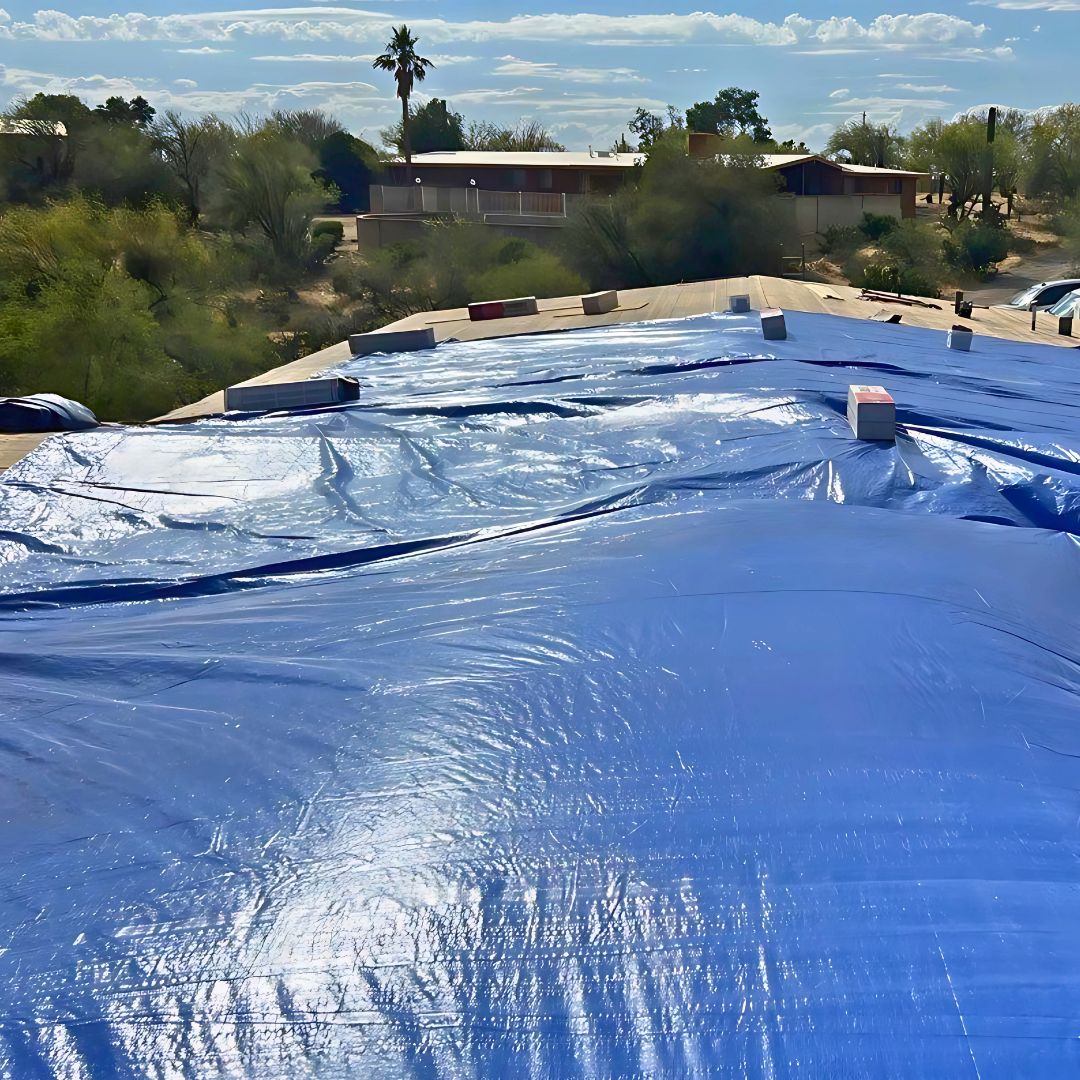
- Keep receipts for tarps, labor, and temporary fixes—these are reimbursable.
B. Contact Your Roofing Contractor Before Filing a Claim
Here’s a little-known secret: insurance adjusters often rely on roofing experts to validate claims. A trusted roofing company like Reimagine Roofing can inspect your roof, provide a detailed damage report, and meet directly with your adjuster to ensure nothing is overlooked.
This step often leads to:
- Higher claim accuracy
- Faster approvals
- Fewer disputes
C. Know the Common Insurance Claim Pitfalls
Avoid these mistakes:
- Delaying your inspection: Most policies have strict claim windows (often 12 months).
- Accepting lowball settlements: Adjusters might miss subtle damage.
- Hiring unlicensed contractors: This can void your warranty or insurance payout.
Reimagine Roofing Assurance: We help guide homeowners through the entire insurance process—from inspection to final repair—so you never have to navigate the paperwork alone.
Strengthening Beyond the Roof: Supporting Systems That Matter
While the roof is the star player, several supporting components can determine whether your home weathers a storm or suffers catastrophic failure.
A. Gutters and Drainage Systems
Poor drainage can lead to roof rot and fascia board decay.
- Clean gutters before and after each major storm.
- Add leaf guards to prevent clogs.
- Extend downspouts at least 4–6 feet from your foundation.
B. Soffit and Fascia Reinforcement
High winds often start peeling away roofs from the edges. Strengthen your soffit vents and fascia boards using corrosion-resistant fasteners and caulking to seal joints.
C. Roof Vent Upgrades
Replace traditional box vents with wind-resistant ridge vents or hurricane-rated static vents that minimize water intrusion during driving rain.
D. Attic Insulation and Airflow
Proper attic ventilation helps stabilize roof temperatures, reducing expansion stress on roofing materials. During storms, it also reduces uplift pressure.
How Climate Trends Are Changing Hurricane Preparation
The data is clear—hurricane intensity is rising, and there has been a notable increase in tropical cyclone activity across various regions. Tracking tropical cyclones using maps and monitoring their centers is crucial for understanding where these storms may impact. Maximum sustained winds are a key measure in determining storm intensity and categorizing hurricanes. These storms can affect a wide range of locations, including America, Mexico, and the eastern Pacific, with the east and eastern Pacific basins experiencing distinct seasonal patterns. The specific point or location where a storm center passes is critical for assessing risk and preparing for impacts. Timely response to storm threats is essential for minimizing damage and ensuring safety. Warmer Gulf waters and erratic jet streams are producing slower-moving storms with heavier rainfall. That means more stress on roofs over longer durations.
Florida’s Challenge:
The state faces increasingly rain-heavy tropical systems, which test roof waterproofing rather than just wind resistance.
Texas’ Challenge:
Texas storms often combine tornado-strength gusts with hail and flying debris. Roofs must balance impact resistance with wind uplift strength.
Reimagine Roofing Solutions:
- For Florida homeowners: Focus on waterproof underlayments and moisture barriers.
- For Texas homeowners: Prioritize Class 4 impact shingles or standing seam metal systems.
Preparing Financially and Logistically for the Next Season
A. Budget for Preventative Maintenance
Instead of waiting for a storm to cause damage, set aside a yearly roof maintenance budget—about 1–2% of your home’s value. Preventative reinforcement pays off exponentially when compared to major post-storm repairs.
B. Review Your Insurance Policy
Now’s the time to review:
- Windstorm deductibles
- Coverage limits for roof replacement
- Code upgrade provisions (Ordinance & Law coverage)
These details can make or break your recovery process.
C. Build a Homeowner’s Emergency Kit
Include:
- Copies of insurance documents
- Roof photos (pre-storm condition)
- Contact information for your contractor and adjuster
- Spare tarps, flashlight, and first aid supplies
Tip from Reimagine Roofing: Store digital copies of your inspection reports and invoices. These will be invaluable for future claims or resale documentation.
Partnering with Professionals Who Understand Storm Damage
Not all roofing companies are created equal. Post-hurricane repair requires expertise in both construction and insurance processes. Reimagine Roofing specializes in storm restoration—we don’t just repair roofs; we rebuild peace of mind.
Why Homeowners in Florida and Texas Trust Reimagine Roofing:
- Certified and insured for hurricane-zone installations
- Expertise in impact-resistant and wind-rated systems
- Transparent pricing and same-day quotes
- Assistance with insurance documentation and adjuster coordination
- Lifetime workmanship warranties
Schedule your free post-storm roof inspection today with Reimagine Roofing. Get a detailed damage report, professional repair recommendations, and a plan to make your roof hurricane-ready before next season hits.
Lessons Learned: A Checklist for Future Storm Preparedness
Here’s your Roof Reinforcement and Preparedness Checklist for 2026’s hurricane season:
Pre-Season (Spring):
- Schedule a professional roof inspection.
- Check insurance policy details.
- Clear gutters and trim nearby trees.
During Hurricane Season (June–November):
- Inspect roof visually after each major storm.
- Secure outdoor items that could become projectiles.
Post-Season (November–December):
- Conduct a full roof and attic moisture check.
- Schedule a wind mitigation inspection for discounts.
- Upgrade weak points identified during the year.
By following this annual cycle, homeowners can minimize risk, maximize roof lifespan, and protect their investment.
The Reimagine Roofing Commitment
At Reimagine Roofing, we’ve seen firsthand how devastating hurricane damage can be. But we’ve also seen how the right roofing system can withstand even the harshest conditions.
Our mission is to help homeowners across Florida and Texas take control of their home protection—through innovation, education, and superior craftsmanship.
Whether you need a post-storm inspection, a new impact-resistant roof, or help navigating insurance claims, we’re here to guide you every step of the way.
Don’t wait until next hurricane season to find out your roof’s limits.
Schedule your free inspection today at Reimagine Roofing—and start next year with the peace of mind you deserve.
Final Thoughts
The 2025 hurricane season taught us one thing above all: resilience is built, not lucked into. Every homeowner has the power to strengthen their home before the next storm strikes—and the roof is the best place to start.
With smarter materials, routine inspections, and expert guidance, your home can stand tall through any storm that comes its way.
Reimagine Roofing is here to help you make that happen—protecting your home, your family, and your future.
Ready to reinforce your roof for next hurricane season?
Get your free, no-obligation roof inspection and custom reinforcement plan today.
Get 24-hour quotes for your Florida or Texas Roof today.
Popular Posts