How to Prepare Your Roof Now for the 2026 Hail Season

How to Prepare Your Roof Now for the 2026 Hail Season
The 2026 Hail Season Outlook: How to Prepare Your Roof Now
Every year, hailstorms cause billions of dollars in property damage across the United States. For homeowners, hail season can be unpredictable and stressful. Storms can form quickly, and even a short burst of severe weather can leave roofs, gutters, and siding severely damaged. These hailstorms often result in costly damage for homeowners, making it crucial to consider impact-resistant roofing materials to help mitigate financial losses.
Looking ahead to 2026, meteorologists and storm-tracking organizations are already anticipating another active hail season in many parts of the country. Regions across the Midwest, Mountain West, and southern states regularly experience damaging hail events that can compromise roofing systems in minutes.
The good news is that homeowners can take steps now to prepare their roofs before storm season arrives. Proactive inspections, maintenance, and smart upgrades can significantly reduce the risk of damage and costly repairs.
In this guide, we’ll explore:
- What the 2026 hail season outlook looks like
- Why hailstorms are so damaging to roofs
- Signs your roof may already be vulnerable
- How to prepare your home before storm season begins
- The best roofing materials for hail protection
- Why professional inspections matter
And most importantly, how homeowners can protect their property before the next storm hits.
Why Hailstorms Are One of the Most Damaging Weather Events
Hailstorms are unique because they combine several destructive elements at once: wind, impact force, and heavy rain. Hailstones can range in size from small pellets to golf balls or even baseball-sized ice chunks. Large hailstones, in particular, have the potential to cause severe roof damage, especially if roofing materials are not impact-resistant.
When hailstones fall from the sky at high speed, they strike roofing materials with tremendous force. Even moderate-sized hail can cause:
- Cracked or bruised shingles
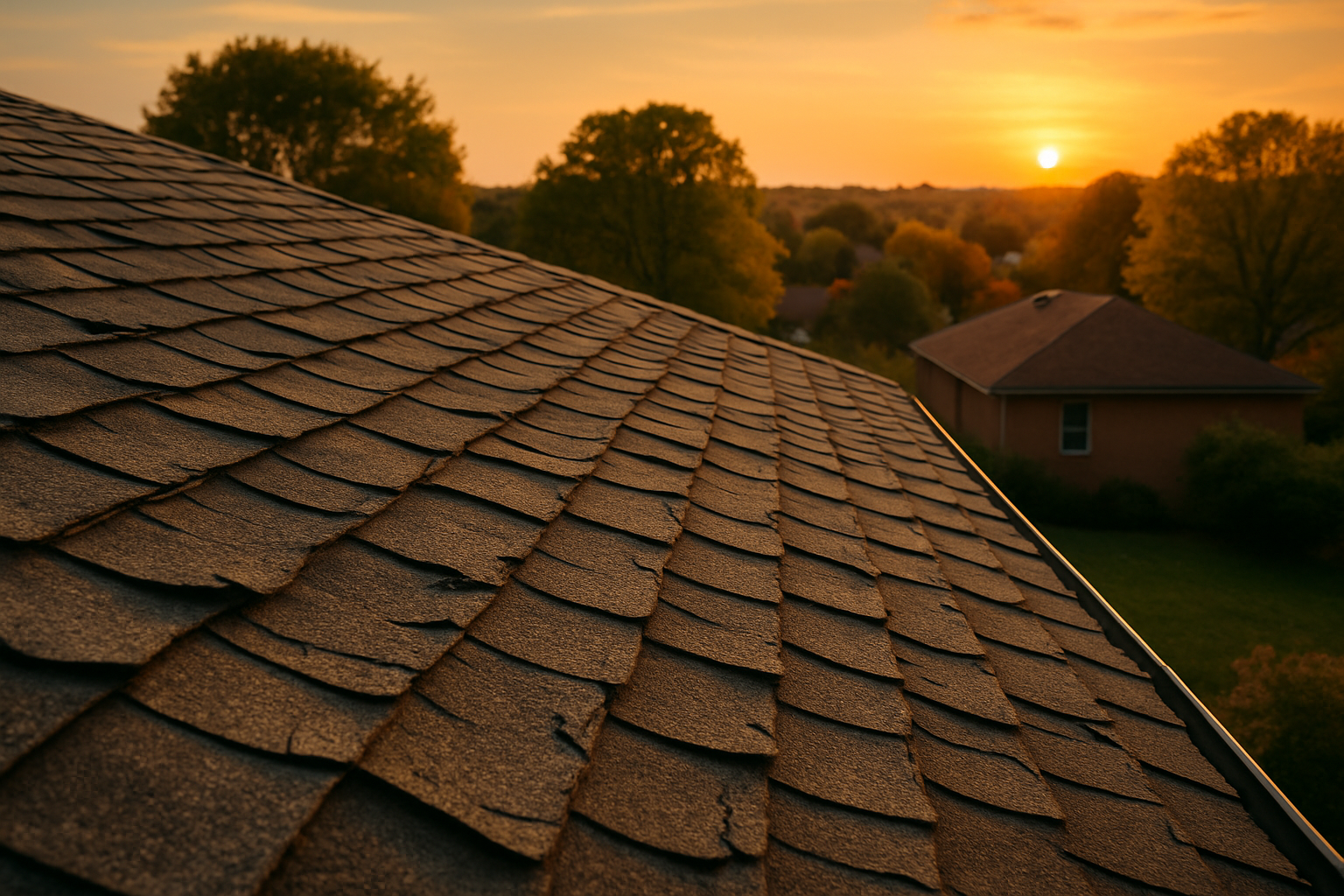
- Granule loss on asphalt roofs
- Dented metal flashing
- Broken gutters and downspouts
- Damaged skylights and vents
In severe storms, entire roofing systems can be compromised.
What makes hail damage especially dangerous is that it’s not always immediately visible. Many homeowners assume their roof is fine after a storm, only to discover leaks or structural problems months later.
The 2026 Hail Season Outlook
Weather experts predict that hail activity in 2026 may follow similar patterns seen in recent years. Warmer temperatures, increased atmospheric instability, and changing climate conditions have contributed to more frequent severe thunderstorms in many regions.
Areas most likely to experience hailstorms include:
- The central United States
- Parts of the Midwest
- The Mountain West
- Southern states with strong spring thunderstorms
While hailstorms cannot be predicted months in advance with exact precision, the seasonal pattern is well understood.
Most hailstorms occur between March and September, with peak activity during late spring and early summer.
This means homeowners should start preparing well before the first major storms arrive.
How Hail Damages Roofing Systems
Your roof is the first line of defense against severe weather. When hailstones strike roofing materials, the damage can take several forms. Hail can impact the roof’s surface, creating vulnerable areas such as poorly sealed flashing or damaged spots around roof penetrations that serve as entry points for water.
Impact Damage
The force of hail hitting shingles can create small fractures or bruises in the surface. Damaged shingles—such as those that are cracked, curled, or missing granules—are key indicators of roof vulnerability after hail impact. These weak spots may eventually allow moisture to penetrate the roofing layers. Soft spots in the roof may also develop as a result of repeated hail impact, indicating underlying structural weakness.
Granule Loss
Asphalt shingles are coated with protective granules that shield them from UV rays and weather exposure. Hail impact can knock these granules loose, exposing the underlying material.
Cracked Shingles
Larger hailstones may crack or break shingles entirely. These cracks allow water to seep into the roof deck and attic.
Damage to Flashing and Roof Components
Flashing around chimneys, vents, and skylights can become dented, loosened, or otherwise damaged during storms, making damaged flashing a common issue after hailstorms. Once flashing is compromised, leaks become much more likely.
Roof penetrations, such as chimneys, vents, and skylights, are especially vulnerable during hail events and should be carefully inspected for damaged flashing. Inspecting seals around roof penetrations is important to prevent water entry during storms.
Even minor repairs, like replacing the metal flashing around your chimney, can prevent further damage and extend the life of your roof.
Structural Weakening Over Time
Even if hail damage doesn’t cause immediate leaks, the structural integrity of the roofing system may be weakened. Over time, repeated weather exposure can worsen these weak spots. If hail damage is not addressed, water damage and wood rot can develop, further weakening the roof structure and potentially leading to major roof failure. Early detection of these issues is crucial to prevent more extensive deterioration.
Signs Your Roof May Already Be Vulnerable
Before hail season arrives, it’s important to evaluate your roof’s current condition and make any necessary repairs to keep your roof storm ready and avoid escalating repair costs. Regular roof inspections and timely repairs are crucial for maintaining a hail resistant roof. Scheduling regular roof inspections, ideally twice a year, allows small issues to be caught early before they escalate into larger problems. Some roofs are already at higher risk of damage.
Here are common warning signs that your roof may be vulnerable during the next storm.
Aging Roofing Materials
Most asphalt shingle roofs last between 15 and 25 years. Older roofs become brittle and less resistant to impact damage.
Curling or Lifting Shingles
Shingles that are curling at the edges or lifting away from the roof surface may already have weakened adhesive seals.
Missing Shingles
Any area where shingles are missing exposes the underlying roof deck to weather.
Granules in Gutters
Excessive granule buildup in gutters is a sign that shingles are deteriorating.
Previous Storm Damage
If your roof has experienced hail damage before but was never inspected or repaired, weak areas may already exist.
A professional inspection can determine whether your roof is prepared to handle another storm season.
Why Preventative Roof Inspections Matter
One of the best ways to prepare for hail season is by scheduling a professional roof inspection.
Many homeowners assume inspections are only necessary after damage occurs. However, preventative inspections offer several important benefits. Homeowners’ insurance often covers hail damage, but understanding the claims process is vital for maximizing your coverage. Many insurance carriers now require a 2% wind/hail deductible for hail damage coverage, and due to heavy losses in 2026, insurance carriers are enforcing stricter rules for roof coverage. It’s important to consult your insurance provider to understand specific roof requirements and to see if you qualify for discounts, such as those for installing impact-resistant roofing.
Identify Weak Areas Early
Roofing professionals can detect small issues that may not be visible from the ground.
Prevent Small Problems from Becoming Expensive Repairs
Minor repairs performed early can prevent major damage later.
Ensure Proper Roof Ventilation
Ventilation plays a key role in roofing durability and lifespan.
Document Roof Condition Before Storm Season
Having a documented inspection report can help with insurance claims if storm damage occurs later.
Professional inspectors know exactly what to look for and can safely evaluate every part of your roofing system.
Roofing Classifications: Understanding Your Roof’s Hail Resistance
When it comes to protecting your home from hail, not all roofs are created equal. Roofing classifications are designed to help homeowners understand how well their roof can withstand hail impact and reduce the risk of roof damage. One of the most important classifications to look for is the impact resistance rating, especially if you live in an area prone to hail events.
Impact resistant shingles, such as those with a Class 4 rating, are engineered to offer superior hail resistance compared to standard asphalt shingles. Class 4 is the highest rating, meaning these shingles have passed rigorous testing—often involving a steel ball dropped from a set height to simulate hail impact—without cracking or losing their protective granules. This enhanced protection helps prevent hail damage, granule loss, and costly repairs.
Knowing your roof’s classification is essential for making informed decisions about maintenance, repairs, or replacement. If your current shingles are not impact resistant, upgrading to Class 4 impact resistant shingles can provide peace of mind and may even qualify you for insurance discounts. Regular inspections by a roofing professional are also crucial, as they can identify any vulnerabilities and ensure your roof remains storm-ready year after year.
High Winds and Roof Damage: What Homeowners Need to Know
High winds are another major threat during storm season, capable of causing significant damage to your roof in a matter of minutes. When severe storms or extreme weather events strike, high winds can lift or tear off shingles, dislodge flashing, and send debris crashing onto your roof’s surface. This can lead to missing shingles, exposed roof deck, and even structural damage that results in costly repairs.
To protect your roof from high winds, it’s important to take preventative measures before storm season begins. Start by ensuring all shingles are securely fastened and replace any that are loose or damaged. Clogged gutters can cause water to back up onto the roof deck, increasing the risk of leaks and water intrusion, so make sure gutters and downspouts are clear and functioning properly. Trimming overhanging branches reduces the chance of falling limbs wreaking havoc on your roof during storms.
Routine inspections and timely repairs are your best defense against wind-related roof damage. Addressing minor issues early can prevent them from escalating into significant damage. Additionally, many insurance companies offer discounts for homes with impact resistant roofs and wind-resistant features, providing both enhanced protection and potential savings. By staying proactive, you can help ensure your roof weathers the next storm season without costly surprises.
Steps Homeowners Can Take Now to Prepare for Hail Season
Preparing your home for hail season doesn’t have to be complicated. Following seven steps can ensure a comprehensive approach to hail season preparation. A few proactive steps can make a significant difference.
1. Schedule a Professional Roof Inspection
The first step is having a qualified roofing contractor evaluate your roof.
An inspection will check:
- Shingle condition
- Flashing and seal integrity
- Vent and skylight protection
- Gutter performance
- Roof deck stability
If repairs or upgrades are recommended, completing them before storm season reduces risk.
2. Clean and Inspect Gutters
Your gutter system plays a critical role during storms.
Clogged gutters can cause water to back up onto the roof, increasing the likelihood of leaks.
Make sure to:
- Remove leaves and debris
- Check for loose gutter sections
- Ensure downspouts drain properly
Proper drainage protects both your roof and foundation.
3. Trim Overhanging Tree Branches
Tree limbs can break during hailstorms or high winds.
Branches that hang over your roof increase the risk of impact damage and debris accumulation.
Trimming nearby trees helps reduce these hazards.
4. Check Roof Flashing and Sealants
Flashing around chimneys, vents, and skylights must remain tightly sealed to prevent water intrusion.
If sealants are cracked or deteriorating, they should be replaced before storm season.
5. Consider Impact-Resistant Roofing Materials
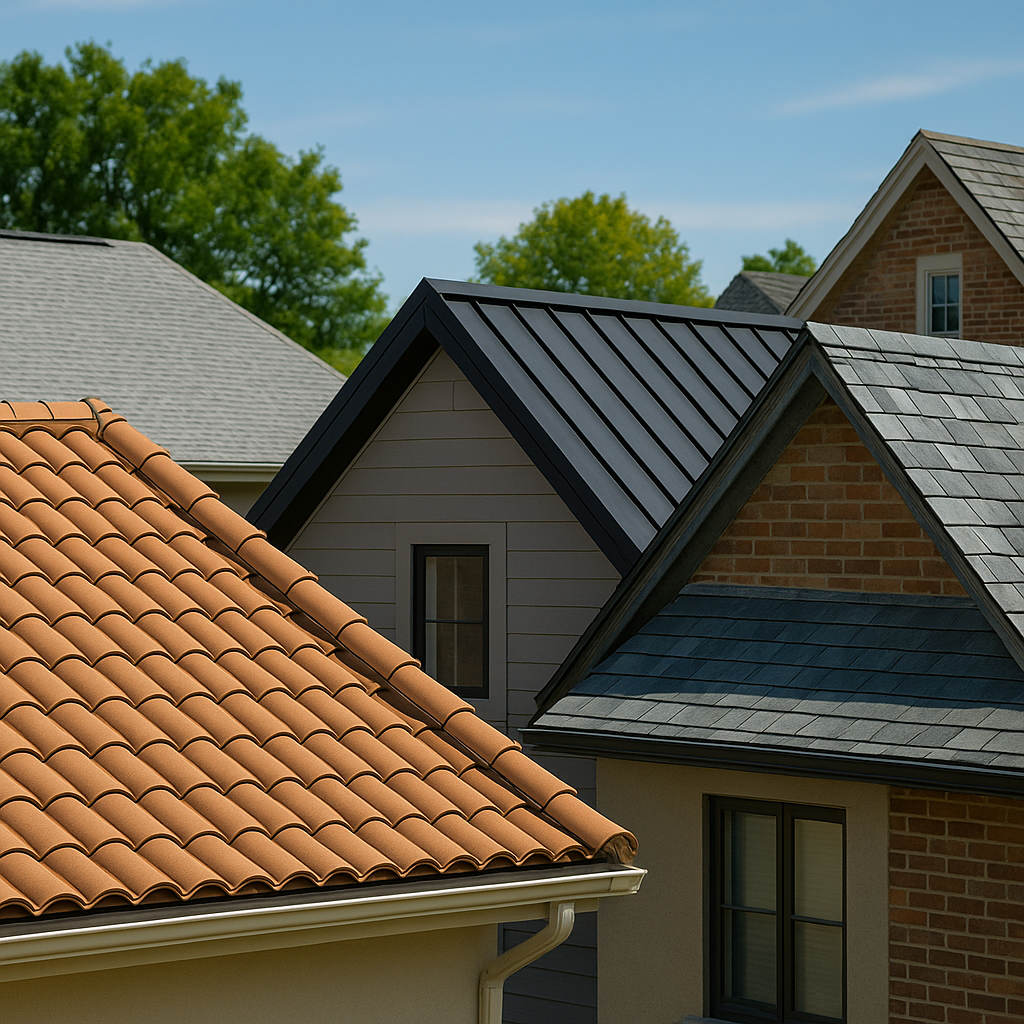
If your roof is nearing the end of its lifespan, upgrading to impact-resistant materials may be worth considering. An impact resistant roof is specifically engineered to withstand large hailstones, wind, sleet, and other extreme weather conditions, reducing the risk of damage and potentially lowering long-term repair costs.
Some modern roofing systems are specifically designed to withstand hail impacts. The roofing industry has developed and tested impact-resistant roofing shingles and materials using standardized tests such as UL 2218 and FM 4473. The UL 2218 impact rating system is a critical factor in determining the hail resistance of roofing materials and helps homeowners compare the durability of different options based on their performance in impact tests.
These materials may include:
- Class 4 impact-rated asphalt shingles, which are a premium product that may cost more than standard shingles but can save homeowners money over time by reducing the risk of damage during severe weather. Class 4 is the highest rating, indicating the shingles can withstand a two-inch steel ball impact dropped from 20 feet without cracking.
- Metal roofs, which are highly durable, often carry a UL 2218 Class 4 rating, and are known for their superior hail resistance compared to other roofing materials.
- Slate roofs, which offer high impact resistance and long-term protection, but can be susceptible to cracking or shattering under severe hail and may be costly to repair if damaged.
- Reinforced architectural shingles
When selecting a roofing material for hail-prone areas, it’s important to consider both impact resistance and wind resistance, as wind resistance is a separate but equally important classification for preventing storm damage. Impact-resistant roofing shingles are engineered to withstand not only hail but also high winds and other severe weather conditions.
Homeowners may also qualify for insurance discounts when installing impact-resistant roofing, especially in hail-prone regions, making these upgrades even more cost-effective in the long run.
Impact-resistant roofs can significantly reduce storm damage risks.
Why Class 4 Impact-Resistant Shingles Are Popular
Class 4 shingles are among the most durable asphalt roofing materials available.
They are tested using impact simulations designed to mimic hail strikes.
Benefits of impact-resistant shingles include:
- Improved resistance to cracking and bruising
- Longer lifespan in hail-prone areas
- Reduced maintenance and repairs
- Potential insurance premium benefits in some regions
For homeowners in hail-prone areas, these materials can offer added peace of mind.
The Importance of a Strong Roofing System
It’s important to remember that a roof is more than just shingles.
A complete roofing system includes:
- Roof decking
- Underlayment
- Ice and water barriers
- Flashing
- Ventilation systems
If any component fails, the entire system can become vulnerable.
Professional roofing contractors evaluate every layer to ensure the roof performs properly during severe weather.
Insurance and Hail Damage: Navigating Claims and Coverage
Dealing with insurance claims after hail damage can be overwhelming, but understanding your coverage and taking the right steps can make the process much smoother. Start by reviewing your policy to know exactly what is covered in the event of hail damage or other extreme weather events. After a storm, document all visible damage with photos and keep detailed records of any repairs or inspections—these will be invaluable when filing insurance claims.
Many insurance providers recognize the value of impact resistant roofs and may offer discounts for homes equipped with Class 4 shingles or other resistant roofing materials. Some insurers may also require features like gutter guards to qualify for certain coverage or discounts. Working with a reputable roofing contractor is essential to ensure that all repairs are completed to industry standards and that your roof is fully restored to its original condition.
Taking proactive steps—such as regular inspections, timely maintenance, and upgrading to impact resistant materials—can help minimize the risk of costly repairs and reduce the likelihood of future insurance claims. By staying informed and prepared, you can protect your home, streamline the claims process, and ensure your roof remains resilient against hail and other severe weather challenges.
What to Do After a Hailstorm
Even if your roof was inspected before storm season, it’s still important to check for damage after severe weather. After a hailstorm, inspect your roof for any signs of hail damage, such as cracked or missing shingles, metal component dents, damaged shingles, or damaged flashing. Promptly identifying and repairing damaged shingles and damaged flashing, especially around chimneys and roof joints, can prevent further damage and extend your roof’s longevity.
Here are steps homeowners should take after a hailstorm.
Look for Visible Signs of Damage
Check for:
- Dented gutters
- Broken shingles
- Debris accumulation
- Loose roof materials
Inspect Your Attic
Water stains or damp insulation may indicate roof leaks.
Document Any Damage
Taking photos of visible damage can help with insurance claims.
Contact a Roofing Professional
If damage is suspected, schedule a professional inspection as soon as possible.
Why Homeowners Choose Reimagine Roofing & Construction
Preparing for hail season requires experience and expertise. Reimagine Roofing & Construction specializes in helping homeowners protect and restore their roofs before and after severe storms.
Their professional team provides:
- Comprehensive roof inspections
- Storm damage assessments
- Roof repairs and replacements
- High-quality roofing materials designed for durability
- Honest recommendations based on your home’s needs
With years of experience in storm restoration and roofing services, homeowners can trust that their property is in capable hands.
Don’t Wait Until Storm Season Arrives
One of the biggest mistakes homeowners make is waiting until after damage occurs to inspect their roof.
By then, small issues may have already turned into major repairs.
Preparing early allows homeowners to:
- Strengthen their roofing systems
- Address weak areas
- Avoid emergency repairs
- Protect their homes and families
The best time to prepare for hail season is before the first storm forms.
Book Your Free Roof Inspection Today
If you want peace of mind heading into the 2026 hail season, now is the perfect time to have your roof professionally inspected.
Reimagine Roofing & Construction offers free roof inspections to help homeowners identify vulnerabilities before severe weather strikes.
During your inspection, experienced professionals will evaluate your roof’s condition and provide honest recommendations for repairs or upgrades if needed.
Get an Instant Quote in Minutes
Ready to take the next step?
Use the Instant Quote Tool to receive a fast estimate for your roofing project. Whether you need a repair, replacement, or preventative upgrade, the process is quick and simple.
Protect your home before hail season begins.
Book your free inspection today and use the Instant Quote Tool to start preparing your roof for whatever the 2026 storm season brings.
Popular Posts