How to Prevent Roof Leaks During Connecticut’s Freeze-Thaw Cycles
How to Prevent Roof Leaks During Connecticut’s Freeze-Thaw Cycles
How to Prevent Roof Leaks During Connecticut’s Freeze-Thaw Cycles
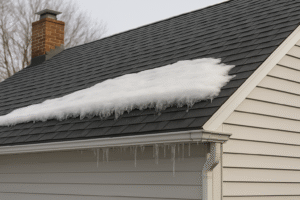
Winter in Connecticut can be both beautiful and brutal. From Hartford to New Haven, homeowners are all too familiar with the snowstorms, melting ice, and sudden temperature drops that define a New England winter. But beneath the scenic snow-covered rooftops lies one of the most common—and costly—issues Connecticut homeowners face: roof leaks caused by freeze-thaw cycles.
These cycles, where water repeatedly freezes and melts, can wreak havoc on even the most well-built roofs. The result? Hidden water damage, rotted decking, ruined insulation, and expensive repairs come spring.
In this guide, Reimagine Roofing’s experts explain how Connecticut’s freeze-thaw weather affects your roof, the warning signs to watch for, and the proven strategies to prevent leaks before they start. Whether you own a historic colonial in Hartford or a modern home in Stamford, understanding freeze-thaw roofing challenges can save you thousands in repair costs—and countless headaches.
What Are Freeze-Thaw Cycles and Why They’re a Problem in Connecticut
A freeze-thaw cycle occurs when melted snow or ice seeps into tiny cracks or gaps in your roofing materials, then refreezes as temperatures drop overnight. When water freezes, it expands by about 9%, creating pressure that widens cracks and loosens roofing materials.
In Connecticut, where temperatures often fluctuate between freezing and thawing multiple times per day during winter, this process happens repeatedly. Over time, that expansion and contraction can:
- Break down shingles and flashing
- Create entry points for water infiltration
- Loosen gutters and seals
- Lead to leaks that go unnoticed until interior damage appears
The Science Behind Roof Damage
Water is relentless. Even microscopic openings in your shingles or flashing can allow melted snow to penetrate. When it refreezes, it forces the gap wider. Over weeks or months, what began as a hairline crack can grow into a major roof leak.
That’s why roofs in freeze-thaw regions like Connecticut demand specialized attention—particularly in late fall and early spring when temperature swings are most severe.
The Most Common Roof Problems Caused by Freeze-Thaw Cycles
If you live in Connecticut, your roof is constantly under attack from the elements. Here are the top issues that Reimagine Roofing sees during winter inspections:
1. Ice Dams
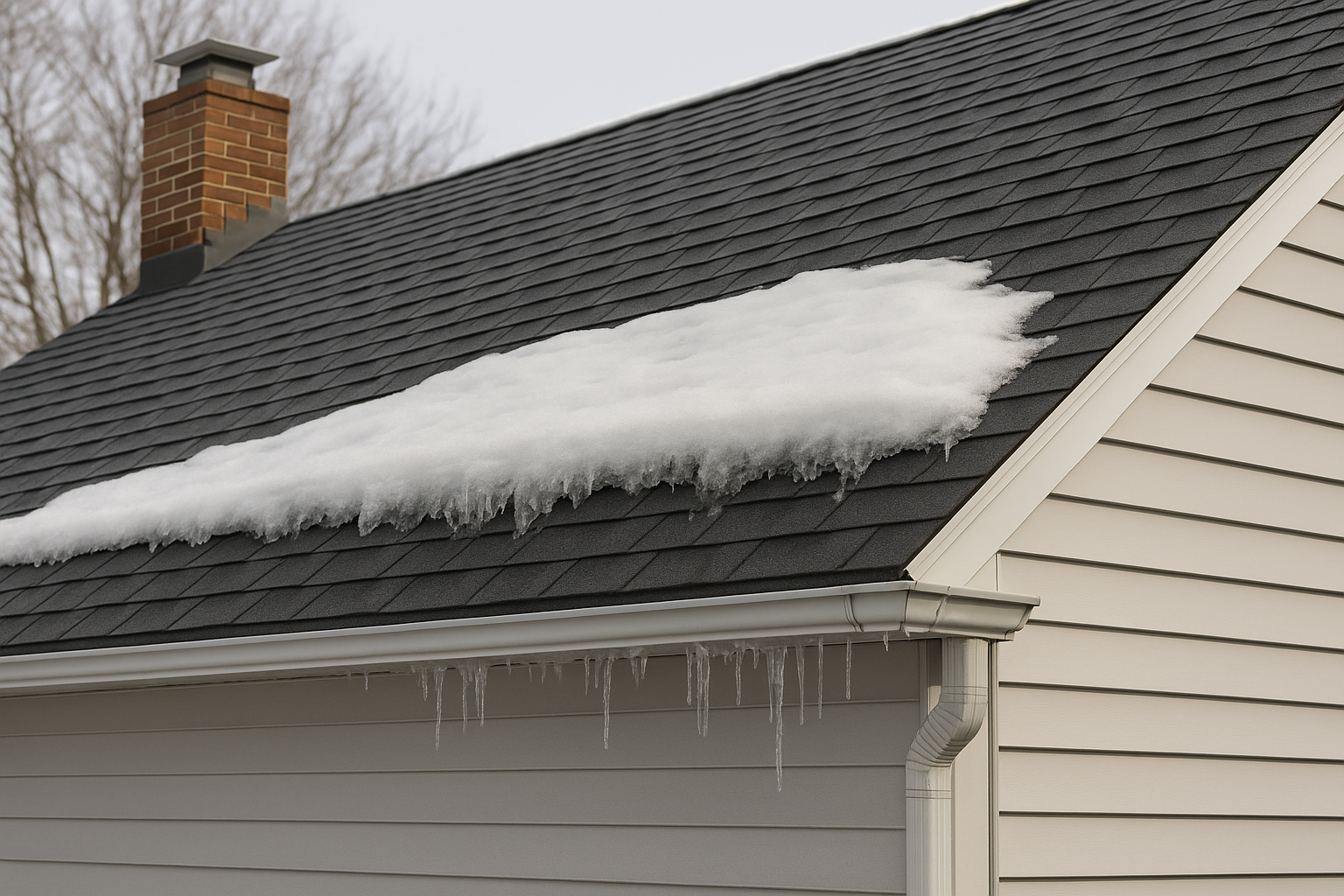
Ice dams form when heat from your attic melts snow on your roof. The meltwater flows down until it reaches the colder eaves, where it refreezes into a ridge of ice. This dam traps water behind it, forcing it to seep beneath your shingles and into your home.
Warning signs:
- Icicles forming along the roof edge
- Water stains on ceilings or walls
- Damp attic insulation
2. Cracked or Curling Shingles
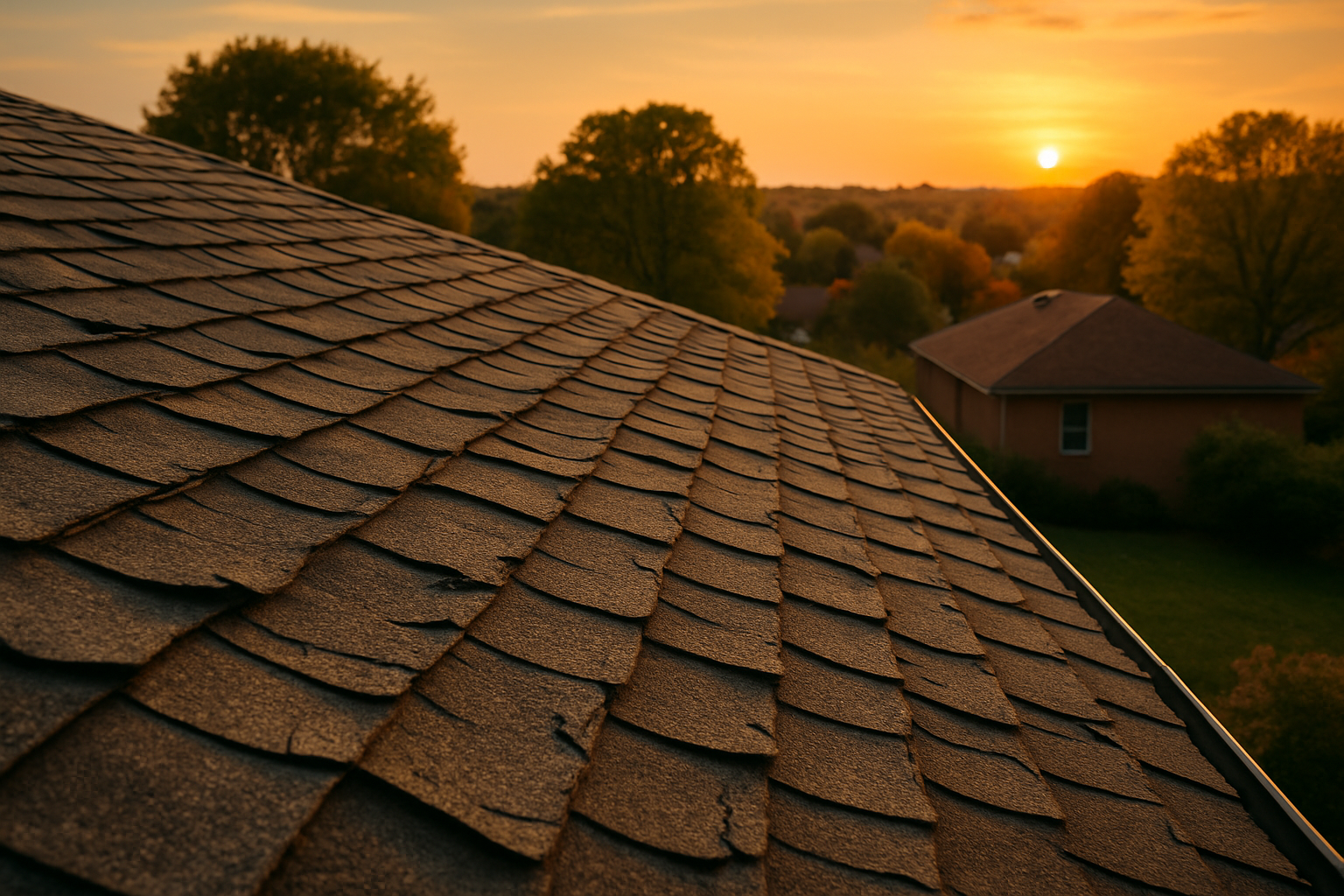
Shingles expand and contract with temperature changes. Over time, this movement weakens the material and can cause cracking, curling, or granule loss—especially on older roofs.
3. Damaged Flashing
Flashing seals the joints around chimneys, vents, and skylights. Freeze-thaw stress can loosen or warp this thin metal, creating small but dangerous entry points for water.
4. Gutter Backups and Ice Blockages
When ice and debris block your gutters, meltwater has nowhere to go. It can pool under shingles, causing hidden leaks and even structural damage.
5. Attic Condensation
Moisture rising from your home can condense in a poorly ventilated attic, adding to the freeze-thaw stress on your roof’s underside.
Why Connecticut Homes Are Especially Vulnerable
Connecticut’s unique climate makes roofs more prone to freeze-thaw damage than in milder regions. The combination of frequent snowstorms, daytime thawing, and overnight freezing keeps roofing materials in constant motion.
Add in older housing stock—many homes built before the 1980s still have inadequate insulation or outdated roofing—and you have the perfect recipe for leaks.
Other regional risk factors include:
- Dense tree cover: Branches drop debris that traps moisture.
- Coastal weather: Homes near the shoreline experience salty, humid air that accelerates material wear.
- Historic homes: Older structures often lack modern underlayment or vapor barriers.
How to Spot Early Warning Signs of Roof Leaks
Catching a roof leak early is the key to avoiding major damage. Connecticut homeowners should inspect their roofs regularly, especially after storms or sudden temperature shifts.
Here are early indicators your roof may be suffering from freeze-thaw stress:
- Discolored ceiling spots or bubbling paint
- Damp attic insulation or musty smells
- Shingle granules in your gutters
- Ice forming in gutter seams or downspouts
- Water streaks or rust near roof vents or chimneys
If you notice any of these signs, it’s time for a professional inspection. Minor issues can often be repaired quickly—but left unchecked, they can turn into major problems by spring.
How to Prevent Roof Leaks During Freeze-Thaw Cycles
The good news? With proactive maintenance and smart upgrades, you can protect your Connecticut home from freeze-thaw damage. Here’s how:
1. Ensure Proper Roof Insulation and Ventilation
A well-insulated attic keeps warm air from escaping and melting snow unevenly on your roof. Good ventilation allows moisture to escape, reducing condensation and ice dam formation.
Reimagine Roofing Tip:
Have your attic insulation inspected annually. Adding insulation or upgrading your ventilation system can significantly extend your roof’s life.
2. Keep Gutters and Downspouts Clear
Before winter hits, clear your gutters of leaves, pine needles, and debris. Install gutter guards to prevent future clogs, and ensure downspouts direct water at least 3–4 feet away from your foundation.
This prevents pooling water that can refreeze and damage your shingles and fascia.
3. Trim Overhanging Branches
Tree limbs that hang over your roof can drop debris, block sunlight, and trap snow and moisture. Trimming them back reduces freeze-thaw risks and prevents potential roof punctures during storms.
4. Install Ice and Water Shield Underlayment
An ice and water shield membrane acts as an extra layer of protection beneath your shingles. It seals around nails and prevents meltwater from seeping into the decking.
Reimagine Roofing recommends this upgrade for all Connecticut homes, especially those with low-sloped or north-facing roofs where ice dams tend to form.
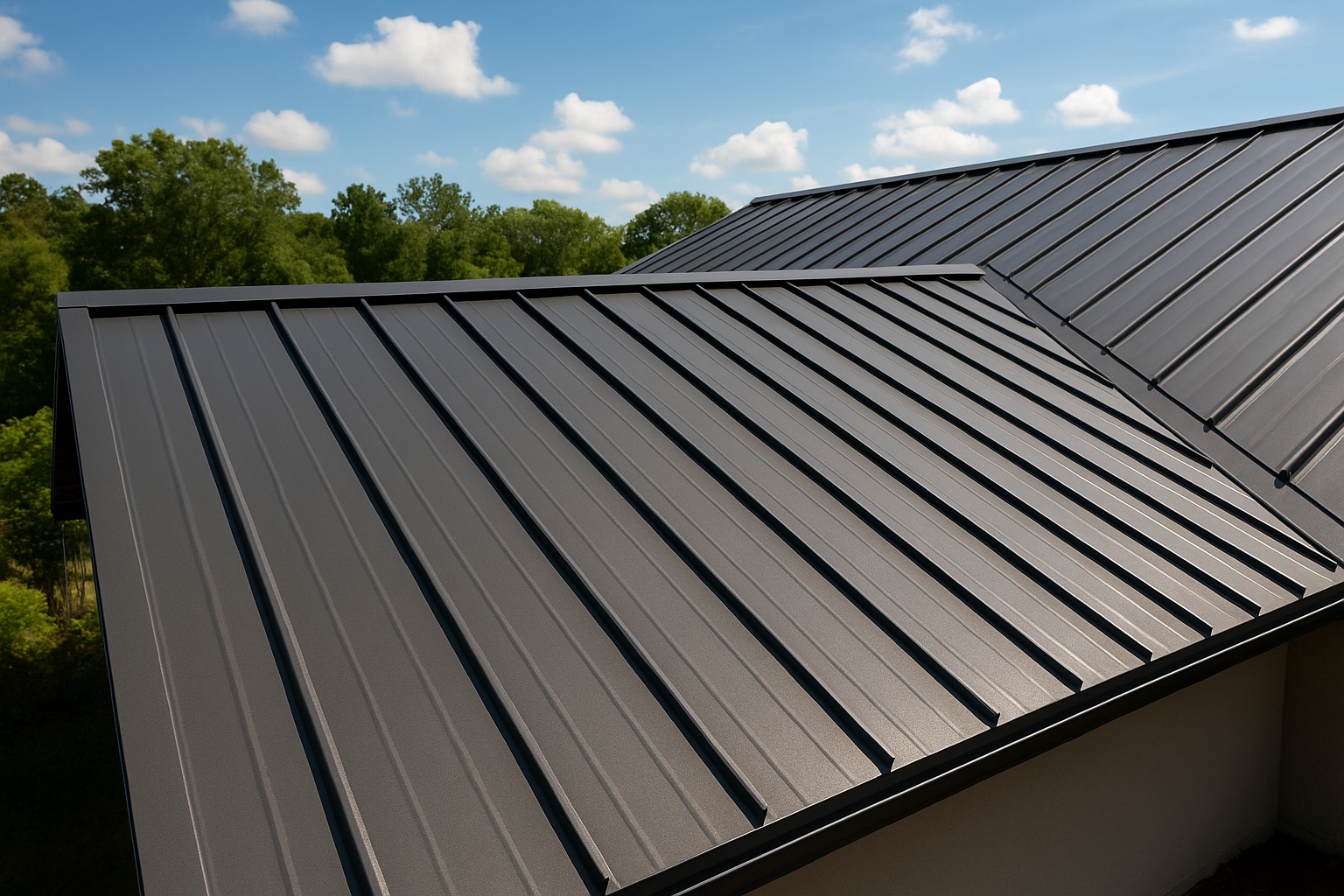
5. Upgrade to Metal Roofing
Metal roofs are highly resistant to freeze-thaw damage because they shed snow easily and don’t absorb moisture like asphalt shingles. They also reflect sunlight, helping regulate roof temperature during Connecticut’s variable winters.
Key benefits:
- No ice dam formation
- Long lifespan (40–70 years)
- Low maintenance
- Energy efficient
If you’re replacing your roof soon, metal roofing is one of the smartest investments Connecticut homeowners can make.
6. Schedule Regular Roof Inspections
A professional inspection at least once a year—preferably in late fall or early spring—can detect early damage from freeze-thaw cycles. Roofers can spot minor issues like lifted shingles, loose flashing, or nail pops before they lead to leaks.
Pro Tip:
After a heavy snow or ice storm, call Reimagine Roofing for a post-storm roof check to ensure your roof hasn’t sustained hidden damage.
The Cost of Ignoring Freeze-Thaw Roof Damage
Many homeowners delay roof inspections during winter, assuming problems can wait until spring. Unfortunately, that’s when most find costly damage waiting for them.
Ignoring roof leaks during freeze-thaw cycles can lead to:
- Mold growth inside attics and walls
- Damaged insulation and reduced energy efficiency
- Rotting roof decking and structural beams
- Ceiling and drywall damage
- Electrical hazards from water intrusion
What might have been a $500 repair in December can turn into a $5,000+ roof replacement by April. Preventive maintenance is always cheaper—and safer—than emergency repairs.
Connecticut’s Seasonal Roofing Checklist
Here’s a quick checklist to help homeowners stay ahead of freeze-thaw damage throughout the year:
Fall (Before Snow Season):
- Clean gutters and inspect flashing
- Trim nearby trees
- Check attic insulation and ventilation
- Schedule a professional inspection
Winter (Active Season):
- Safely remove excess snow with a roof rake
- Watch for ice dams or icicles
- Keep attic temperatures consistent
Spring (After Thaw):
- Inspect for leaks or stains
- Check gutters for shingle granules
- Schedule a roof health assessment
By following this routine, you’ll extend your roof’s lifespan and prevent costly leaks no matter how unpredictable Connecticut’s winters get.
Pro Insights: How Reimagine Roofing Protects Connecticut Homes
At Reimagine Roofing, we understand the unique roofing challenges New England homeowners face. Our team specializes in modern, weather-resistant roofing systems that are built to handle Connecticut’s freeze-thaw stress—without compromising on style or efficiency.
We use advanced materials like:
- Standing seam metal roofing for superior snow shedding
- Synthetic underlayment and vapor barriers for added waterproofing
- Cool-roof technology to regulate attic temperatures year-round
Every roof we install is designed to reduce maintenance, improve insulation, and eliminate leaks—so you can enjoy peace of mind even in the harshest winters.
Protect Your Roof Before the Next Freeze
Don’t wait for the next snowstorm to reveal a hidden roof leak.
Connecticut’s freeze-thaw cycles are tough on homes—but with the right protection, your roof doesn’t have to suffer.
Reimagine Roofing offers free, no-obligation inspections for homeowners across Connecticut. Our experts will assess your roof’s condition, identify early warning signs, and provide a detailed plan to keep your home leak-free all winter long.
- Get your free inspection or same-day quote today.
- Use Fast Quote Tool and Get your 24-hour estimate online — and protect your home before the next freeze hits.
Connecticut’s freeze-thaw cycles are relentless, but your roof doesn’t have to be a casualty of the cold. With smart maintenance, modern materials, and expert guidance from Reimagine Roofing, you can stay one step ahead of winter—and one step further from costly repairs.
Whether you’re dealing with minor leaks or preparing for a full roof upgrade, our team is here to help you reimagine what a durable, weather-proof home looks like.
Popular Posts