How to Protect Older Structures in Harsh Winters
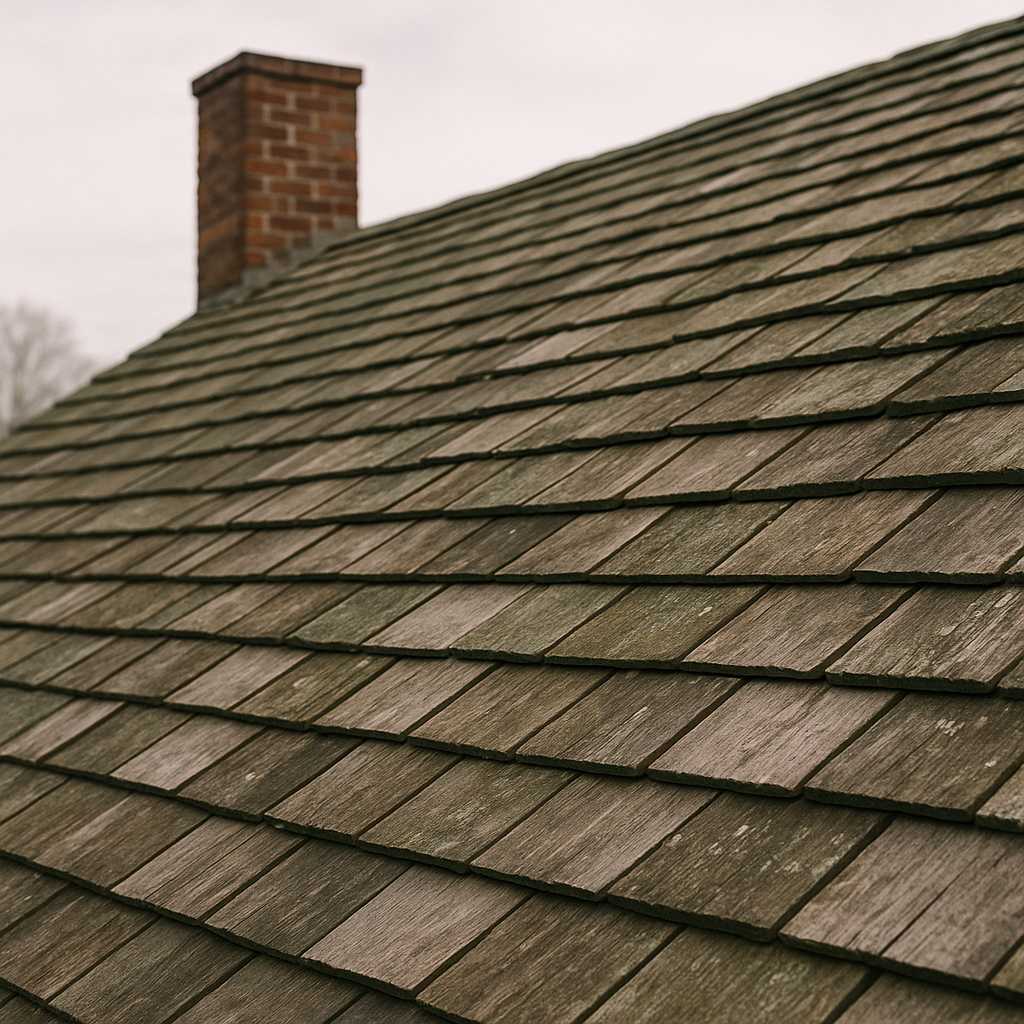
How to Protect Older Structures in Harsh Winters
Historic Home Roofing: How to Protect Older Structures in Harsh Winters
Historic Home Roofing: How to Protect Older Structures in Harsh Winters
When History Meets Winter, Your Roof Takes the Hit
The Northeast and Mid-Atlantic are filled with some of America’s most iconic historic homes — from the colonial saltboxes of Connecticut and Massachusetts to the Victorian townhomes of Pennsylvania and Maryland, and the centuries-old stone houses throughout New Jersey and Delaware. These homes reflect generations of cultural change and architectural evolution. Their survival through harsh winters is a testament to skillful craftsmanship — but even the strongest historical designs face challenges today, especially when considering how older structures endure harsh winters.
And no part of a historic home suffers more in winter than the roof.
Snow, ice dams, freeze–thaw cycles, moisture intrusion, heavy wind, and rapid temperature swings create the perfect storm for roofing damage, especially on structures built long before modern building standards. According to NOAA, winter temperature swings in the Northeast–Mid-Atlantic are now more extreme than ever, leading to:
-
Increased ice dams
-
More shingle cracking
-
Greater structural stress
-
Hidden moisture damage
-
Sudden leaks during winter warm-ups
For historic homes — many built with older materials and aging framing — the risks are even higher.
This guide will help you understand:
-
Why historic roofs deteriorate faster in harsh winters
-
The most common winter roofing problems in NJ, PA, DE, CT, MA, and MD
-
The best materials for protecting older structures
-
How to preserve architectural authenticity while increasing durability
-
Which upgrades extend roof life without altering appearance
-
When it’s time to replace — and what to consider first
-
How Reimagine Roofing protects historic homes with specialized solutions
Why Historic Homes Are More Vulnerable to Winter Roof Damage
Historic homes (often 50–150+ years old) are built differently from modern houses. Their materials, craftsmanship, and structural methods give them charm — but also make them more susceptible to winter damage.
1. Older Roof Structures Were Built for a Different Climate
Winters were once:
-
More predictable
-
Less volatile
-
Less affected by modern climate fluctuations
Today, temperatures can jump from 10°F to 40°F in a single day. Connecticut, especially central regions influenced by Canadian cold fronts, often sees the most dramatic swings. These freeze–thaw cycles cause:
-
Shingles to crack
-
Nails to loosen
-
Flashing to pull apart
-
Roof decking to expand and contract
Older framing simply wasn’t engineered for this stress.
2. Many Historic Roofs Use Outdated Materials
Common materials include:
-
Cedar shakes
-
Slate
-
Clay tiles
-
Tin or copper
-
Early asphalt shingles
Although beautiful, these materials degrade faster under:
-
Heavy snow
-
Ice expansion
-
Freeze–thaw cycles
-
Strong winter winds
Even durable slate can crack when trapped water freezes and expands.
3. Roof Decking May Be Weak or Inconsistent
Historic homes often include:
-
Thinner roof boards
-
Hand-cut lumber
-
Plank sheathing with gaps
-
Handmade nails
These features make it easier for moisture to penetrate, rot to develop, and structural integrity to decline.
4. Poor or Nonexistent Ventilation Amplifies Winter Damage
Most historic homes were built without modern ventilation systems. Poor airflow traps heat in the attic, melting snow unevenly and causing:
Ice dams — the #1 cause of winter roof leaks in historic homes.
Ice dams force water backward under shingles, damaging:
-
Roof decks
-
Insulation
-
Ceilings
-
Walls
-
Historic plaster
-
Interior woodwork
5. Roof Slopes May Not Meet Modern Snow Load Requirements
One snowstorm can add 20–50 pounds per square foot of weight to a roof.
Homes in MA, PA, and CT are especially at risk.
Older rafters and beams can bow, sag, or fail under this weight.
6. Chimneys and Masonry Are High-Risk Areas
Large brick or stone chimneys are vulnerable to:
-
Freeze–thaw cracking
-
Mortar deterioration
-
Ice expansion
-
Flashing separation
Chimney leaks are one of the most common causes of winter water damage in historic homes.
Common Winter Roofing Problems in Northeast + Mid-Atlantic Historic Homes
Here are the most frequent issues homeowners encounter:
1. Ice Dams and Water Backup
Occurs when:
-
Warm attic air melts snow
-
Meltwater refreezes at the eaves
-
Ice forms a barrier
-
Water backs up under shingles
Historic homes are more prone due to older insulation and ventilation.
2. Freeze–Thaw Cracks
Water seeps beneath shingles → freezes → expands → breaks the material.
Slate and cedar are particularly vulnerable.
3. Wind Damage From Nor’easters
Winter storms can:
-
Tear shingles
-
Loosen flashing
-
Damage ridge vents
-
Pull gutters downward
States like NJ, DE, and MA see multiple severe storms every winter.
4. Heavy Snow Load Stress
Too much weight can cause:
-
Sagging roofs
-
Cracked plaster
-
Interior trim separation
-
Structural weakening
5. Moisture Intrusion and Mold
Winter leaks often go unnoticed until spring thaw reveals:
-
Mold in attics
-
Wet insulation
-
Soft or rotting roof decking
-
Musty odors
-
Wall and ceiling stains
6. Flashing Failures
Historic homes often have complex architecture:
-
Dormers
-
Multiple roof slopes
-
Large chimneys
Small gaps expand in winter, creating significant leaks.
Best Roofing Materials for Protecting Historic Homes in Winter
Historic homes require materials that balance performance, durability, and authenticity.
1. Architectural Asphalt Shingles
Benefits:
-
Strong freeze–thaw resistance
-
Better wind performance
-
Long lifespan
-
Traditional visual appearance
They can mimic slate, cedar, or traditional shake.
2. Impact-Resistant Shingles
Built to handle:
-
Ice
-
Hail
-
Wind uplift
-
Rapid temperature swings
Ideal for harsh winter states.
3. Synthetic Slate or Synthetic Cedar
These offer:
-
Lower weight
-
Better crack resistance
-
Fire safety
-
Long lifespan
-
Authentic appearance
Great for slate-heavy regions like MA, CT, and PA.
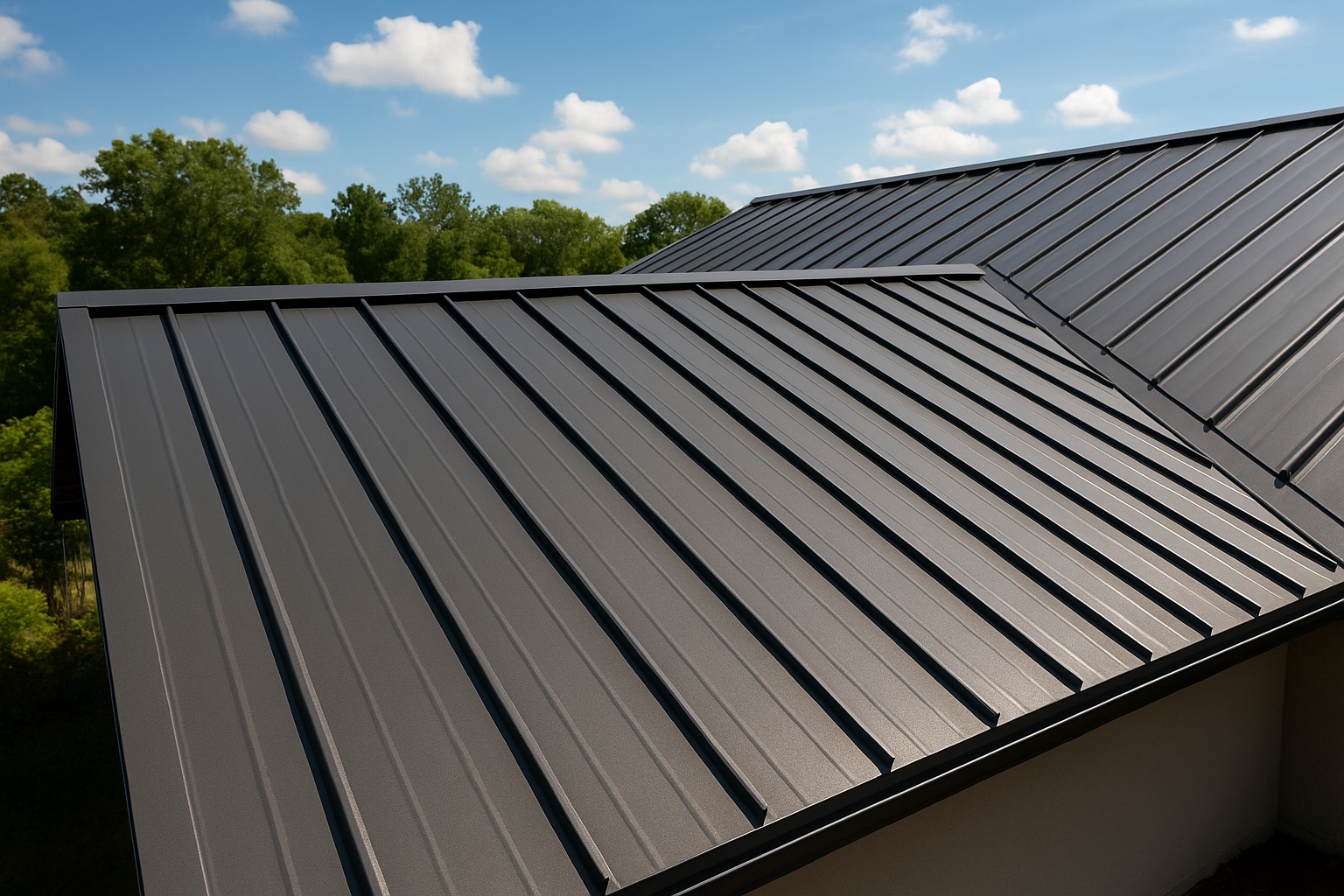
4. Standing Seam Metal Roofing
Not always historically accurate, but ideal for:
-
Barn homes
-
Rural historic properties
-
Snow-prone areas
Metal sheds snow quickly and is extremely wind resilient.
5. Cedar Shake (Historic Approved Only)
Authentic but vulnerable to moisture and ice.
Must be paired with:
-
Modern underlayments
-
Proper ventilation
-
Winter protection systems
Modern Upgrades That Protect Historic Homes Without Changing Their Look
Reimagine Roofing specializes in upgrades that improve durability without altering architectural character.
Recommended Enhancements:
1. Ice & Water Shield Underlayment
Stops leaks from:
-
Ice dams
-
Wind-driven rain
-
Freeze–thaw cycles
2. Improved Insulation
Reduces attic heat → prevents roof melt → reduces ice dams.
3. Hidden Ventilation Systems
Ridge vents and airflow channels that preserve historic appearance.
4. Copper or Lead Flashing
Matches historic materials while providing superior weather resistance.
5. Reinforced Roof Decking
Many older homes benefit from:
-
New plywood
-
Sistered rafters
-
Extra bracing
Prevents sagging and structural stress.
Roof Preservation Tips for Historic Homes
To extend roof life:
-
Schedule regular inspections
-
Keep gutters clear
-
Improve insulation and ventilation
-
Remove excess snow
-
Inspect chimneys annually
-
Trim overhanging branches
Hiring professionals familiar with historic homes ensures quality preservation and avoids accidental damage to original structures.
When It’s Time to Replace: Warning Signs You Shouldn’t Ignore
Consider replacement if you see:
-
Curling shingles
-
Cracking slate
-
Structural sagging
-
Interior stains
-
Mold in the attic
-
Repeated ice dams
Delaying replacement can lead to tens of thousands in structural repairs.
How Reimagine Roofing Protects Historic Homes
We specialize in:
✔ Historically appropriate materials
✔ Ice dam prevention
✔ Structural reinforcement
✔ Attic ventilation upgrades
✔ Synthetic slate and cedar
✔ Custom chimney flashing
✔ Winter-ready roof systems
✔ High-performance underlayments
✔ Architectural preservation with modern protection
We understand the challenges of tight urban neighborhoods, preservation rules, and the unique needs of historic properties.
Working with Contractors Who Understand Historic Homes
Preserving the character of a historic home—especially in cold-weather regions like New England, New York, and the broader Northeast—requires more than standard construction knowledge.
Many homeowners quickly discover that not every contractor is equipped to work on properties built in the 19th century or earlier.
Historic homes need a specialized approach that blends craftsmanship, technical expertise, and an understanding of architectural heritage.
Why Specialized Contractors Matter
Historic properties are built with materials, techniques, and structural features no longer used in modern construction. A qualified contractor must understand:
- How to work with older wood, stone, brick, and early roofing materials
- How aging structures respond to snow, ice, and freeze–thaw cycles
- How to preserve original style, proportions, and architectural details
- How to strengthen the home without altering its historic character
Contractors who lack this experience may inadvertently cause damage or use materials that disrupt the home’s authenticity.
Navigating Local Codes and Preservation Standards
In states like Massachusetts and Connecticut, historic homes are a defining part of the landscape. Contractors must be familiar with:
- Local building codes
- Preservation guidelines
- Historical commission requirements
- Winter-specific structural challenges
In cities like New York, strict landmark preservation laws dictate exactly how roofing, structural repairs, and exterior modifications must be performed. Even small details—such as flashing materials or shingle style—must meet rigorous standards.
With winters becoming more unpredictable and severe, the need for skilled experts is only increasing.
What Historic Home Specialists Bring to the Table
A contractor experienced in historic preservation knows how to identify and address problems like:
- Water infiltration behind old masonry
- Structural weaknesses in aged framing
- Inefficient or outdated insulation
- Deteriorated roofing materials
- Failing chimneys or historic dormers
Equally important, they understand how to maintain your home’s original design, including:
- Period-correct trim
- Traditional moldings
- Historically accurate roofing materials
- Authentic craftsmanship techniques
The goal is to complete repairs or upgrades that blend seamlessly into the home, so nothing looks “new” or out of place.
Different Regions, Different Needs
While Northeast winters bring snow load, ice dams, and freeze–thaw damage, the needs of historic homes vary by geography:
- South & Southeast: humidity, termites, hurricanes, water intrusion
- Mid-Atlantic: wind-driven rain, coastal moisture, mixed weather
- West: wildfire risks, dry rot, UV damage, seismic considerations
Regardless of the region, the principle remains the same:
Hire someone who understands the age, architecture, and environment of your home.
Budgeting and Financial Considerations
Hiring a specialist often comes with a higher upfront cost—but the investment protects:
- Your home’s structural integrity
- Long-term property value
- Historical authenticity
Additionally, Preservation-focused contractors can also help you take advantage of:
- Local and state preservation grants
- Federal tax incentives
- Historic district assistance programs
These resources often offset part of the cost of qualifying repairs or restorations.
Why Expertise Protects More Than Just Your Roof
Choosing the right contractor ensures your home remains:
- Safe
- Structurally sound
- Historically accurate
- Ready for harsh winters or seasonal weather
Your investment preserves the character of your neighborhood, strengthens your community, and protects a legacy for future generations.
From foundation to roofline, partnering with a knowledgeable historic-home contractor ensures that your home continues to stand strong—and tell its story—for decades to come.
Protect Your Historic Home Before Winter Hits
Your historic home deserves specialized care — and winter won’t wait.
Schedule your FREE Historic Roof Assessment today
We provide:
- Full roof inspection
- Ice dam analysis
- Attic ventilation evaluation
- Structural roof assessment
- Historic material recommendations
- Fast quote (under 24 hours)
Reimagine Roofing is your partner in preserving the past — and protecting your future.
Book your Free Roof Inspection today.
Request your free estimate online now.
Popular Posts