What 115°F Temps Do to Asphalt Shingles in 5 Years
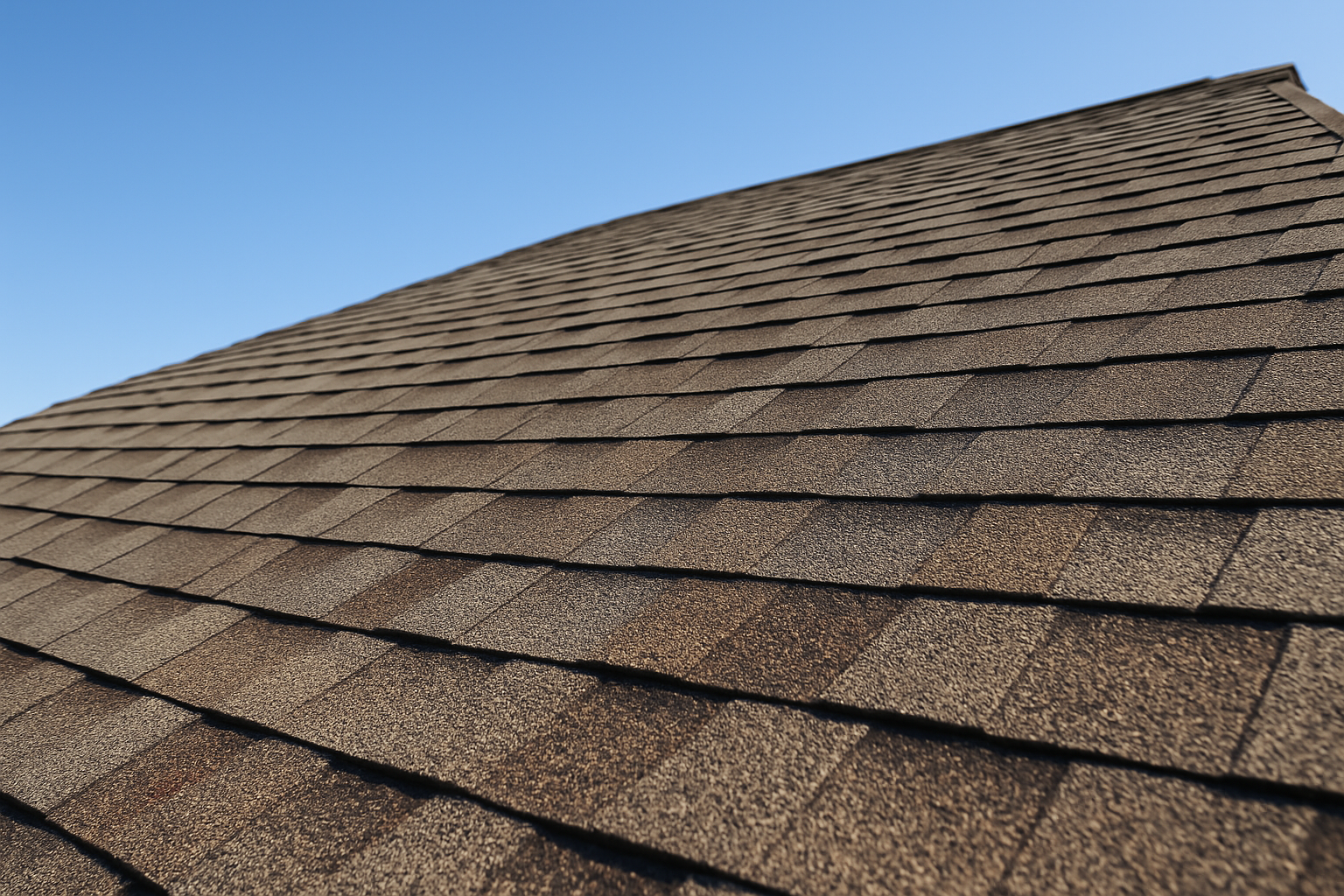
What 115°F Temps Do to Asphalt Shingles in 5 Years
What 115°F Temps Do to Asphalt Shingles in 5 Years
115°F Heat Isn’t “Just Hot”, It’s Roof-Destroying
Arizona homeowners are used to extreme temperatures. Phoenix, Glendale, Scottsdale, Mesa, Tucson, and surrounding areas routinely hit 110°F–118°F in the summer. During heatwaves, the Valley surpasses 120°F.
But what most homeowners don’t know is this:
When the air hits 115°F, your asphalt shingles can reach 170°F–195°F.
This article focuses on the effects of 115°F temps on the asphalt shingle roof, the most common roofing type in Arizona. Your roof acts as the first line of defense against extreme temperatures and environmental elements, making it crucial for protecting your home.
That’s hot enough to:
- Melt asphalt bonding oils
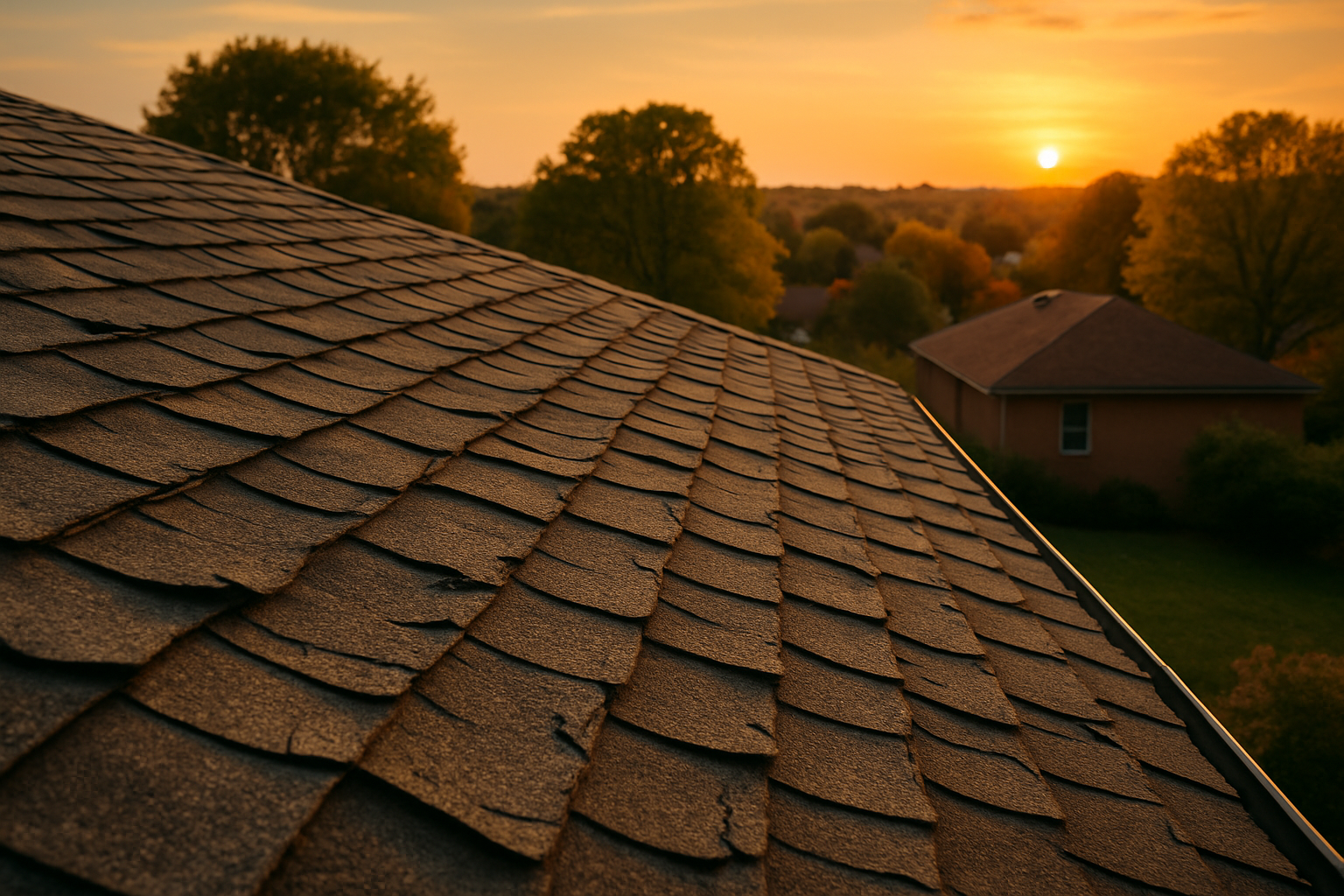
- Warp and buckle shingles (these visible damages can also reduce your roof’s curb appeal)
- Accelerate UV breakdown
- Cause shingles to fracture internally
- Make granules shed rapidly
- Shorten roof life by 40–60%
- Increase attic heat to 140°F+
- Spike your cooling bill
- Cause premature leaks and underlayment failure
In other words…
A 5-year-old roof in Arizona can look like a 15–20-year-old roof in other states. The extreme heat dramatically shortens an asphalt shingle roof’s life.
And Arizona is not alone. Parts of Nevada, New Mexico, Utah, and the California deserts experience similar extreme heat and UV exposure — making the entire Southwest the most hostile environment in the U.S. for asphalt shingles.
In this in-depth guide, you’ll learn:
- What extreme heat actually does to roofing materials
- Why Arizona roofs fail so much faster
- The science behind UV destruction
- The 7 stages of heat-induced roof aging
- Signs your shingles are heat-damaged
- Regional comparisons across the Southwest
- The best roofing materials for extreme heat
- How Reimagine Roofing protects AZ homeowners with heat-resilient options
This is the most detailed homeowner-friendly explanation of desert roof aging you will find anywhere.
Understanding Extreme Roof Temperatures in AZ
Most homeowners assume their roof temperature is close to the outside air temperature.
But roofing science tells a different story.
- Light-colored shingles: 50–60°F hotter than the air
- Medium-colored shingles: 60–70°F hotter than the air
- Dark-colored shingles: 80–90°F hotter than the air
Roof pitch also plays a role in roof surface temperatures, as the slope affects how much heat the roof absorbs from the sun and how quickly it cools down, leading to variations in temperature extremes.
As roof surface temperatures rise, heat builds up in the attic, especially if insulation or ventilation is inadequate. This buildup can accelerate the deterioration of roof components like shingles and roof decking.
Roof Surface Temperatures in Arizona
- Air temp: 115°F
- Dark shingles: 180°F–195°F
- Medium shingles: 165°F–175°F
- Light shingles: 150°F–165°F
- Metal or cool roofs: 105°F–135°F
Dark asphalt shingles literally bake each afternoon.
This constant high-temperature abuse creates chemical and structural changes inside the shingle that permanently weaken it.
Why shingle temperatures matter
Every 10°F increase above 150°F doubles the rate of asphalt oxidation.
That means roof materials break down exponentially faster — not gradually. When shingles lose their protective layer of granules, the underlying material is exposed to even more rapid deterioration from sun, rain, and temperature extremes.
A roof in Arizona can experience the same heat load in one summer that a roof in Ohio or Maryland experiences in six to eight summers.
What Extreme Heat Does to Asphalt Shingles (The Science)
Asphalt shingles are made of:
- A fiberglass mat
- Asphalt binders
- Mineral stabilizers
- Protective granules (these shield the shingle from UV and weather damage)
- Adhesive seal strips
Regular maintenance and proper care are essential to maximize the longevity of an asphalt roof, especially in extreme climates.
When temperatures skyrocket, each component is affected differently.
Here’s what happens, step by step:
1. Asphalt softens and begins to melt
Shingles become pliable at high temperatures.
This causes:
- Surface sagging
- Curling edges
- Shingles sticking to each other
- Sealant over-melting
2. UV radiation accelerates chemical breakdown
Arizona has a UV Index of 10–12, one of the highest on earth.
UV breaks down asphalt’s molecular structure, causing:
- Drying
- Cracking
- Brittleness
- Granule loss
3. Granules fall off at an accelerated rate
Granules protect shingles from UV damage.
But in Arizona heat:
- Granules loosen
- Granules shed into gutters. Granule loss, combined with other debris like leaves and moss, can clog gutters and further compromise roof drainage. It’s important to keep gutters clean to prevent water backups and protect your roof from additional damage.
- Shingles become “bald”
- UV damage accelerates further
Once granules are gone, your shingles have no real protection left.
4. Thermal shock stresses the shingle
Arizona roofs heat to 180°F+ by day and drop to 80°F+ at night.
This 100°F temperature swing causes:
- Expansion
- Contraction
- Internal cracking
- Adhesive fatigue
This cycle repeats hundreds of times each summer.
5. Seal strips fail earlier
Seal strips are essential for wind protection. But extreme heat:
- Over-softens adhesive
- Weakens bond over time
- Leads to shingle lift
When the adhesive bonds weaken, shingles start to peel or lift, making them more vulnerable to wind damage. Then, even 40–60 mph monsoon winds can tear shingles off—high winds can exacerbate shingle lift and increase the risk of shingle loss.
6. Roof boards dry out beneath the shingles
The wood deck under your shingles is also impacted as it loses moisture and dries out:
- Warping
- Splitting
- Nail pops
- Loose shingles
This weakens the structure and increases leak risk. Regular inspections and maintenance are essential to avoid leaks and prevent costly repairs.
7. Underlayment cooks
Standard underlayment becomes brittle and cracks when repeatedly exposed to extreme heat.
Once this happens, water can penetrate the roof deck even if shingles “look fine.” This can lead to moisture damage, as moisture seeps in and causes issues like mold, rot, and structural problems even when the shingles appear intact.
How Quickly Arizona Heat Ages a Roof (5-Year Timeline)
Arizona heat doesn’t just shorten roof life — it compresses the aging timeline dramatically. Asphalt shingle roofs in Arizona typically require replacement much sooner than in milder climates due to the extreme heat. While the average lifespan of asphalt shingles in milder climates can range from 15 to 30 years, Arizona’s extreme conditions often cause roofs to age much faster.
Here’s what typically happens in the first five years:
Firs to Second Year: Early Heat Stress
- Granule shedding begins
- Adhesive softens
- First signs of UV discoloration
- Attic temps increase
Third to Fourth Year: Accelerated Breakdown
- Noticeable granule loss
- Curling shingle edges
- Visible fading
- Cracks in seal strips
- Damaged shingles become more common, requiring closer inspection and possible repair. Regular inspections are essential to identify these issues early and prevent further damage.
- Higher energy bills
Fifth Year: Premature Aging Is Obvious
Most AZ roofs experience:
- Bald patches
- Shingle warping
- Surface cracks
- Brittle shingles
- Heat-caused leaks
- Ridgeline deterioration
- Weak underlayment
- Missing shingles may appear, exposing the roof deck to further damage.
When these advanced signs of aging are present, replacing the roof is often the most effective solution to restore protection and extend the roof’s lifespan.
A “25-year shingle” in Arizona often lasts:
Only 12–15 years(Some fail even earlier if installation was poor.)
Arizona vs. Other Southwest States (Heat Impact Comparison)
Arizona (Worst-case scenario)
- Hottest metro areas in America
- Highest UV levels
- Longest extended extreme heat season
- Most sunlight days per year
- Rapid rooftop heat cycling
Fastest asphalt shingle aging
Nevada (Las Vegas, Henderson)
- Similar UV intensity
- Slightly drier climate
- Slightly shorter extreme heat season
Shingle lifespan slightly longer than AZ, but still highly compromised.
New Mexico (Albuquerque, Santa Fe, Las Cruces)
High elevation increases UV intensity.
Cooler nights = harsher thermal shock.
Shingles crack more.
Harsh winters in New Mexico also contribute to accelerated shingle aging, as the combination of freeze–thaw cycles and severe cold can speed up roof deterioration. Ice dams form in New Mexico when heavy snow and freeze-thaw cycles cause water to back up under shingles, leading to leaks and damage.
Shingles fail mostly due to freeze–thaw + UV combo.
Utah (St. George, Moab)
Hotter southern regions behave like northern Arizona.
Cooler areas like Salt Lake age slower.
Moderate to severe shingle degradation depending on region.
California Deserts (Palm Springs, Indio, Joshua Tree)
Extreme heat + salt air in some regions.
Similar to Arizona but with less monsoon wind damage.
Secondary Effects of Extreme Heat on Your Home
Heat damage doesn’t stop at your shingles. It affects your entire house.
Proper insulation in the attic can help reduce heat transfer and protect the home from extreme attic temperatures. Additionally, proper insulation and attic ventilation are key strategies to prevent heat buildup and protect the roof’s longevity.
1. Higher Attic Temperatures
Attic temps can hit:
140°F–160°F
This causes:
- AC strain
- Higher electric bills
- Shorter HVAC lifespan
- Inadequate vents can trap heat, making attic temperatures even higher.
2. Interior Comfort Issues
Rooms under sun-facing slopes become:
- Hotter
- Harder to cool
- Less comfortable
3. Underlayment Dry Rot
Heat causes underlayment materials to:
- Crack
- Curl
- Lose waterproofing
When underlayment fails, the risk of water damage to the roof structure increases significantly.
4. Faster Roof Deck Aging
Roof decking dries out and becomes brittle, increasing:
- Leak risk
- Nail pops
- Warping
A weakened roof deck also increases the risk of allowing water to seep into the home.
5. Earlier Full Roof Replacement
Arizona homeowners spend more on roof replacements over a lifetime due to accelerated aging, which often leads to the need for a full replacement rather than minor repairs. Investing in a new roof is often the best way to ensure continued protection for your home once your current roof has reached the end of its lifespan.
Warning Signs Your Roof Has Heat Damage
Look for these red flags indicating potential roof failure:
- Shingles look “dry” or brittle
- Curling edges
- Cracks running across shingle surfaces
- Lots of granules in gutters
- Bald spots
- Faded or bleached shingles
- Nail pops
- Heat bubbles under shingles
- Loose shingles after monsoons
- Hot rooms under the attic
If your roof is 5–10 years old, these signs can already be present.
The Best Roofing Options for 115°F Climates
Asphalt shingles struggle in extreme heat, but not all roofing materials perform equally poorly. Some roofing options are more cost effective for homeowners seeking durability and value.
It’s important to note that manufacturer warranties for asphalt shingles may not always reflect their actual lifespan in extreme heat, so choosing the right materials and proper installation methods is crucial.
Here are the best options for Arizona and the Southwest:
1. Impact-Resistant, UV-Resilient Shingles (Best Shingle Option)
These are engineered to withstand:
- Higher UV levels
- Higher heat cycles
- Stronger monsoon winds
They last 2–3x longer in desert climates.
2. Cool Roof Shingles
Reflect more sunlight → stay cooler → age slower.
3. Metal Roofing (Top Performer in Heat)
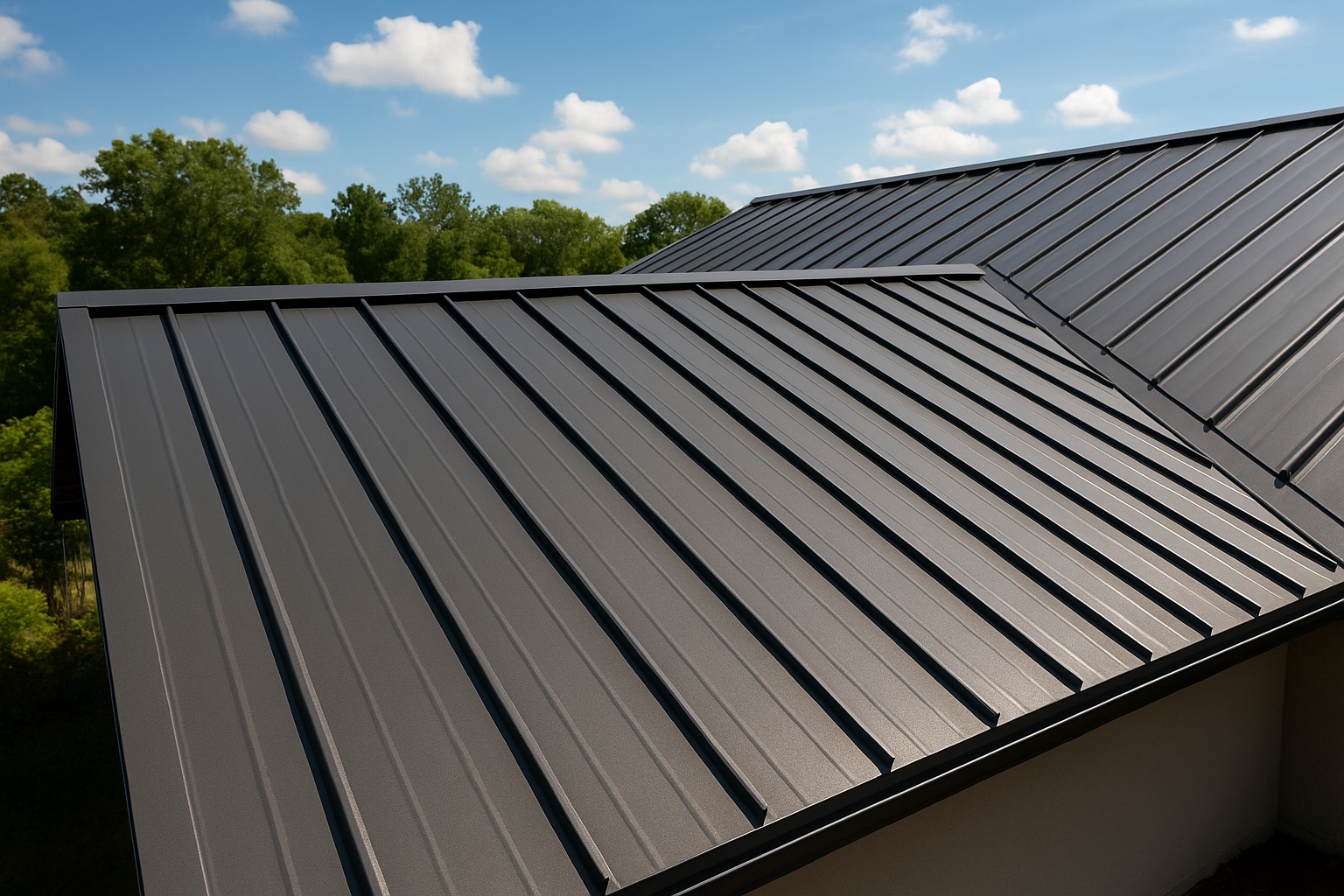
Stays 30–50°F cooler than asphalt.
Lasts 40–70 years even in Arizona.
4. Tile Roofing (Southwest Classic)
Clay and concrete tiles resist heat extremely well.
5. Silicone or Elastomeric Roof Coatings
Extend roof life by reducing heat absorption.
How Reimagine Roofing Protects Arizona Homes From Heat Damage
Reimagine Roofing specializes in extreme climate roofing.
We provide:
✔ UV-resistant shingles
✔ Impact-resistant shingles
✔ Cool roofing systems
✔ Metal roofing
✔ Roof ventilation upgrades
✔ Reflective coatings
✔ Attic heat reduction solutions
✔ Complete roof replacements
✔ Heat-damage inspections
✔ Monsoon wind-resistant installation practices
✔ Proper installation to maximize roof performance and durability in extreme climates
We design roofing systems specifically built for Arizona’s harsh environment — not generic roofs installed without climate consideration.
How Long Will a Heat-Optimized Roof Last?
In Arizona, the asphalt shingle roof’s lifespan is significantly shorter than in milder climates due to intense sun and heat. While manufacturer ratings often claim asphalt shingles last 20–50 years, real-world longevity is usually less, especially in harsh environments like Arizona.
Regular maintenance is essential to maximize an asphalt shingle roof’s lifespan. Homeowners should perform regular maintenance tasks such as keeping gutters clean, scheduling seasonal inspections, and making sure to trim overhanging tree branches and overhanging trees. Removing debris and addressing minor damage early can prevent costly repairs. Avoid improper cleaning methods like pressure washing, as this can damage shingles and reduce their durability. Consistent maintenance and inspections are key to extending the roof’s life and preventing premature failure.
Typical lifespan in Arizona:
- Basic 3-tab shingles: 8–12 years (In average conditions, these shingles last up to 20 years, but Arizona’s climate reduces their lifespan.)
- Architectural shingles: 12–15 years (Elsewhere, these shingles last 25–30 years, but the Arizona sun shortens their durability.)
- UV-resistant shingles: 18–25 years (These shingles last longer in Arizona, but still less than their rated lifespan in cooler regions.)
- Tile roofing: 30–40 years
- Metal roofing: 40–70 years
Knowing when to replace asphalt shingles is crucial to avoid costly damage and premature roof failure. Reimagine Roofing uses specialized materials and installation techniques that push roofs to the top end of these ranges.
Protect Your Roof From 115°F Heat Before It Fails
Your roof is aging faster than you think — and Arizona summers will only get hotter.
Get your FREE Heat Damage Roof Assessment
Reimagine Roofing provides:
✔ Full roof inspection
✔ Heat + UV degradation analysis
✔ Attic ventilation evaluation
✔ Shingle integrity exam
✔ Granule loss check
✔ Clear repair or replacement plan
✔ Fast quotes (in under 24 hours)
Schedule your free roof analysis.
Request your fast quote online — sent in less than 24 hrs.
Protect your home from Arizona’s extreme heat before it costs you thousands.
Reimagine Roofing — Arizona’s leader in heat-resilient roofing systems.
Popular Posts