Snow Roof Load Safety for Older Homes
Snow Roof Load Safety for Older Homes
How Much Snow Is Too Much? Roof Load Safety for Older Homes
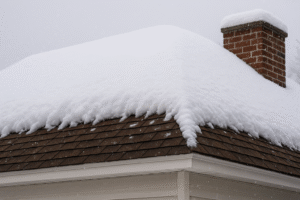
Snow Is Beautiful — Until Your Roof Is Carrying a Truck
A fresh snowfall is one of the best parts of winter in the Northeast and Mid-Atlantic. It quiets the neighborhood, makes historic streets look like postcards, and gives old homes that classic winter charm.
Before diving into the details, it’s important to provide some background: understanding snow load calculations is crucial for homeowners, especially in regions with heavy snowfall, because it helps prevent structural damage and ensures the safety of your home.
But snow also does something many homeowners don’t think about in the moment:
It adds serious weight to your roof — fast.
For newer homes built to modern snow-load codes, that weight is usually no big deal. For older homes, especially those built 50, 80, 100 years ago (or more), snow can create a real structural risk.
That matters a lot in places like:
- Massachusetts and Connecticut, where heavy snow and ice are common
- Pennsylvania and New Jersey, where Nor’easters dump dense snow quickly
- Delaware and Maryland, where wet snow and freeze-thaw cycles stress older framing
Older homes were built with incredible craftsmanship — but they were also built for different winters and different building assumptions than we have today.
And there’s a hard truth many homeowners don’t realize:
One major winter storm can push an aging roof past its safe limit.
This guide will walk you through:
- What snow load is (in plain English)
- How much snow is “too much” for older roofs
- Why historic homes are more vulnerable
- Warning signs your roof is overloaded
- What to do during and after a heavy snow event
- How roof materials and slope change snow risk
- Smart upgrades that preserve historic architecture
- How Reimagine Roofing helps older homes stay safe all winter
Let’s make sure your roof stays one of the strongest parts of your home — not a winter liability.
What Is Roof Snow Load? (The Simple Version)
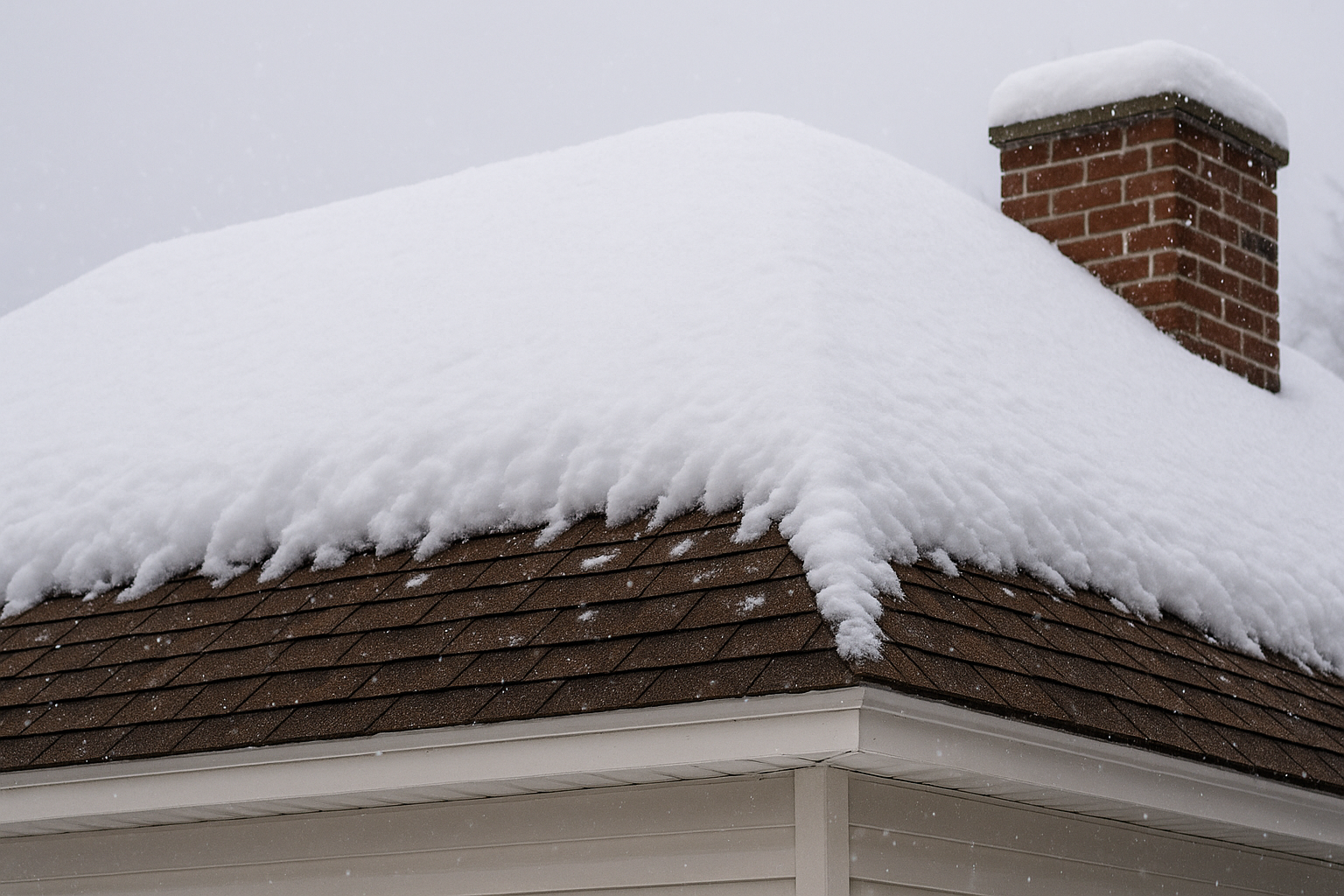
Roof snow load is the weight of snow and ice sitting on your roof.
Snow load varies because snow isn’t always the same. A fluffy 6-inch snowfall is totally different from a wet, heavy storm followed by freezing rain.
Engineers use specific parameters, such as snow density and depth, to calculate snow load. These parameters are essential for determining the actual load on a roof, as both the density and depth of the snow directly affect the total weight.
Engineers generally think of snow load in pounds per square foot (psf). The unit for snow load is typically pounds per square foot (psf) or kilonewtons per square meter (kN/m2).
To visualize that:
- A typical dining table is about 20–30 psf.
- A small car is around 40–50 psf spread over its footprint.
- Some winter storms can add 30–60 psf to a roof in a single day.
For example, to calculate snow load, you multiply the density of the snow (for instance, 20 pounds per cubic foot for wet snow) by the depth (such as 1 foot), resulting in a value of 20 psf. This example shows how knowing the correct parameters and units is crucial for accurate calculations.
That means your roof could be carrying the equivalent of a vehicle across its entire surface after one storm cycle.
Modern homes are built to handle it. Older homes? Not always — especially if the roof structure has weakened over time.
Why Older Homes Face Higher Risk in CT, MA, NJ, PA, DE, and MD
Older homes have a lot going for them: thick wood, real craftsmanship, beautiful lines. But winter brings unique vulnerabilities. Building codes for snow loads vary by country, and many older homes were constructed before current country-specific codes were established. Standards and requirements can differ significantly across countries, so it’s important to consider which code was in effect when the home was built.
1. They Were Built to Older Codes (or No Codes at All)
Many homes built before 1970 were constructed under much lower assumed snow loads.
In some towns, houses were built before snow-load rules even existed.
2. Wood Framing Ages Over Time
Even strong old framing can weaken due to:
- decades of moisture exposure
- minor leaks that went unnoticed
- insect damage
- old nail connections loosening
- natural settling of the structure
3. Historic Roof Designs Can Trap Snow
Dormers, valleys, low-slope additions, and decorative rooflines are gorgeous — but they can collect snow in ways modern roofs don’t.
4. Many Older Homes Have Multiple Roof Layers
It’s common to find older homes with:
- 2–3 layers of shingles
- old decking beneath newer materials
- mixed repairs over decades
Each layer adds dead weight before snow even falls.
5. Ventilation and Insulation Are Often Outdated
Poor ventilation creates ice dams, which add weight and trap water on the roof longer — increasing stress.
How Much Snow Is “Too Much”?
There isn’t one universal number because every roof is different. The risk also depends on the state of the snow—whether it is wet, dry, or icy—and can vary significantly across different regions. But there are practical benchmarks homeowners can use.
General Safe Snow Depths (Rule of Thumb)
These are rough guidelines based on typical residential framing:
- Light, fluffy snow:
- 12 inches may be manageable on many roofs
- Average Northeast snow:
- 6–8 inches can already be heavy
- Wet, dense snow (common near the coast):
- 3–6 inches may be enough to stress older roofs
- Snow + freezing rain / ice:
- even 2–4 inches of snow plus ice can be dangerous
Why Coastal Storms Are Sneaky
In NJ, DE, MD, and coastal MA/CT, snow often comes with higher moisture. Your location, especially if you are near the coast, influences the type and weight of snow your roof may experience. That “slushy” snow can weigh twice as much as dry snow.
Meaning:
- 6 inches of wet snow can equal 12+ inches of dry snow in weight.
The Real Risk Is Accumulation
Even if one storm seems small, multiple storms can build layers:
- snow falls
- partially melts
- refreezes
- then more snow adds on top
These snow accumulation events can occur in quick succession, leading to dangerous buildup.
This creates stacked weight that roofs weren’t designed for.
Roof Shape and Slope — The Hidden Factor
A roof’s design changes how snow behaves. The surrounding terrain and the direction the roof faces can influence how much snow accumulates and where drifts form.
Steep Roofs Shed Snow
Many historic homes (Victorians, Colonials, Capes) have steep pitches that naturally shed snow. That helps.
BUT if snow turns to ice, it can still stick and build up at the eaves.
Low-Slope Roofs Hold Snow
Porches, additions, and older flat or low-slope roofs are at higher risk because they don’t shed weight.
Valleys and Dormers Collect Snow
Snow slides down and piles into valleys — creating localized overloads. Dormer joints add another trap.
If your home has:
- multiple rooflines
- valleys
- dormers
- attached garages
- older flat porch roofs
…your snow risk is higher even if your main roof is steep.
The Most Dangerous Type of Snow Load
Wet Snow
Wet snow is heavy immediately. It’s the #1 cause of sudden roof stress in PA, NJ, MD, and DE.
Ice
Ice adds weight and creates pressure points.
A ¼-inch ice layer across a roof can add several pounds per square foot fast.
Drifting Snow
Wind can push snow into deep piles on one side.
That uneven load is especially risky for older framing, because it creates twisting and torque.
If your home sits in an open area, near water, or on a hill, drifting is a serious concern.
Warning Signs Your Roof Is Overloaded
Older homes often give warning signs before a collapse, but you have to know what to look for. It’s important for each person living in the home to be aware of these warning signs.
Exterior Signs
- visible sagging along the ridgeline
- bowed roof planes
- cracking or separating flashing
- doors/windows suddenly sticking
- new gaps in fascia or soffit
Interior Signs
- creaking or snapping sounds from the attic
- cracks in plaster or drywall near ceilings
- ceiling bulges
- water stains appearing after storms
- visible bowing of attic rafters
Emergency Red Flags
If you see any of these, treat it as urgent:
- sudden roof sag
- a “wavy” look to the roofline
- loud pops or structural noises
- ceilings dropping or cracking quickly
At that point, snow removal and professional inspection are critical.
What To Do During Heavy Snow Events
Here’s how to protect your roof safely without risking injury.
Regular roof maintenance before winter can help prevent snow load issues during heavy snow events.
1. Don’t Climb on the Roof
Older roofs can be slippery, and load distribution matters. Walking on a stressed roof can make things worse.
2. Use a Roof Rake (Properly)
A roof rake lets you remove snow from the ground.
Rules:
- clear the first 3–4 feet above the eaves
- don’t try to scrape down to shingles
- avoid pulling so hard you damage materials
This reduces ice dam risk and removes the heaviest edge load.
3. Clear in Sections
If snow is deep, remove it gradually, not all at once, so the roof doesn’t “bounce” from sudden unloading.
4. Watch for Drifts
Drifts may be much deeper than the rest of the roof. Prioritize those zones.
After the Storm — Your Post-Snow Checklist
Once the storm is over:
- Check the attic for leaks or moisture
- Look for new sagging or bowing
- Inspect gutters for ice buildup
- Notice any ceiling changes inside
- Schedule a roof inspection if snow was heavy
Any suspected damage or issues should be verified by a qualified roofing professional to ensure accuracy and reliability.
Even small leaks after a storm can mean:
- ice dams forced water under shingles
- flashing separated
- decking is starting to absorb moisture
Catching that early can save thousands.
Historic Roofing Materials and Snow Load
Different materials affect weight and performance in snow. Various roofing elements, such as decking, underlayment, and shingles, all play a role in how the roof handles snow load.
Asphalt Shingles
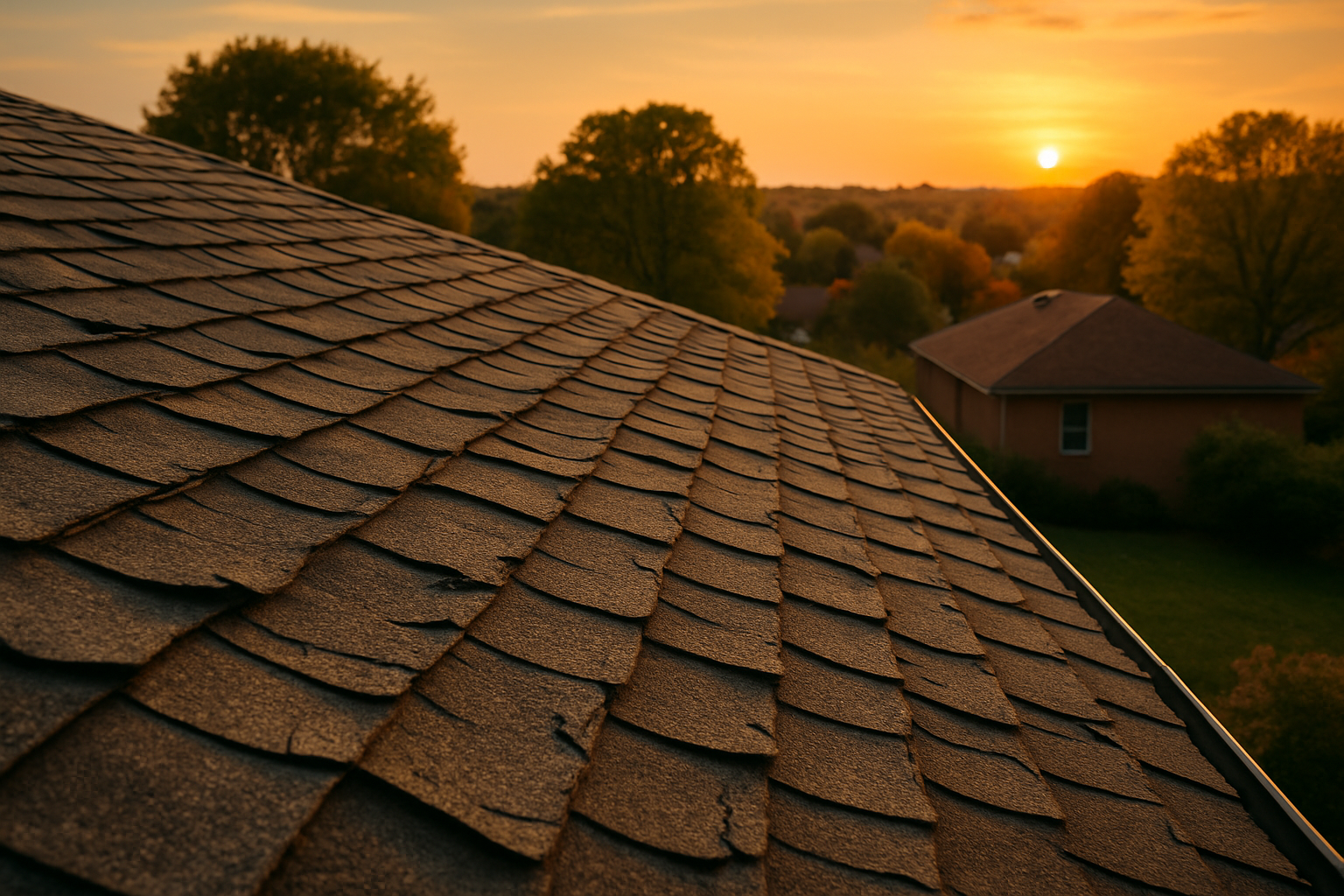
Common replacement material on older homes. Lightweight compared to slate, but can crack in freeze-thaw cycles.
Slate
Classic for MA, CT, PA.
Very heavy, which means older framing may already be loaded even before snow.
Slate roofs require careful structural evaluation.
Cedar Shake
Lighter than slate, but snow and ice can cause splits and rot if ventilation is poor.
Metal Roofing
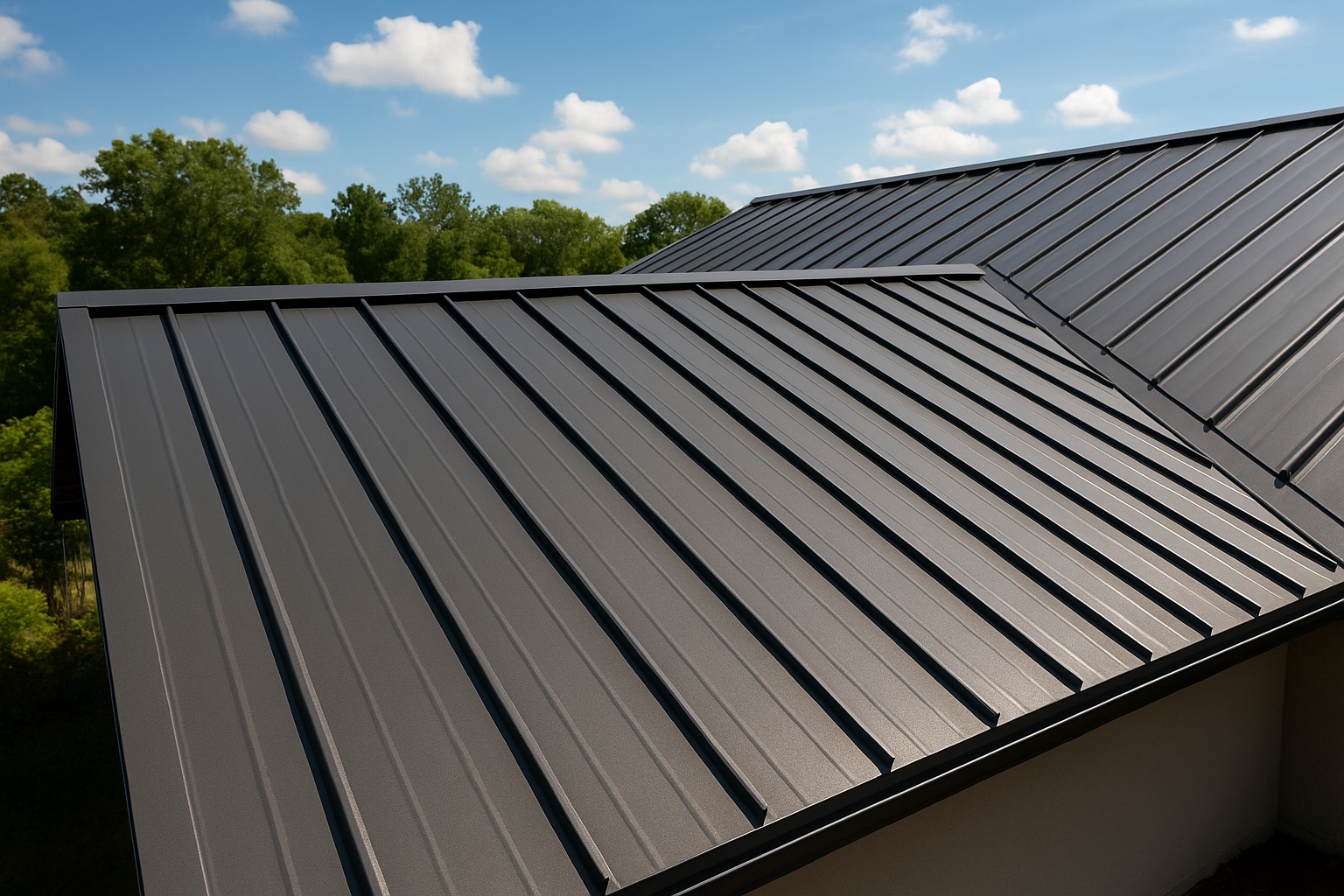
Excellent snow-shedding, lightweight, strong. Great upgrade for older homes that need structural relief.
Tile
Heavy like slate. Beautiful, but needs strong framing.
If your older home has slate, tile, or multiple shingle layers, snow load calculations matter even more.
How Ice Dams Increase Snow Load Risk
Ice dams don’t just cause leaks — they keep weight on the roof longer. Ice dams act to trap water and increase the load on the roof, raising the risk of structural stress.
Here’s how:
- attic heat melts the top layer
- water flows down and refreezes at the eaves
- ice blocks drainage
- more meltwater backs up
- snow becomes water-logged and heavier
- freezing rain bonds layers together
An ice-dammed roof can stay heavy for weeks, stressing older framing day after day.
Smart Upgrades for Older Homes (That Don’t Ruin Historic Character)
Reimagine Roofing works with historic and older homes across the Northeast and Mid-Atlantic, and we know homeowners want safety without sacrificing style.
Some upgrades complement each other to provide comprehensive protection against snow load.
Here are upgrades that boost snow safety while preserving aesthetics:
1. Ice & Water Shield Underlayment
Invisible protection that prevents meltwater intrusion.
2. Improved Attic Insulation
Stops heat loss → prevents uneven melting.
3. Hidden Ventilation Systems
Modern airflow with minimal visual change.
4. Reinforced Decking / Sistered Rafters
Strengthens framing while keeping the roofline authentic.
5. Lightweight, Slate-Look Architectural Shingles
Perfect for historic homes that want the slate appearance without slate weight.
6. Metal Roofing for Rear or Addition Rooflines
A common historic-preservation compromise:
- keep visible front roof traditional
- use snow-shedding metal on low-slope areas
When to Get a Professional Roof Load Evaluation
You should schedule a roof load check if:
- your home is 50+ years old
- you have slate or tile
- your roof has multiple layers
- you see recurring ice dams
- you notice sagging or framing changes
- your neighborhood gets heavy snow
- you’ve never had the attic structure inspected
Many load issues are invisible until they’re serious. A professional evaluation gives you clarity and a plan. This includes a thorough analysis of your roof’s ability to handle snow loads.
How Reimagine Roofing Helps Older Homes Stay Winter-Safe
We specialize in climate-ready roofing systems for older housing stock in:
CT, MA, NJ, PA, DE, and MD
With years of experience and a strong reputation in the roofing industry, we deliver solutions that meet the highest standards.
Our winter-safety services include:
- Free roof load and winter risk inspections
- attic framing checks for sagging or weakness
- ice dam mitigation systems
- ventilation redesign with historic discretion
- lightweight modernization options
- full roof replacements designed for regional snow loads
- emergency winter leak response
We don’t treat old homes like new builds. We respect the architecture while upgrading the performance.
The Real Stakes — Why Snow Load Safety Matters
Roof overload isn’t just a roofing issue.
It risks:
- structural collapse
- expensive framing repairs
- water and mold damage
- loss of historic plaster and woodwork
- property damage that can reduce your property’s value and integrity
- safety hazards for your family
Older homes are irreplaceable. Their roofs need proactive care, not last-minute panic.
The good news is that most snow load problems are preventable with:
- the right materials
- the right ventilation
- smart reinforcement
- timely inspections
Protect Your Roof, Protect Your Home’s Legacy
If your home is older, your roof is carrying more than snow. It’s carrying the legacy of workmanship, design, and history that makes Northeast and Mid-Atlantic homes so valuable. Preserving this legacy adds significant value to your home, and proactive roof care is essential to maintain it.
And every winter, that legacy sits under:
- heavy snow
- drifting wind loads
- ice dams
- rapid freeze-thaw cycles
Knowing how much snow is too much — and taking action early — protects your home and prevents costly disasters.
Get a Free Winter Roof Load Safety Inspection
Not sure if your roof can handle the next big storm?
Let Reimagine Roofing help.
Visit our website to learn more or to schedule your free inspection.
We offer FREE winter roof load safety inspections for older homes across CT, MA, NJ, PA, DE, and MD.
Your inspection includes:
✅ Roof surface evaluation
✅ Attic framing and sag check
✅ Snow-risk zone identification (valleys, drifts, additions)
✅ Ice dam vulnerability review
✅ Ventilation and insulation assessment
✅ Clear plan for repairs or upgrades
✅ Fast quote — same day or under 24 hours
Schedule your free inspection.
Request a fast winter-safety quote online.
Reimagine Roofing — protecting historic and older homes through every Northeast winter.
Popular Posts