NJ Winter Roofing: Salt Air, Strong Winds & Snow Risks
NJ Winter Roofing: Salt Air, Strong Winds & Snow Risks
Winter Roofing Tips for Ocean County, NJ: Salt Air, Strong Winds, and Snow Load Risks
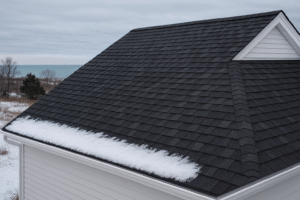
Winter by the Shore Is No Joke for Your Roof
Let’s face it — winters in Ocean County, New Jersey aren’t just cold. They’re coastal cold — meaning your roof is fighting off a perfect storm of salt air corrosion, coastal wind gusts, icy slush, and surprise snow squalls. These NJ winter roofing salt wind snow risks are formidable challenges for homeowners.
Whether you’re in Toms River, Brick, Point Pleasant, Barnegat, Lacey Township, or anywhere along the bay or inland, winter conditions are unpredictable and relentless.
But here’s the kicker: most homeowners don’t realize their roof is vulnerable until it starts leaking, sagging, or worse — collapsing under stress.
So if you’re wondering:
- Why your roof shingles look curled this season
- Whether coastal snow loads are dangerous
- Or how salt air slowly wrecks even new roofing…
You’re in the right place.
This guide covers:
✅ How salt air affects roofs in Ocean County
✅ Why wind gusts are worse near the shore
✅ What kind of snow load is too much for NJ roofs
✅ Winter red flags to watch for
✅ DIY & professional tips to stay ahead of winter damage
✅ When to schedule a free inspection with Reimagine Roofing
Let’s dive in.
The Hidden Roof Enemy — Salt Air in Coastal NJ
Living near the beach has its perks — but salt in the air isn’t one of them, especially for your roofing system. Certain types of roof damage and corrosion are only found in coastal areas like Ocean County due to the presence of salt air.
So, What Does Salt Air Do?
Salt air isn’t just in the water — it’s in the wind, and it sticks to everything: your windows, siding, and yes, your roof.
When sea spray or salty mist lands on your roof, it can:
- Accelerate metal corrosion (think flashing, nails, vents)
- Break down protective shingle granules
- Cause premature failure of sealants and adhesives
- Shorten the lifespan of metal roofing if not treated properly
This is especially true in towns like Seaside Heights, Lavallette, Ortley Beach, and other barrier island communities where salt exposure is nonstop.
Pro Roofing Tip:
If your home is within 5 miles of the ocean, your roofing materials should be rated for coastal use. Ask your roofer about corrosion-resistant underlayment, marine-grade flashing, and aluminum or coated fasteners.
Strong Winds + Roofing Stress in Ocean County
The closer you are to the coast, the stronger the wind — and Ocean County gets its fair share of coastal gales, especially during nor’easters and strong cold fronts.
Here’s what local winds can do to your roof:
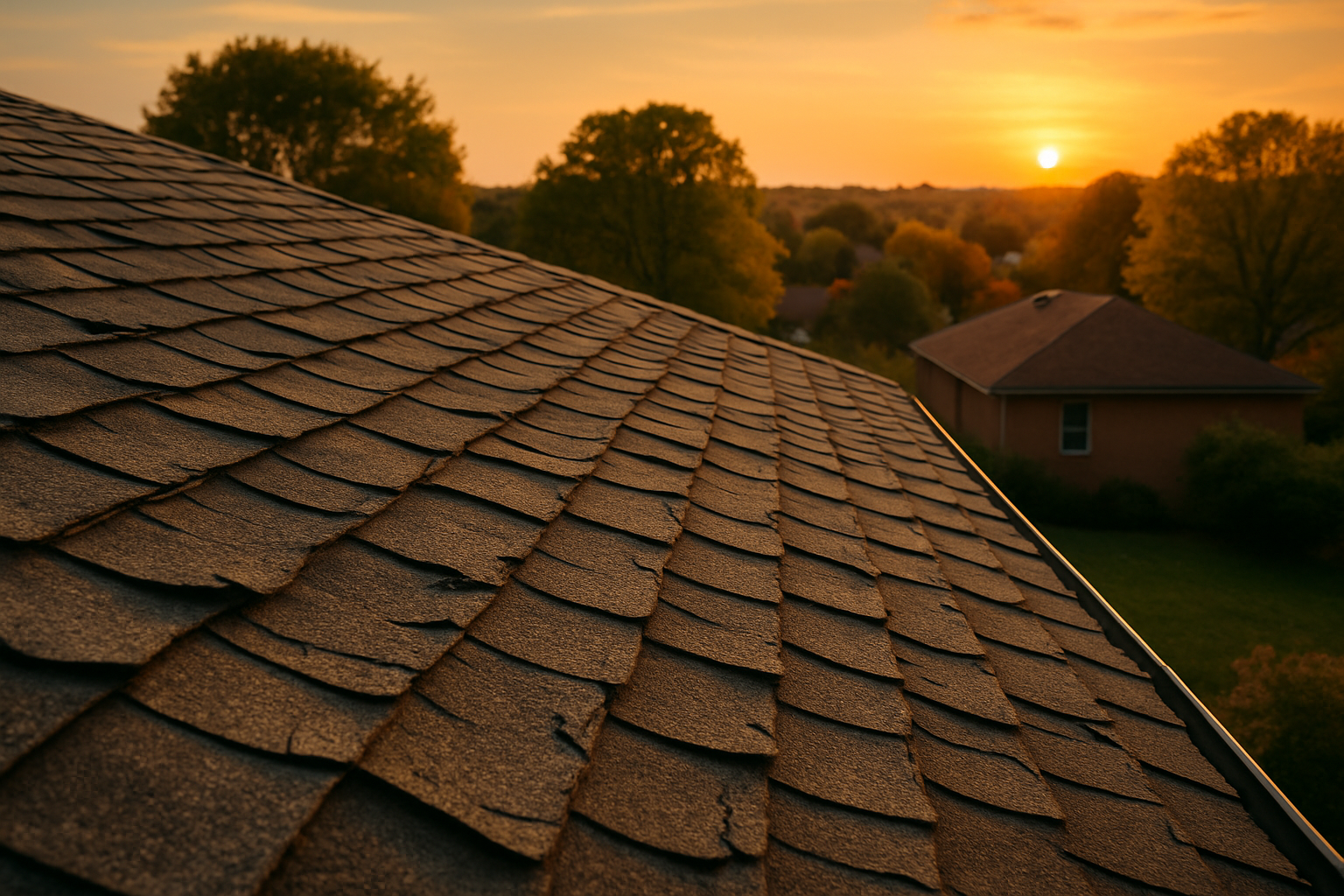
- Lift or peel shingles, especially older or improperly installed ones
- Dislodge ridge caps and vent covers
- Break seal strips on asphalt shingles
- Cause wind-driven rain to infiltrate roof seams and valleys
- Create sudden pressure differentials that cause interior leaks or insulation shifts
Did You Know?
Parts of Ocean County — especially along the Barrier Islands and bayfront towns — see wind gusts of 50+ mph during winter storms. That’s enough to lift poorly fastened shingles and rip off ridge vents.
Warning Signs of Wind Damage:
- Missing or lifted shingles
- Bent or detached flashing
- Water stains near ceiling corners or attic walls
- Roof debris in your yard after a storm
Snow Load Risks — Not Just a North Jersey Problem
While most people think of heavy snow as a problem for the Poconos or North Jersey, Ocean County gets hit with wet, heavy snow — and that weight adds up fast.
Snow Load 101:
- 6 inches of wet snow = 20+ pounds per square foot
- Add freezing rain? You’re looking at 30–40 psf
- One good storm can load your roof with tons of pressure
And Here’s the Problem:
Ocean County roofs — especially those built before the 1980s — weren’t always designed with modern snow load codes in mind. If you’ve never had your roof evaluated for weight tolerance, you could be one big storm away from serious damage.
Signs Your Roof Is Overloaded:
- Visible sagging or bowing
- Ceiling cracks after a storm
- Doors that won’t close (frame warping)
- Sounds like creaking or popping in the attic
Winter Roofing Maintenance Tips for Shore Homes
Now that we’ve scared you just a little (sorry, not sorry), here’s the good news — most winter roof issues in Ocean County are completely preventable with a little prep, care, and awareness.
Your Pre-Winter Roof Checklist
- Inspect all roof penetrations (vents, chimneys, skylights) for loose flashing or cracks
- Clean your gutters — clogged gutters = ice dams and water backup
- Check attic insulation — it helps prevent snowmelt and ice dams
- Trim back branches near your roofline — less debris, less damage
- Look for loose or curling shingles — they’re first to go in wind storms
- Use a roof rake after heavy snowfalls to clear the edge (never climb on the roof!)
Emergency Roofing Tips for Storm Days
Storm coming? Here’s how to prep your roof — fast.
24 Hours Before a Winter Storm:
- Take photos of your roof for insurance documentation
- Clear any remaining leaves from your gutters
- Close attic vents if wind is extreme (temporary)
- Secure loose downspouts and fascia
- Park your car away from overhanging eaves
During the Storm:
- Stay inside — don’t climb up to “check” things
- Listen for creaks, pops, or dripping sounds
- Take note of power flickers — they can signal attic issues if wires are damaged
After the Storm:
- Use binoculars to find any signs of damage
- Rake snow off low-slope areas (carefully)
- Check your attic for water stains or light peeking through
When Should You Call Reimagine Roofing?
If you’re noticing any of the following this winter, it’s time for a FREE inspection from our experienced professionals at Reimagine Roofing:
- Missing shingles or visible roof debris in your yard
- Recurring ice dams along roof edges
- Unusual attic odors (moisture trapped)
- Leaks after snow, not rain
- A sagging roofline visible from the curb
Recommended Roofing Materials for Coastal NJ Homes
Ocean County homeowners need to be picky about roofing materials — the wrong choice can cut your roof’s lifespan in half. Fortunately, there is a variety of roofing materials available that are well-suited for coastal NJ homes.
op Roofing Options That Work Well in Winter + Salt Air:
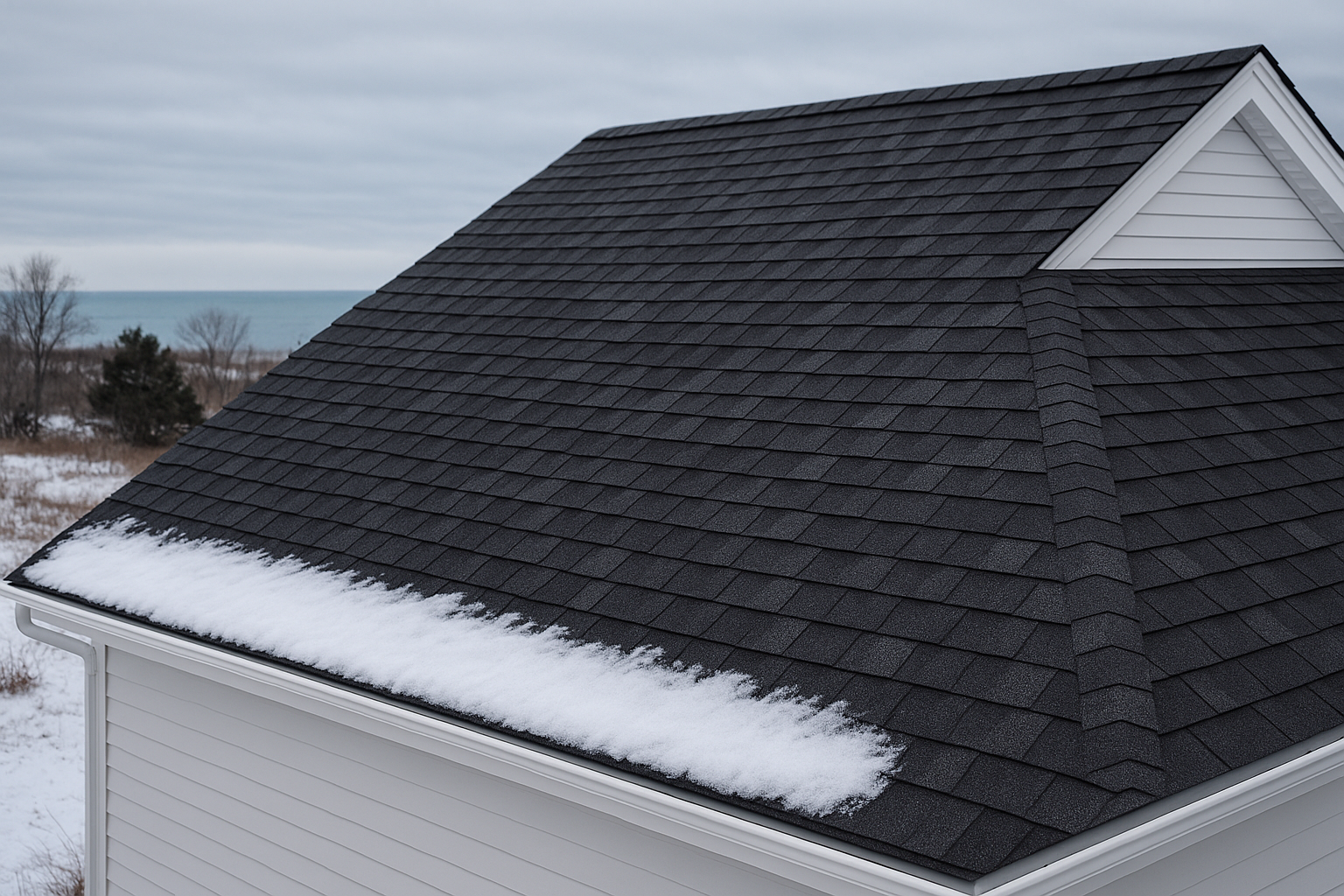
Architectural Asphalt Shingles
- Cost-effective
- Better wind rating than 3-tab shingles
- Some brands offer algae-resistant coatings
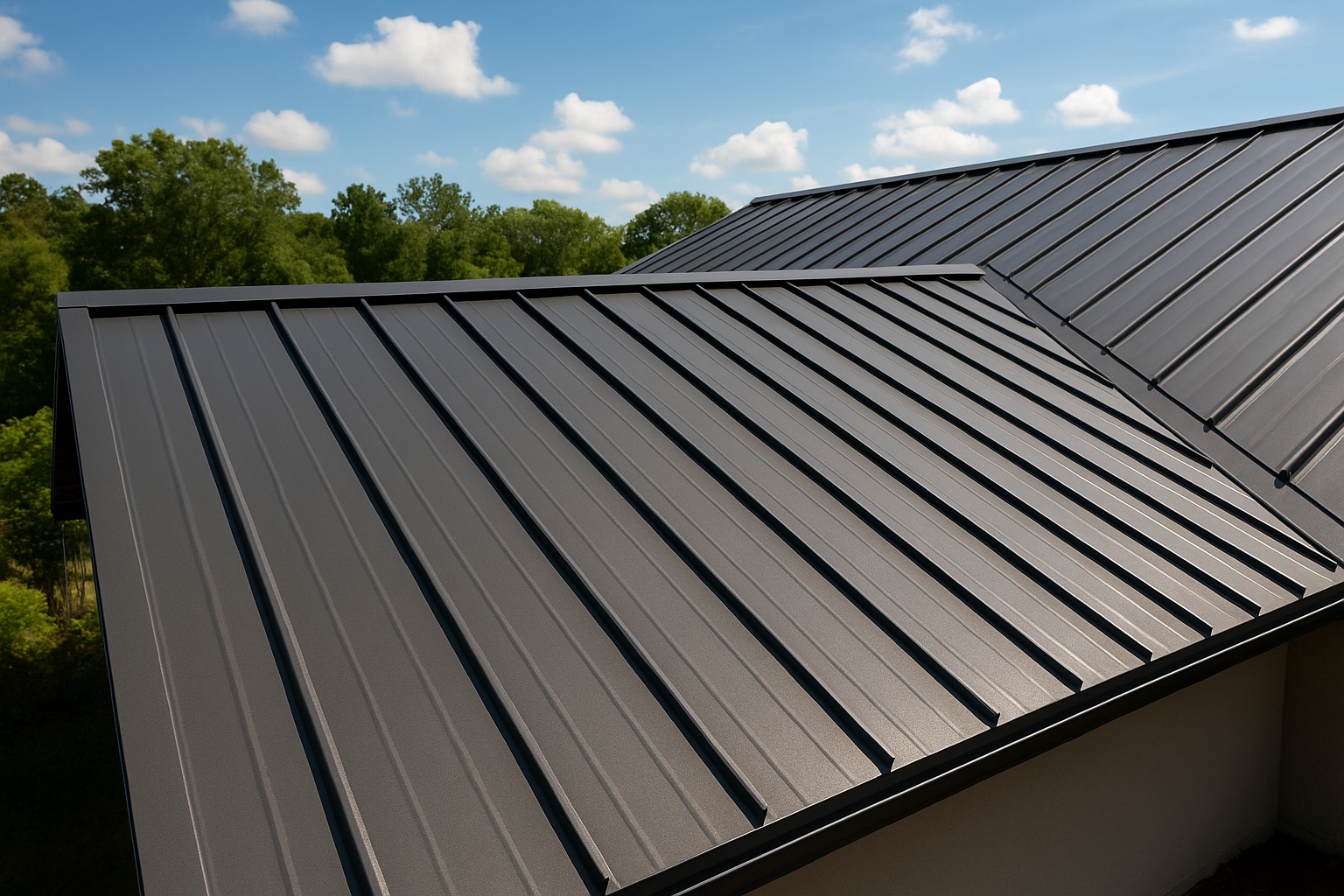
Metal Roofing (Coastal-Grade)
- Sheds snow and ice better than any other material
- Won’t absorb moisture
- Choose galvalume or coated aluminum for salt protection
Modified Bitumen (Flat Roofs)
- Ideal for low-slope roofs on additions or porches
- Handles snow pooling better than older roll-roof materials
Avoid:
- Uncoated steel
- Organic shingles
- Clay tile (too heavy + brittle for freeze-thaw cycles)
New Jersey Roofing Regulations Homeowners Need to Know
If you call the Garden State home, understanding New Jersey’s roofing regulations is a must—especially when winter weather puts your roof to the test. The state has specific codes in place to ensure every roof is built to withstand the unique challenges that come with Jersey’s changing temperatures, heavy snow, and coastal conditions.
First and foremost, New Jersey requires that all roofing work—whether it’s a repair or a full replacement—meets strict quality standards. This means using materials rated for our climate, proper installation techniques, and following local building codes designed to prevent leaks and structural damage. Permits are typically required for major roofing projects, ensuring that your property is inspected and up to code before, during, and after the work is done.
Why does this matter?
Because when winter hits, a roof that isn’t up to state standards is far more likely to develop problems. Leaks can occur when flashing isn’t installed correctly, or when materials aren’t suited for freezing temperatures. Poor workmanship can lead to damage that puts your home and family at risk—not just from water, but from mold, insulation issues, and even structural failures.
To protect your home and investment, always work with licensed New Jersey contractors who know the ins and outs of state roofing regulations. Ask for proof of permits, check that materials meet local codes, and don’t be afraid to request documentation of inspections. Staying informed and proactive is the best way to ensure your roof delivers the quality and protection your property deserves, no matter how harsh the winter gets in the Garden State.
Why Ocean County Homes Are More Vulnerable in 2025
You’ve probably noticed — the weather’s been weird lately. And data backs that up, showing a growth in extreme weather events and an increase in the number of homes at risk in Ocean County.
NJ Winter Trends (2020–2025):
- The transition from autumn to winter brings increased risks for local roofs, as temperatures drop and weather patterns shift.
- More freeze-thaw cycles (ice, melt, re-freeze)
- Higher wind gust averages near the shore
- Increased coastal flooding, affecting soffits and siding
- Early and heavier first snowfalls in December
All of these trends point to more stress on local roofs, especially in towns like:
- Toms River
- Barnegat Light
- Manchester Township
- Forked River
- Beachwood
- Island Heights
If you live in these areas, stay extra vigilant this winter.
Protect Your Roof
Winter storms don’t wait — and neither should you.
Book a free inspection today to discover potential roof issues before they become major problems.
At Reimagine Roofing, we specialize in winterproofing and storm-ready solutions for Ocean County homes — from shoreline bungalows to inland colonials.
You can view your detailed inspection report to assess your roof’s condition and next steps.
No gimmicks. No pushy sales. Just honest answers and real solutions.
Stay Ahead of Winter Roof Problems in Ocean County
You love living near the Jersey Shore — but your roof pays the price every winter. From salt air corrosion to wind gusts and heavy snow, Ocean County homes face unique roofing challenges.
With the right prep, smart material choices, and a trusted local roofer on your side, you can protect your roof — and your peace of mind — all winter long. Reimagine Roofing is committed to delivering a positive customer experience, ensuring your satisfaction with every step of the process.
Reimagine Roofing is here to help. Let’s winterproof your home before the next nor’easter rolls in.
Book Your Free Inspection Today
Use Fast Quote Tool, Get Results in Less Than 24 Hrs
For expert help with your winter roofing needs, reach out to the Reimagine Roofing team today.
Popular Posts