Why Salt Air, Winter Storms, and Desert Heat Age Your Roof Faster
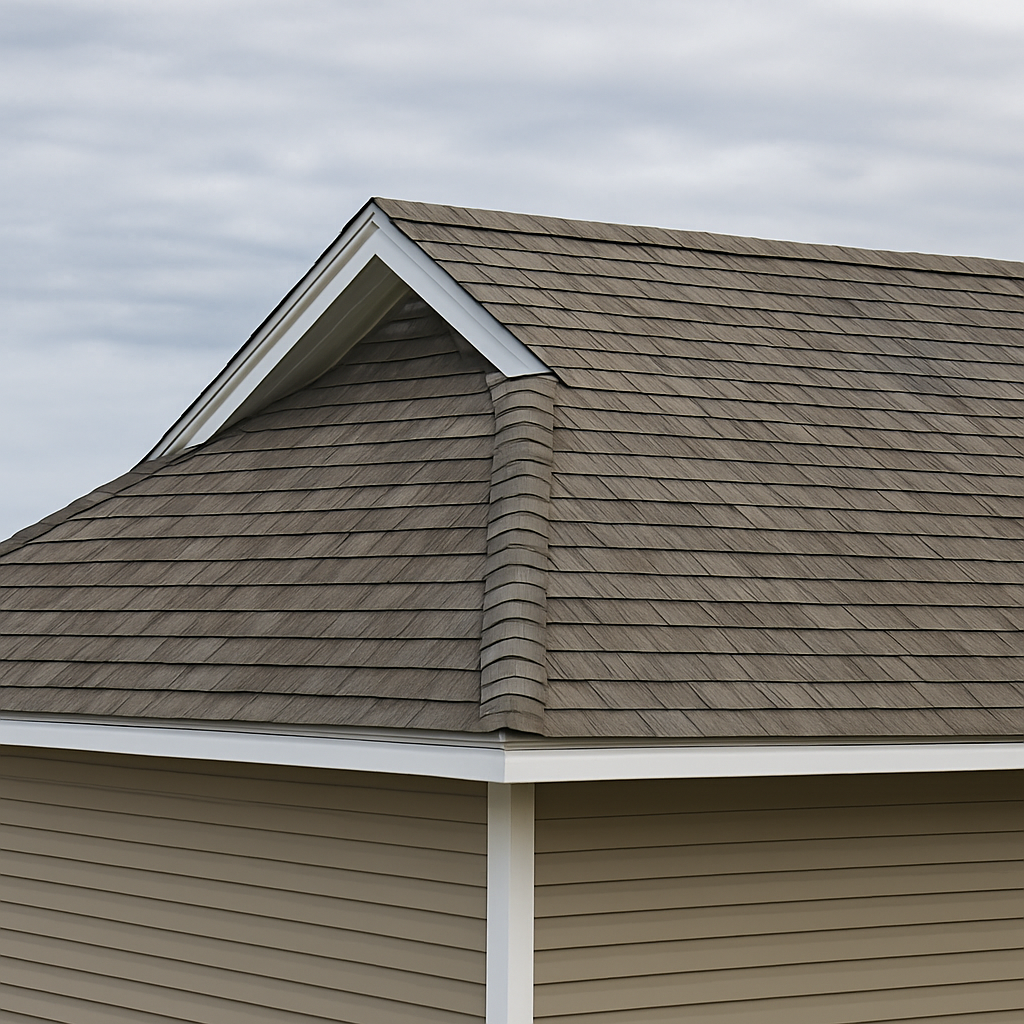
Why Salt Air, Winter Storms, and Desert Heat Age Your Roof Faster
Coastal and Arizona Roof Stress: Why Salt Air, Winter Storms, and Desert Heat Age Your Roof Faster
A Shore-County Homeowner Guide to Longer-Lasting Roofs in the Mid-Atlantic
If You Live Near the Coast, Your Roof Is in a Different World
Living along the Mid-Atlantic coast is special. You get ocean breezes, salt-air sunsets, beach-town charm, and a way of life people drive hours to experience. However, it is important to note that salt air, winter storms, and desert heat age your roof faster, meaning that the same coastal environment puts your home — especially your roof — in a category of stress most inland homeowners never deal with.
If you’re in:
- Ocean County, Monmouth County, Cape May, Atlantic City, or the Delaware Bay Shore (NJ)
- Rehoboth, Lewes, Bethany, Fenwick Island, or coastal Sussex/Kent County (DE)
- Ocean City, Assateague, Kent Island, Eastern Shore, or the Chesapeake Bay waterfront (MD)
These areas make up the Mid-Atlantic coastal region, known for its unique geographic and administrative characteristics that set it apart from other regions.
…your roof is under constant attack from a combination that quietly shortens its lifespan:
Salt air + moisture + wind + winter storms.
Even if your roof “looks fine,” coastline exposure causes hidden aging that can cut a roof’s life by 5–10 years compared to inland neighborhoods.
This blog will show you:
- How coastal conditions damage roofing materials faster
- Why winter storms hit shoreline roofs harder
- What types of roofs last longest near the ocean
- Signs your coastal roof is aging early
- The best upgrade paths for Mid-Atlantic shore homes
- How Reimagine Roofing helps protect coastal roofs through all four seasons
Let’s break down what’s really happening above your head — and how to fix it before it becomes expensive.
What “Coastal Roof Stress” Really Means
You don’t need to be directly oceanfront for coastal stress to matter. A home’s location within a few miles of the coast or bay significantly increases its exposure to these unique stressors. In fact, most homes within 5–10 miles of the coastline or bay shoreline experience the same corrosive effects.
Coastal roof stress is the compounded effect of:
- Salt particles suspended in the air
- High humidity and moisture cycling
- Steady wind exposure year-round
- Frequent “wind-driven rain” events
- Winter freeze–thaw + Nor’easters
- Sun + UV reflection off water
- Storm debris and sand abrasion
Individually, each is manageable. Together? They create a slow-burn roofing disadvantage that most homeowners don’t notice until the roof is already failing.
How Salt Air Damages Your Roof (Even When You Don’t See It)
Salt is one of the most destructive natural roofing forces. Here’s why:
Salt is hygroscopic
That means it pulls moisture out of the air and holds it on surfaces.
So even on a “dry” day, salt films keep roofing materials slightly damp — which changes how they age.
Salt accelerates material breakdown
Salt contributes to:
- Faster shingle granule loss
- Faster asphalt drying and brittleness
- Corrosion of metal fasteners and flashing
- Degradation of sealants and roofing adhesives
- Staining and pitting on tile or slate
- Rusting of gutters and vent components
Think of salt like sandpaper plus moisture plus chemistry.
It doesn’t need a big storm to do damage — it works every day.
Coastal Moisture Cycles Wear Roofs Out Faster
Inland roofs usually have simple moisture patterns:
- it rains
- it dries
- repeat
In contrast, daily wet-dry cycles and high humidity occur more frequently in coastal regions compared to inland areas.
Coastal roofs deal with constant humidity and dew, especially near bays and marshes.
That creates:
1. Daily wet-dry cycling
Moisture expands and contracts roofing materials repeatedly, which speeds up fatigue.
2. More biological growth
Coastal humidity supports:
- algae
- lichen
- moss
Even small algae streaks matter because they hold moisture against shingles.
3. Hidden decking deterioration
If moisture repeatedly penetrates the top layers, roof decking and underlayment can become soft long before leaks appear inside.
Wind Is a 24/7 Roof Problem on the Shore
Shoreline wind isn’t just a storm-season event. In NJ, DE, and MD coastal counties, wind is frequent year-round.
Wind stress causes:
- Micro-lifting of shingles
- Loosening of seals
- Fatigue on ridge caps
- Movement at flashing joints
- Faster wear on shingles at edges and corners
Even when wind doesn’t “rip shingles off,” it gradually weakens the roof’s locking system.
So when a Nor’easter or winter storm arrives, your roof is already tired.
Winter Storms Multiply Coastal Roof Damage
A Mid-Atlantic inland winter storm is one thing.
A coastal winter storm is another.
Why?
1. Wind-driven rain
Coastal storms push rain sideways, forcing water into:
- shingle edges
- flashing seams
- ridge lines
- chimney joints
Any minor weakness becomes a leak pathway.
2. Salt + freeze–thaw
Salt water mist travels inland with storm winds. Then temperatures drop.
Water mixed with salt freezes and expands differently than fresh water, increasing cracking risk and material fatigue.
3. Ice dams on coastal roofs
Coastal homes often have:
- complex rooflines
- dormers
- attached garages
- low-slope porches
Those features capture snow in pockets, creating uneven melt and ice dam risk — especially in NJ/DE/MD where winter temps bounce above and below freezing.
4. Nor’easters and multi-day stress
Nor’easters are long storms. Your roof deals with:
- prolonged wind pressure
- repeated moisture cycles
- cumulative debris impacts
- multiple freeze–thaw hours
Even a well-installed roof ages faster after several heavy coastal winters.
The Result : Coastal Roofs Age 30–50% Faster
Here’s what Reimagine Roofing sees repeatedly in shoreline neighborhoods:
A roof rated for 25–30 years inland often lasts only 15–22 years on the shore.
Especially if it’s:
- standard asphalt
- older underlayment
- poorly ventilated attic
- installed without coastal fastening standards
- surrounded by salt-air exposure
That means coastal homeowners face:
- a rise in early replacement timelines
- a rise in maintenance needs
- more frequent repairs
- higher insurance scrutiny
- higher risk of “surprise leaks” in winter
Impact of Climate Change on Coastal Roofs
Climate change is reshaping the way coastal homeowners in NJ, DE, and MD need to think about their roofs. With more frequent and intense heat waves, your roof faces higher temperatures and prolonged sun exposure, which can accelerate wear and tear on shingles and other roofing materials. This added heat can lead to swelling, brittleness, and premature aging, making regular maintenance and timely repairs more important than ever.
Rising sea levels and an uptick in severe storms are also putting coastal roofs to the test. Heavy rainfall, high winds, and saltwater intrusion can all lead to leaks and structural complications if your roof isn’t up to the challenge. That’s why many homeowners are turning to flat roofing systems, which are designed to handle the unique demands of coastal climates. Flat roofing, when properly installed and maintained, offers excellent resistance to wind and water, helping to protect your property and family from the unpredictable effects of climate change.
To stay ahead of these challenges, homeowners should prioritize routine inspections, invest in high-quality materials, and address any signs of damage promptly. Proactive maintenance and repairs not only extend the life of your roof but also help prevent small issues from becoming costly headaches down the line. In a world where climate change is a growing concern, taking these steps can lead to greater peace of mind and long-term protection for your home.
Signs Your Coastal Roof Is Aging Early
Coastal damage is sneaky. Watch for these indicators:
Surface signs
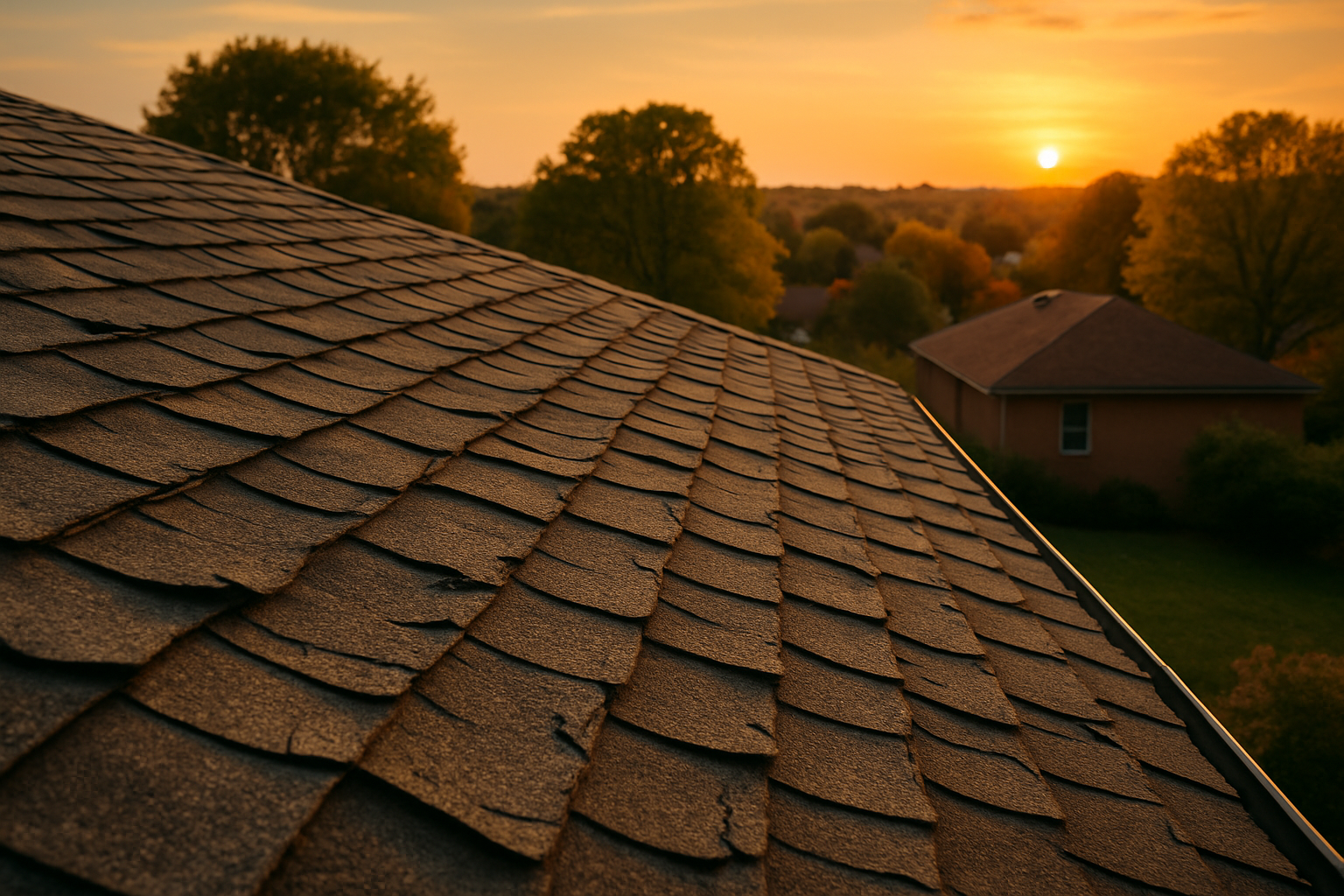
- Fading shingles (UV + salt degradation)
- Granules in gutters
- Algae streaks or dark patches
- Blistering or bubbling shingles
- Curling corners or lifted edges
- Rust around vents, nails, flashing
Structural signs
- Soft spots in decking
- Sagging at valleys or low-slope areas
- Frequent temporary repairs
- Chimney flashing separation
- Fastener “nail pops”
Indoor signs
- Musty attic smell
- Damp insulation
- New ceiling stains after windy rain
- Uneven temperature upstairs
- Mold or condensation along attic rafters
If your roof is 10+ years old and you’re near the coast, these are red flags worth checking now — not later.
Roofing Materials That Perform Best Near the Coast
Not all roofs handle salt, wind, and winter equally. According to industry standards, selecting the right coastal roofing materials is crucial for long-term performance. Foam roofing is sometimes used in the industry for its durability in harsh environments. Here’s how materials compare for NJ/DE/MD shoreline homes:
1. Architectural Asphalt Shingles (Good if Coastal-Rated)
Standard shingles aren’t enough near the shore. You want:
- high wind ratings
- algae-resistant granules
- reinforced seal strips
- thicker asphalt mat
- coastal fastening patterns
Best for: most single-family coastal homes wanting a traditional look.
2. Impact-Resistant Shingles (Excellent Coastal Upgrade)
Impact-resistant (Class 3 or 4) shingles handle:
- wind uplift
- storm debris
- freeze–thaw cracking
- stress fatigue
They also last longer under salt-air conditions because they’re engineered with more durable asphalt blends and stronger granule adhesion.
Best for: homes in storm-exposed shore counties or insurance-sensitive zones.
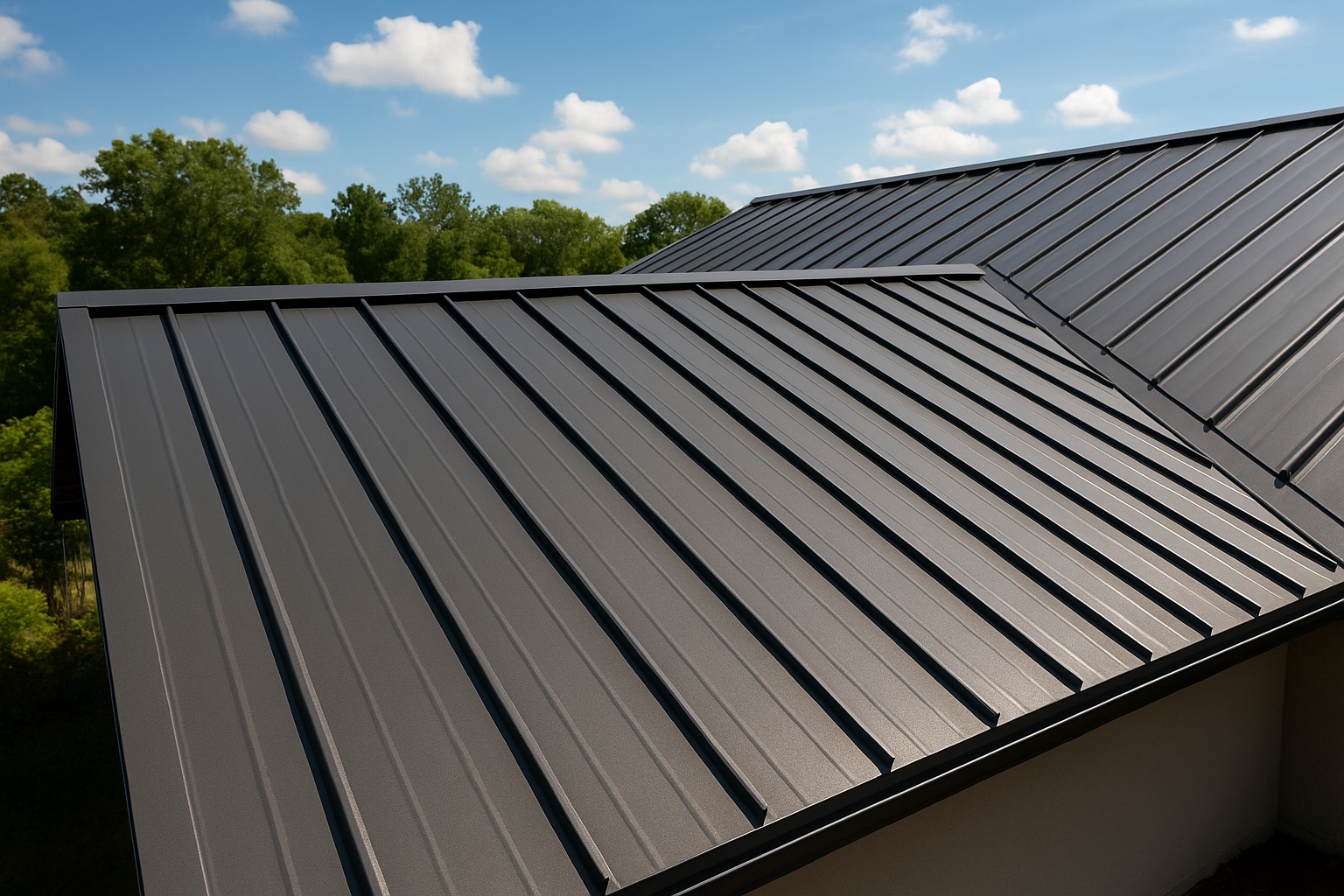
3. Metal Roofing (Top Coastal Performer)
Metal roofs handle salt air extremely well when properly coated.
Benefits:
- highest wind resistance
- excellent snow shedding
- no granule loss
- reflects UV
- long lifespan (40–70 years)
Best for: oceanfront, bayfront, and high-wind zones.
4. Synthetic Slate / Shake (Great Look, Better Durability)
Synthetics are lighter than real slate and resist moisture better than cedar.
Benefits:
- historic aesthetic
- good wind resistance
- strong freeze–thaw performance
- less organic growth
Best for: historic or high-value coastal properties.
5. Tile Roofing (Beautiful but Needs Structural Evaluation)
Tile resists salt well, but it’s heavy — and coastal winter freeze–thaw can crack lesser-quality tiles.
Best for: homes already designed for tile load, with proper underlayment.
The Hidden MVP : Underlayment Matters More on the Coast
Most homeowners focus on shingles. Coastal pros focus on what’s underneath.
A coastal-ready roofing system should include:
✅ Ice & water shield at eaves, valleys, and penetrations
✅ High-temp synthetic underlayment
✅ Sealed flashing transitions
✅ Proper fastener spacing for wind zones
Because on the shore, the underlayment often determines whether a storm becomes a leak.
Coastal Ventilation Is Not Optional
Attic ventilation is one of the biggest differences between a roof that dies early and a roof that goes the distance.
Ventilation helps:
- prevent ice dams
- reduce moisture buildup
- lower shingle temperatures in summer
- keep decking dry year-round
- reduce mold and condensation
Many older shore homes still have minimal or blocked ventilation, especially if the roof was re-done without attic updates.
A great roof system = shingles plus balanced ventilation.
Shore-County Roof Maintenance That Actually Works
If you live near the coast, these are the habits that add years to your roof life:
Using the proper equipment for roof maintenance is essential in coastal environments, as it ensures safety and helps protect your roof from harsh weather conditions.
1. Annual coastal inspection
Even if you recently replaced. Coastal exposure changes “normal” timelines.
2. Clean gutters twice per year
Salt + debris + winter ice create weight and backup issues.
3. Check flashing after every big wind event
Flashing is where shoreline leaks begin.
4. Treat algae growth early
Algae holds salt-moisture on your shingles. If it starts, deal with it.
5. Keep trees trimmed
Wind turns branches into storm debris fast.
Why Coastal Homes Need Coastal-Specific Installation
A roof installed inland-style on the coast is like wearing flip-flops in a blizzard — it works for a while, until it doesn’t.
Coastal installation differences include:
- stronger nail patterns
- higher-grade fasteners
- enhanced starter strip sealing
- wind-zone ridge cap installation
- extra peel-and-stick protection
- reinforced flashing around chimneys/dormers
- specific products rated for salt exposure
A coastal roof installation is a job that demands specialized knowledge and attention to detail to ensure long-lasting protection.
This is where Reimagine Roofing stands out.
Roofing Permits and Regulations for Shore-County Homes
Before you start any roofing project in a shore-county area, it’s essential to understand the permits and regulations that apply to your property. Local building codes are specifically designed to address the unique challenges of coastal living, such as high winds, heavy rainfall, and the corrosive effects of salt air. These rules ensure that your roof is built to withstand the region’s toughest weather and protect your investment for years to come.
Homeowners should always work with licensed contractors who are experienced in navigating local regulations. The right contractors will know exactly what permits are required and how to ensure your roof is installed to code, reducing the risk of future complications. Skipping this step or cutting corners can lead to fines, penalties, or even the costly removal of a non-compliant roof.
Doing your homework before starting a project is key. Take the time to research your municipality’s requirements, ask your contractor about their experience with local codes, and make sure all paperwork is in order before work begins. By following the rules and working with trusted professionals, homeowners can ensure their new roof is both safe and fully compliant.
How Reimagine Roofing Protects Coastal Roofs in NJ, DE, and MD
We work across Reimagine Roofing’s Mid-Atlantic service areas with shore-specific systems designed to last longer in salt-air climates. Our experienced and dedicated team ensures every coastal roofing solution is expertly installed and tailored to withstand the unique challenges of these environments.
Our coastal services include:
- Free shore-county roof inspections
- Wind-zone fastening and sealing
- Ice dam protection
- Coastal-rated architectural shingles
- Class 3/4 impact-resistant upgrades
- Metal roofing systems built for salt air
- High-performance underlayment installs
- Ventilation redesign for older homes
- Chimney / dormer flashing reinforcement
- Storm-damage documentation support
We don’t install “one-size-fits-all” roofs. We install roofs for where you actually live.
Insurance Claims and Coastal Roof Damage
Living on the coast means your roof is more likely to suffer damage from storms, high winds, and other extreme weather events. When the unexpected occurs, knowing how to navigate the insurance claim process can make all the difference in getting your roof repaired quickly and efficiently.
Start by documenting everything. Take clear photos and videos of the damage, and keep records of all maintenance and repairs performed on your roof. This thorough documentation will help support your claim and speed up the process with your insurance company. It’s also wise to work with reputable contractors who can provide detailed estimates and help you understand the scope of necessary repairs.
Some insurance policies may require you to use specific contractors or materials for repairs, so be sure to review your policy carefully and ask questions if anything is unclear. Staying on top of regular maintenance can also strengthen your claim, as it demonstrates that you’ve taken steps to care for your roof and minimize risk. By being proactive and organized, homeowners can ensure their insurance claims are handled fairly and their roofs are restored to top condition.
Coastal Roof Replacement ROI : Why Upgrading Pays Off
A coastal roof upgrade isn’t just protection — it’s a financial advantage.
Homeowners see benefits through:
- fewer repairs after storms
- longer lifespan
- higher resale value
- lower insurance headaches
- improved energy efficiency
- reduced leak risk during Nor’easters
- less maintenance for algae and corrosion
Over 15–25 years, a coastal-rated roof often saves you thousands compared to a standard replacement. This investment can pay dividends over time by reducing repair costs and increasing your property’s value.
How Your Roof Condition Impacts Shore Property Value
The condition of your roof plays a major role in determining your coastal property value. A well-maintained, durable roof not only protects your home from the elements but also boosts curb appeal and buyer confidence. For homeowners looking to maximize their investment, regular maintenance, timely repairs, and professional inspections are essential.
On the flip side, a roof that shows signs of neglect—such as missing shingles, leaks, or visible wear—can significantly decrease property value and make it harder to attract buyers. Investing in a new roof can be a smart financial move, especially if you’re planning to sell your property in the near future. A new roof signals to potential buyers that the home is well cared for and ready for the challenges of coastal living.
When choosing a new roof, consider factors like durability, energy efficiency, and aesthetics to ensure you’re making the best choice for your property. By prioritizing roof maintenance and upgrades, homeowners can protect their investment, enhance their property’s value, and enjoy greater peace of mind for years to come.
Shore Living Deserves a Shore-Ready Roof
Salt air and winter storms don’t care how new your roof is — they care how prepared it is.
If you live in coastal NJ, DE, or MD, your roof ages in a harsher world, and it needs:
- the right materials
- the right underlayment
- the right ventilation
- the right installation method
- and the right inspection schedule
The good news is you don’t need to guess.
Get a Free Coastal Roof Stress Inspection
If your roof is 10+ years old, has been through multiple storms, or you’re unsure how it’s holding up to salt air and winter winds, Reimagine Roofing is here to help.
We offer FREE Coastal Roof Stress Inspections across NJ, DE, and MD shore counties.
Your inspection includes:
✅ Full roof condition review
✅ Salt-air corrosion and granule loss check
✅ Wind-zone vulnerability scan
✅ Flashing and chimney joint evaluation
✅ Underlayment and decking assessment
✅ Attic ventilation + moisture inspection
✅ Clear repair or replacement roadmap
✅ Fast quote — often same day or within 24 hours
Book your free coastal roof inspection.
Request your fast estimate online today.
Reimagine Roofing — protecting shore homes through every season.
Popular Posts